
Discover insights about this artwork
On the Bank of the Seine, Bennecourt — History & Facts
In On the Bank of the Seine, Bennecourt, Claude Monet captures a tranquil scene along the Seine River. The painting is filled with soft greens and blues, reflecting the lush landscape and the water's gentle flow. A few figures can be seen enjoying the serene environment, adding a sense of life to the composition.
The overall atmosphere is peaceful, inviting viewers to immerse themselves in the natural beauty. The painting is executed in oil on canvas, a common medium for Monet and his contemporaries. The brushstrokes are loose and fluid, characteristic of the Impressionist style, allowing light to play across the surface. The colors are vibrant yet harmonious, creating a sense of depth and movement.
Viewers can appreciate the way Monet captures the changing light and reflections on the water. Claude Monet painted this work during the late 1860s, a period when he was deeply influenced by the beauty of the French countryside. This painting is significant as it showcases his early exploration of light and color, which would later define his career. Interestingly, the location depicted, Bennecourt, was a favorite spot for Monet and his fellow Impressionists, making it a vital part of their artistic journey.
This work exemplifies the beginnings of the Impressionist movement, focusing on capturing the moment rather than precise detail.
More Artworks by Claude Monet
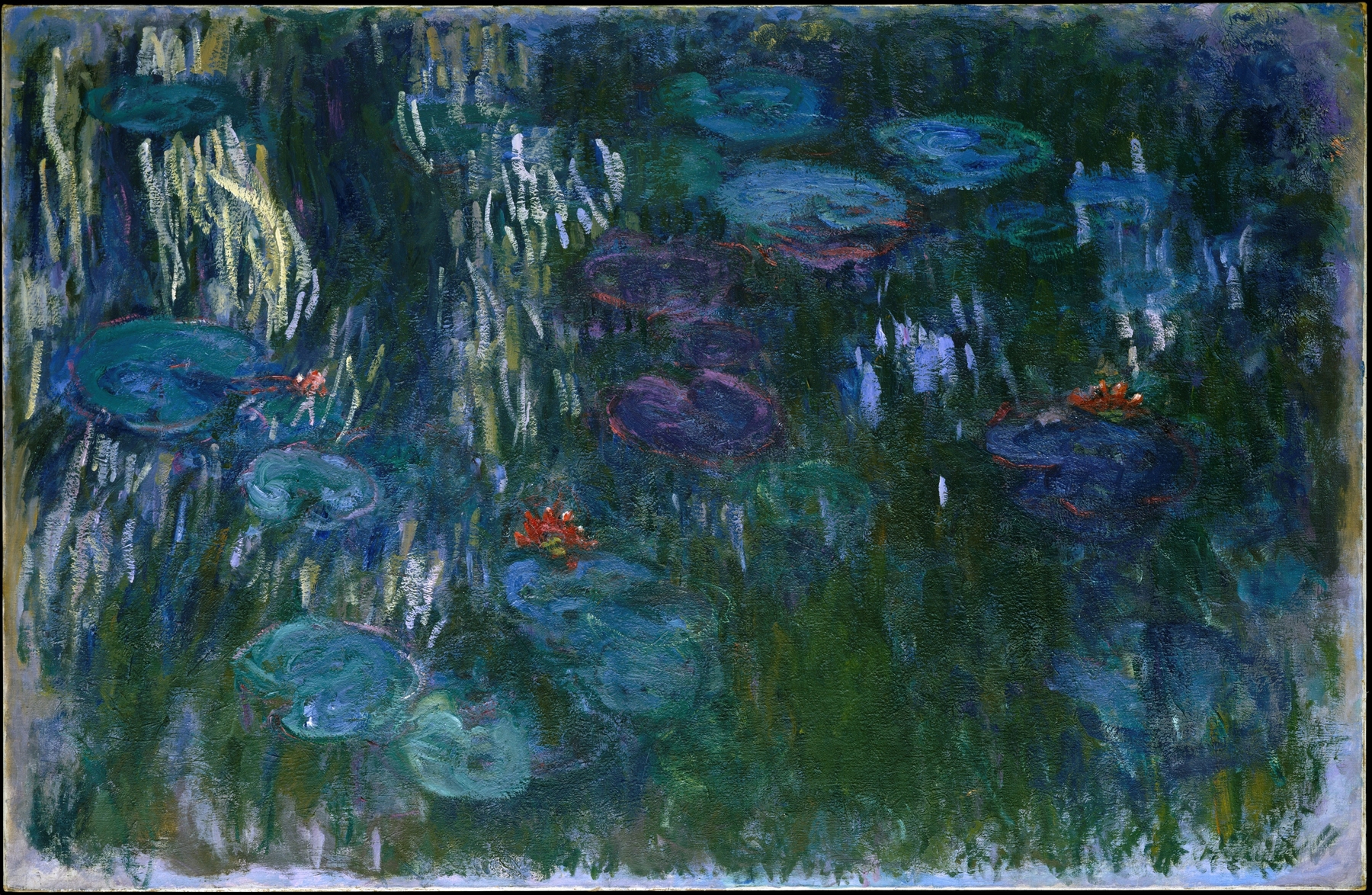
Water Lilies
Claude Monet
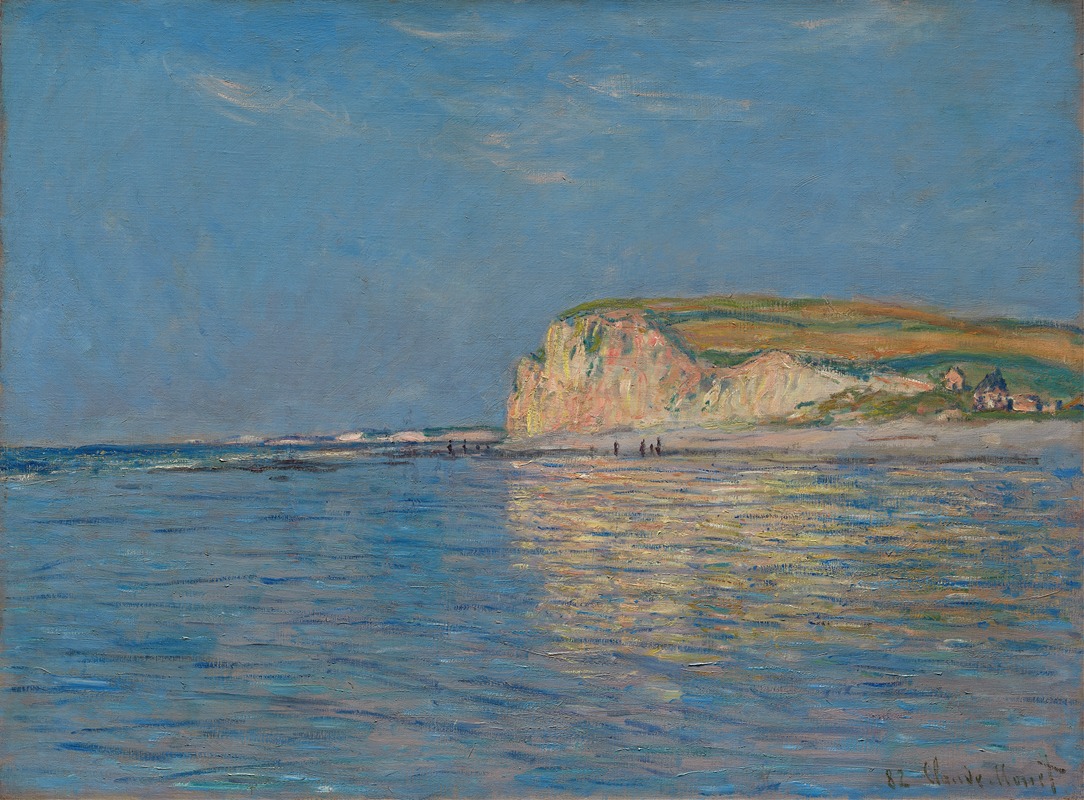
Low Tide at Pourville, near Dieppe
Claude Monet
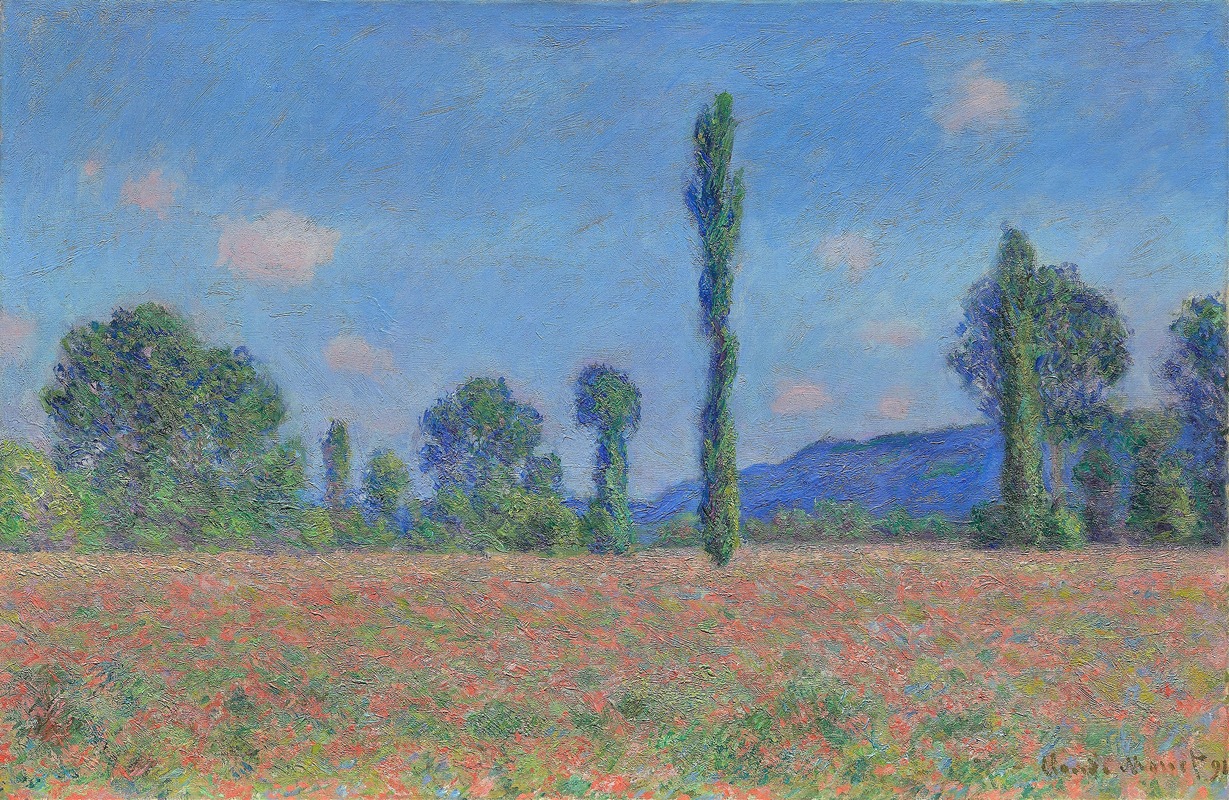
Poppy Field (Giverny)
Claude Monet
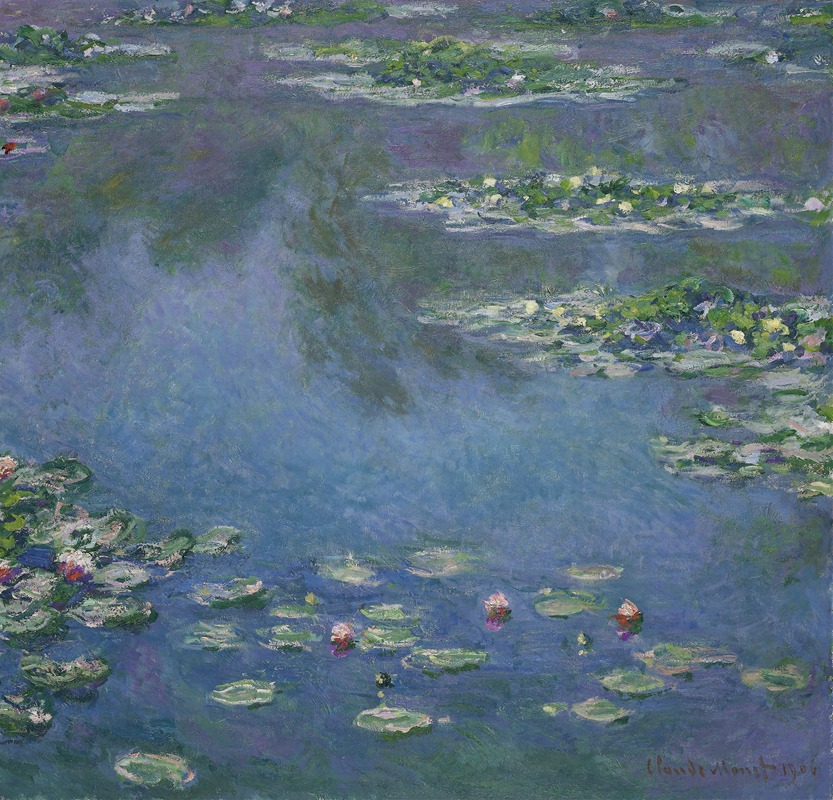
Water Lilies
Claude Monet
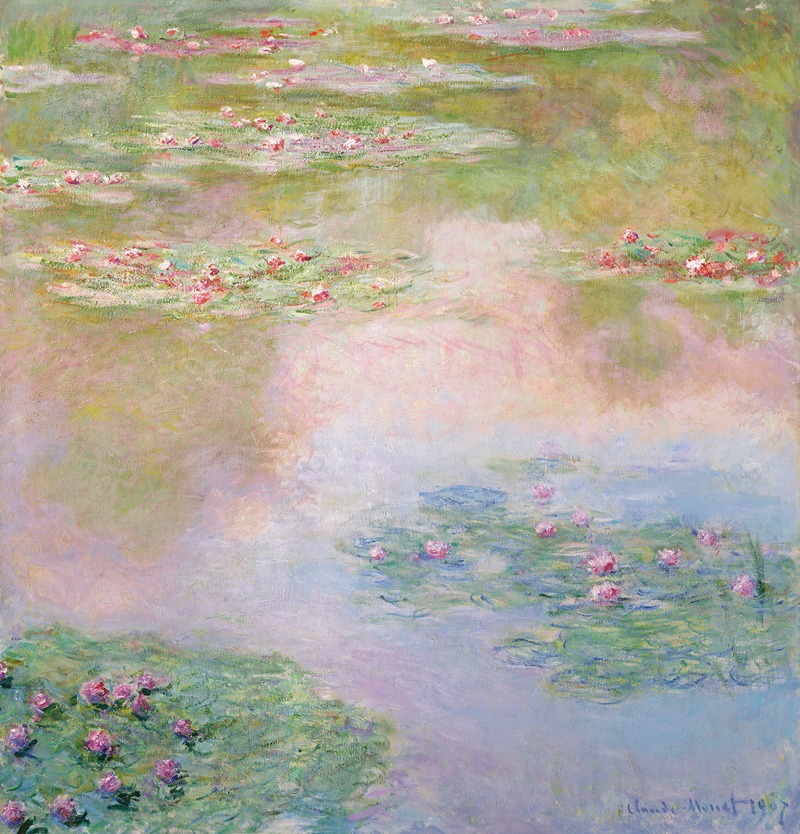
Nymphéas
Claude Monet
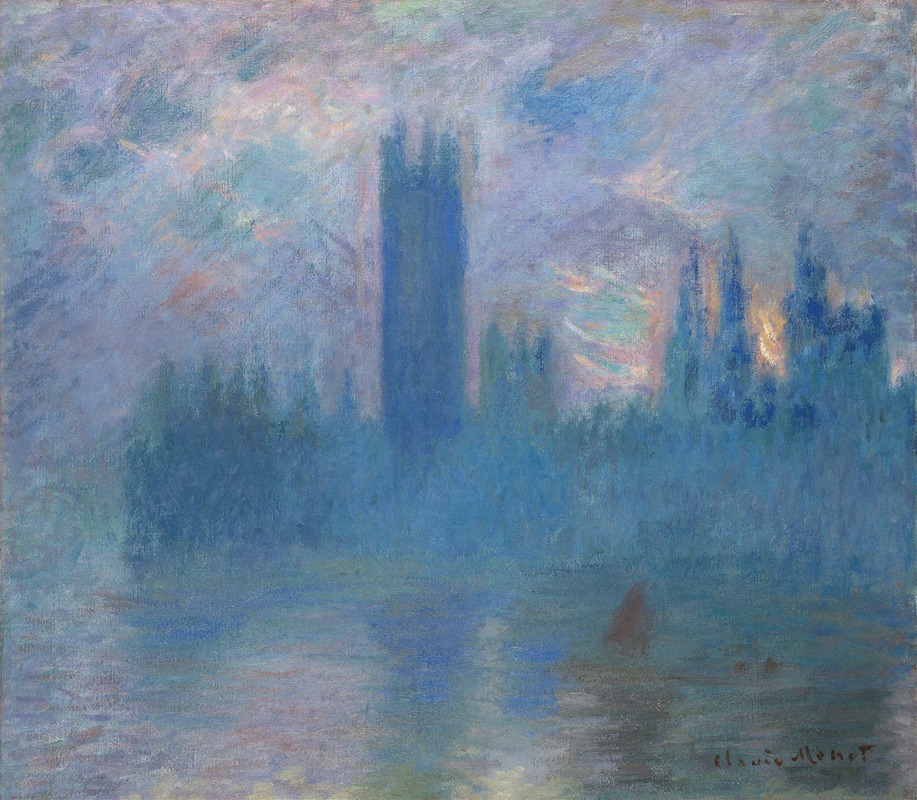
Houses of Parliament, London
Claude Monet
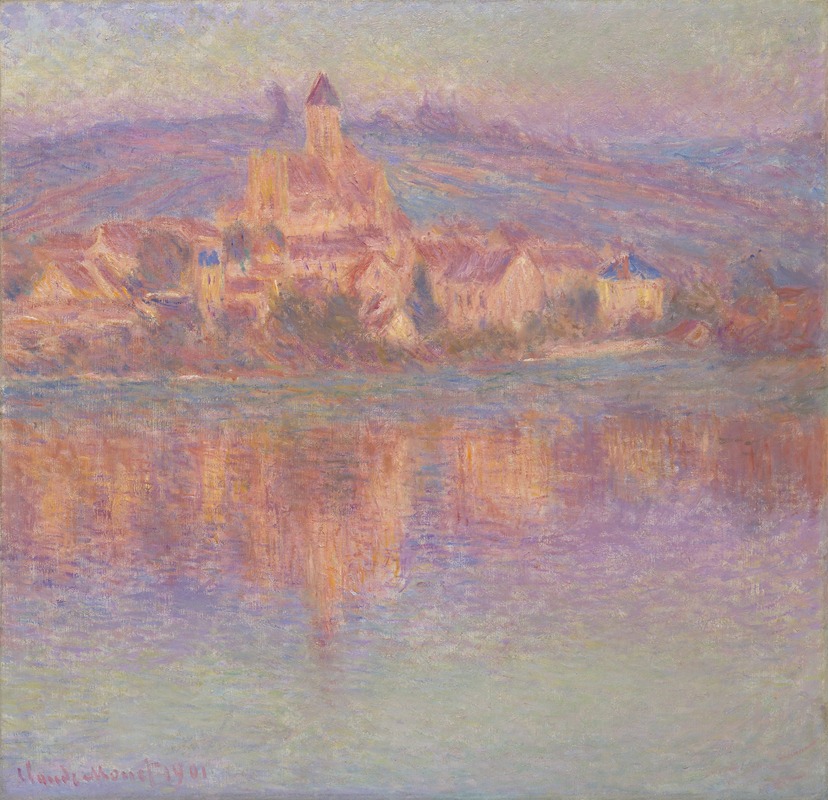
Vétheuil
Claude Monet
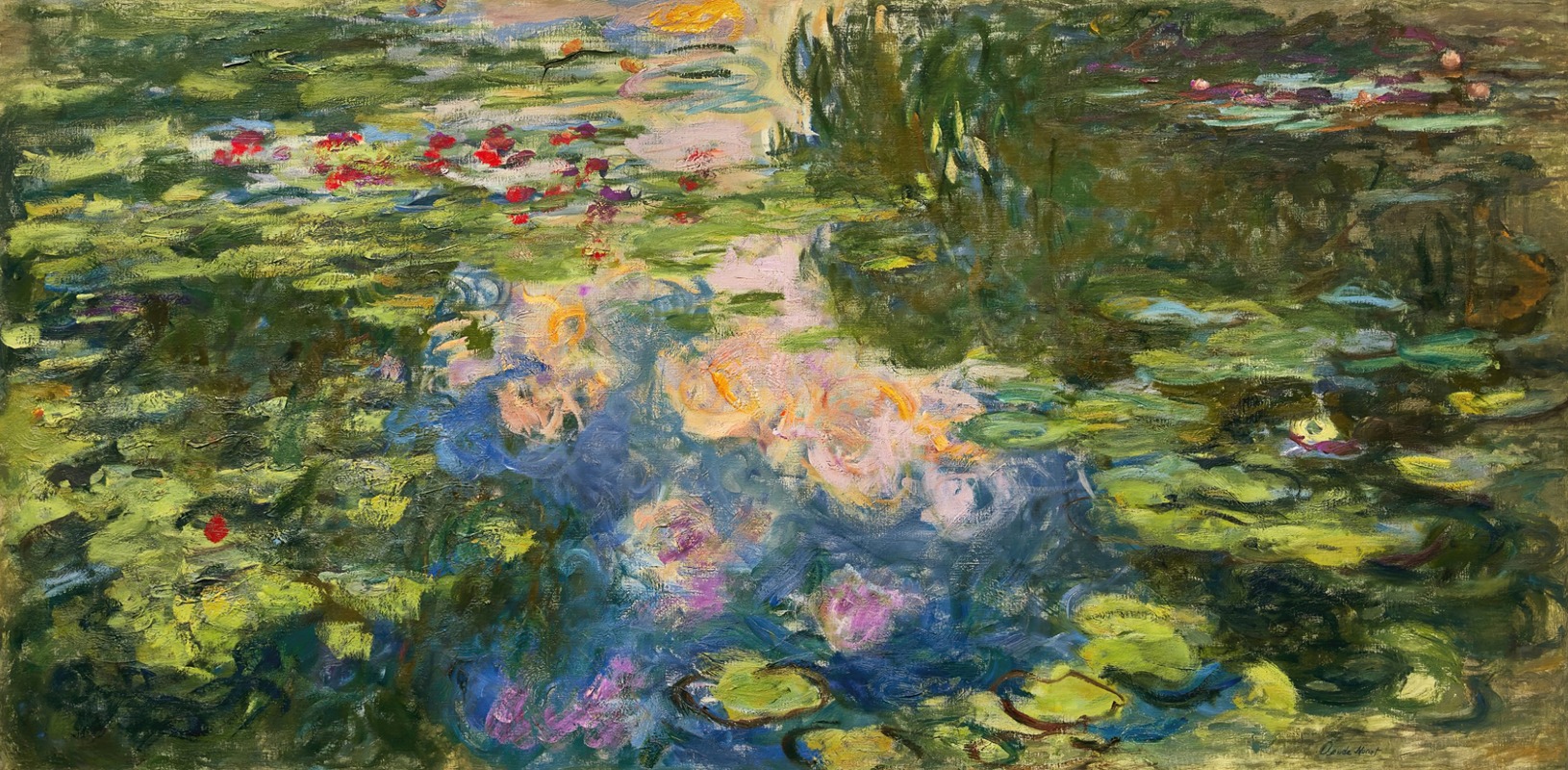
Le Bassin aux nymphéas
Claude Monet
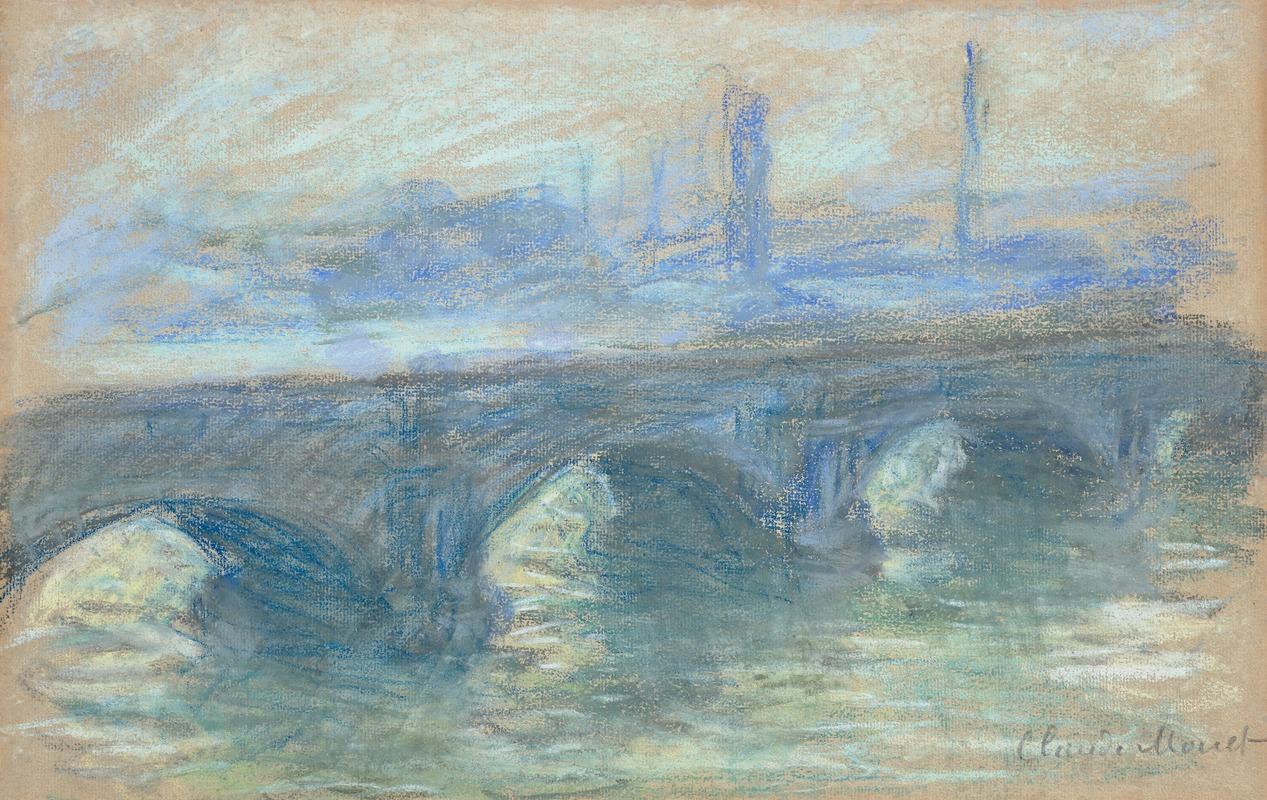
Waterloo Bridge
Claude Monet

Printemps à Giverny, effet d’après-midi
Claude Monet
More Landscape Art
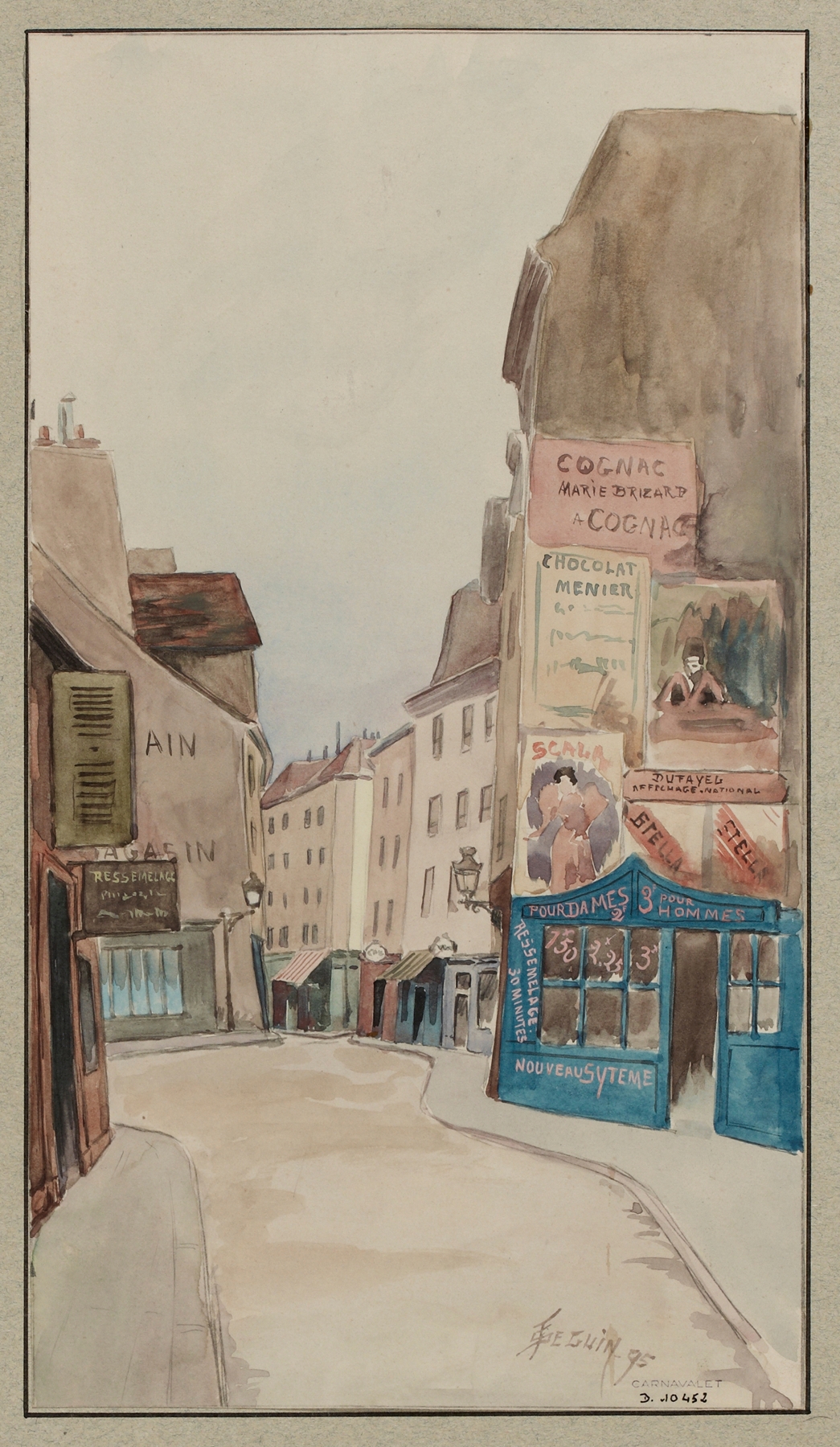
Rue Descartes
F. Séguin
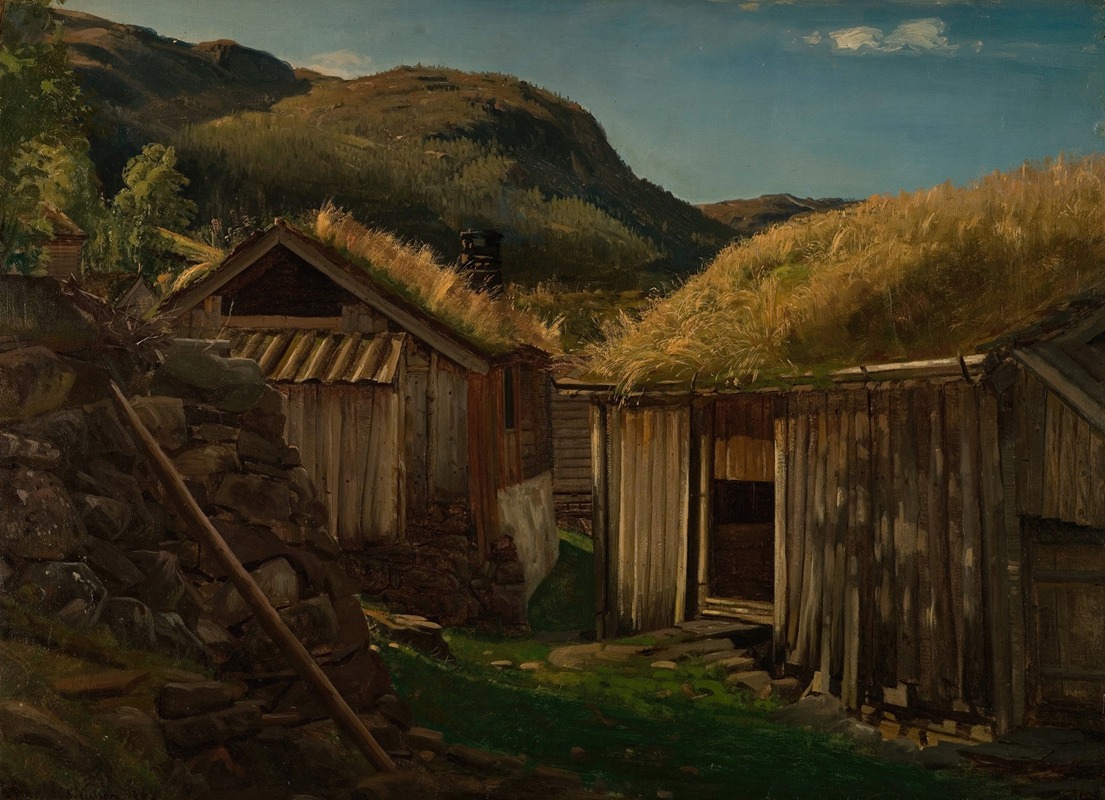
Aarhus, Suldal, Ryfylke
Amaldus Nielsen
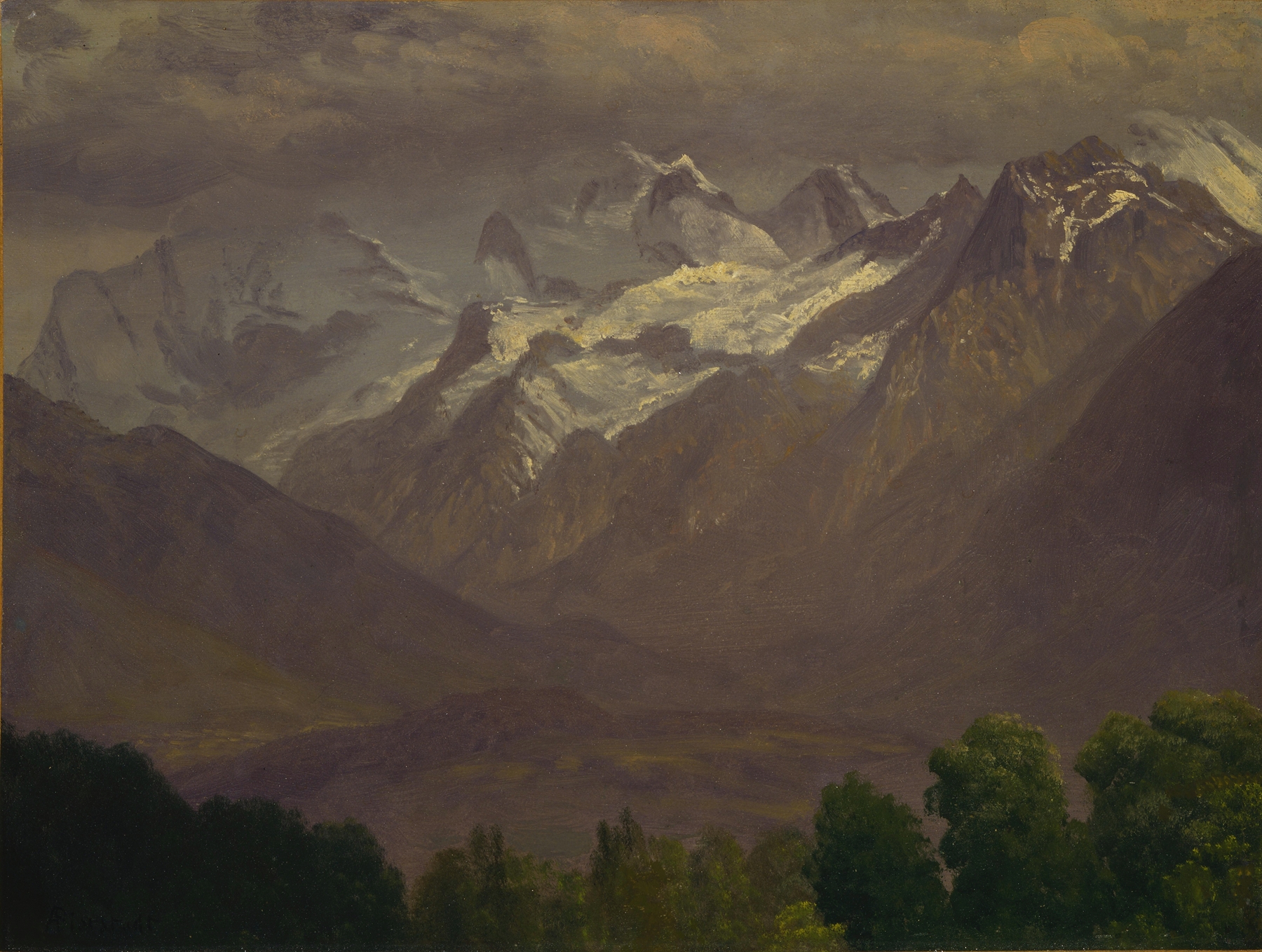
In the High Mountains
Albert Bierstadt
The Hague A Wooded River Landscape With Figures On A Path On A River Bank Beside A Village, A Bridge Beyond
Esaias van de Velde
Aarhus, Suldal, Ryfylke
Amaldus Nielsen
Montagne Sainte-Victoire,from near Gardanne
Paul Cezanne