
On the Mosell, Near Traben Trarbach — History & Facts
Where does light end, and longing begin? In Joseph Mallord William Turner’s On the Mosell, Near Traben Trarbach, the viewer is drawn into a world delicately poised between the vibrancy of life and the inevitability of decay. The juxtaposition of luminous skies against muted earth tones evokes a bittersweet sense of nostalgia, inviting contemplation of nature's fleeting beauty. Focus your gaze on the horizon, where the sun casts a warm, golden hue upon the river. Notice how this light reflects on the water's surface, creating a shimmering pathway that guides the eye through the composition.
The gentle undulations of the hills frame the scene, while the wispy clouds mirror the contours of the landscape, softening the harshness of existence. Turner’s masterful brushwork, infused with layers of translucent color, breathes life into the serene yet melancholic atmosphere of this idyllic riverbank. Delve deeper into the details: the solitary figure on the left, perhaps a wanderer, stands in quiet reflection, symbolizing the solitude that often accompanies moments of beauty. The crumbling ruins in the distance hint at a history long forgotten, echoing the transience of life itself.
This tension between the ephemeral light and the shadow of decay enhances the emotional gravity of the scene, inviting an exploration of our own mortality and the stories etched into the landscape. Turner painted this piece in 1841 during a significant period in his career, as he began to embrace a more expressive style that pushed the boundaries of traditional landscape painting. The industrial revolution was reshaping Europe, and his works began to reflect a deepening awareness of nature’s fragility amidst human progress. This painting captures a moment of serene reflection, a poignant reminder of the beauty that exists even as time wears on.
More Artworks by Joseph Mallord William Turner
Browse all →
Dort or Dordrecht- The Dort Packet-Boat from Rotterdam Becalmed
Joseph Mallord William Turner
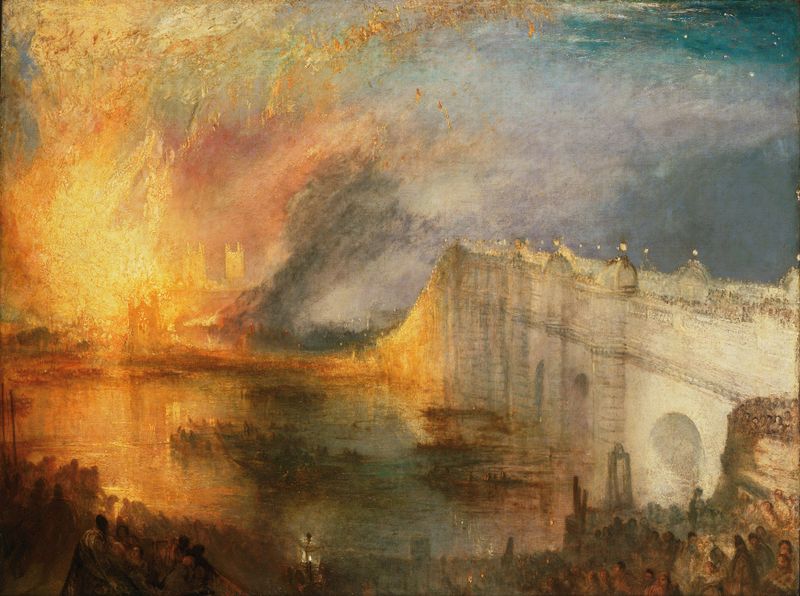
The Burning of the Houses of Lords and Commons, October 16, 1834
Joseph Mallord William Turner
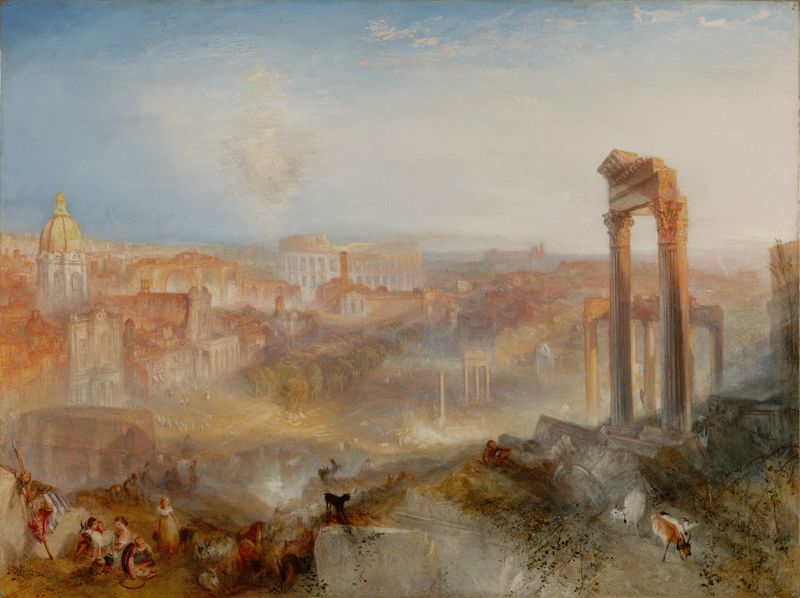
Modern Rome – Campo Vaccino
Joseph Mallord William Turner
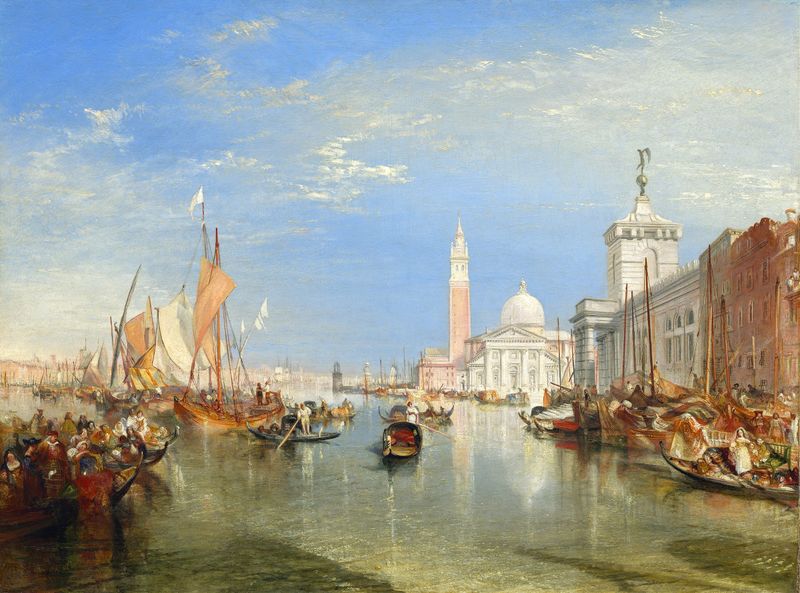
Venice – The Dogana and San Giorgio Maggiore
Joseph Mallord William Turner

The Burning of the Houses of Lords and Commons, 16 October 1834
Joseph Mallord William Turner
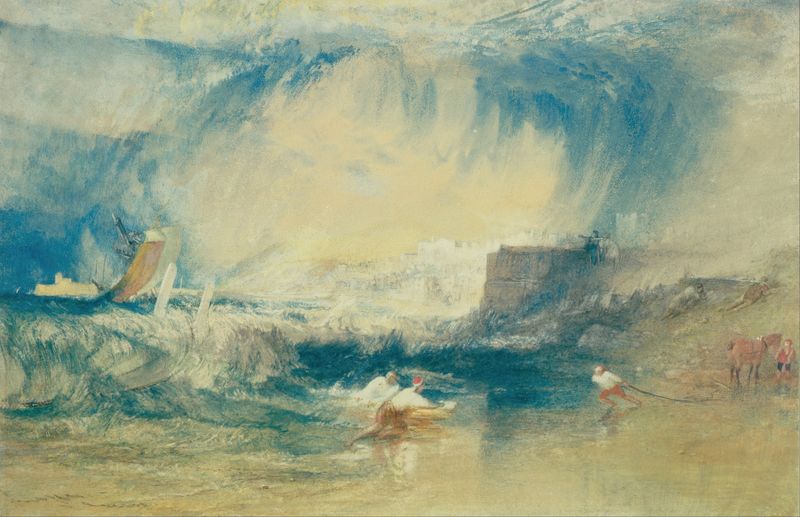
Lyme Regis, Dorsetshire, England
Joseph Mallord William Turner
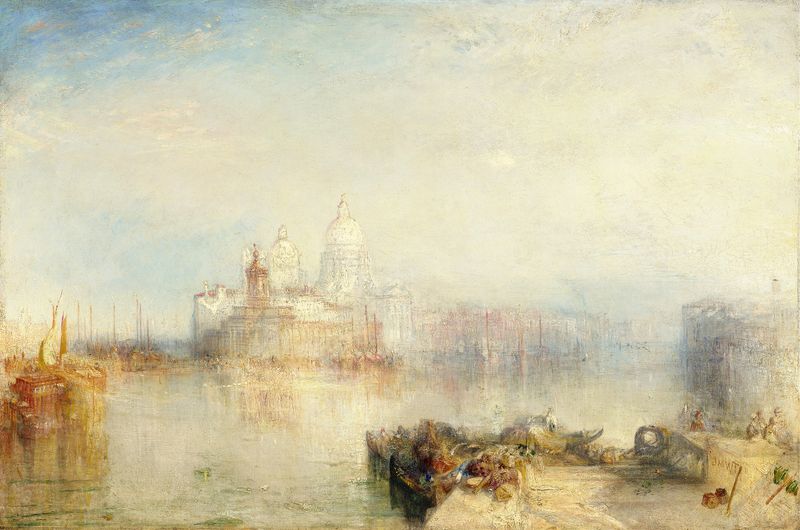
The Dogana and Santa Maria della Salute, Venice
Joseph Mallord William Turner
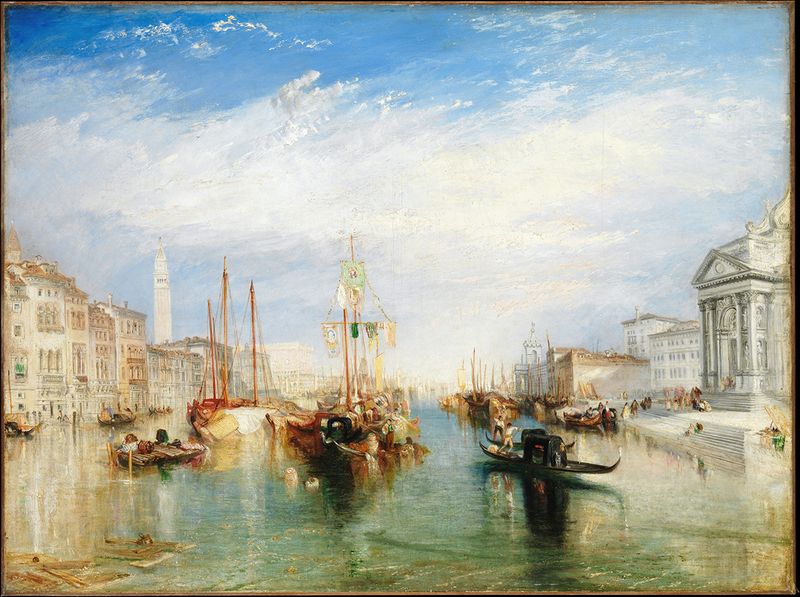
Venice, from the Porch of Madonna della Salute
Joseph Mallord William Turner
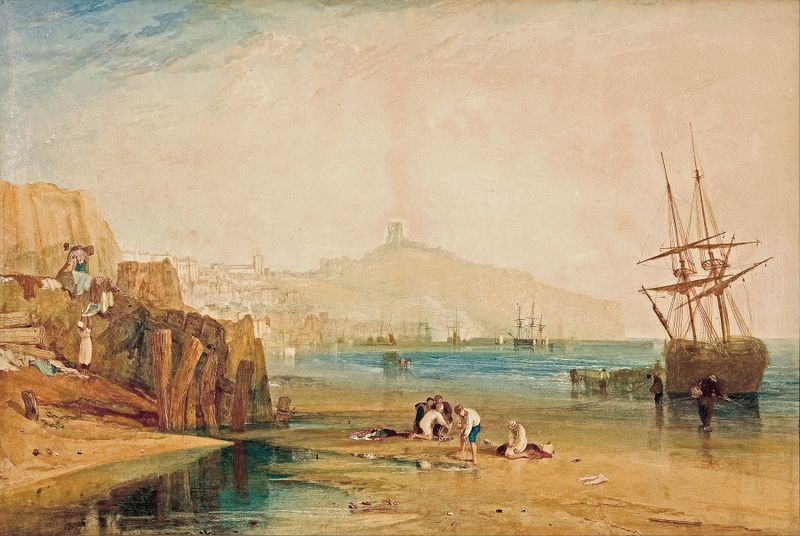
Scarborough town and castle; morning; boys catching crabs
Joseph Mallord William Turner
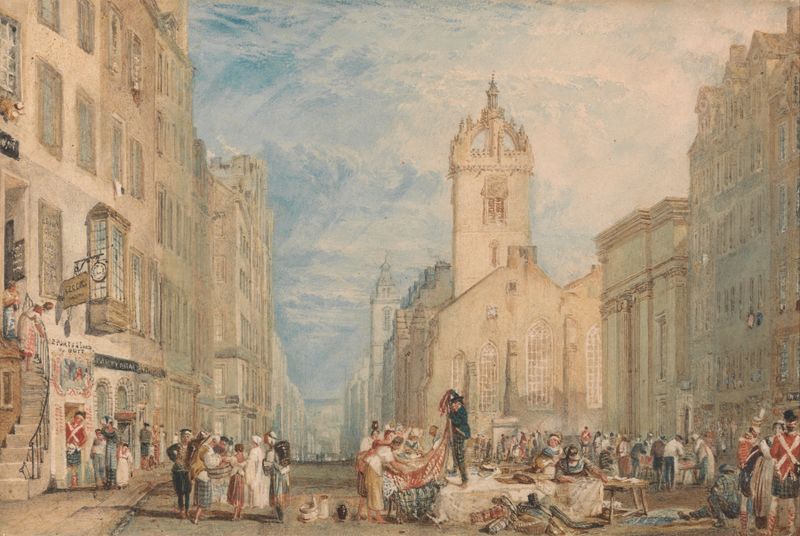
High Street, Edinburgh
Joseph Mallord William Turner





