
On the Seine — History & Facts
In a world bustling with noise, the quietude captured on canvas speaks volumes about the fluidity of life and the gentle movement of the Seine. Look to the shimmering waters that dominate the foreground, the brush strokes fluid and rhythmic, evoking the river’s ceaseless flow. The scene is framed by trees on the banks, their leafy branches swaying just enough to suggest a breeze that dances through the air. The delicate palette of blues and greens, punctuated with dashes of warm sunlight, creates a harmonious balance, drawing the viewer’s eye toward the boats gliding effortlessly along the river’s surface. Amidst the serene landscape, we sense the contrasts of stillness and activity: the tranquil water juxtaposed with the lively figures aboard the vessels.
Each character—whether solitary or in companionship—holds an unspoken story, their gestures hinting at fleeting moments of joy, contemplation, or reminiscence. The ethereal glow that bathes the scene brings to light the ephemeral nature of movement; each ripple reflects the passage of time, inviting us to ponder our own journeys and connections. In 1831, Thomas Shotter Boys painted this evocative scene during a period of revival in British landscape painting, embracing the Romantic ideals of nature. Living in London, Boys found inspiration in the picturesque views of the Seine, which were emblematic of both tranquility and the human experience.
This work captures a moment in an artist's evolution, as he sought to harmonize the natural world with the activities of life, reflecting a growing appreciation for picturesque landscapes in art.
More Artworks by Thomas Shotter Boys
Browse all →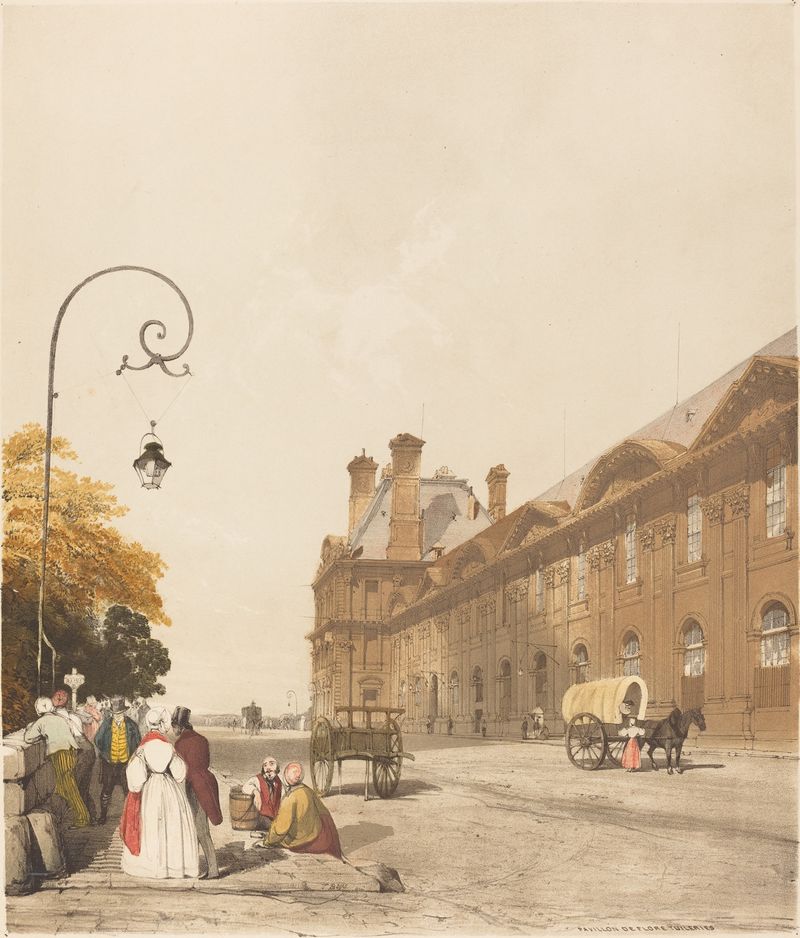
Pavillon de Flore, Tuileries
Thomas Shotter Boys
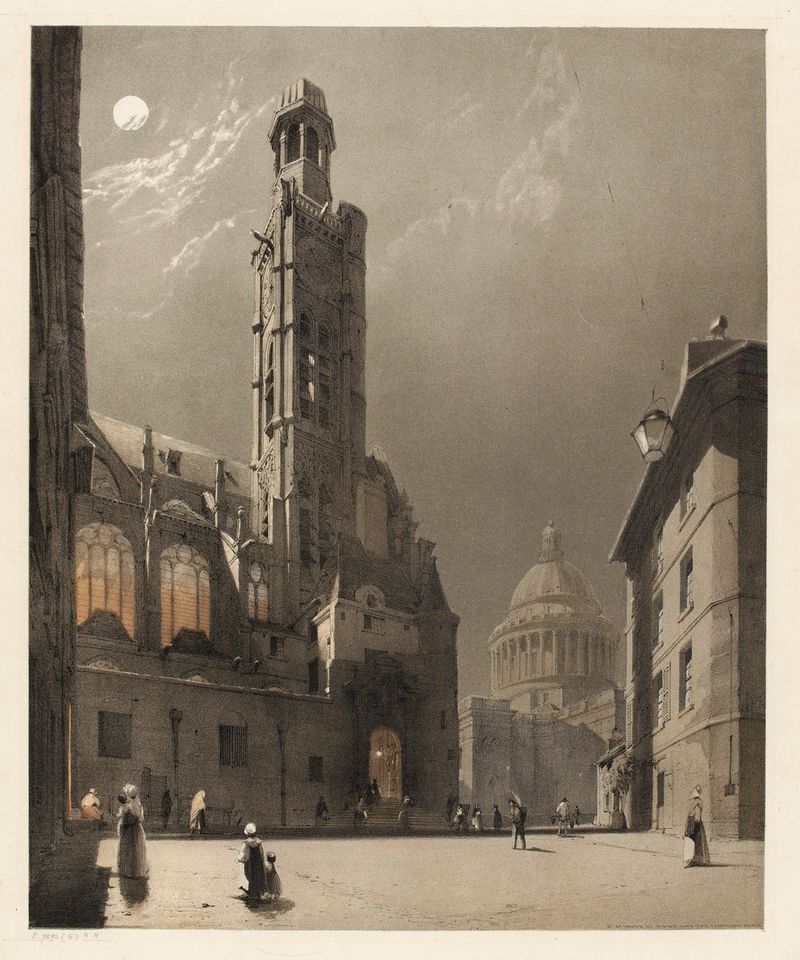
St Etienne du Mont and the Panthéon, Paris
Thomas Shotter Boys
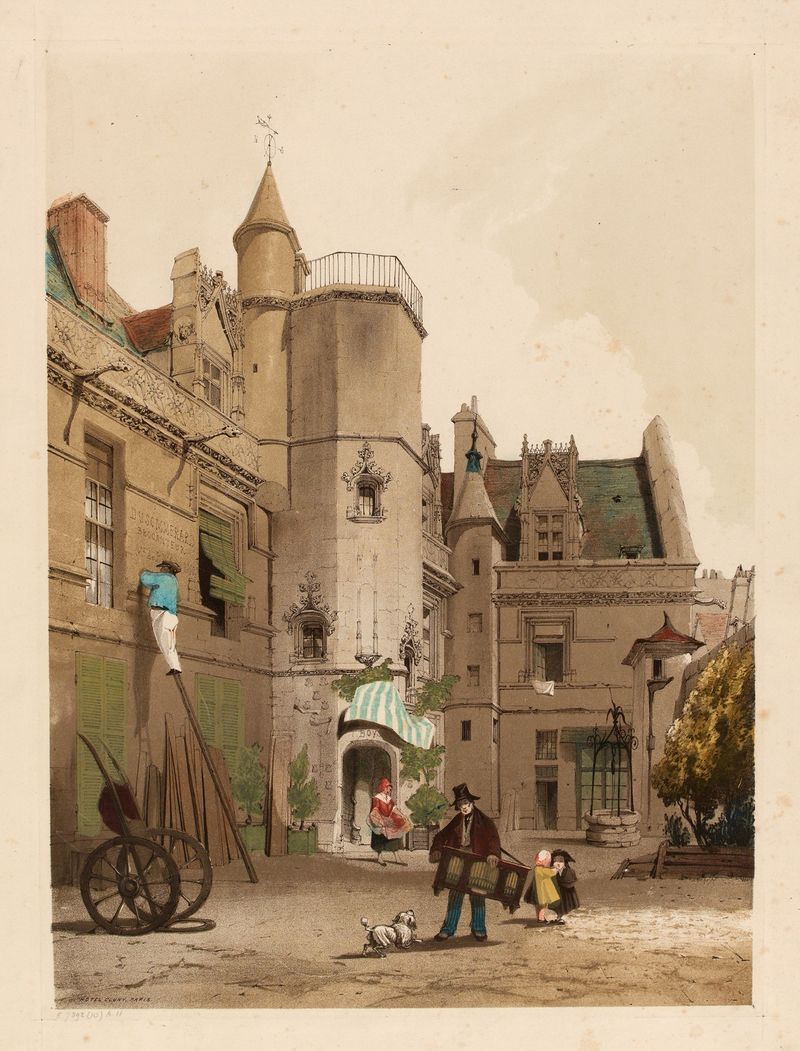
Hôtel Cluny, Paris.
Thomas Shotter Boys
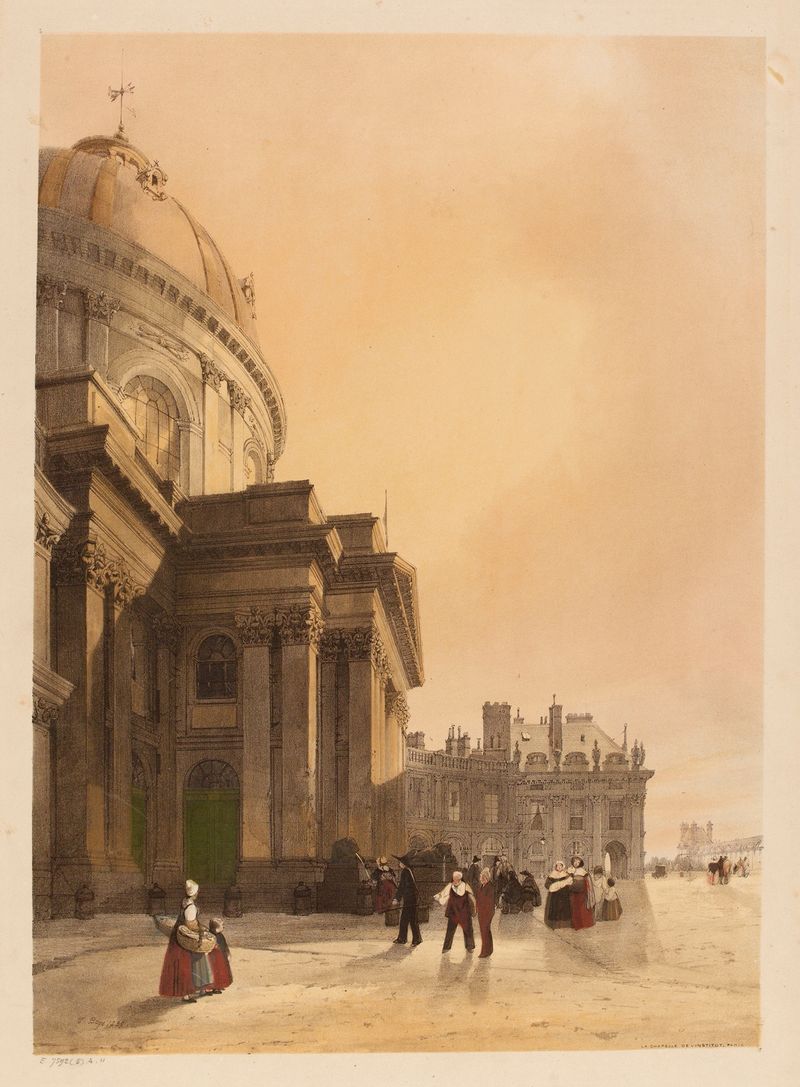
La chapelle de l’Institut, Paris
Thomas Shotter Boys
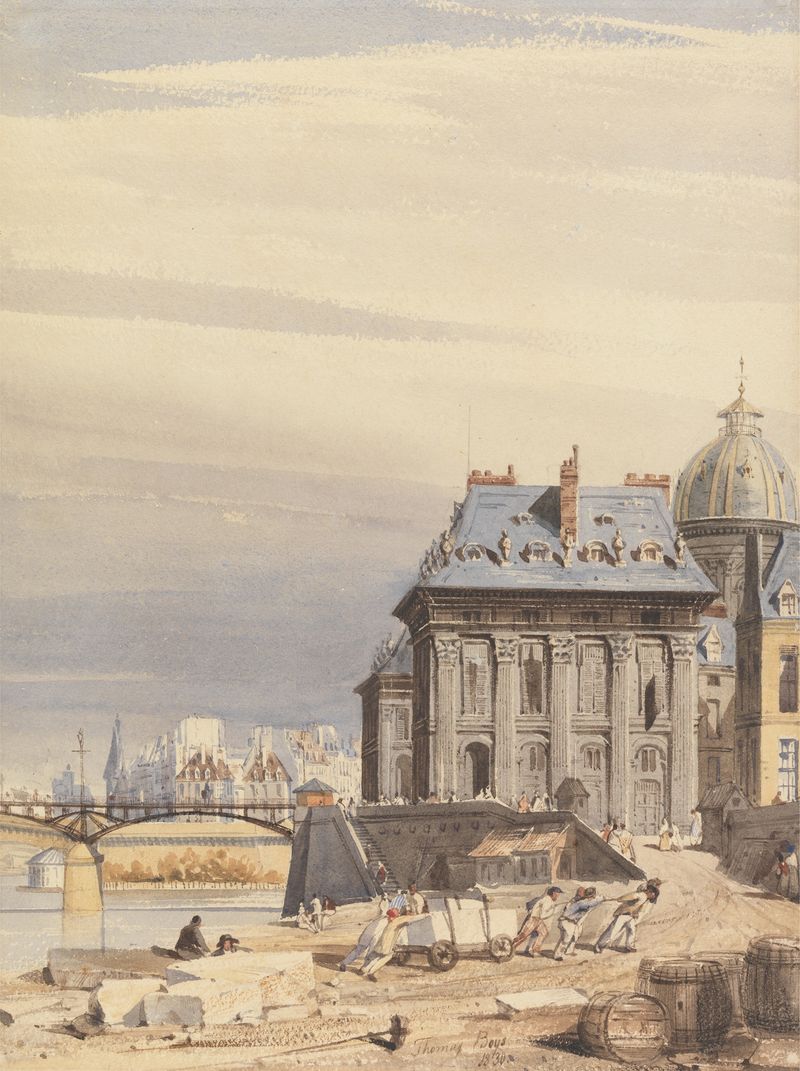
L’Institut de France, Paris
Thomas Shotter Boys
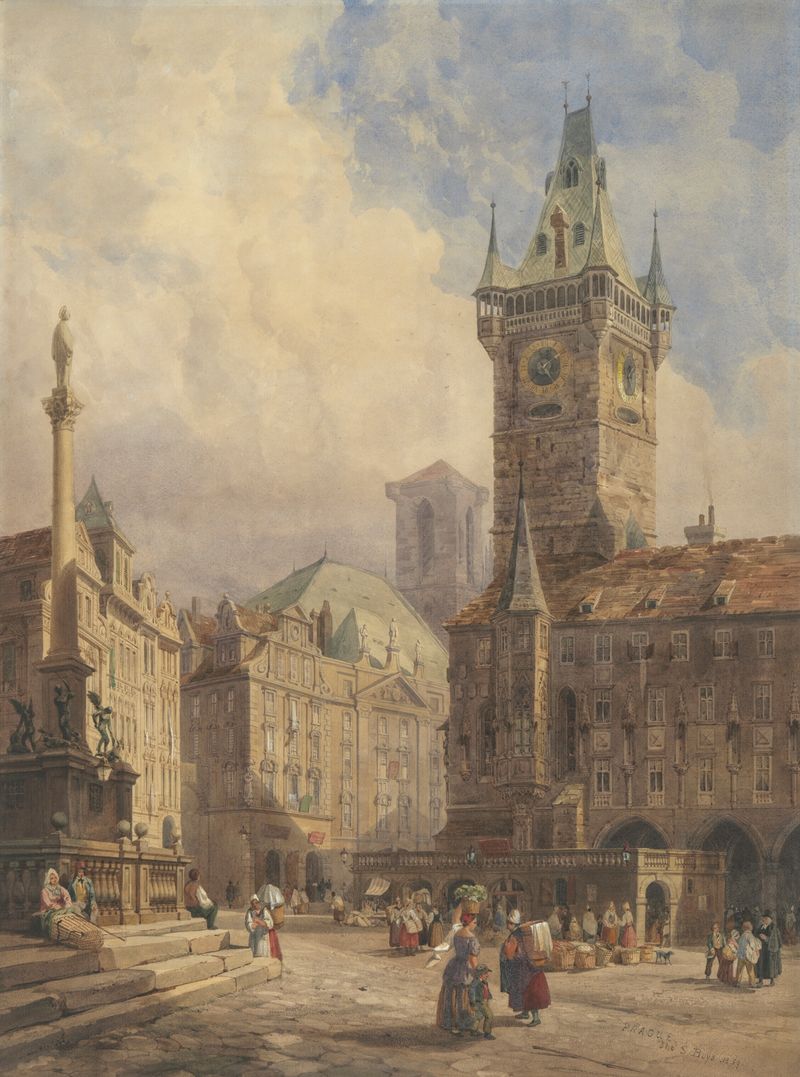
Rathaus from Old Town Square, Prague
Thomas Shotter Boys
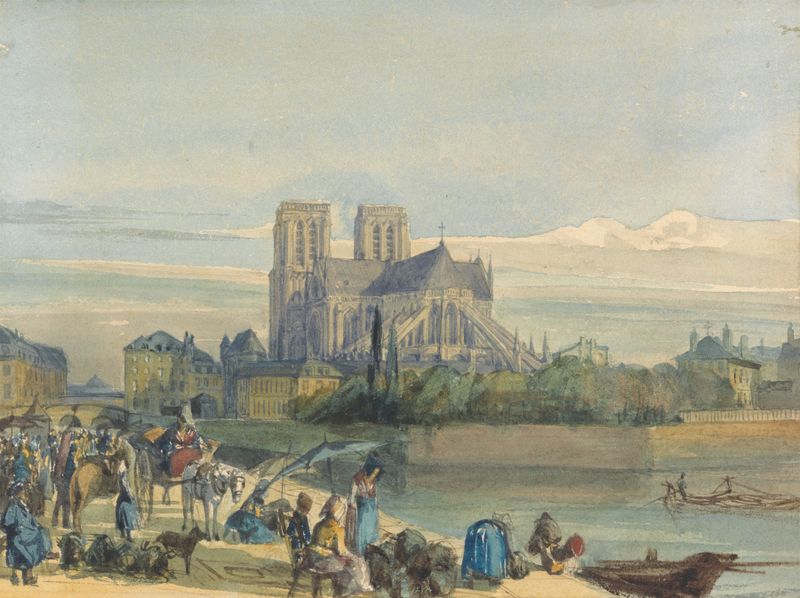
Notre Dame, Paris
Thomas Shotter Boys
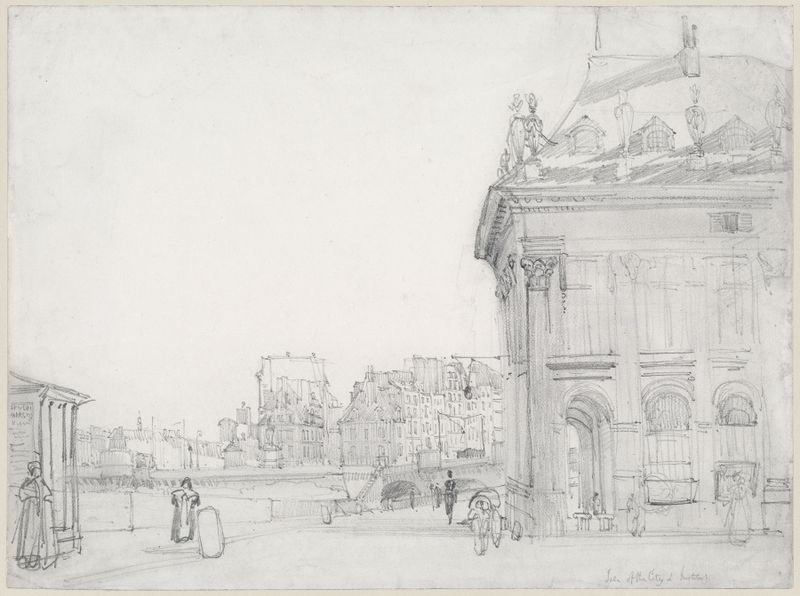
Ile de la Cité from the Institut, Paris
Thomas Shotter Boys
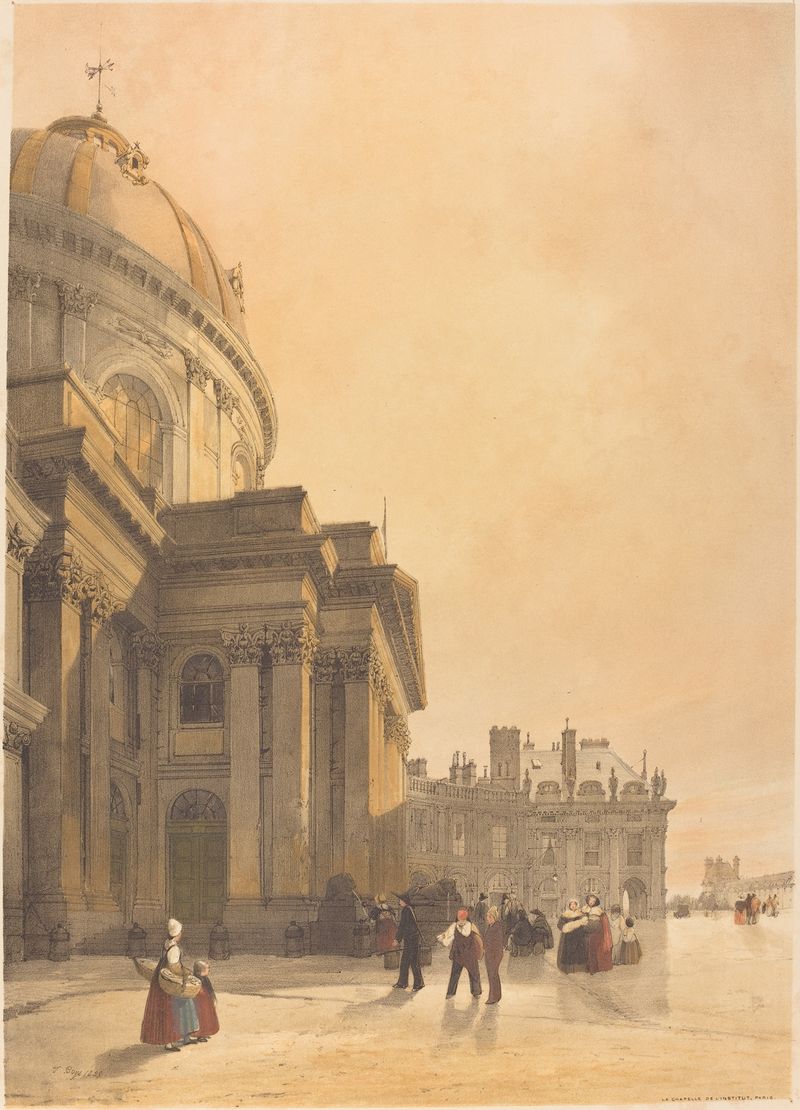
La Chapelle de l’Institut, Paris
Thomas Shotter Boys
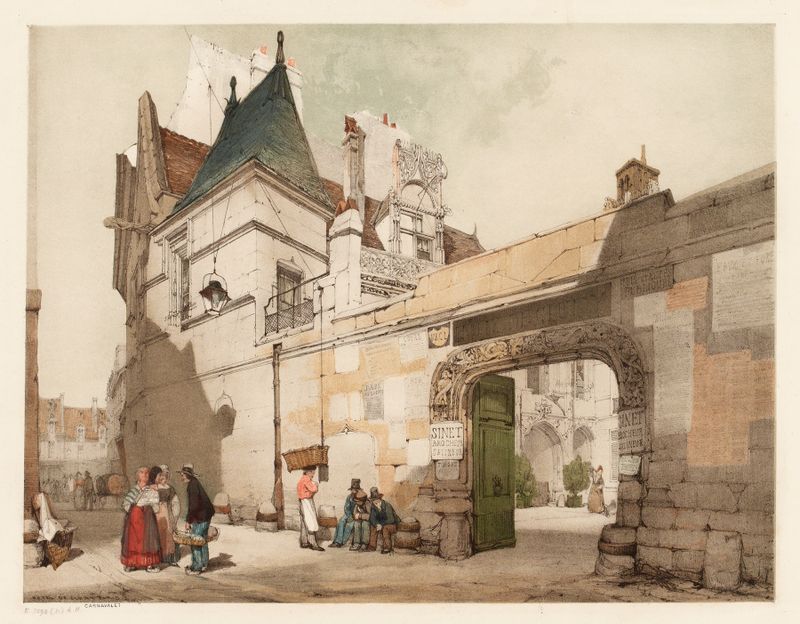
Hôtel de Cluny, Paris
Thomas Shotter Boys





