
On the ship “Odessa” Fliegende Hollender. From the journey to Palestine — History & Facts
Who listens when art speaks of silence? In the hushed moments of our journey, we often find the greatest awakenings awaiting us. Look closely at the soft, muted colors that envelop the canvas. The viewer's eye is drawn first to the ship, the "Odessa," its sails gently catching a whisper of breeze against a backdrop of turbulent clouds. Notice how the light dances fleetingly across the water, reflecting both the sails and a subtle tension in the composition.
The artist's brushwork captures the physicality of the ship while simultaneously evoking a sense of yearning for the land ahead, positioning the vessel as a bridge between two worlds. Delving deeper, one can perceive the contrasts woven into this maritime narrative. The ship, an emblem of hope, stands resilient against the stormy skies that threaten to engulf it. This duality speaks of the struggles inherent in migration and the pursuit of a new beginning.
The meticulous detailing on the ship's hull hints at craftsmanship and human endeavor, while the ominous clouds above serve as a stark reminder of nature's unpredictability and the perils of the journey. In 1901, Jan Ciągliński painted this piece during a time when Eastern European Jews were increasingly seeking refuge and opportunity abroad, particularly in Palestine. Living in a period marked by both artistic innovation and societal upheaval, he sought to capture the essence of this transformative journey, reflecting not only the specifics of the ship but also the broader narrative of hope that resonates through the ages.
More Artworks by Jan Ciągliński
Browse all →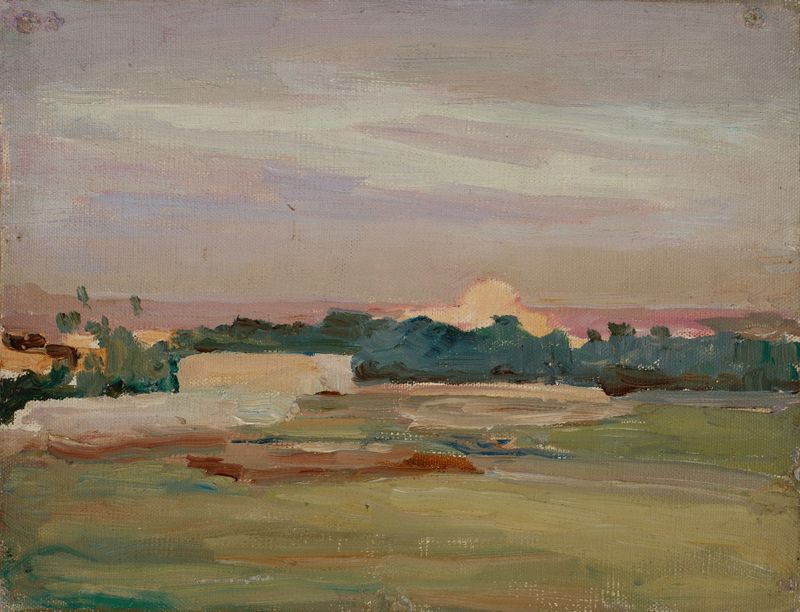
The Sirocco
Jan Ciągliński
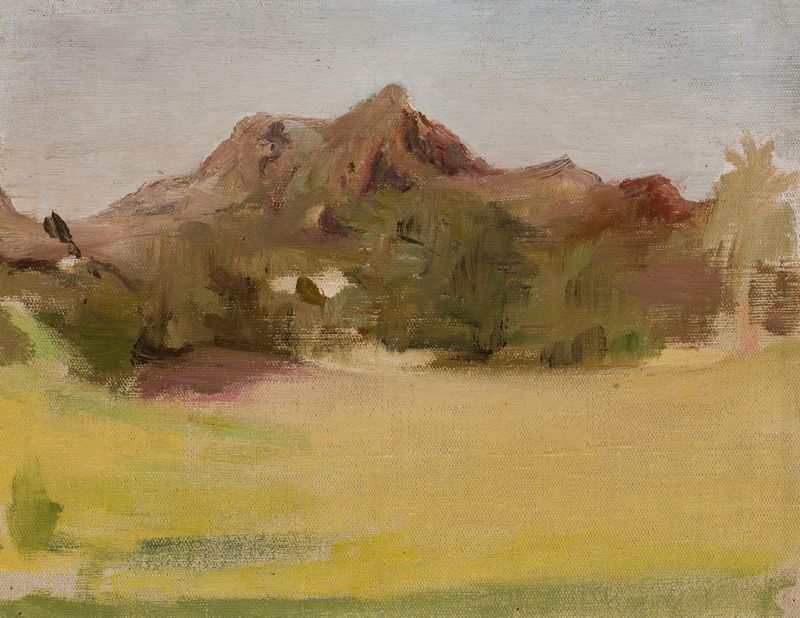
Mountain landscape. From the journey to India
Jan Ciągliński
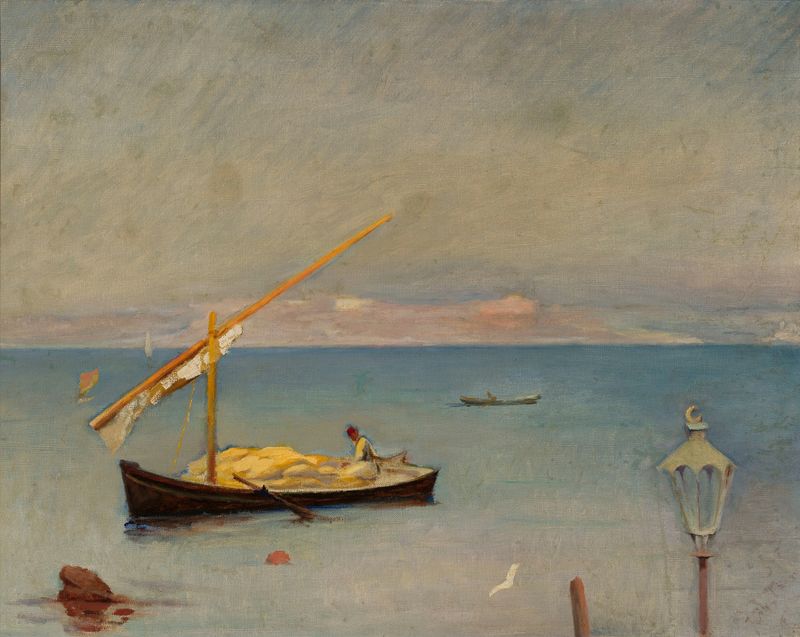
At Bosporus
Jan Ciągliński
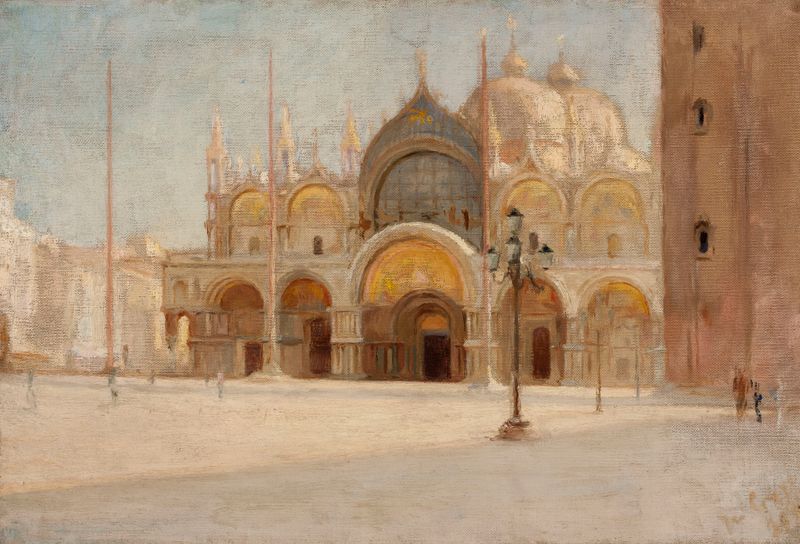
St Mark’s Square in Venice
Jan Ciągliński
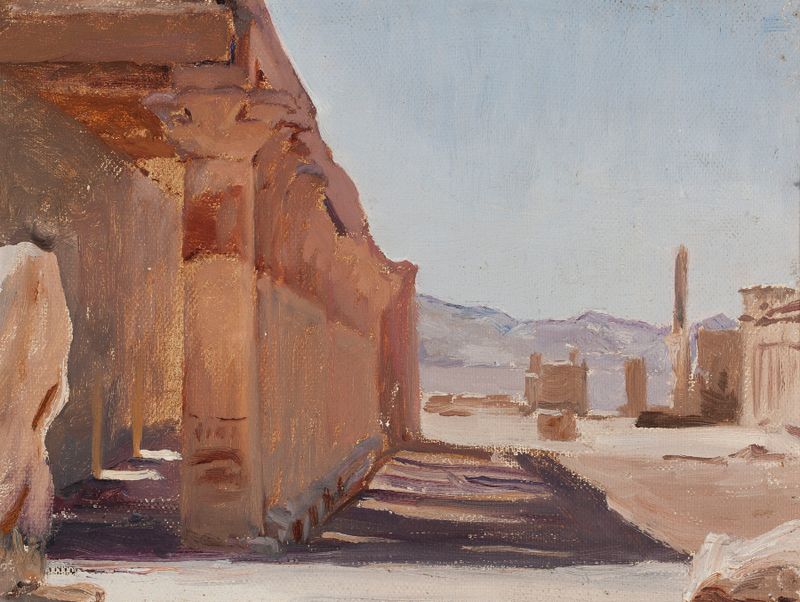
Temple. From the journey to Egypt
Jan Ciągliński
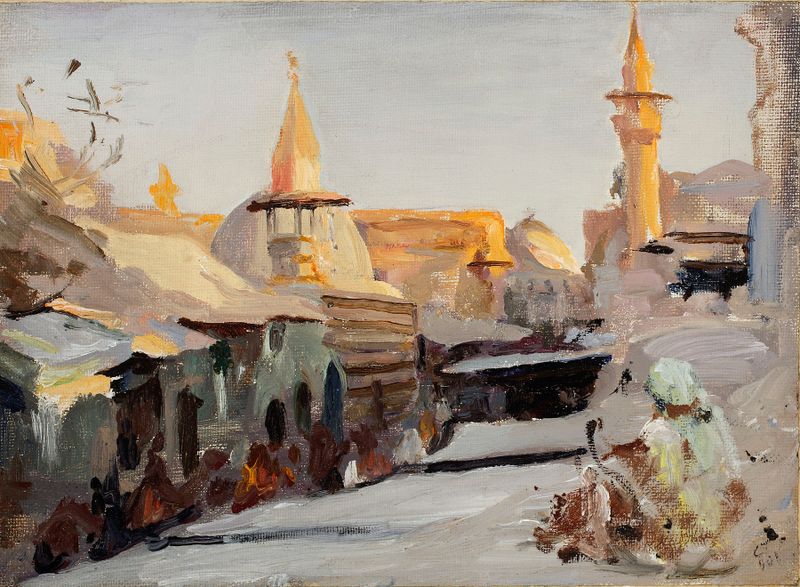
Street in Damascus. From the journey to Palestine
Jan Ciągliński
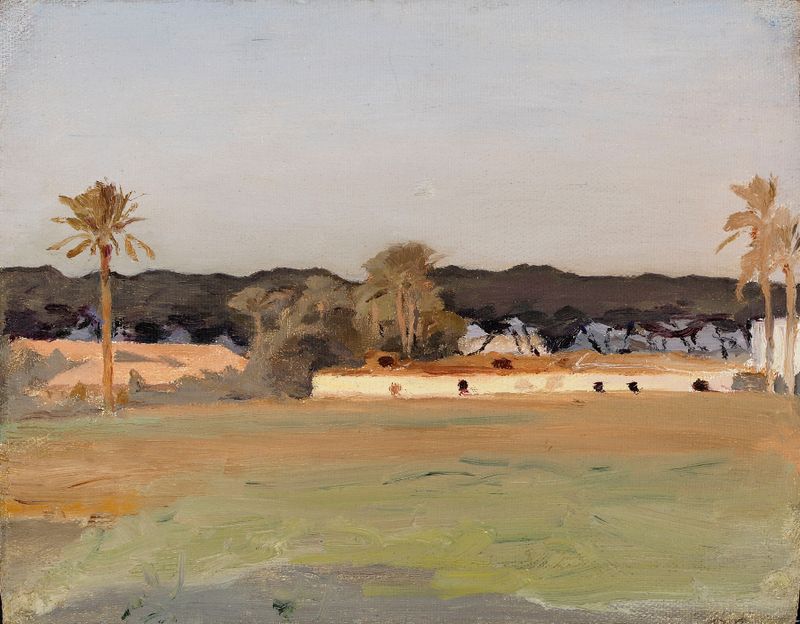
Evening. From the journey to Egypt
Jan Ciągliński
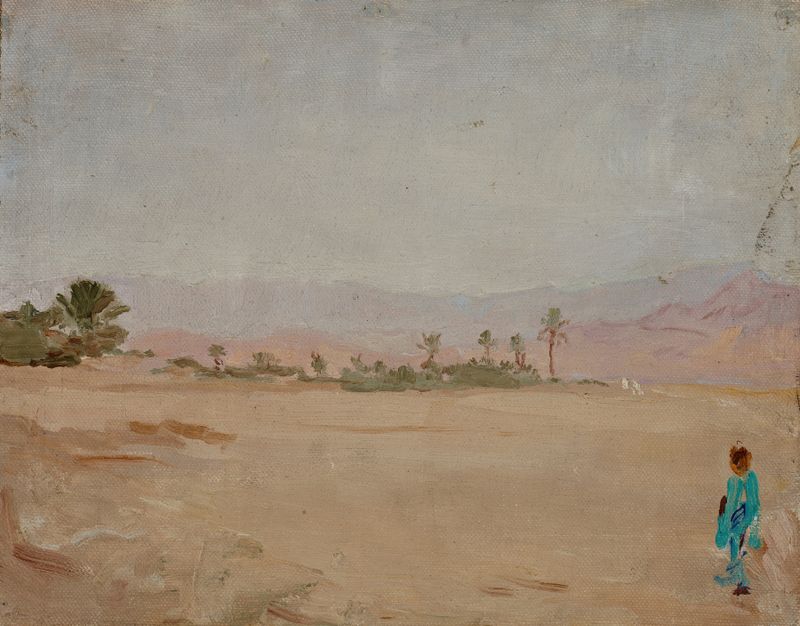
Sahara (Desert)
Jan Ciągliński
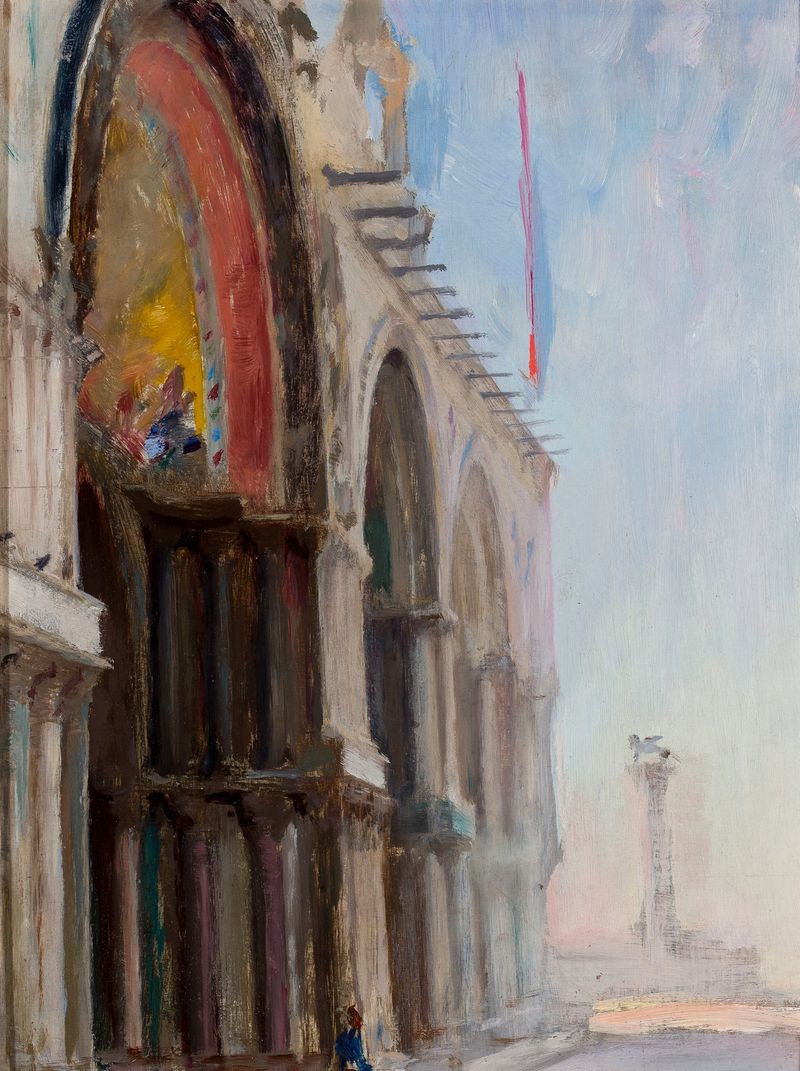
Venice – San Marco. From the journey to Italy
Jan Ciągliński
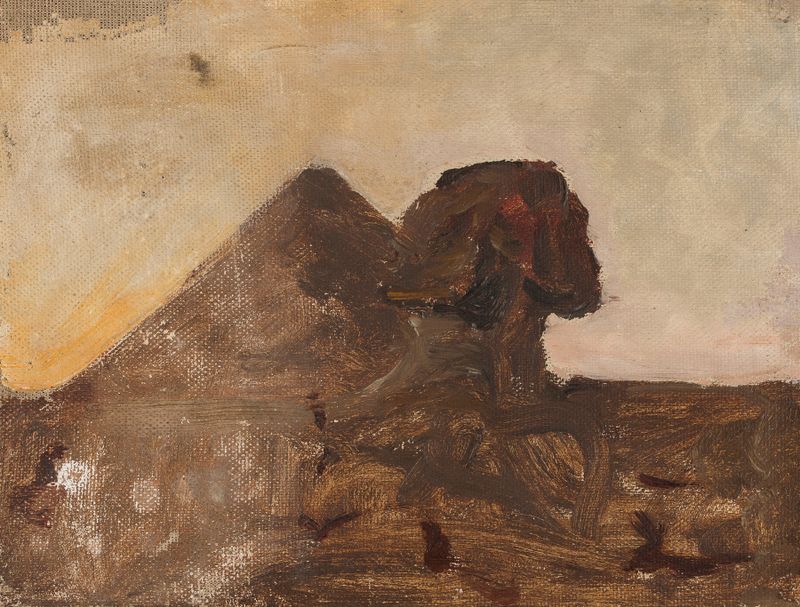
Evening in the desert – Sphinx and pyramid. From the journey to Egypt
Jan Ciągliński





