Onderstok van een paraplu of parasol van zwart geverfd hout met een ronde haak, waarin een bladmotief is gekerfd — History & Facts
In the stillness of a moment, we confront the divine hidden in the mundane, where the simplest objects invite contemplation and reverence. Look closely at the delicate carving of the leaf motif, anchoring your gaze on the intricate details etched into the black wood. Notice how the smooth surface reflects light, transforming the ordinary into something sacred. The juxtaposition of the robust handle and the delicate design creates tension, drawing attention to both strength and fragility.
The darkness of the wood, combined with the grace of the motif, invites us to explore the layers of meaning beneath its surface. Beneath the surface lies a duality: the umbrella, a protector against the elements, symbolizes safety and comfort, while the carved leaves elicit a sense of nature’s transience. Each crease, each curve whispers stories of shelter and vulnerability, evoking a profound connection between man and the divine. The simplicity of the object prompts us to reflect on our own lives, the silent confessions we carry, and the beauty found in the everyday. During the years between 1920 and 1940, amidst the aftermath of war and the rise of modernism, Gustav Schnitzler found himself in a world grappling with change.
Working in a period marked by a shift in artistic expression, he sought to capture the essence of objects, elevating them beyond their utilitarian purpose. This piece, created in a tumultuous era, reflects both the introspection of the artist’s spirit and a society yearning for solace.
More Artworks by Gustav Schnitzler
Browse all →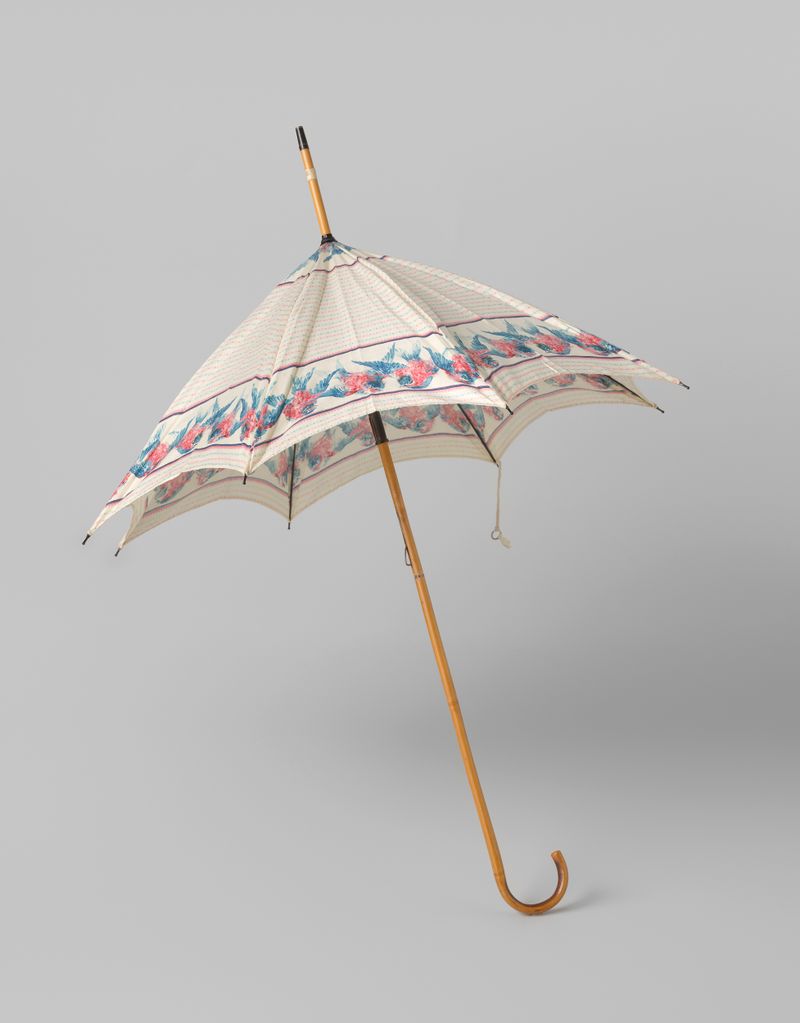
Parasol met dek witte katoen bedrukt met roze en blauwe vogeltjes, op een bamboe stok met gebogen handvat
Gustav Schnitzler
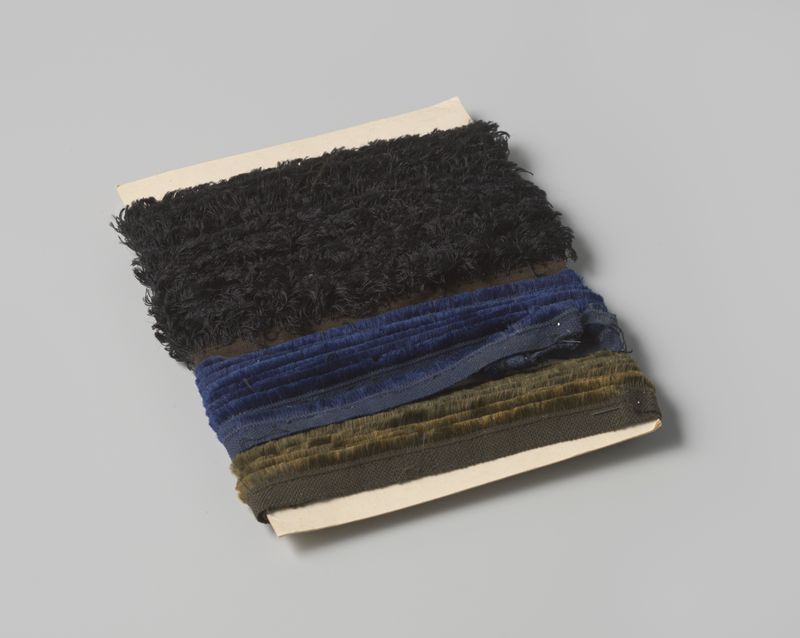
Strook zwarte franje aan bezemband, op karton
Gustav Schnitzler
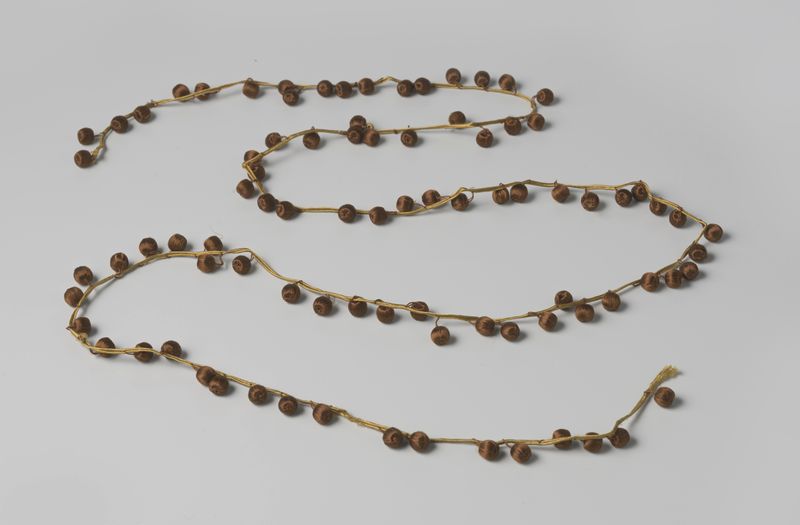
Galon, goudkleurig, waaraan pompons van bruin (zijde)draad hangen
Gustav Schnitzler
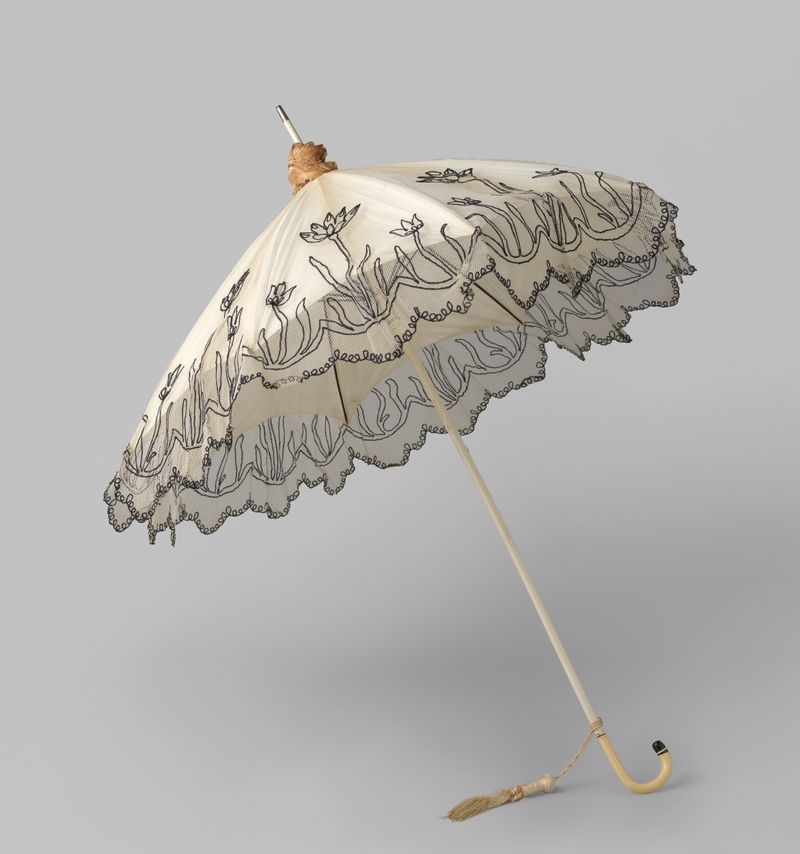
Parasol met dek van witte tule waarop zwart borduurwerk van telkens drie bloemen, op een witgeverfde houten stok, waaraan een gebogen ivoorkleurig handvat
Gustav Schnitzler

Parasol met dek van witte katoen, waartussen een strook van witte kant, op een lichte, houten stok met een ronde haak
Gustav Schnitzler

Strook franje, getand, wit en écru, gewikkeld rond een met gouden randen afgezet plankje
Gustav Schnitzler
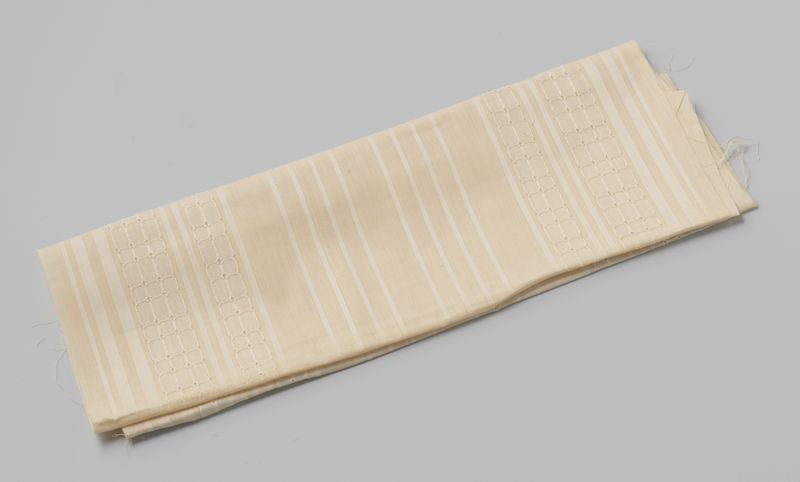
Coupon wit parasolkatoen met beige strepen aan weerszijden
Gustav Schnitzler
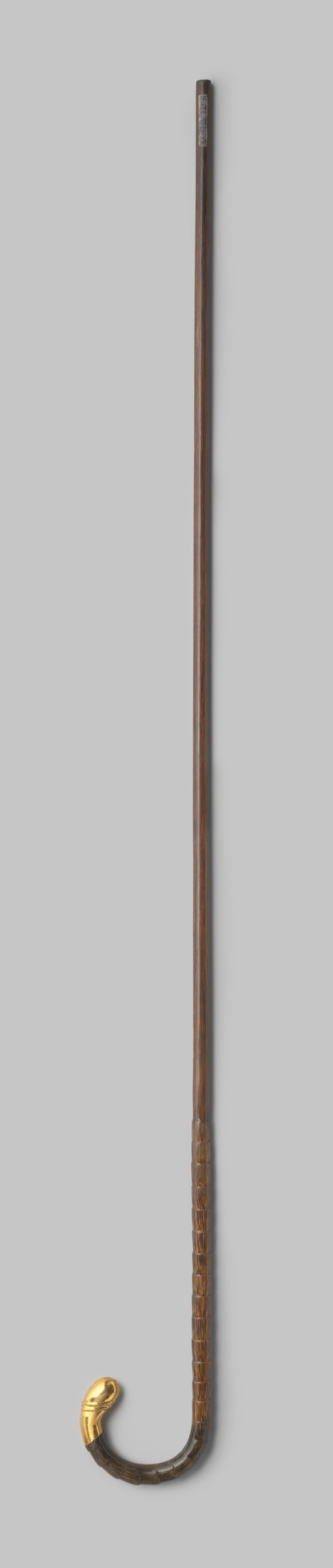
Onderstok van een parapluie of parasol van kokospalm met ronde haak en goudkleurig (verguld?) metalen uiteinde
Gustav Schnitzler

Parasol met dek van effen witte katoen met een smal meerkleurig draad langs de rand geregen, op lichte houten stok, met gebogen, ivoorkleurig handvat
Gustav Schnitzler
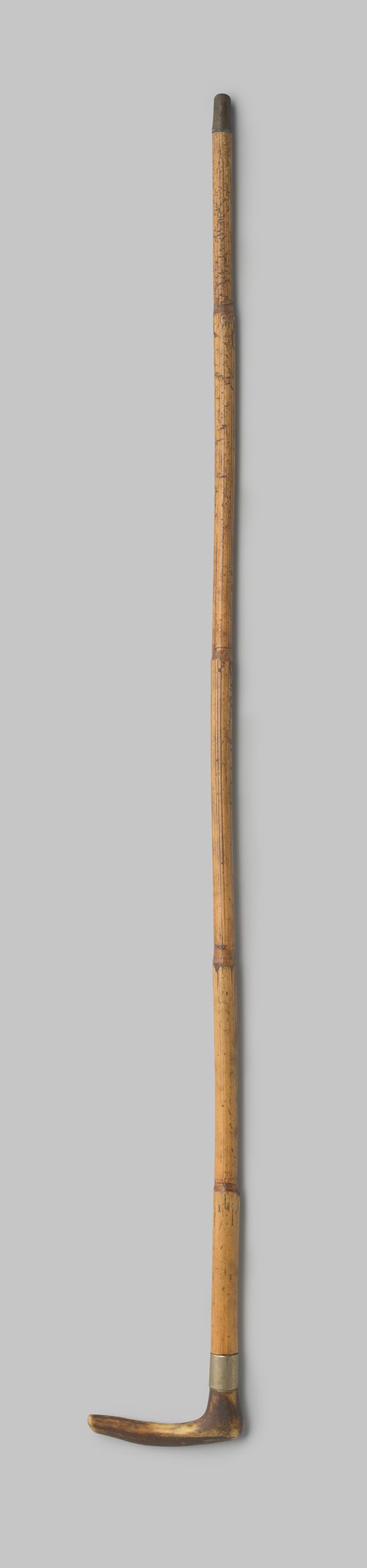
Onderstok van parasol of parapluie van bamboe met rechte haak van hertshoorn, met ring en punt van koper
Gustav Schnitzler