
Ongelovige Tomas — History & Facts
This notion resonates powerfully in the intricate complexities of human belief and doubt. How does one reconcile the presence of doubt with the certainty of faith? Focus first on the central figure, Thomas, whose expression reveals a profound inner turmoil. The stark contrasts between light and shadow evoke a sense of conflict; notice how the soft illumination highlights his furrowed brow, casting deeper shadows across his features.
To the left, the hovering hand of Christ embodies both assurance and challenge, as though inviting Thomas to reconcile his skepticism. The delicate interplay of vibrant colors against a subdued background draws the eye to the tension in the scene. Beneath the surface, this artwork captures the struggle between belief and disbelief. The shadow enveloping Thomas suggests the weight of his doubts, while the light illuminating Christ stands as a beacon of hope.
The intricate details in their gestures reflect a deeper dialogue: the movement of Thomas reaching for the wound signifies a search for truth, while Christ's calm demeanor invites acceptance and understanding. This visual contrast encapsulates the essence of faith—a complex dance between certainty and uncertainty. Dürer created this piece in 1510 during a time of significant religious upheaval in Europe, marked by the Reformation. Living in Nuremberg, he was deeply influenced by contemporary debates on faith and interpretation.
The artwork reflects not only personal contemplations of belief but also the broader discourse of his time, making an indelible mark in the history of art and spirituality.
More Artworks by Albrecht Dürer
Browse all →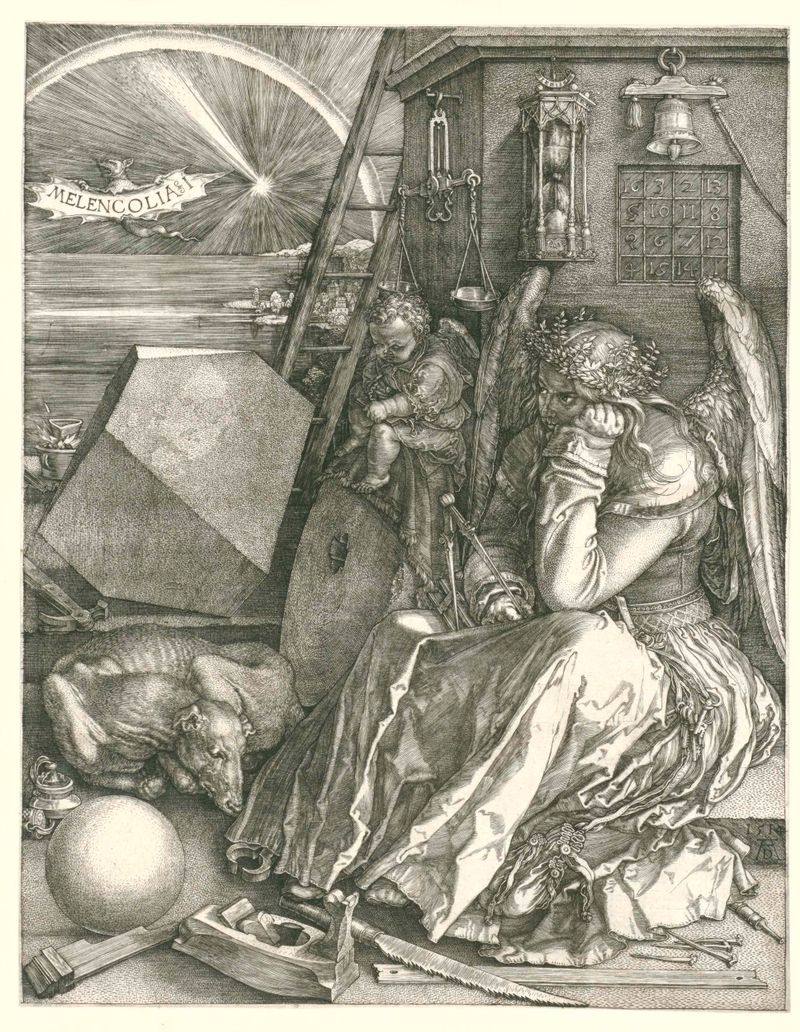
Melancholia
Albrecht Dürer
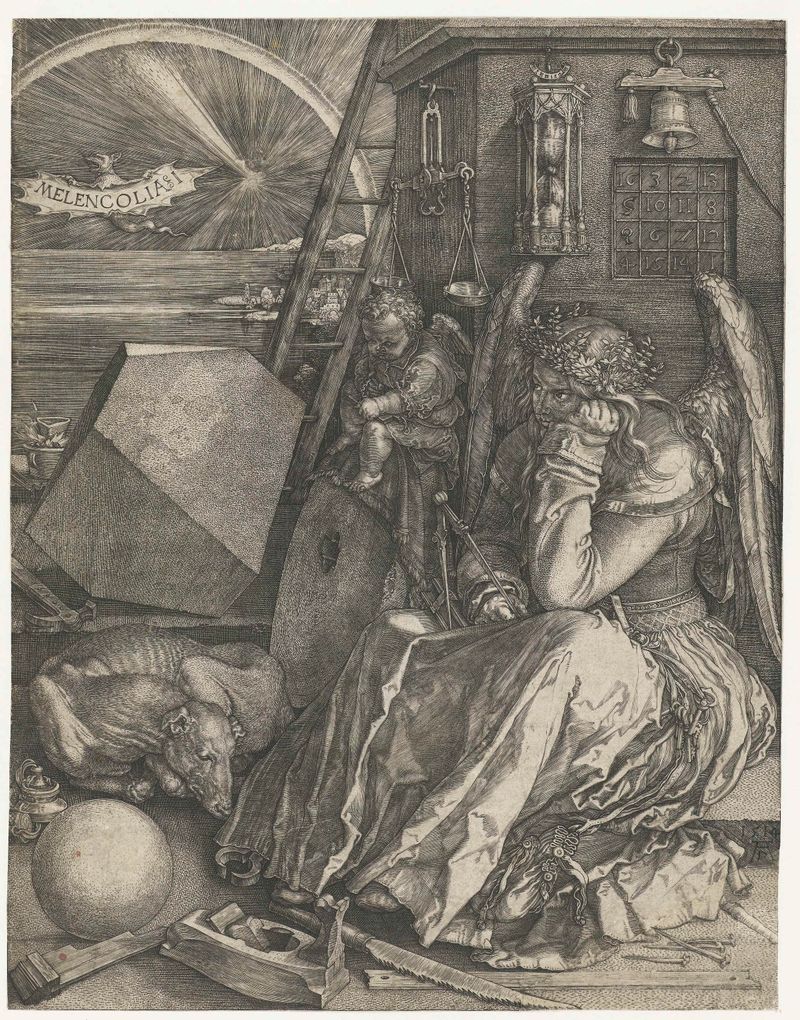
Melancholie
Albrecht Dürer
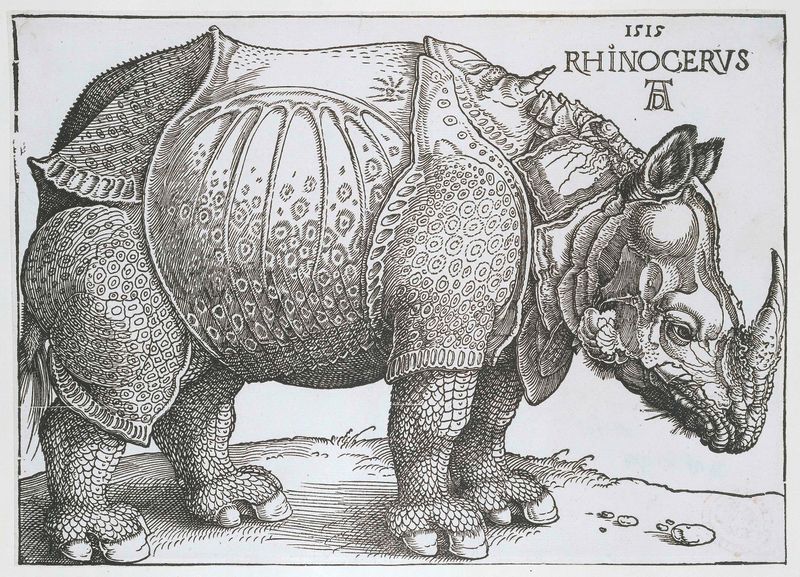
Neushoorn
Albrecht Dürer
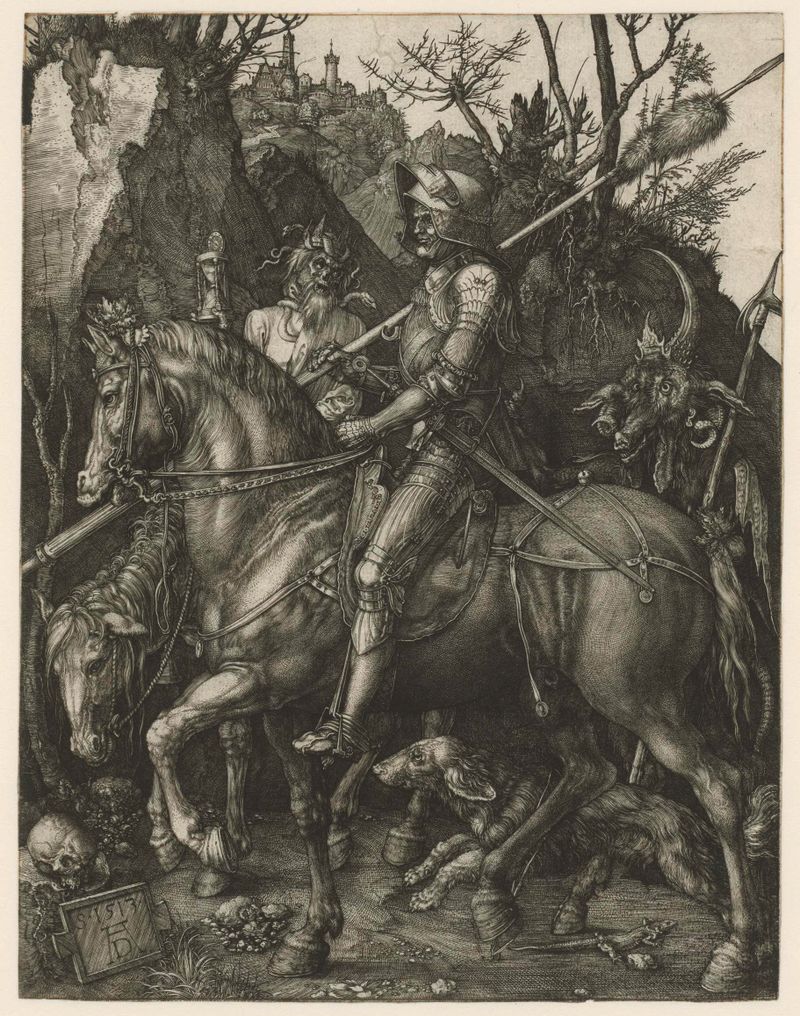
Knight, Death, and the Devil
Albrecht Dürer

De vier ruiters van de apocalyps
Albrecht Dürer

De vier ruiters van de apocalyps
Albrecht Dürer
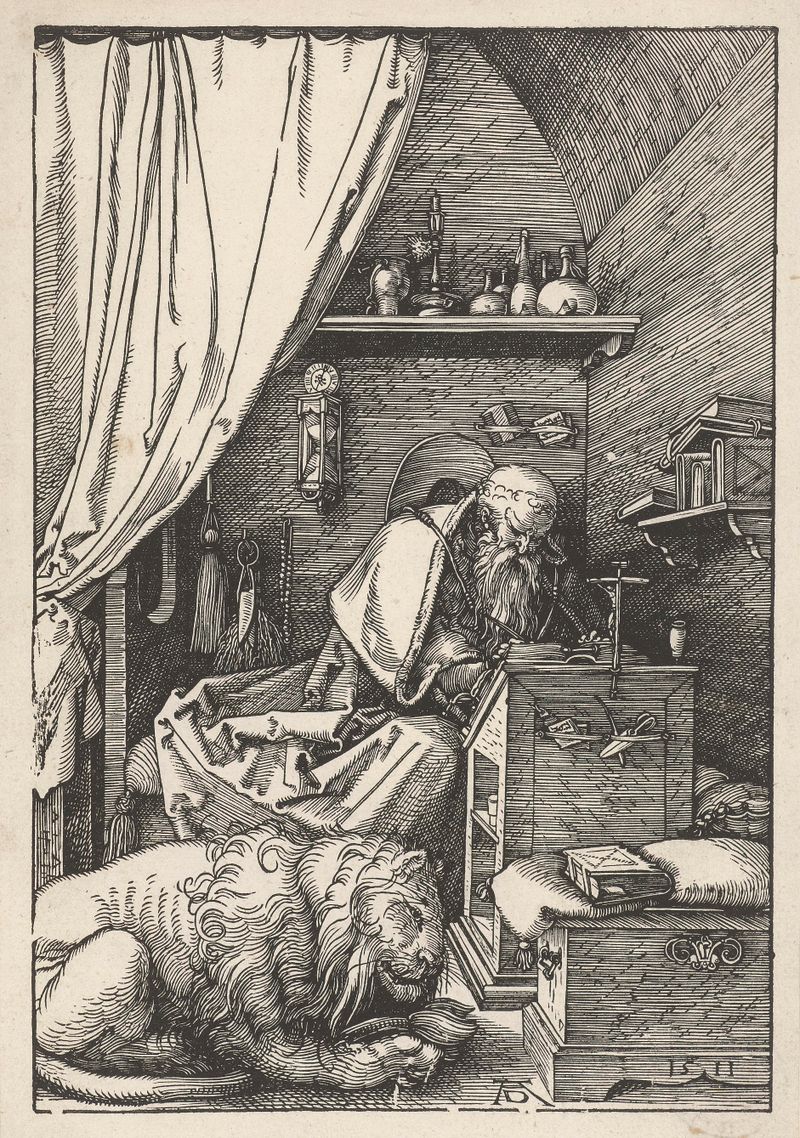
De Heilige Hiëronymus in zijn studeervertrek
Albrecht Dürer
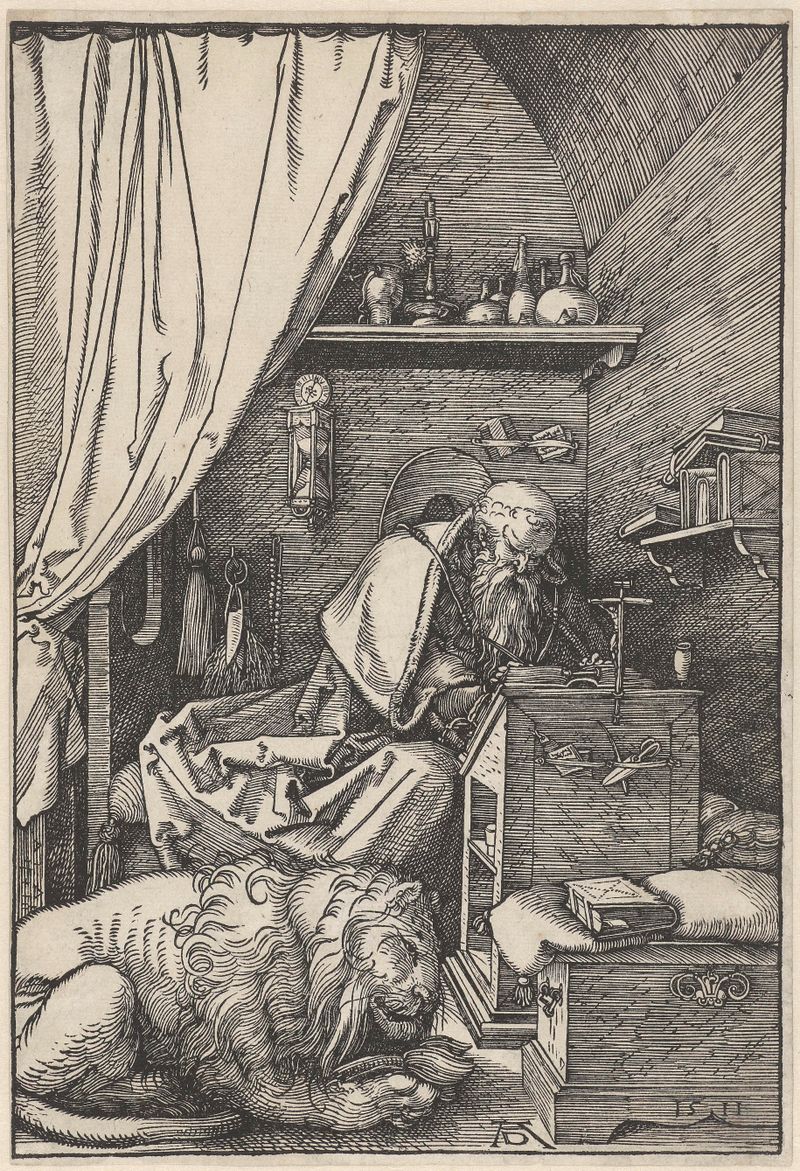
De Heilige Hiëronymus in zijn studeervertrek
Albrecht Dürer
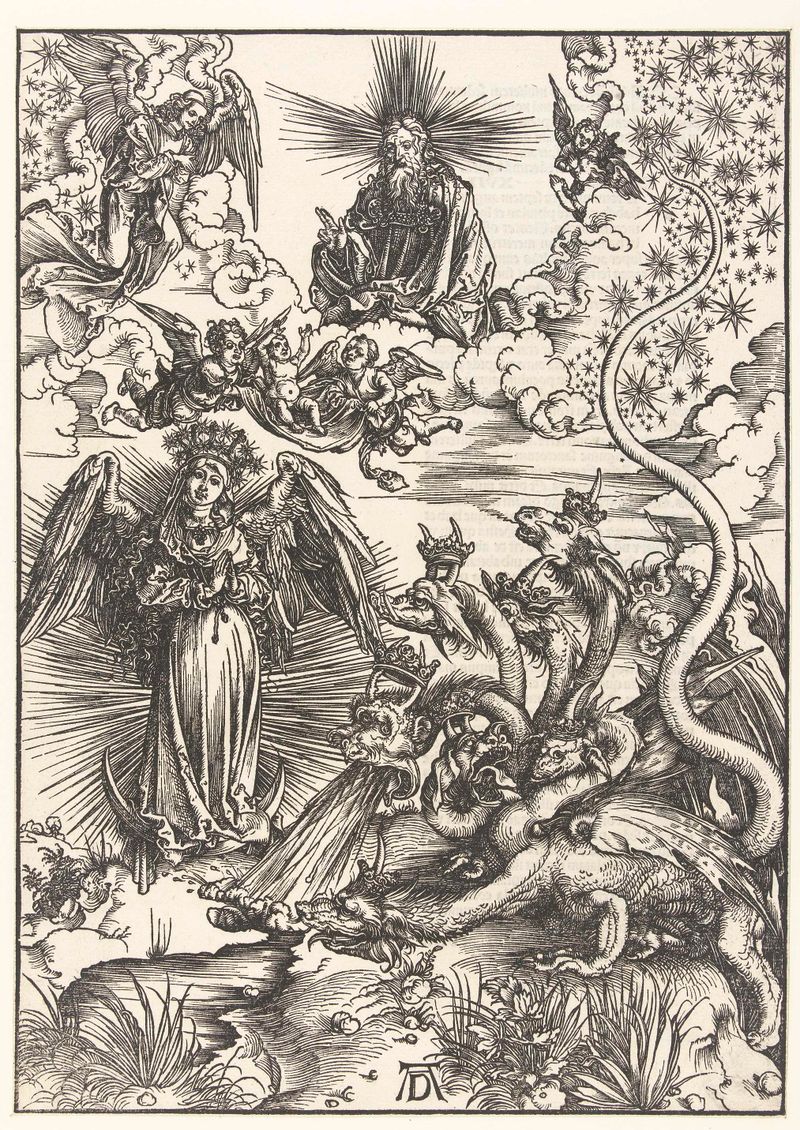
De apocalyptische vrouw en de zevenkoppige draak
Albrecht Dürer
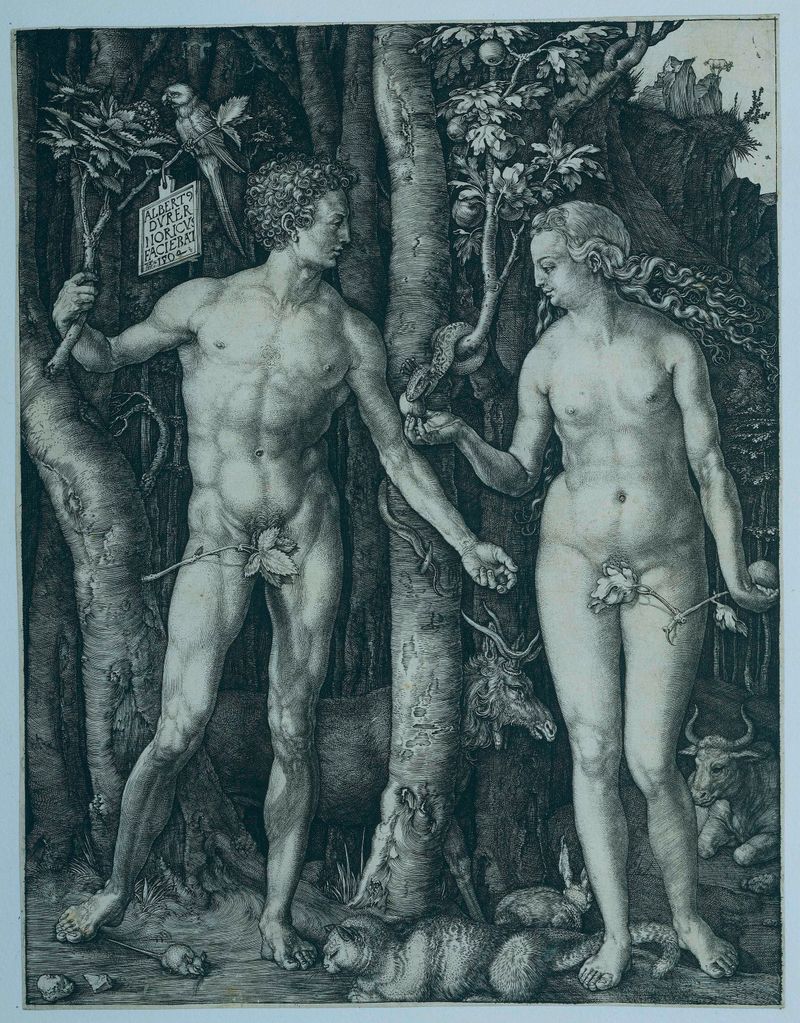
Adam en Eva
Albrecht Dürer
More Religious Art
Browse all →
The Return of the Prodigal Son
Rembrandt van Rijn

The Garden of Earthly Delights
El Bosco

Count Orgaz’ funeral
El Greco

The Hundred Guilder Print: the central piece with Christ preaching, the plate arched
Rembrandt van Rijn

The Descent from the Cross
Rogier van der Weyden

The return of the prodigal son
Rembrandt van Rijn