
Ongelovige Tomas, Hemelvaart, Pinksteren, Laatste Oordeel — History & Facts
Gaze at the intricate interplay of figures and symbols, directing your attention first to the solemn visage of Doubting Thomas. His expression, a mix of skepticism and yearning, draws you into the heart of the composition. Notice how the vibrant hues of reds and blues contrast sharply with the somber tones surrounding him, highlighting the tension between doubt and faith.
The light cascades down from the apex, illuminating the divine presence above, while the meticulously crafted details of each figure serve to emphasize their distinct narratives. Delve deeper, and you will find layers of existential inquiry. The juxtaposition of the heavenly ascent against the impending Last Judgment speaks to the duality of human experience—hope and despair intertwined. The faint tremor of unease in Thomas’s hands as he reaches toward the sacred suggests a transformative moment, where belief and disbelief collide, prompting an awakening that resonates beyond the canvas.
Each stroke holds the weight of conviction, urging viewers to confront their own understanding of faith. Painted in 1510, this work emerged during a time of profound religious upheaval in Europe. Albrecht Dürer, entrenched in the heart of the Renaissance in Nuremberg, was navigating the tensions of his own faith while exploring the intricacies of human emotion through art. This period marked a significant turning point, as artists began to challenge traditional doctrines, striving for a deeper connection to the divine, reflected poignantly in this powerful piece.
More Artworks by Albrecht Dürer

Melancholia
Albrecht Dürer

St. George and the dragon.
Albrecht Dürer
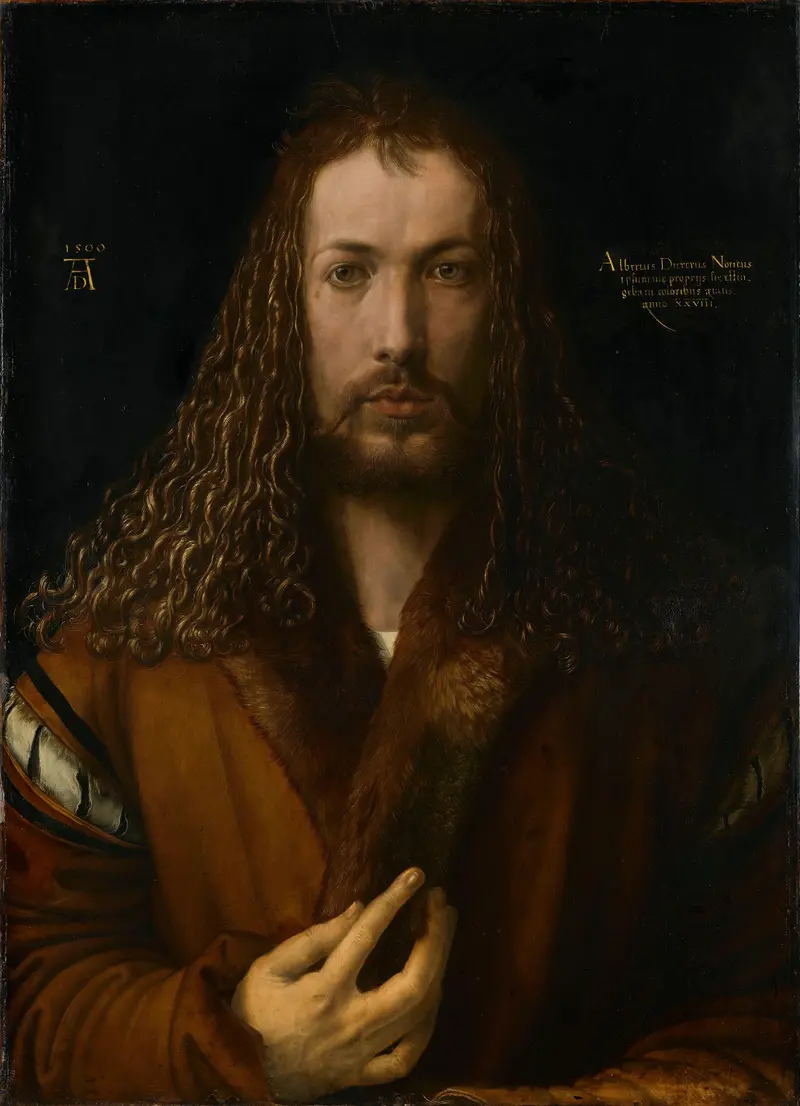
Self-Portrait with Fur-Trimmed Robe
Albrecht Dürer

Wing of a European Roller
Albrecht Dürer
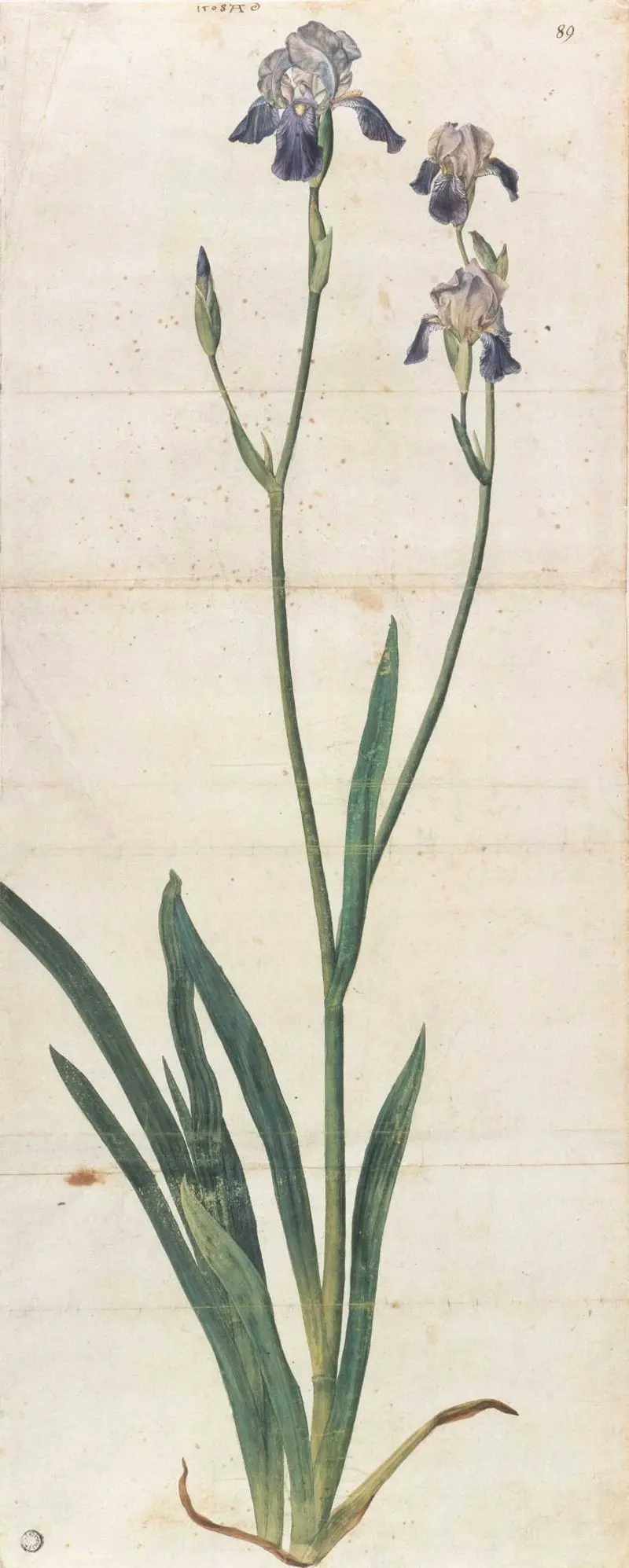
Iris
Albrecht Dürer
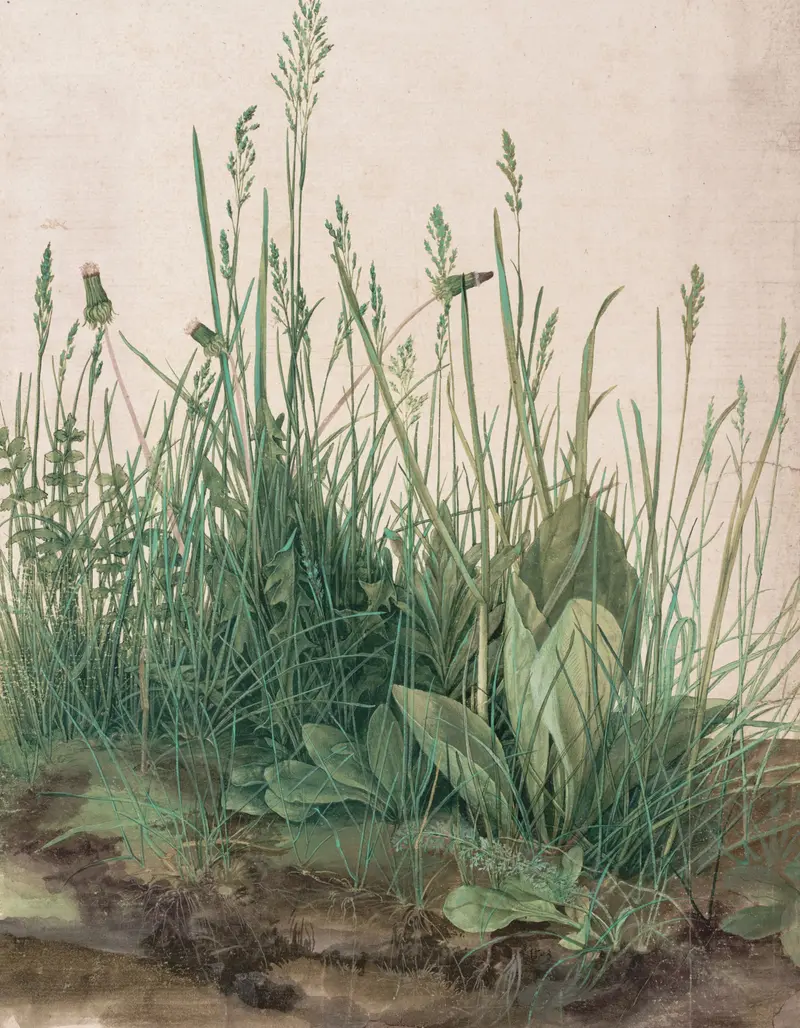
The Great Piece of Turf
Albrecht Dürer
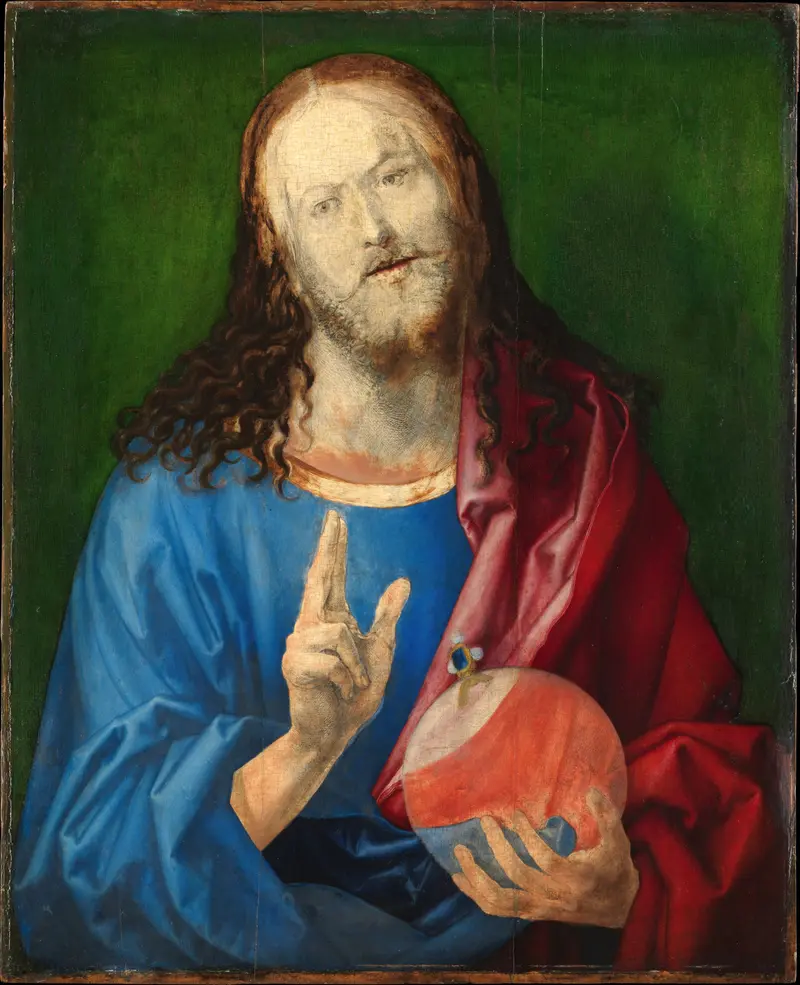
Salvator Mundi
Albrecht Dürer
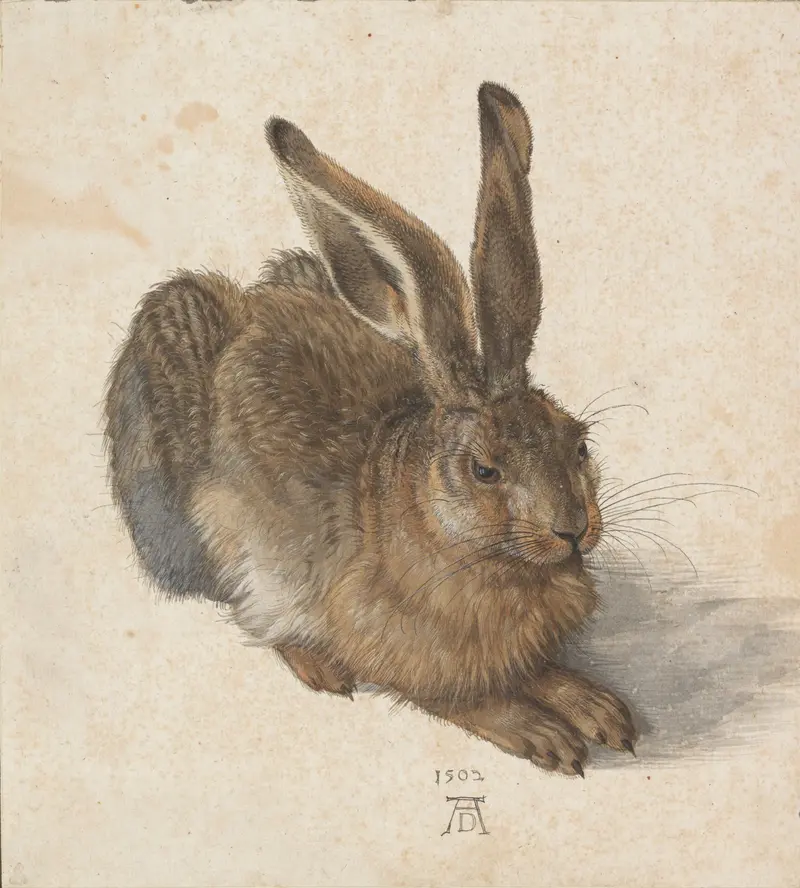
Young Hare
Albrecht Dürer
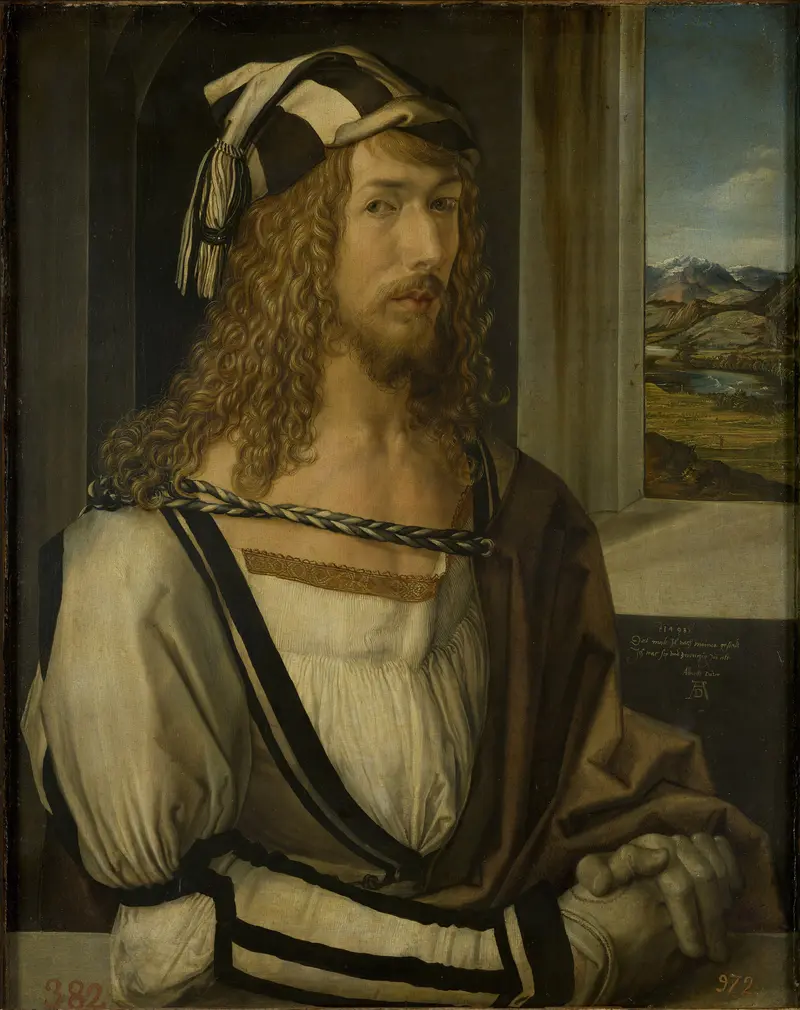
Self-portrait
Albrecht Dürer
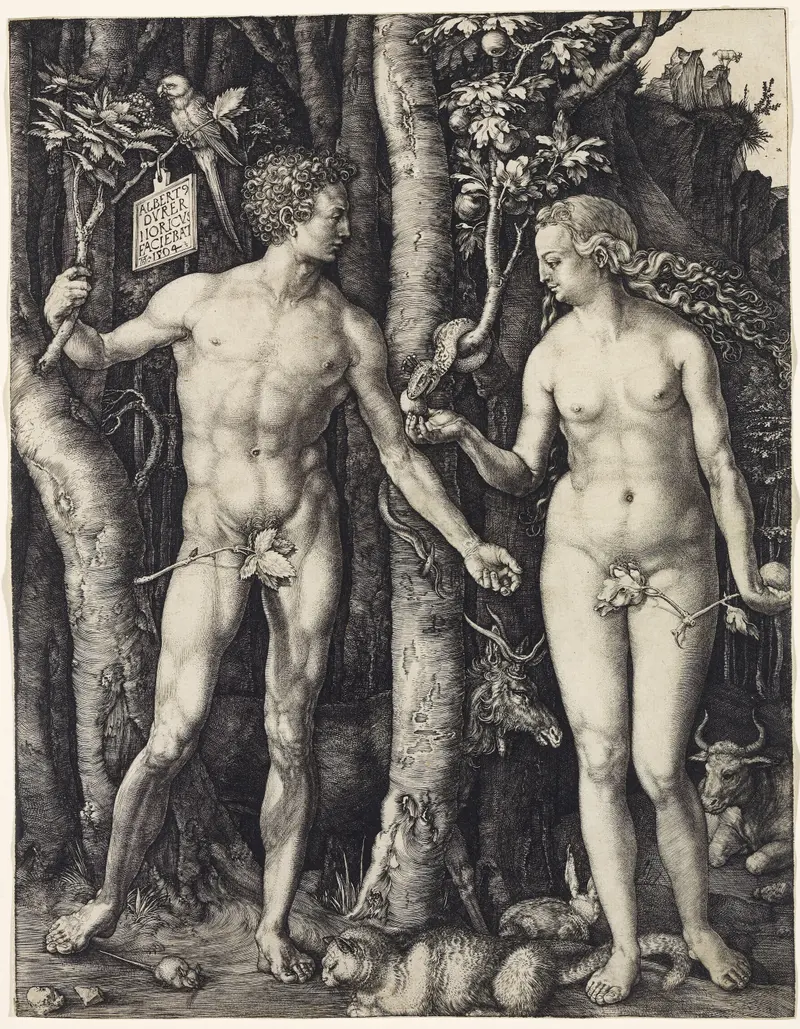
Adam and Eve (The Fall of Man)
Albrecht Dürer





