
Opstanding — History & Facts
What secret hides in the quiet of the canvas? Beneath the surface of Albrecht Dürer’s Opstanding, a dreamlike tension unfolds, inviting the viewer to peer into the mysteries of existence and resurrection. Focus on the figures at the center, where a serene Christ stands, poised with a quiet authority. The ethereal quality of the light envelops him, illuminating his pale robe amidst a dim background that teeters on the edge of shadow. Notice how the surrounding figures, a blend of awe and reverence, draw the eye outward; their expressions echo the profound moment.
The intricate details in the foliage and the delicate lines of Dürer’s technique create an almost tactile experience, urging the spectator to contemplate the interplay between life and death. Hidden within the layers of this artwork lies a tension between the corporeal and the spiritual. The subtle, almost ghostly expressions of the figures suggest a complexity of emotions—fear, hope, and longing—all of which converge in this moment of resurrection. The contrast between light and dark not only highlights the central figure but also symbolizes the struggle between despair and salvation, inviting an introspection that resonates across centuries. Dürer created Opstanding in 1510 during a pivotal era of the Northern Renaissance.
At this time, the artist was deeply engaged in exploring themes of spirituality and humanism, while also grappling with personal loss and the shifting tides of religious thought. The canvas reflects not only Dürer's technical mastery but also his philosophical inquiries, framing a moment that speaks to the universal experience of longing for transcendence.
More Artworks by Albrecht Dürer
Browse all →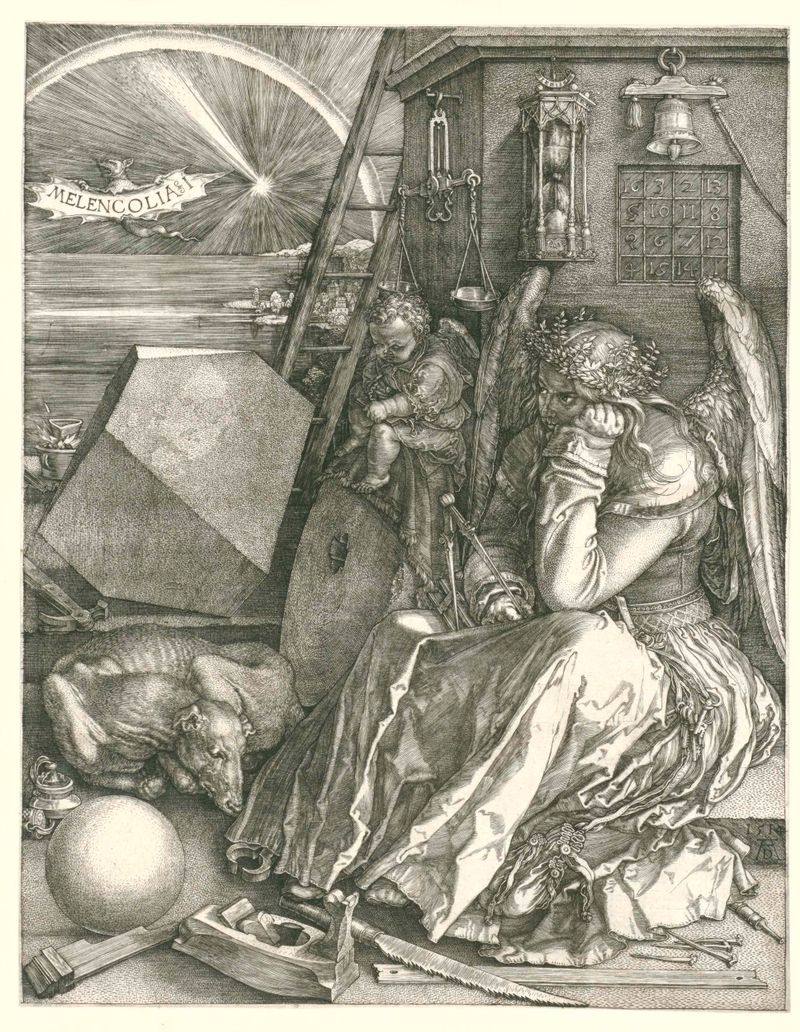
Melancholia
Albrecht Dürer
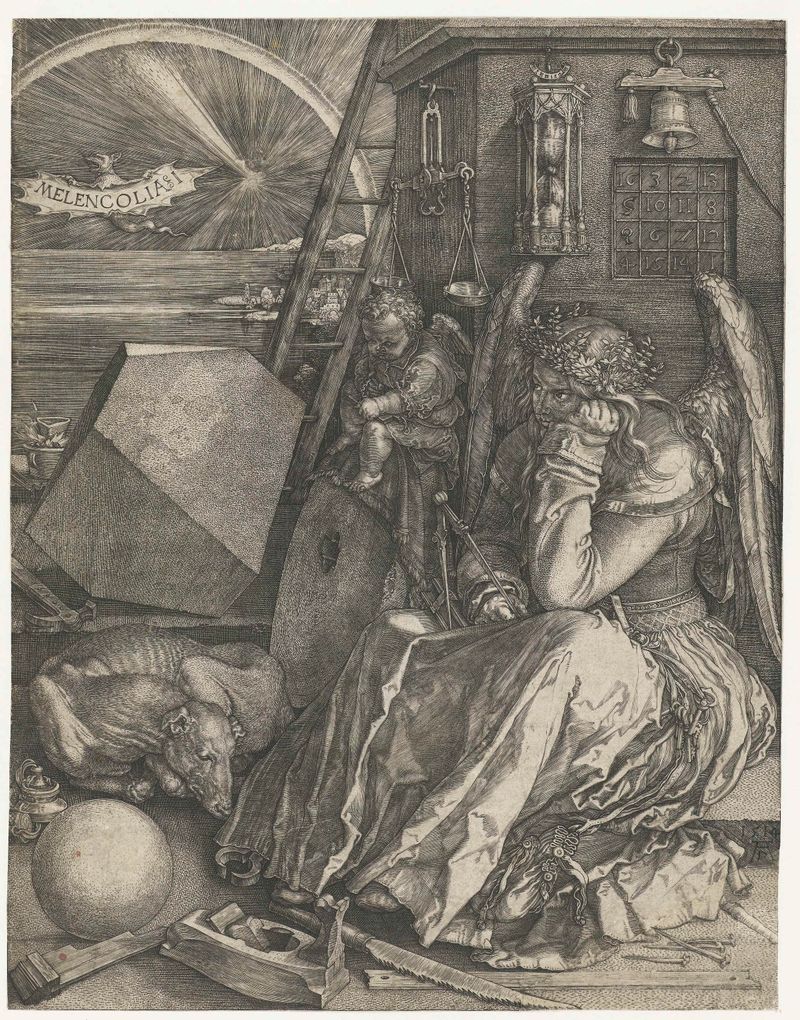
Melancholie
Albrecht Dürer
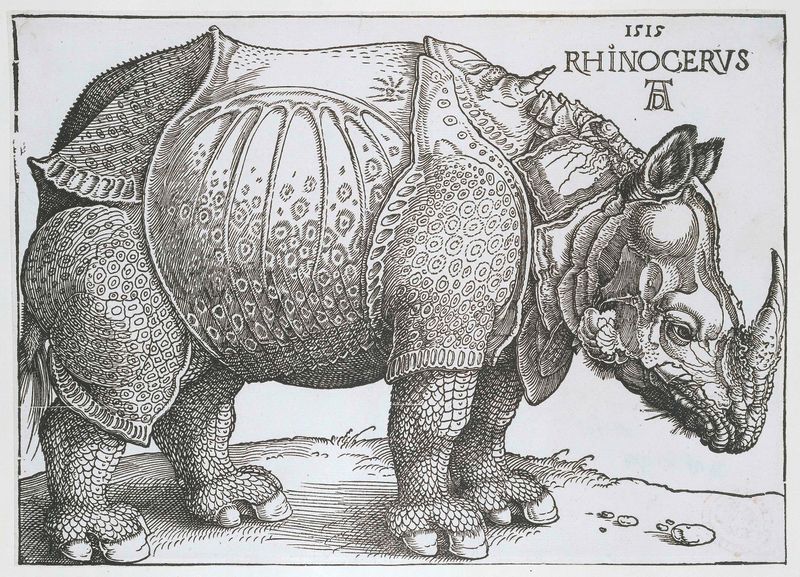
Neushoorn
Albrecht Dürer
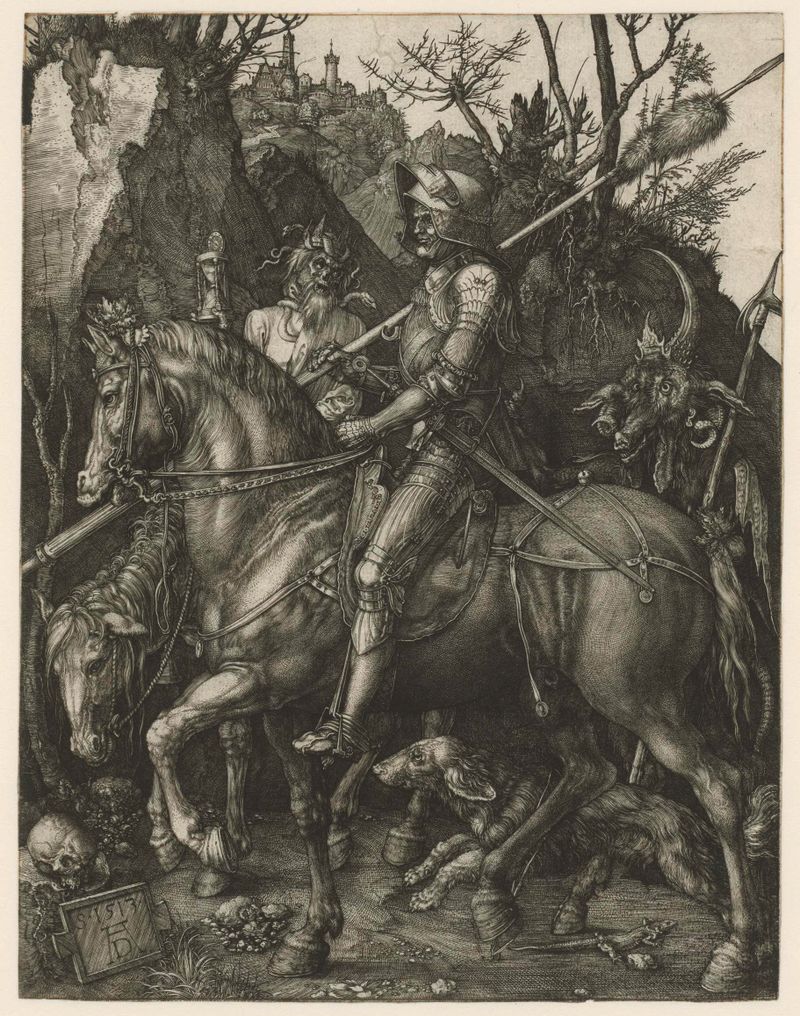
Knight, Death, and the Devil
Albrecht Dürer

De vier ruiters van de apocalyps
Albrecht Dürer

De vier ruiters van de apocalyps
Albrecht Dürer
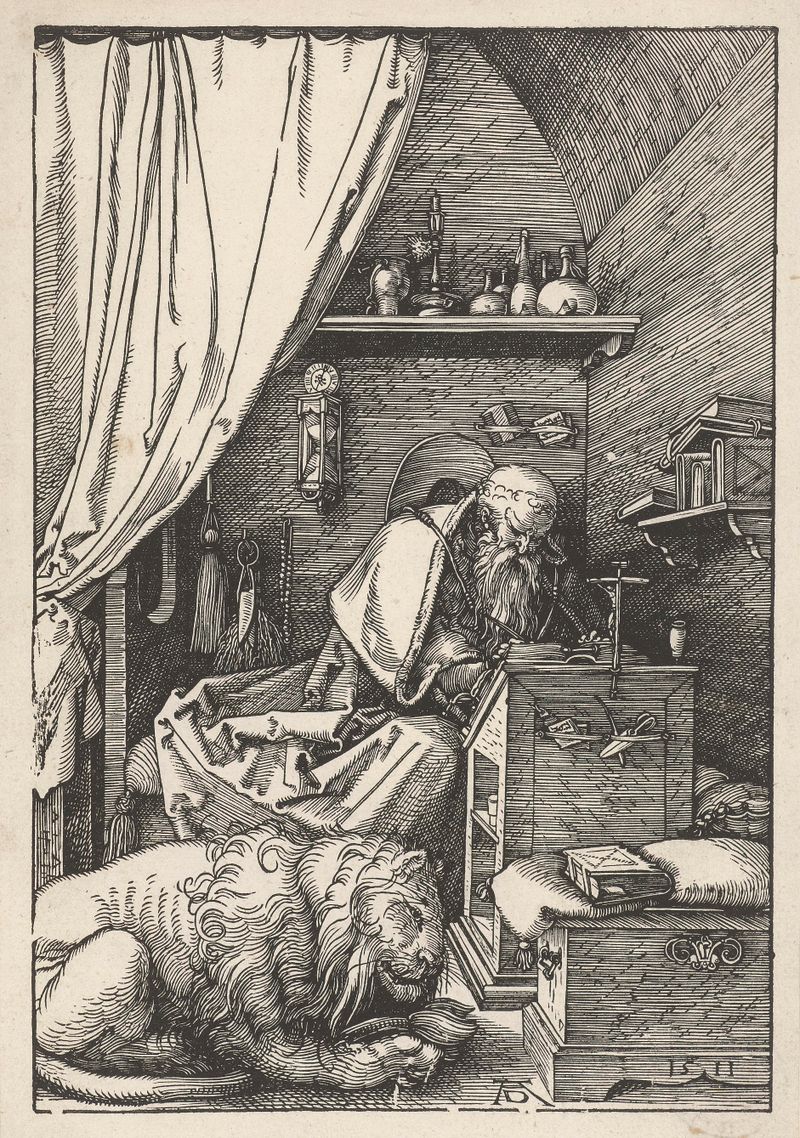
De Heilige Hiëronymus in zijn studeervertrek
Albrecht Dürer
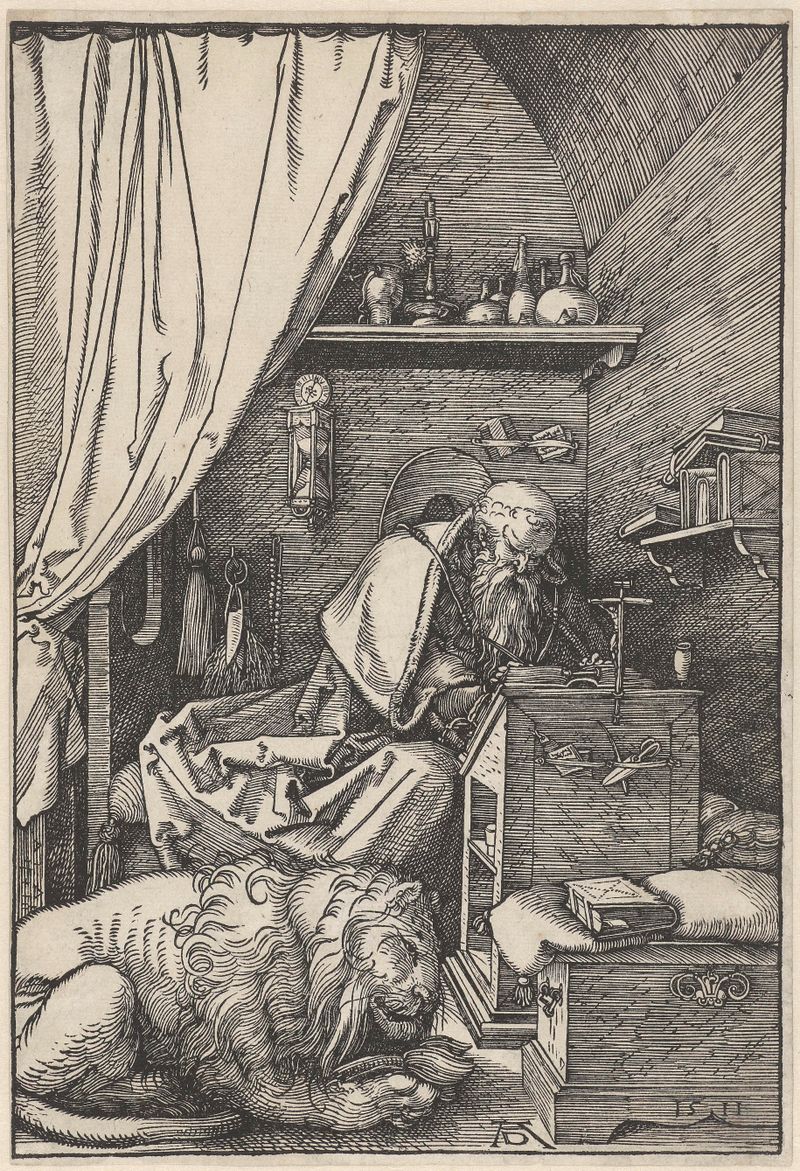
De Heilige Hiëronymus in zijn studeervertrek
Albrecht Dürer
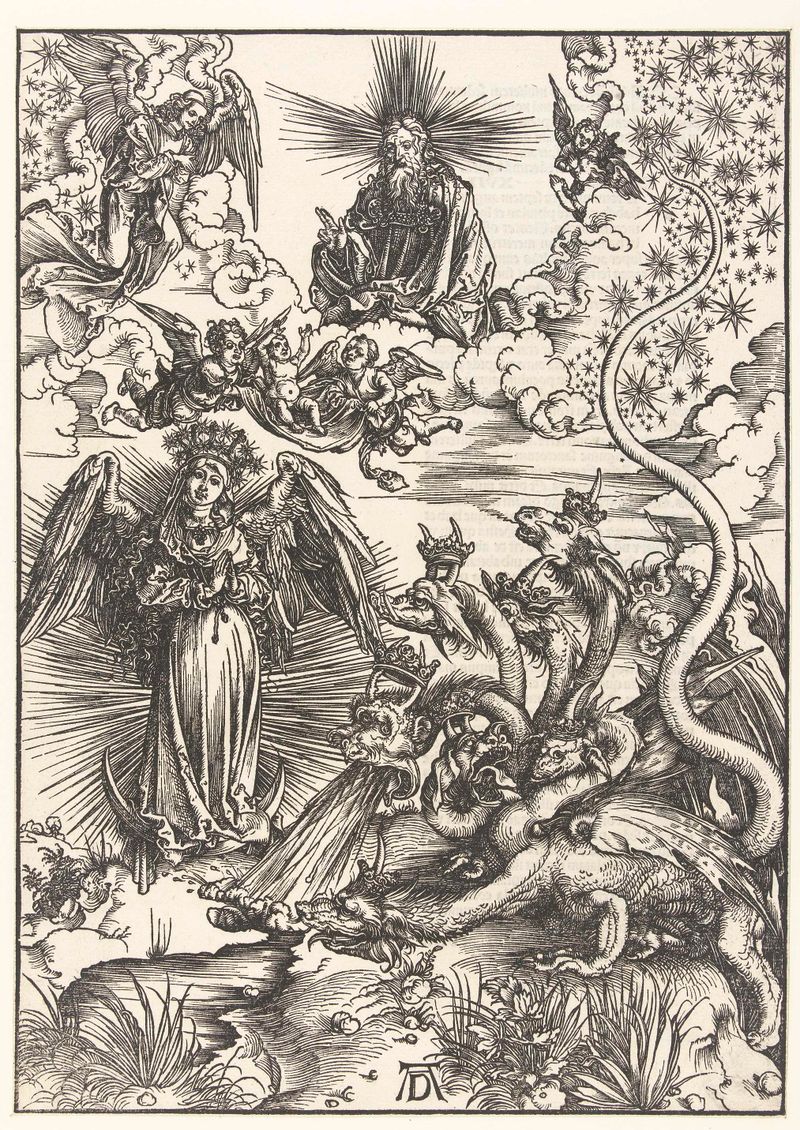
De apocalyptische vrouw en de zevenkoppige draak
Albrecht Dürer
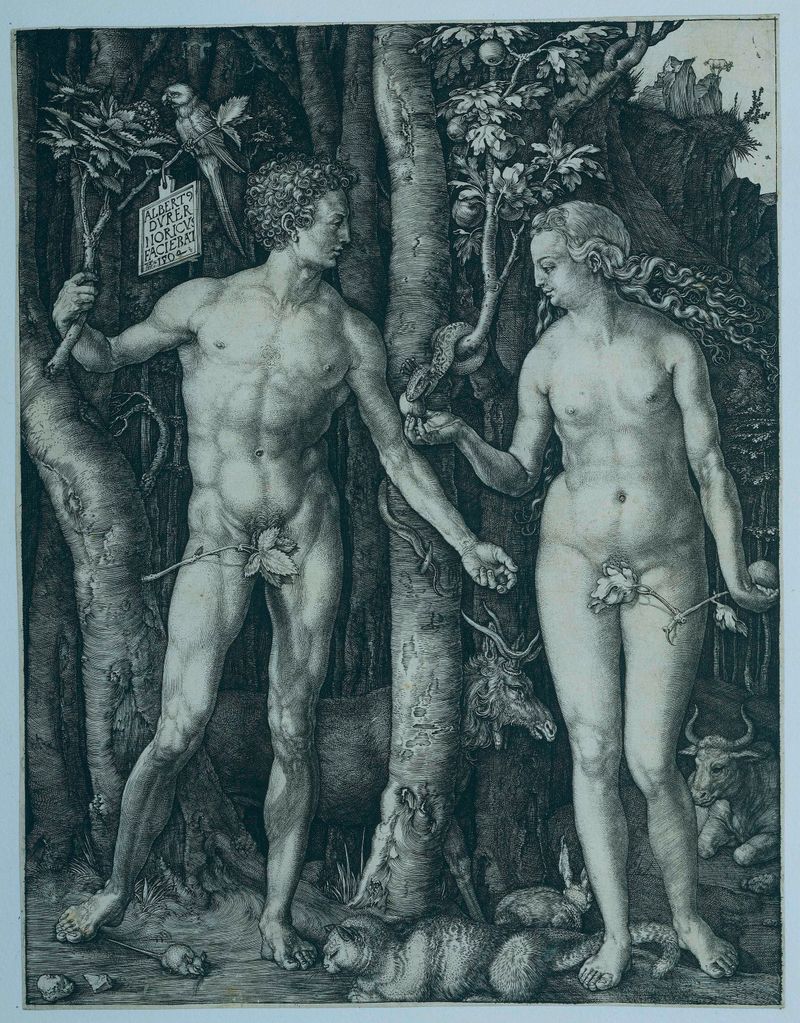
Adam en Eva
Albrecht Dürer
More Religious Art
Browse all →
The Return of the Prodigal Son
Rembrandt van Rijn

The Garden of Earthly Delights
El Bosco

Count Orgaz’ funeral
El Greco

The Hundred Guilder Print: the central piece with Christ preaching, the plate arched
Rembrandt van Rijn

The Descent from the Cross
Rogier van der Weyden

The return of the prodigal son
Rembrandt van Rijn