
Opstanding — History & Facts
In the face of betrayal, can we find solace in the shades of creation? Look closely at the intricate details of Opstanding, where the figures play a profound role in conveying the emotional weight of resurrection. The central figure stands firm, bathed in a radiant light that contrasts sharply with the dark, tumultuous background. Notice how Dürer meticulously renders the textures of the figures’ garments, infusing them with a lifelike quality that draws the viewer deeper into the narrative.
Each crease and fold whispers the weight of their past, inviting us to feel the tension and hope enveloping the scene. Delve into the contrasts present in this work: the juxtaposition of light and shadow reflects the struggle between despair and faith. The positioning of the figures evokes a protective circle, suggesting unity amidst chaos, yet the expressions hint at uncertainty and betrayal—betrayal of faith, of trust, of the very essence of life itself. This emotional interplay enhances the painting's complexity, allowing viewers to ponder their own experiences of loss and renewal. In 1503, Dürer was navigating the vibrant world of the Northern Renaissance, where humanism and religious themes collided.
He was establishing his reputation in Nuremberg, reflecting on the spiritual turmoil of his time, marked by emerging Reformation sentiments. During this period, Opstanding emerged as a testament not only to Dürer's artistic prowess but also to the profound challenges of faith and the human spirit amidst societal upheaval.
More Artworks by Albrecht Dürer
Browse all →
Melancholia
Albrecht Dürer
Melancholie
Albrecht Dürer

Neushoorn
Albrecht Dürer
Knight, Death, and the Devil
Albrecht Dürer

De vier ruiters van de apocalyps
Albrecht Dürer

De vier ruiters van de apocalyps
Albrecht Dürer
De Heilige Hiëronymus in zijn studeervertrek
Albrecht Dürer
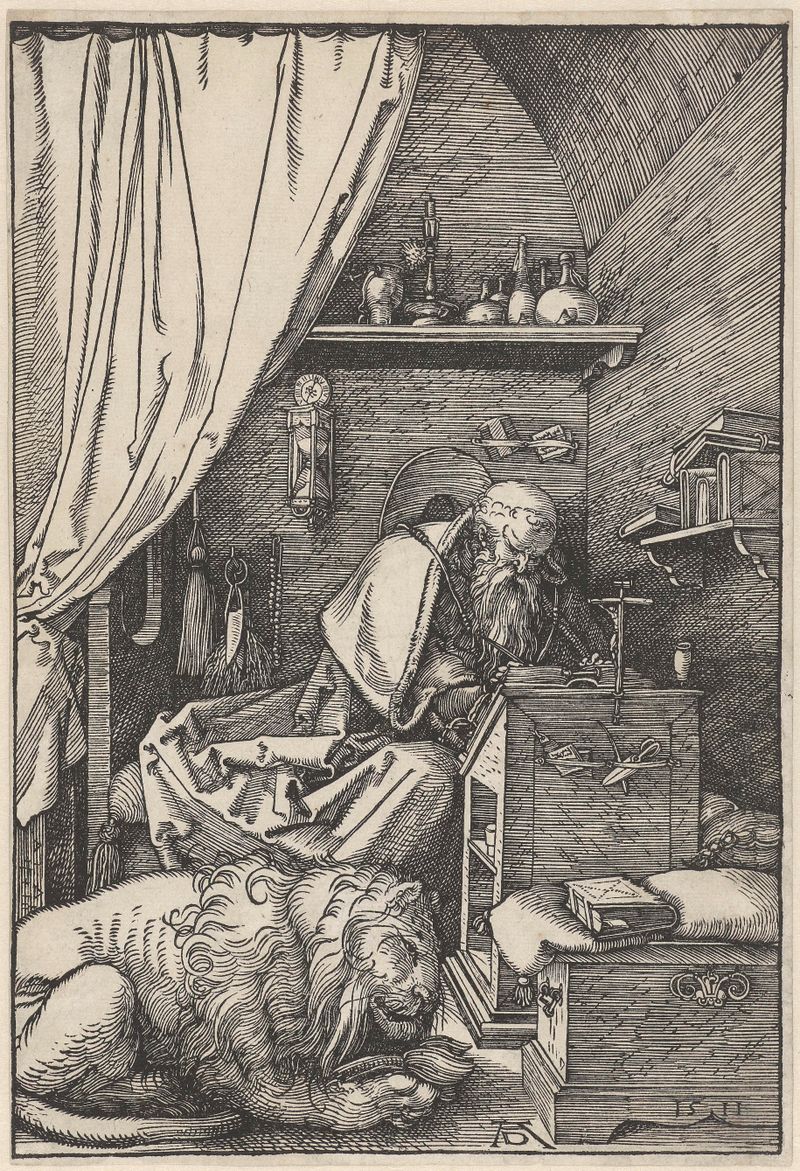
De Heilige Hiëronymus in zijn studeervertrek
Albrecht Dürer
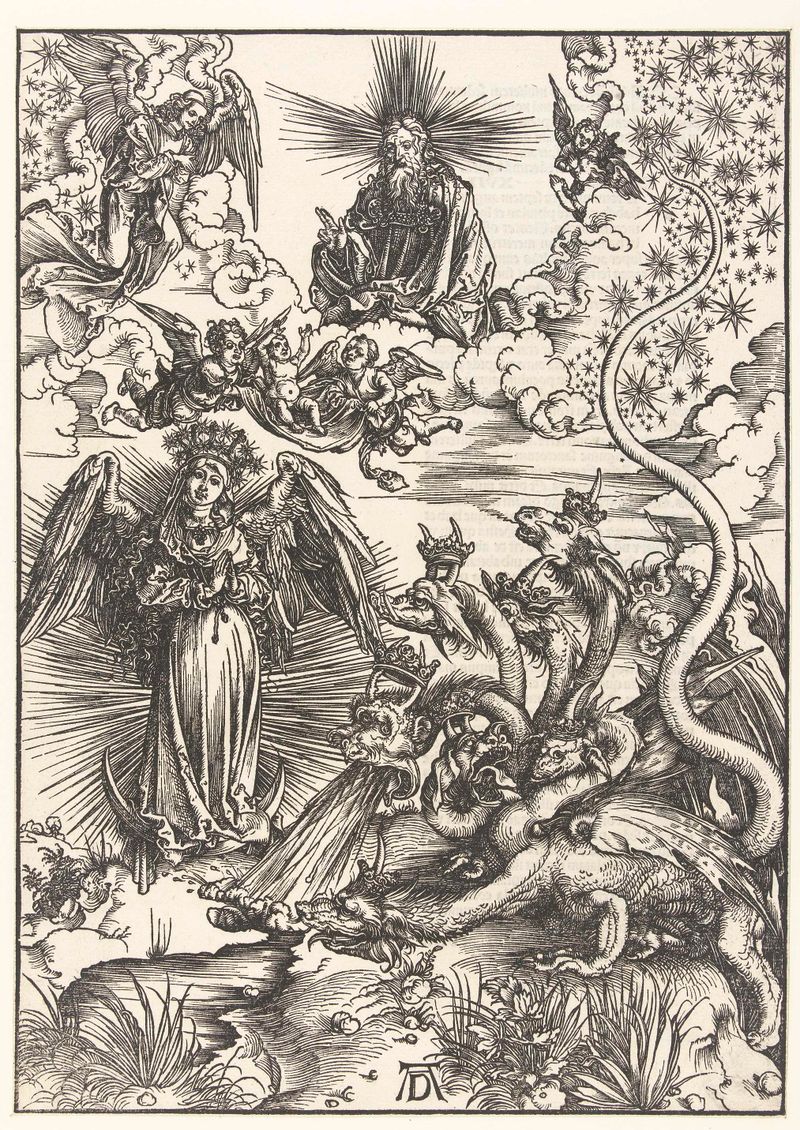
De apocalyptische vrouw en de zevenkoppige draak
Albrecht Dürer
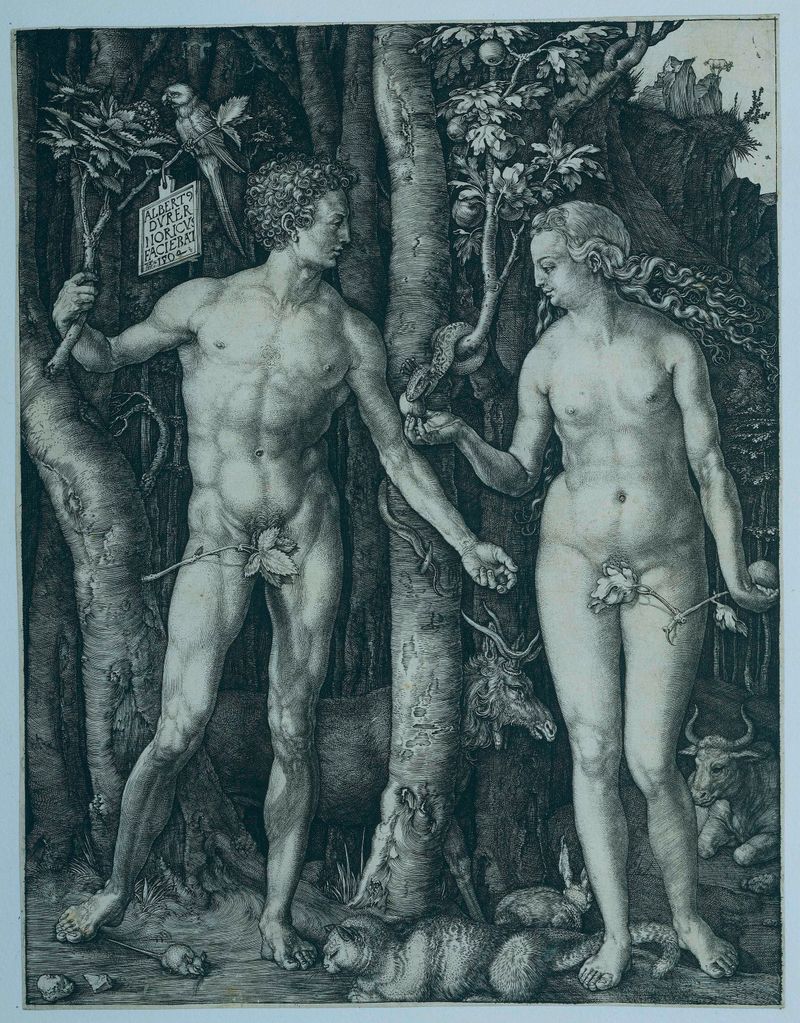
Adam en Eva
Albrecht Dürer
More Religious Art
Browse all →
The Return of the Prodigal Son
Rembrandt van Rijn

The Garden of Earthly Delights
El Bosco

Count Orgaz’ funeral
El Greco

The Hundred Guilder Print: the central piece with Christ preaching, the plate arched
Rembrandt van Rijn

The Descent from the Cross
Rogier van der Weyden

The return of the prodigal son
Rembrandt van Rijn