
Opstanding, Christus verschijnt aan zijn moeder, Christus verschijnt aan Maria Magdalena, Christus in Emmaüs — History & Facts
In every brushstroke lies an echo of longing, an invitation to explore the depths of the human soul and its connections to the divine. Look closely at the somber yet illuminating palette Dürer employs; the muted earth tones create a poignant contrast against the spectral figures of Christ and his followers. Focus on the tender expressions of recognition as Mary Magdalene gazes up with a mixture of disbelief and joy. The delicate play of light across their faces not only heightens the emotional gravity of the moment but also serves to highlight the sanctity of resurrection and revelation. Deeper meanings unfold within the interplay of gaze and gesture.
The slight inclination of Christ’s head toward Mary signifies not just presence but a yearning for connection after separation; their eyes meet like distant stars drawing closer after eons of distance. Additionally, the background, filled with soft shadowy forms, suggests the ambiguity of life and death—an echo of the eternal struggle between despair and hope, each figure caught in a liminal space between loss and redemption. In 1510, Albrecht Dürer was at the pinnacle of his career, living in Nuremberg amid a flourishing of Northern Renaissance art. The world was undergoing profound transformations—spiritual, political, and artistic.
It was a time when artists sought to reconcile human experience with divine truths, and in this work, Dürer deftly navigates the complexities of faith, memory, and the human condition.
More Artworks by Albrecht Dürer
Browse all →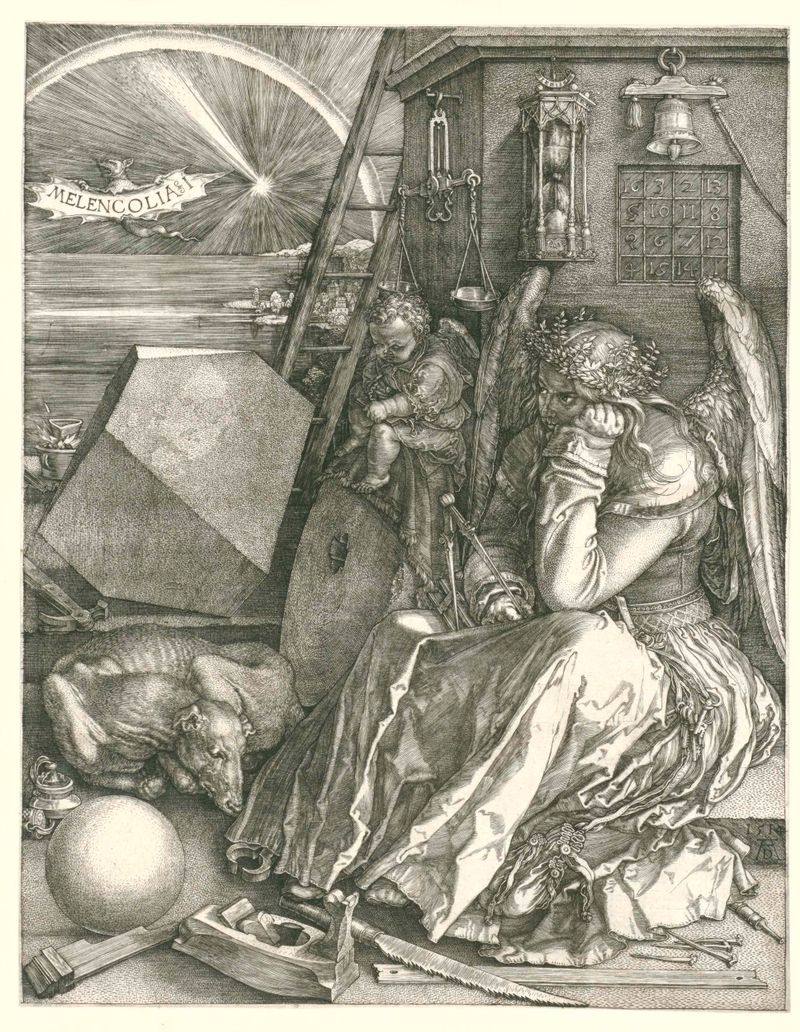
Melancholia
Albrecht Dürer
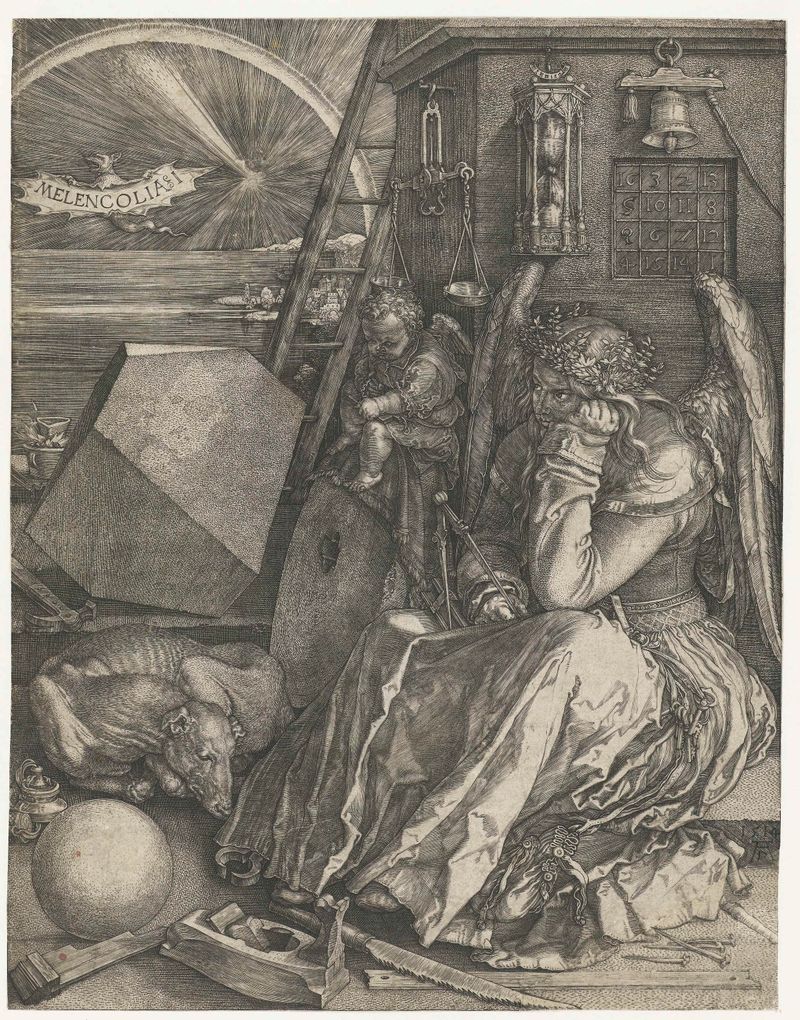
Melancholie
Albrecht Dürer

Neushoorn
Albrecht Dürer
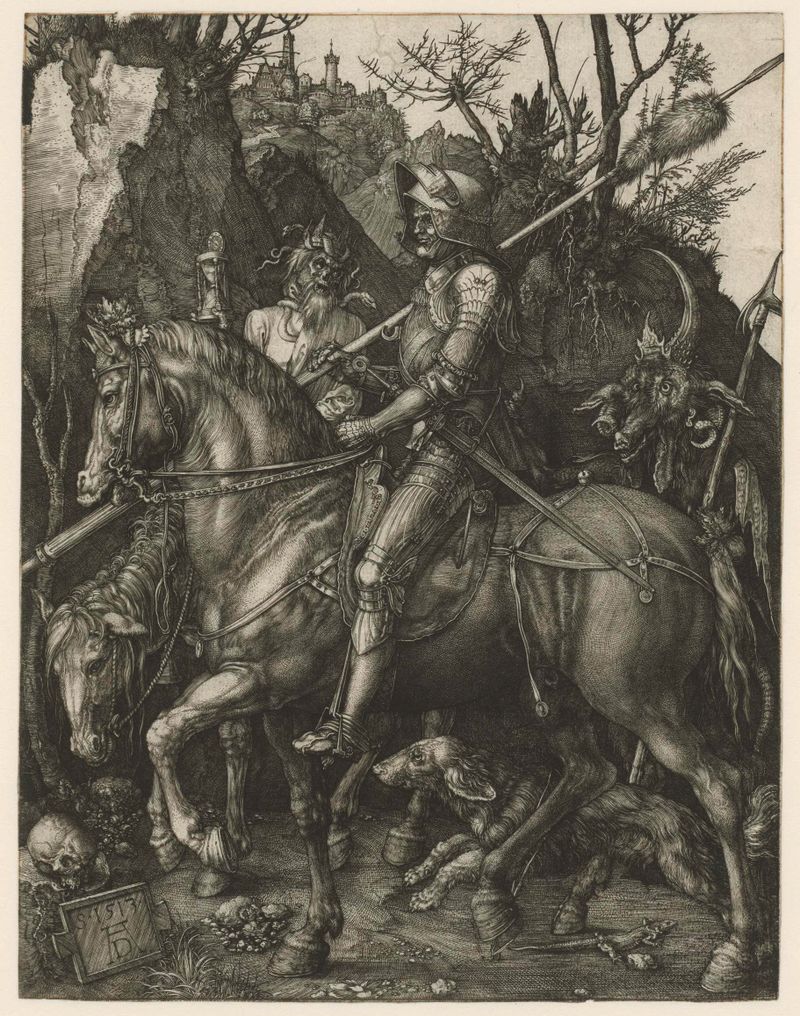
Knight, Death, and the Devil
Albrecht Dürer

De vier ruiters van de apocalyps
Albrecht Dürer

De vier ruiters van de apocalyps
Albrecht Dürer
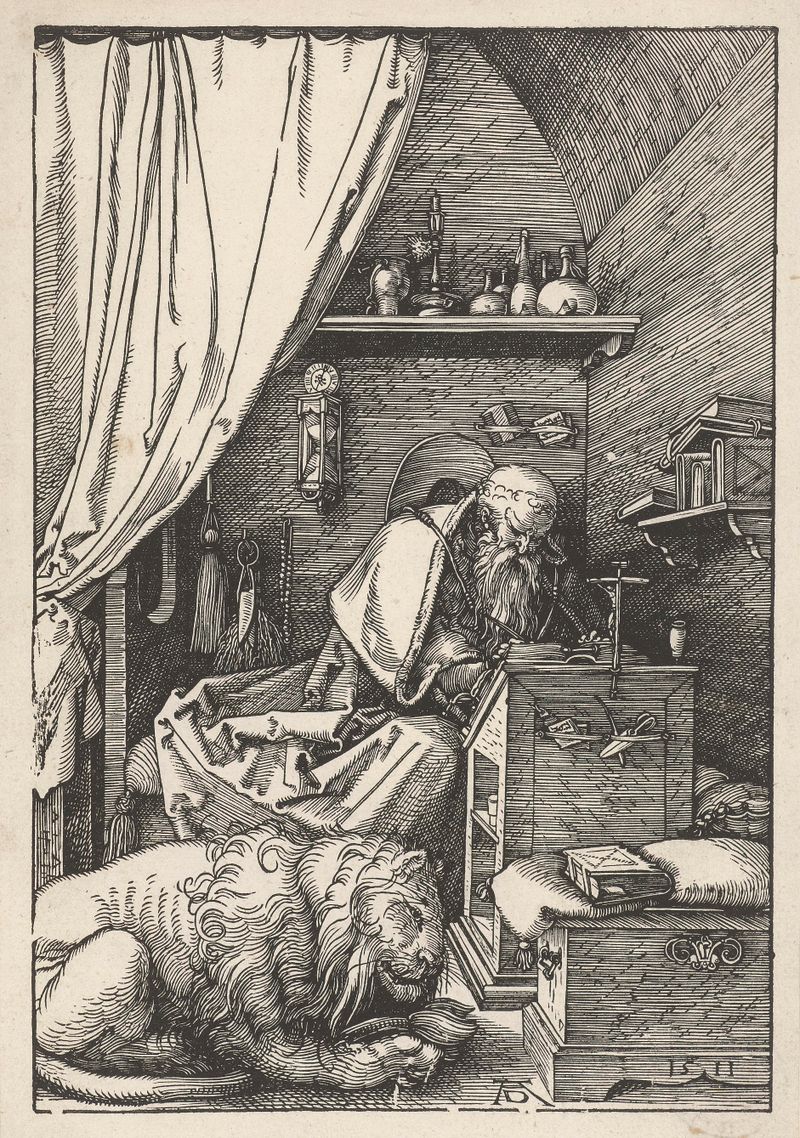
De Heilige Hiëronymus in zijn studeervertrek
Albrecht Dürer
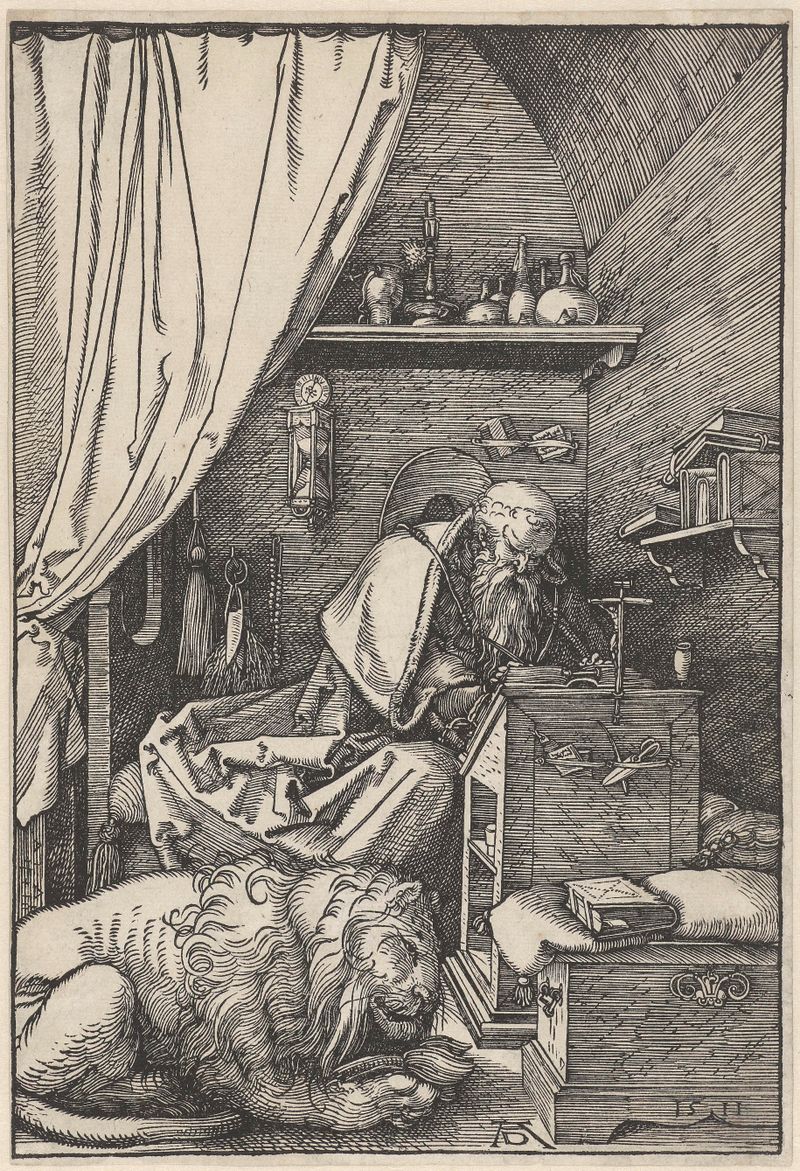
De Heilige Hiëronymus in zijn studeervertrek
Albrecht Dürer
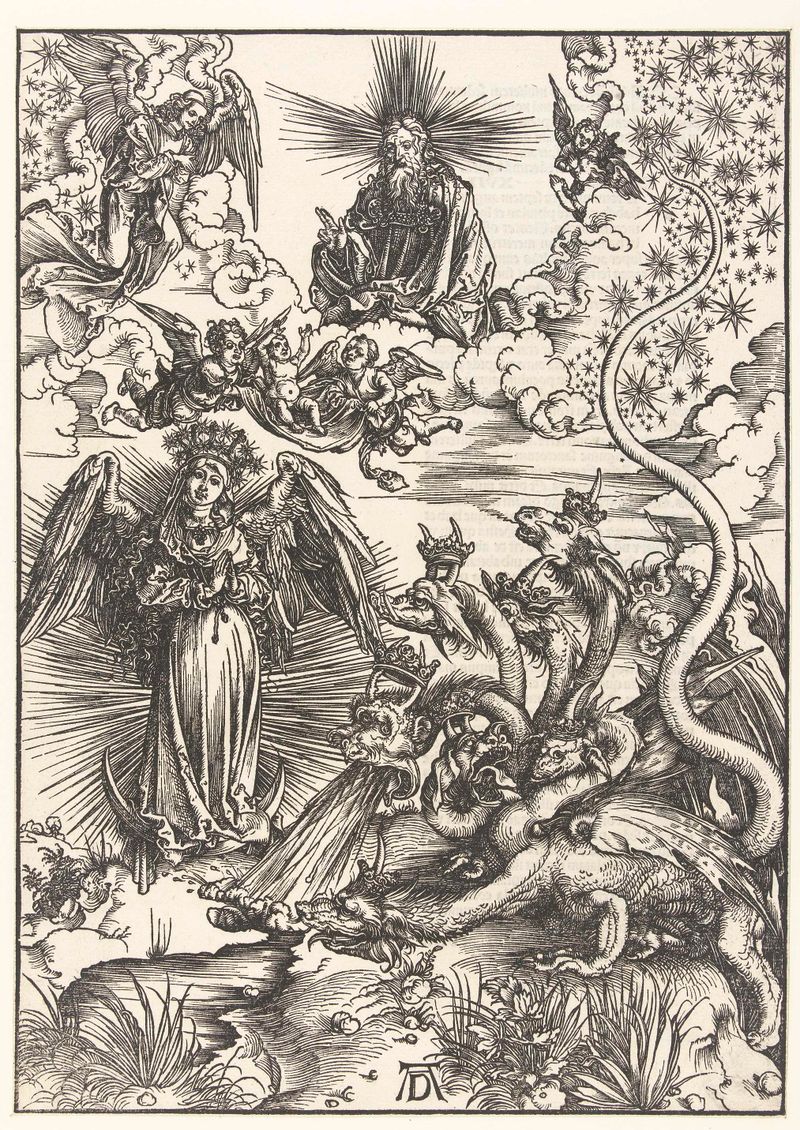
De apocalyptische vrouw en de zevenkoppige draak
Albrecht Dürer
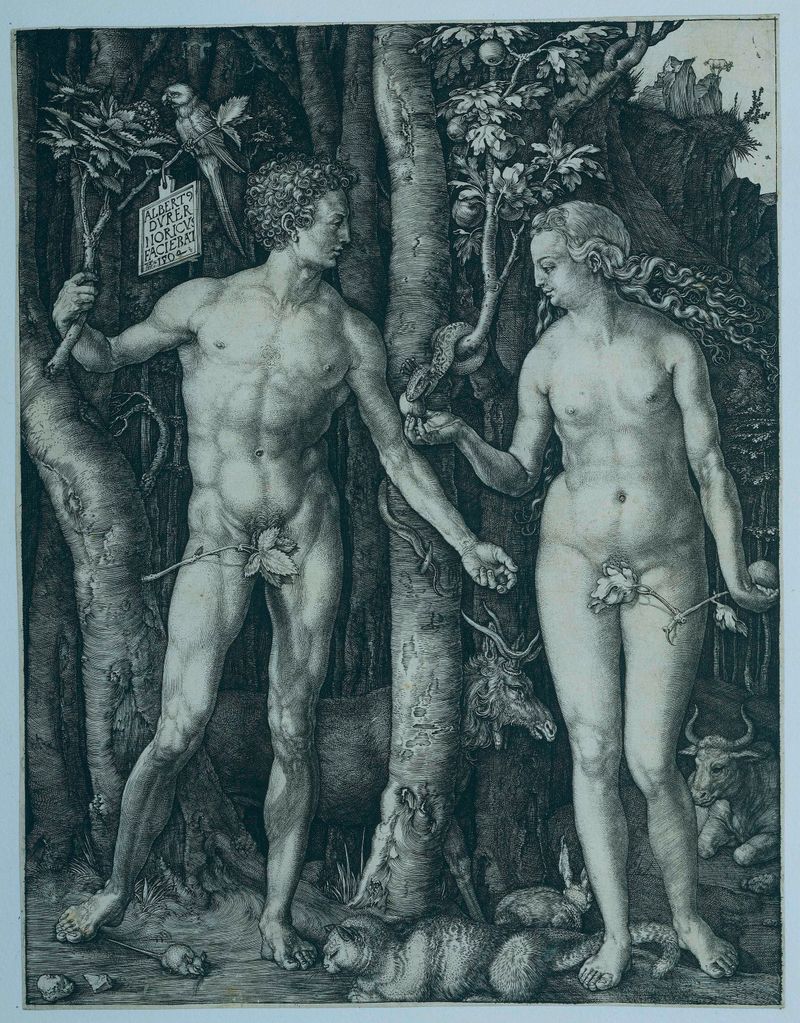
Adam en Eva
Albrecht Dürer
More Religious Art
Browse all →
The Return of the Prodigal Son
Rembrandt van Rijn

The Garden of Earthly Delights
El Bosco

Count Orgaz’ funeral
El Greco

The Hundred Guilder Print: the central piece with Christ preaching, the plate arched
Rembrandt van Rijn

The Descent from the Cross
Rogier van der Weyden

The return of the prodigal son
Rembrandt van Rijn