Orange Lilies — History & Facts
The first thing that catches the eye in Orange Lilies is the way the artist lets the process show through: color and line are not finished to perfection, but left in a state of lively transition. The upper blossoms glow with orange and red, their petals edged and shaded with swift, sure pencil marks, while the lower flower remains only a ghost in graphite. This unfinished quality draws the viewer in, as if allowed to look over the artist’s shoulder while the idea is still forming.
The stems and leaves twist with a natural looseness, suggesting both the delicacy of the lilies and the spontaneity of the sketchbook page. Works like this, by Albert Edelfelt, belong to a time when artists were increasingly fascinated by the direct study of nature, often working outdoors or from life to capture fleeting effects of light and color. While the exact date and medium of this piece are not recorded, it sits within a tradition of botanical studies that served both as scientific documentation and as exercises in observation for painters. The Finnish National Gallery preserves this sheet, a reminder that history has kept few traces of such private moments of looking and learning.
The unfinished flower at the bottom invites you to imagine the next stroke, and to linger a little longer in the quiet company of lilies.
More Artworks by Albert Edelfelt

The Day of Rest
Albert Edelfelt
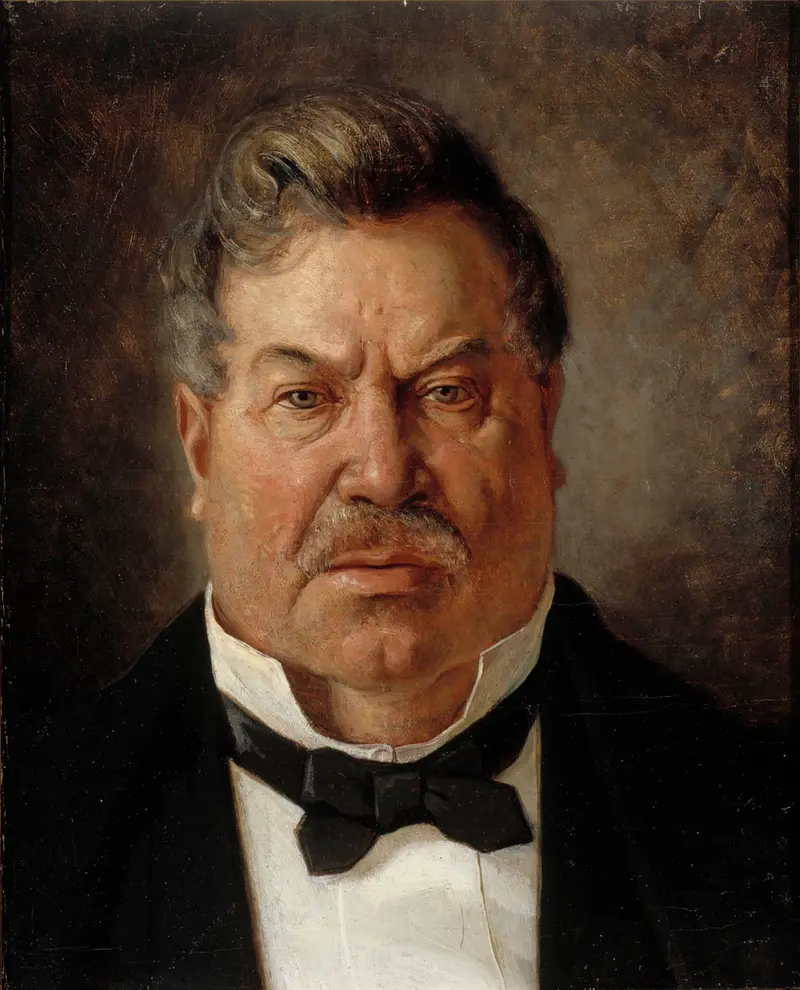
Portrait of August Streng
Albert Edelfelt
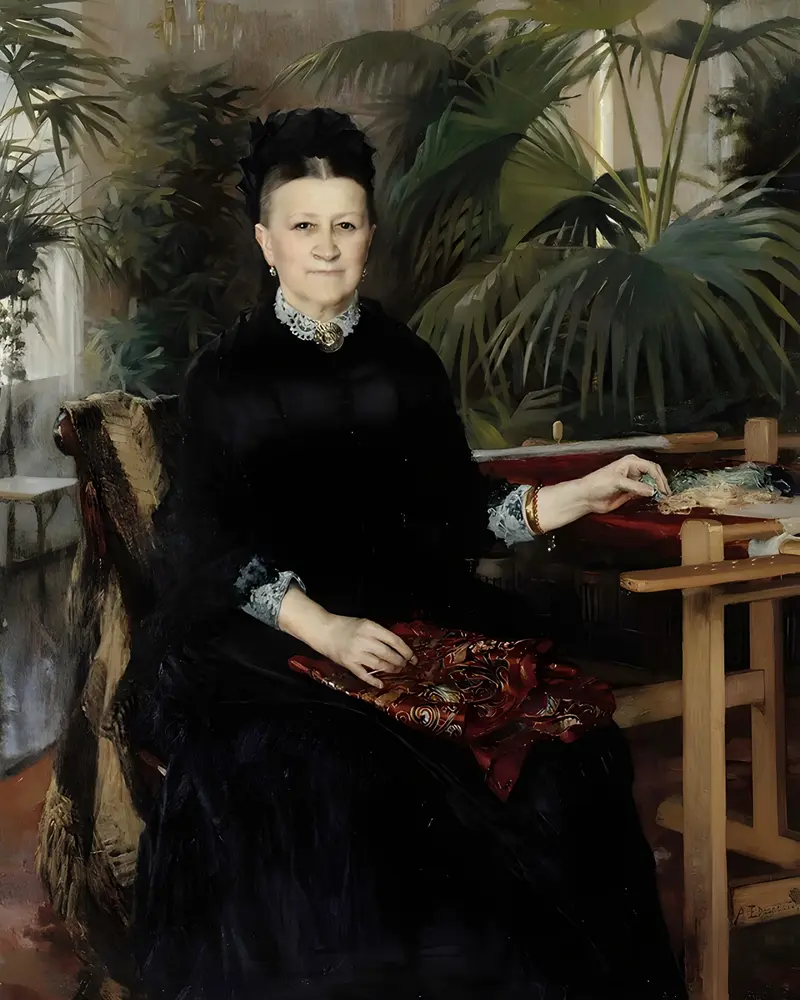
Portrait Of Mrs. Anna Sinebrychoff
Albert Edelfelt

The Poet, Larin Paraske
Albert Edelfelt

Parisian lady in a Peignoir
Albert Edelfelt
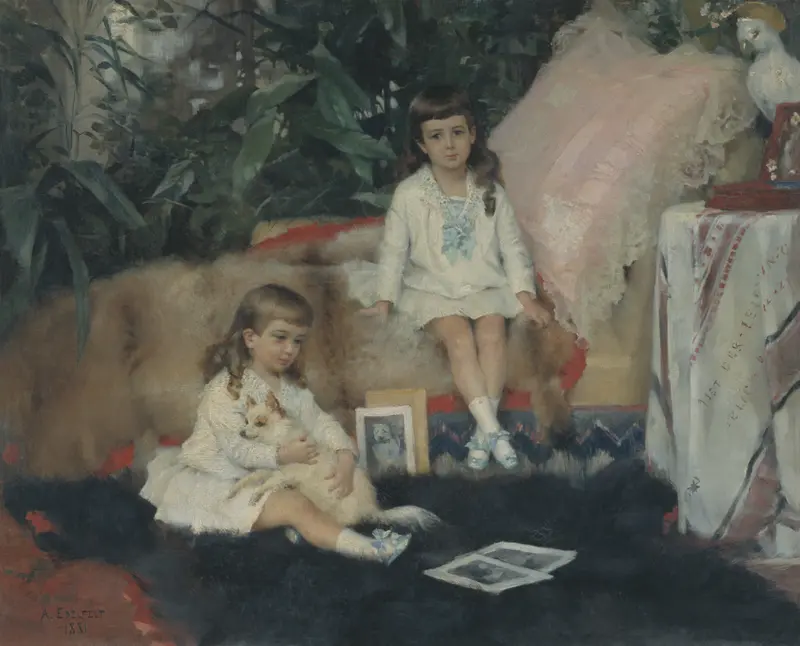
The Grand Dukes Boris and Kirill Vladimirovich as Children
Albert Edelfelt
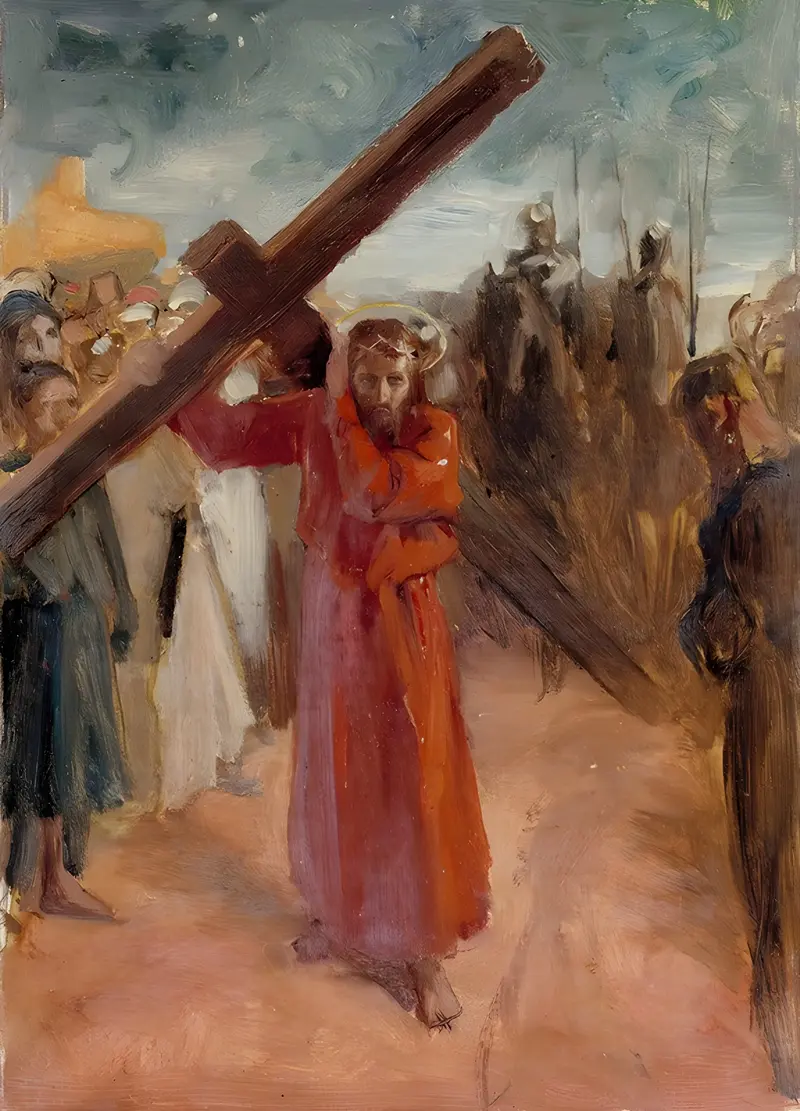
Christ Bears The Cross
Albert Edelfelt
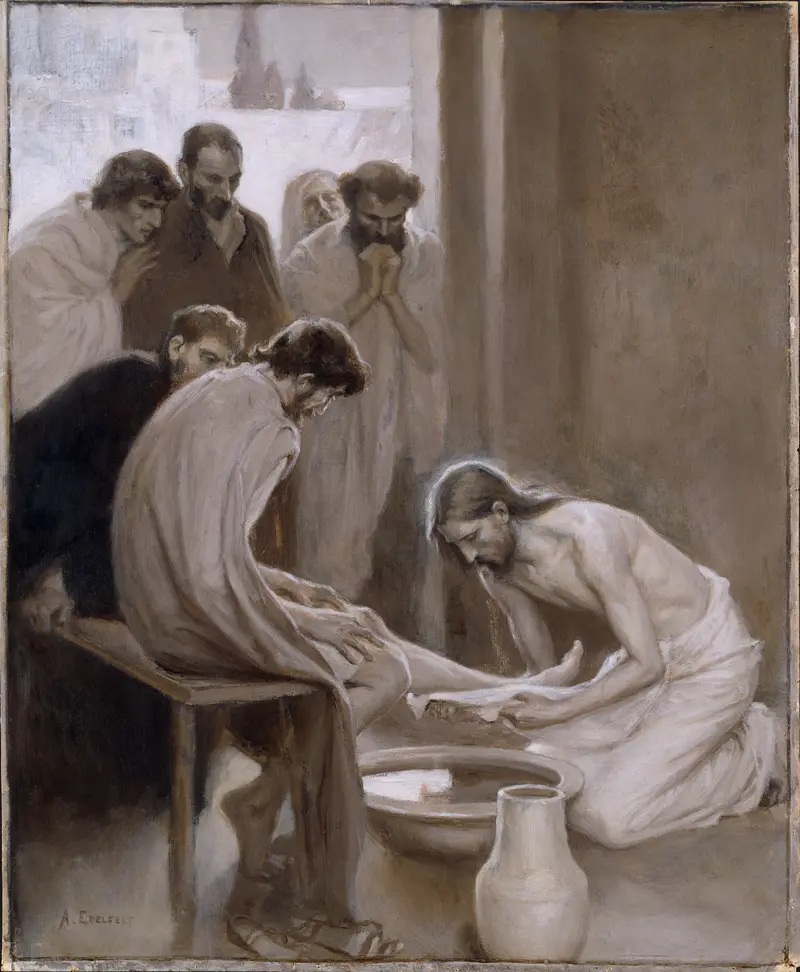
Jesus Washing the Feet of his Disciples
Albert Edelfelt

Larin Paraske with Kantele
Albert Edelfelt
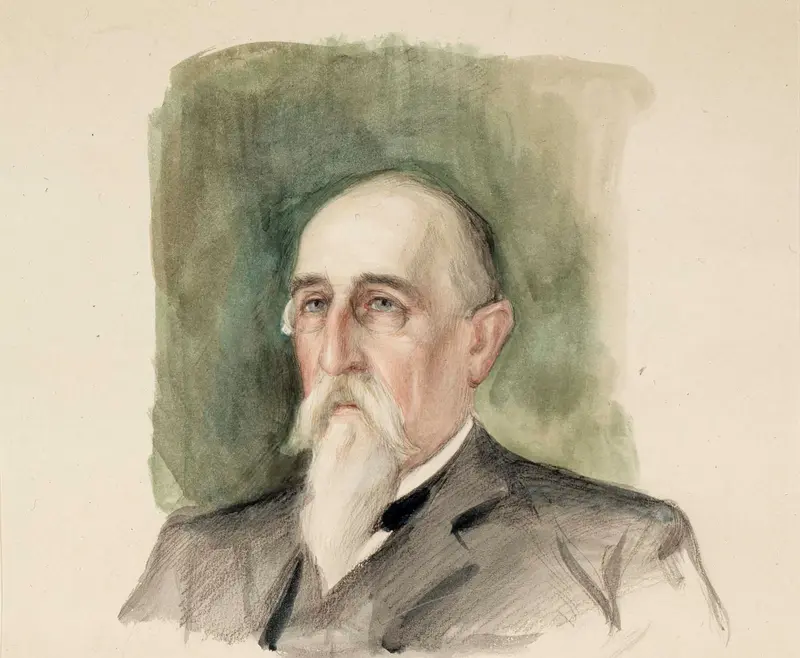
Leo Mechelin, Portrait Study
Albert Edelfelt