
Orizaba, Mexico — History & Facts
Can beauty exist without sorrow? This question lingers in the air, shaped by the ethereal presence of a distant mountain, its peaks kissed by sunlight, while the valleys beneath whisper of untold stories. Look closely at the canvas, where a soft palette of blues and greens draws the eye first towards the majestic silhouette of Orizaba. The interplay of light and shadow creates a sense of depth, inviting you to explore the contours of the landscape. Notice how the artist employs delicate brushstrokes to convey the lush foliage that envelops the mountain, evoking a sense of harmony in nature, yet hinting at an underlying tension in the stillness of the scene. Within the grand vista lies a contrast that speaks volumes; the mountain stands resilient and unyielding against the vast, azure sky, accentuating the fragility of life below.
The juxtaposition of towering strength and the quiet beauty of the valley reveals a deeper narrative of both aspiration and melancholy, suggesting that even the most breathtaking sights may carry an undercurrent of sorrow. This duality captures a fleeting moment—a revelation of interconnectedness between beauty and pain. Kanji Nakamura created this artwork during the late 19th to early 20th century, a time when he was deeply influenced by both Japanese aesthetics and Western painting techniques. Living in an era marked by cultural exchange and transformation, Nakamura's works reflect a unique blending of perspectives, as he sought to express profound emotional truths through landscape art.
More Artworks by Kanji Nakamura
Browse all →
Courtyard of an Old Palace, Palermo
Kanji Nakamura
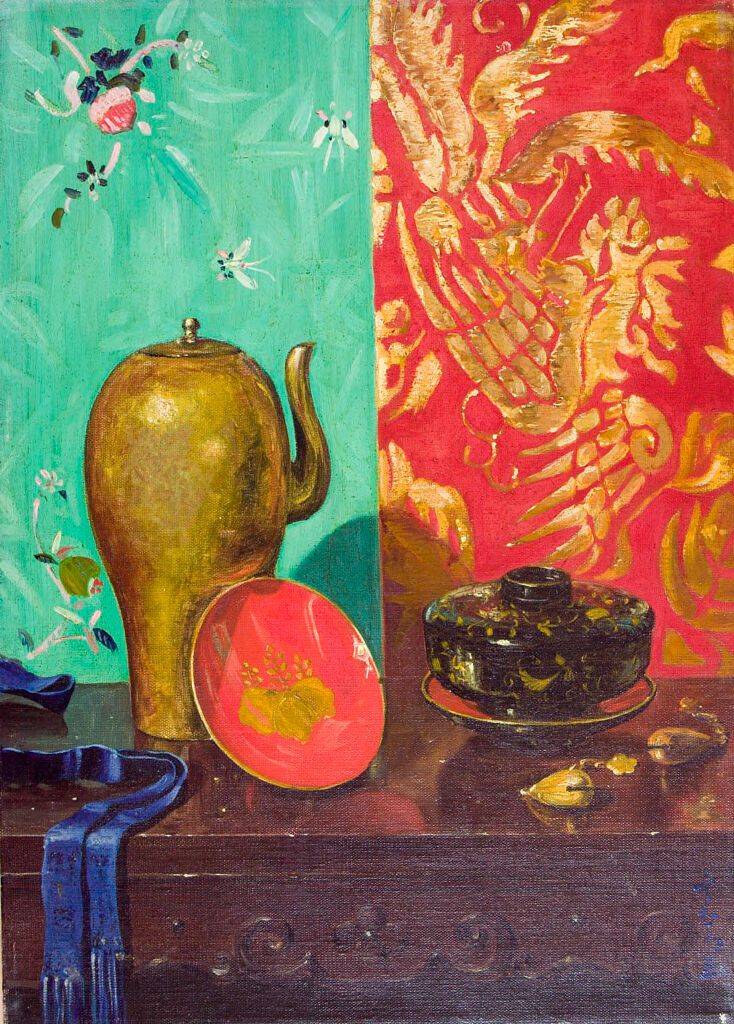
Still Life with Vessel, Plate and Ink Jar
Kanji Nakamura
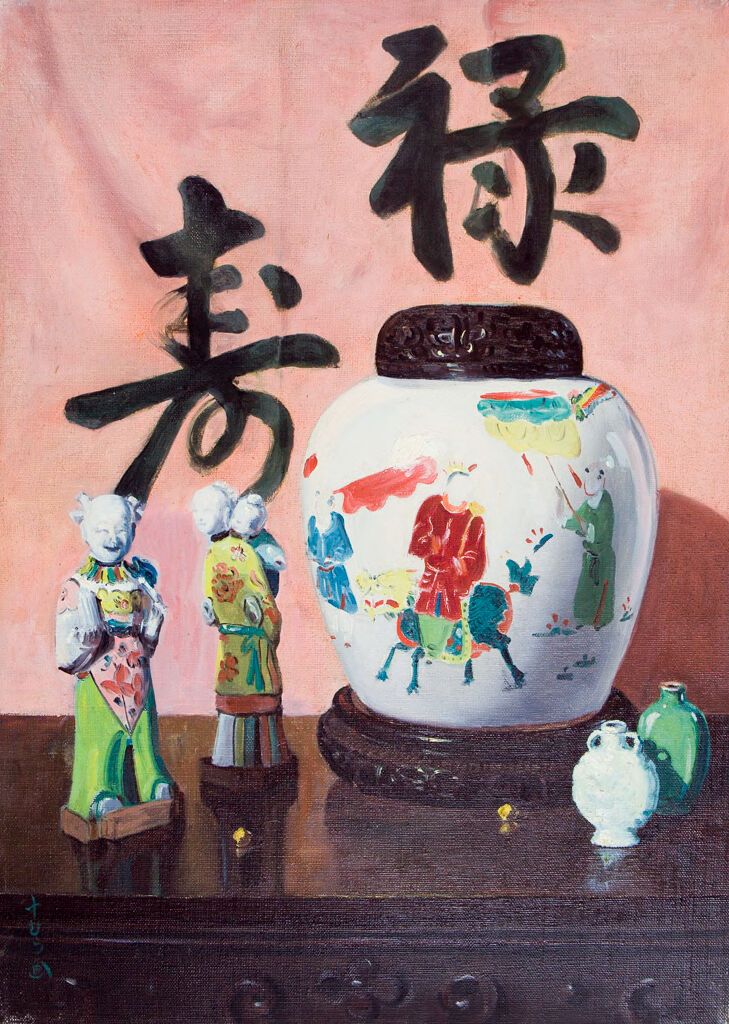
Still Life with Jars and Figurines
Kanji Nakamura
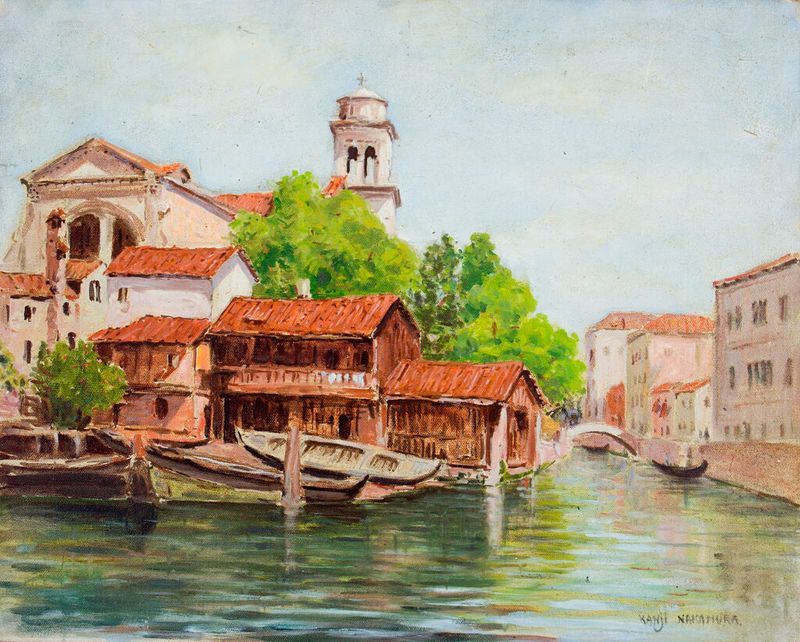
Canal Scene with Buildings and Steeple
Kanji Nakamura

Flowers
Kanji Nakamura

Self-Portrait
Kanji Nakamura

Still Life with Oriental Head
Kanji Nakamura
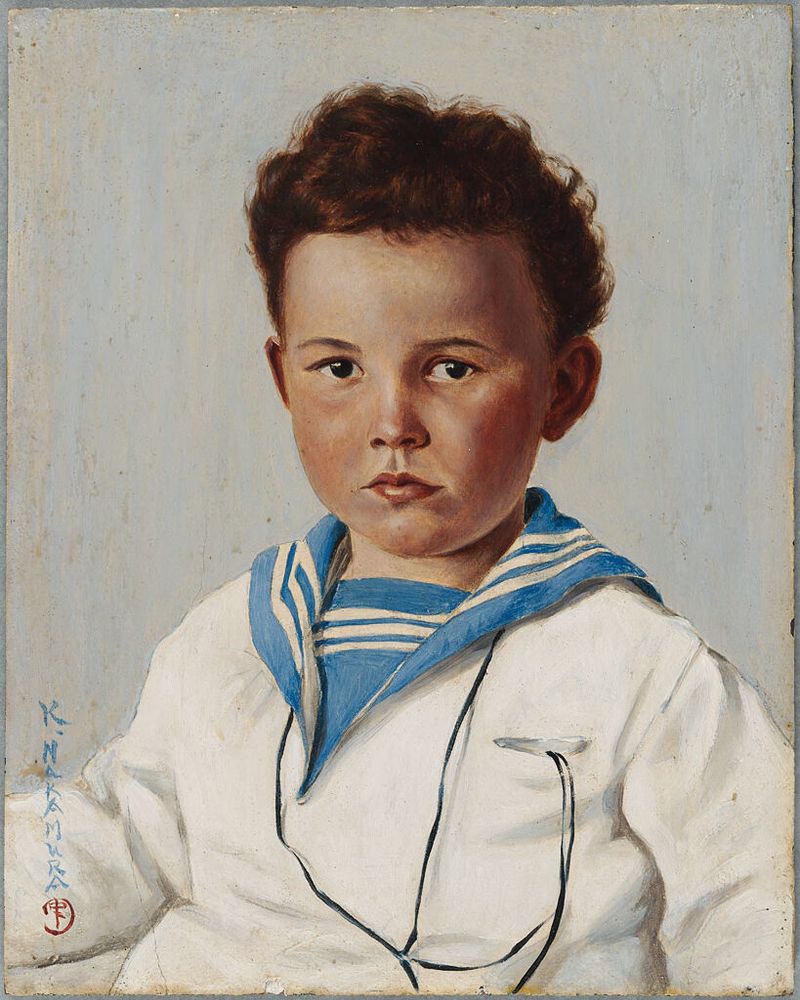
Portrait of a Boy
Kanji Nakamura

Still Life with Grapes and Pomegranates
Kanji Nakamura
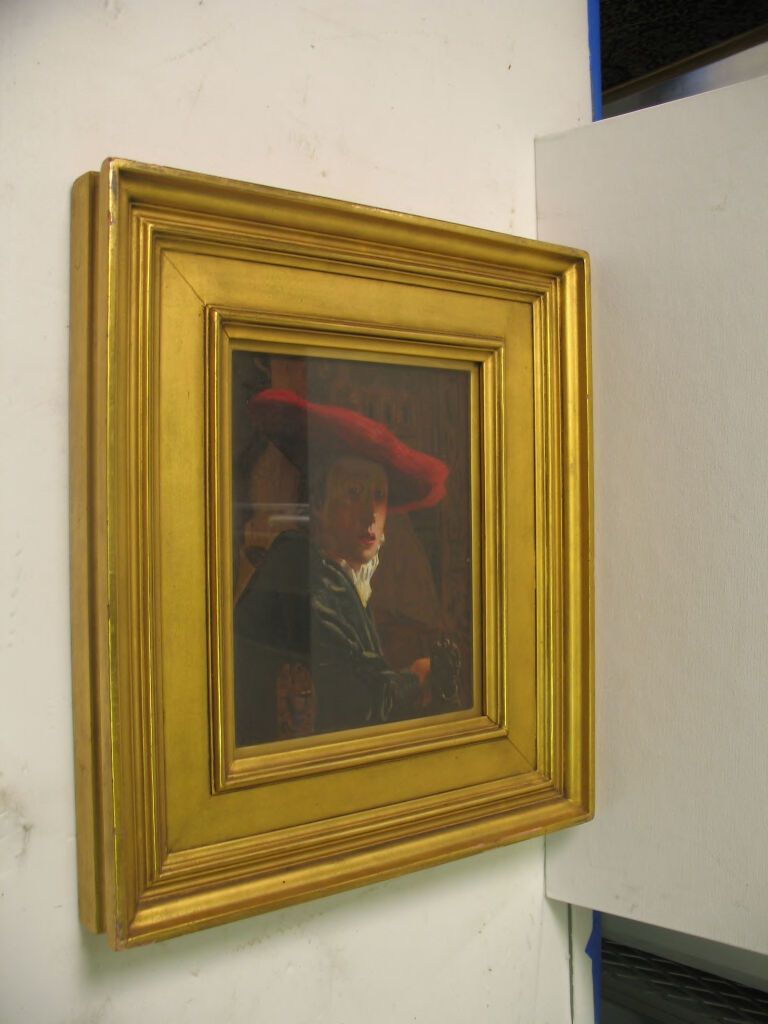
Portrait of a Young Woman in a Red Hat, after Vermeer
Kanji Nakamura





