Still Life with Grapes and Pomegranates — History & Facts
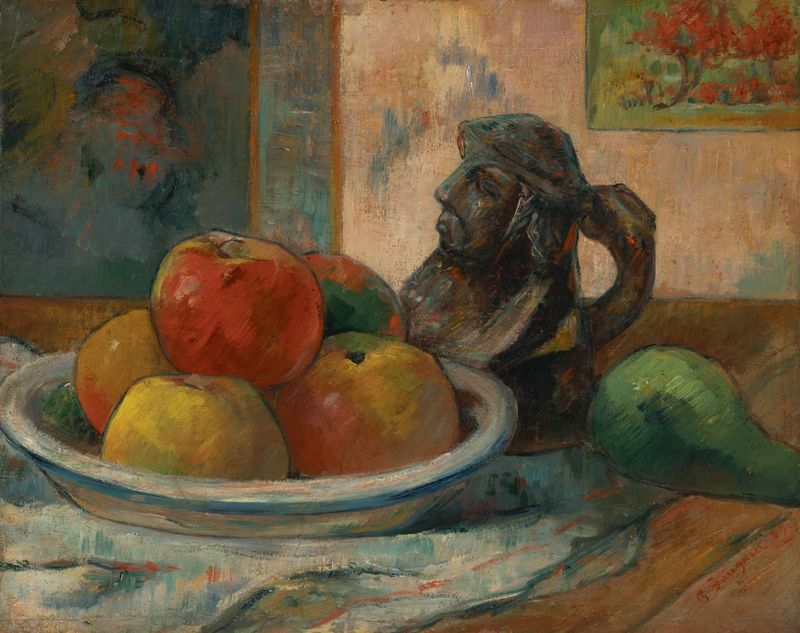
In a world where decay often dominates, beauty can emerge in the most unexpected forms. Each fruit captures the lingering essence of life, reminding us of time’s inevitable passage and the fleeting nature of existence. Look closely at the arrangement: a cluster of grapes, their skin glistening with a delicate sheen, rests beside the vivid, almost theatrical burst of pomegranate seeds. Notice how the deep, rich colors contrast—the deep purples and reds against the muted earth tones of the background.
The meticulous brushwork reveals textures that evoke a tactile response, inviting you to reach out and touch the very essence of the fruits. As you absorb the composition, pay attention to the subtle interplay between light and shadow. The grapes, ripe yet beginning to show signs of decay, symbolize both fertility and the transience of life. The pomegranates, split open, reveal their glistening secrets, suggesting themes of abundance and loss intertwined.
This juxtaposition speaks to the beauty that arises from imperfection, urging the viewer to reflect on how decay can transform into grace. Kanji Nakamura created this piece in the late 19th to early 20th century, a time when Japanese artists began integrating Western techniques into their work. Amidst a period of significant cultural exchange, Nakamura sought to explore the tensions of life through the lens of nature, highlighting an era that embraced both tradition and innovation. His choice of subject reveals a deep contemplation of existence, echoing broader artistic movements while remaining rooted in his unique vision.
More Artworks by Kanji Nakamura
Browse all →
Courtyard of an Old Palace, Palermo
Kanji Nakamura
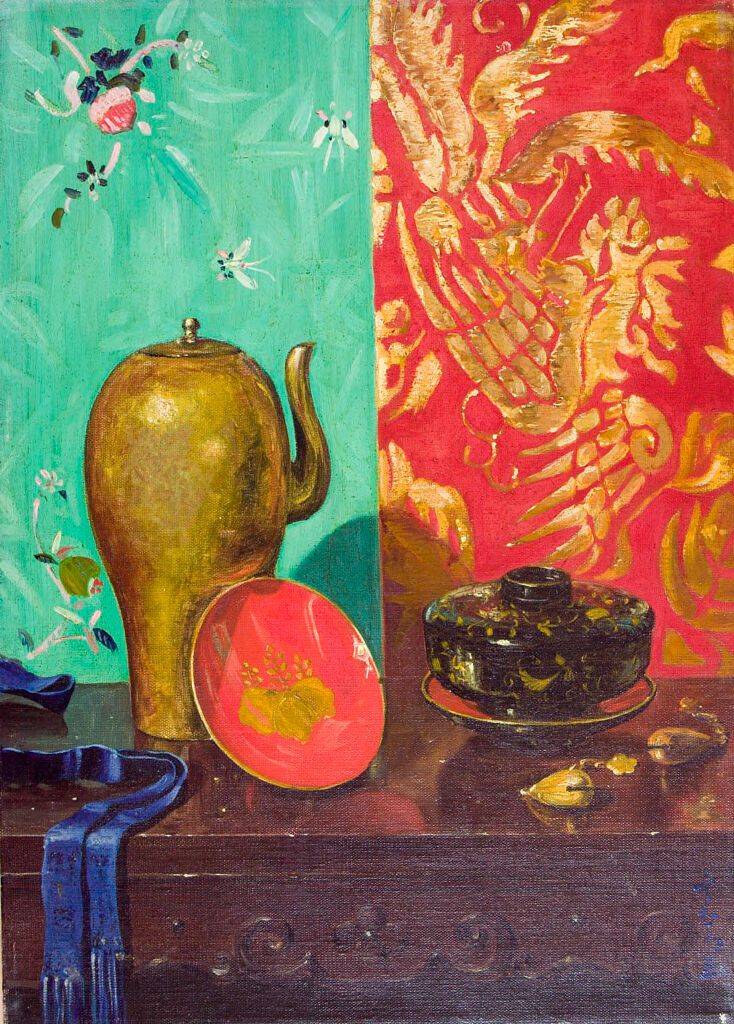
Still Life with Vessel, Plate and Ink Jar
Kanji Nakamura
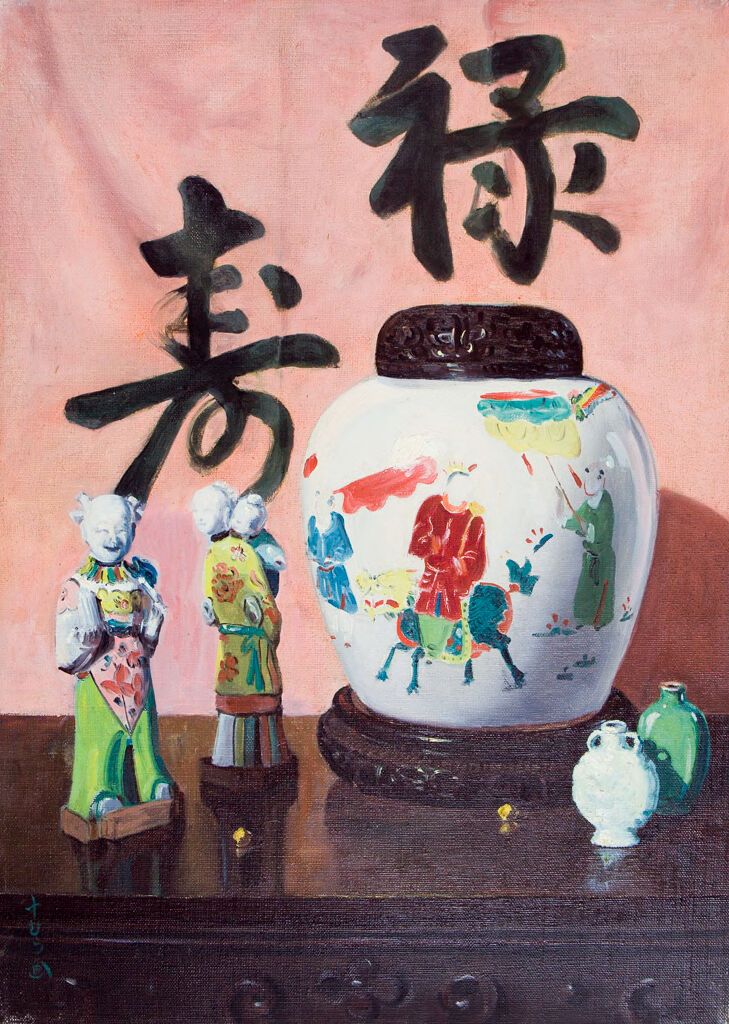
Still Life with Jars and Figurines
Kanji Nakamura
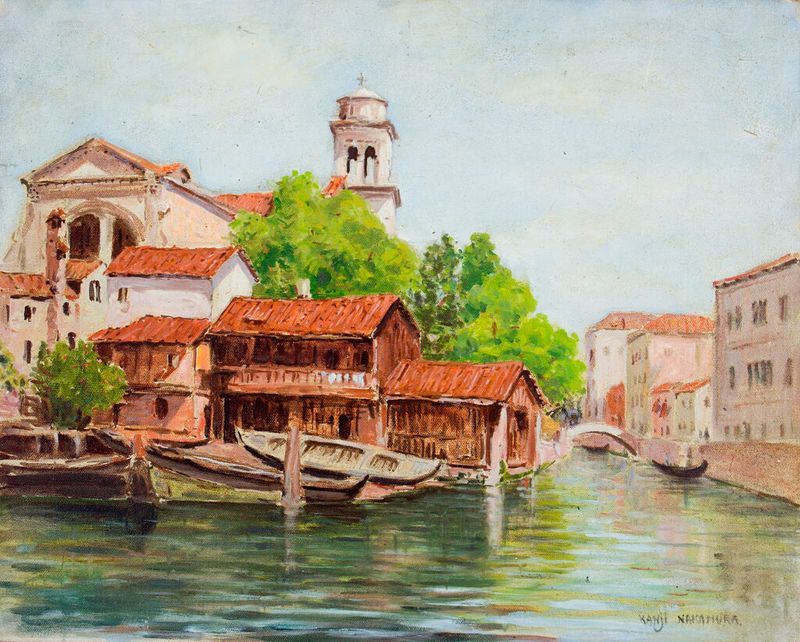
Canal Scene with Buildings and Steeple
Kanji Nakamura

Flowers
Kanji Nakamura

Orizaba, Mexico
Kanji Nakamura

Self-Portrait
Kanji Nakamura

Still Life with Oriental Head
Kanji Nakamura
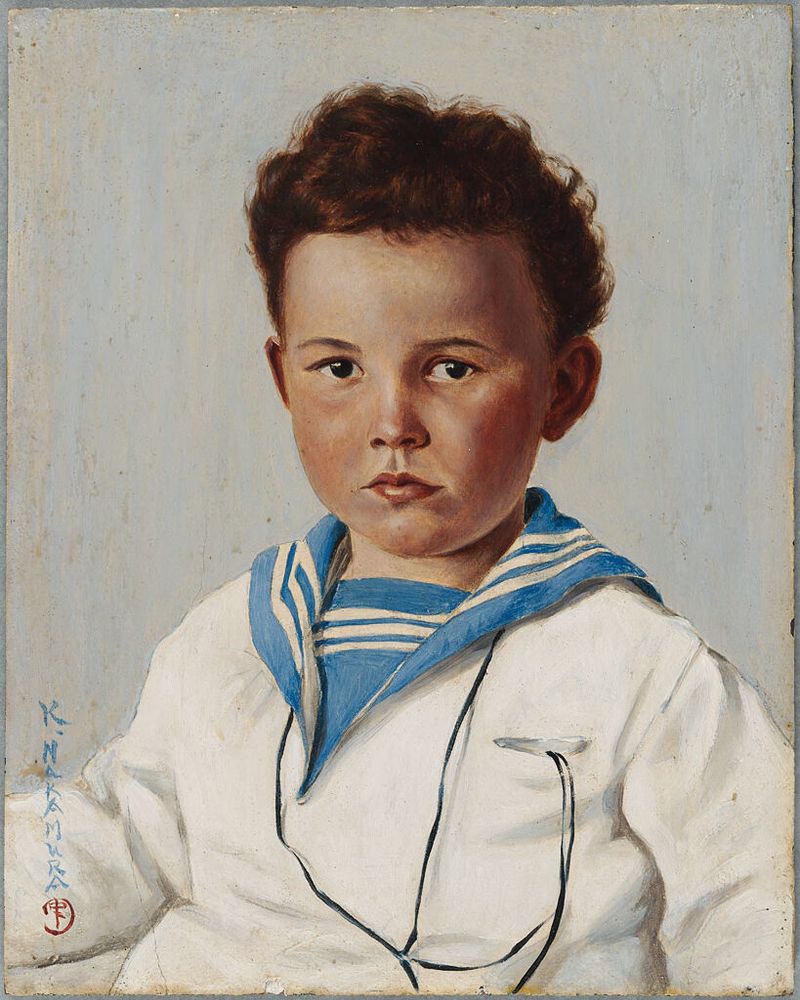
Portrait of a Boy
Kanji Nakamura
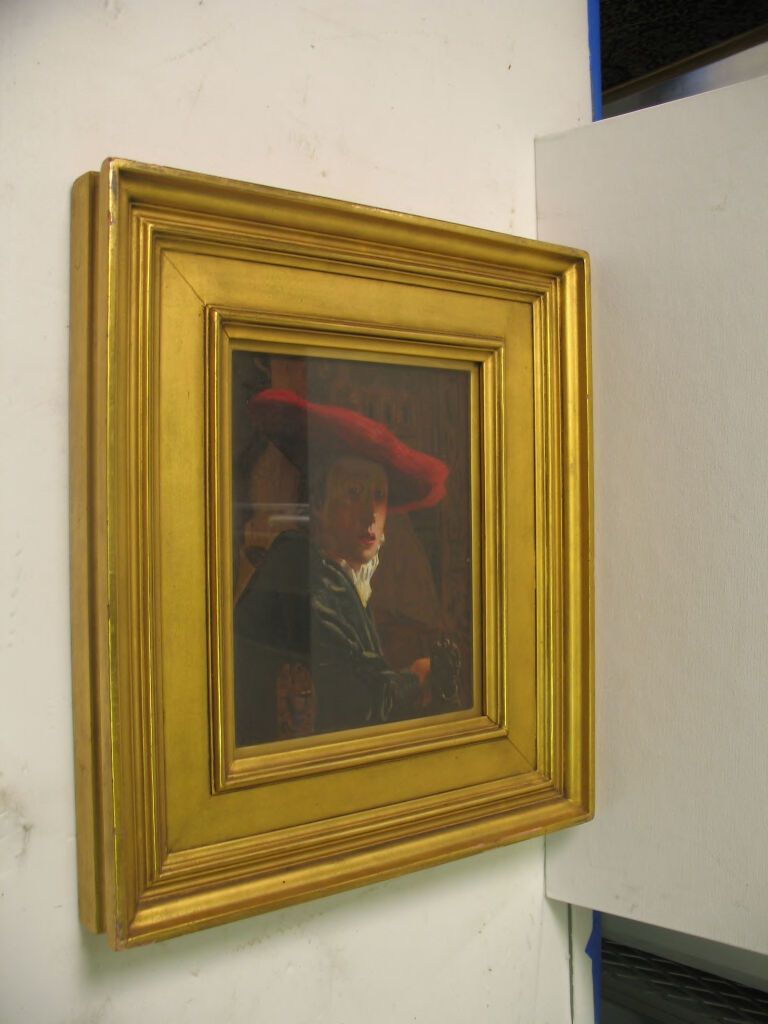
Portrait of a Young Woman in a Red Hat, after Vermeer
Kanji Nakamura