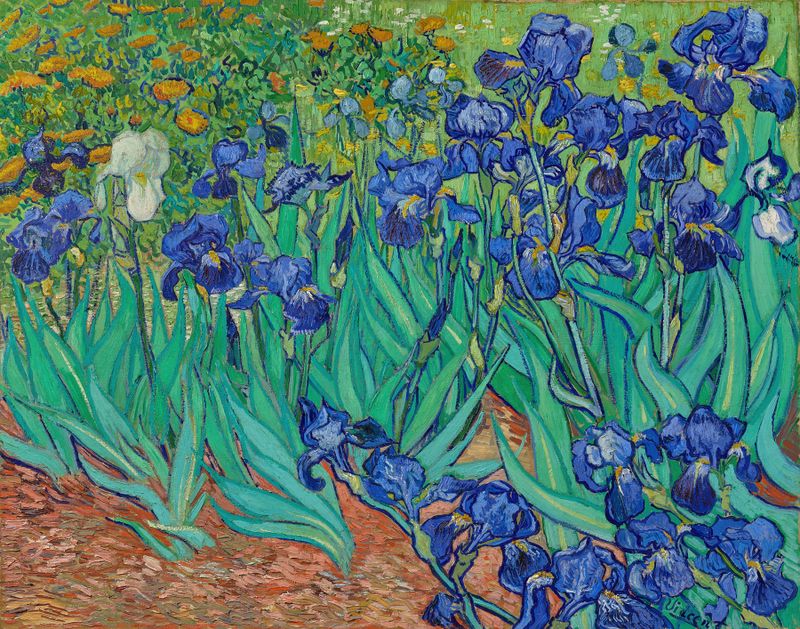
Flowers — History & Facts
In an ephemeral world where beauty fades, art becomes a vessel for capturing the vibrancy of life and the inevitability of its decline. Look closely at the delicate petals unfurling to reveal their radiant hues, a riot of colors dancing across the canvas. The strokes are both tender and deliberate, inviting the viewer to explore the intricate textures that seem almost tangible. Notice how the light plays upon the blossoms, casting soft shadows that deepen the sense of intimacy and transience.
Each bloom reaches out, a silent testament to the fragility of existence, while the background gently recedes, emphasizing the elegance of this fleeting moment. Beneath the surface, the painting evokes a poignant contrast between the vivacity of the flowers and the lurking shadows of decay. The richness of the colors symbolizes life’s exuberance, yet the delicate, wilting edges of some petals whisper of mortality, reminding us that beauty is often intertwined with loss. This duality creates an emotional tension, prompting reflection on the cycles of nature and the impermanence that defines our own lives. Kanji Nakamura created Flowers during the transitional period between the 19th and 20th centuries in Japan, a time marked by rapid modernization and change.
As the world around him shifted, he sought to preserve the essence of traditional beauty through his art. This work reflects both personal and cultural themes, capturing the artist’s desire to hold on to the ephemeral, offering a stark yet beautiful commentary on the nature of time and memory in an evolving society.
More Artworks by Kanji Nakamura
Browse all →
Courtyard of an Old Palace, Palermo
Kanji Nakamura
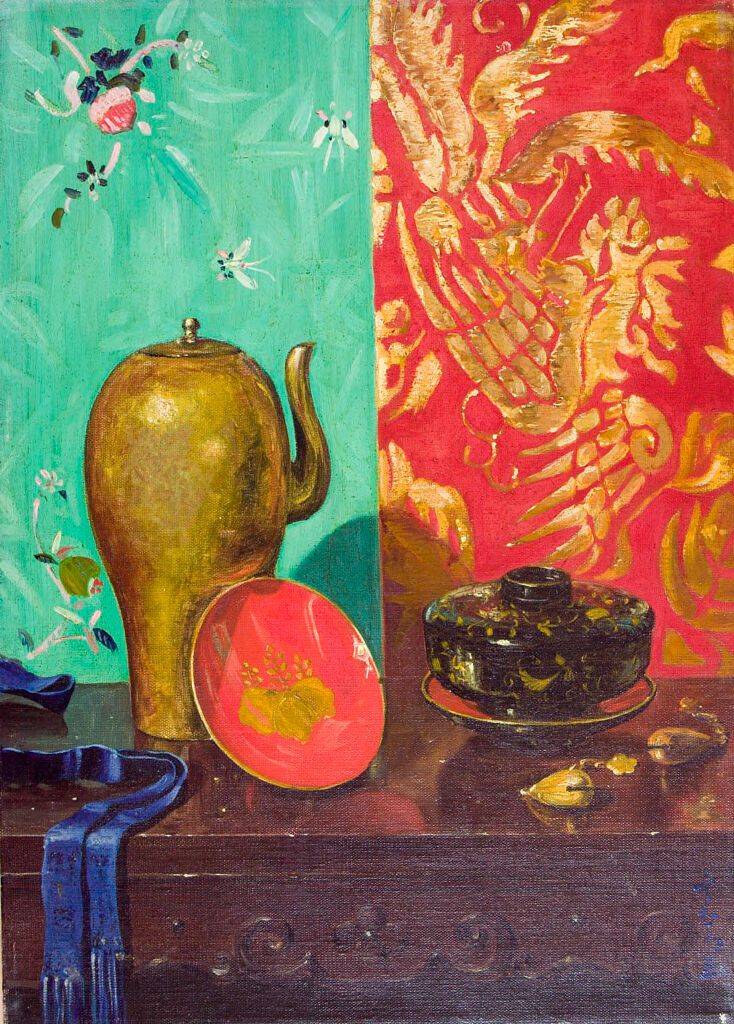
Still Life with Vessel, Plate and Ink Jar
Kanji Nakamura
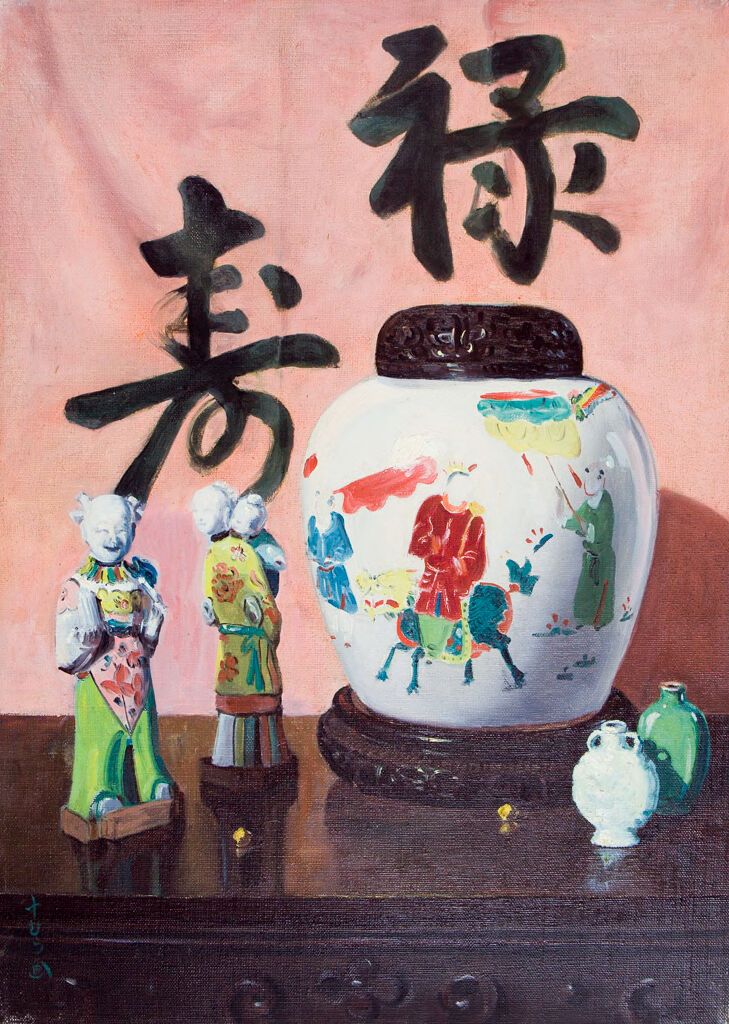
Still Life with Jars and Figurines
Kanji Nakamura
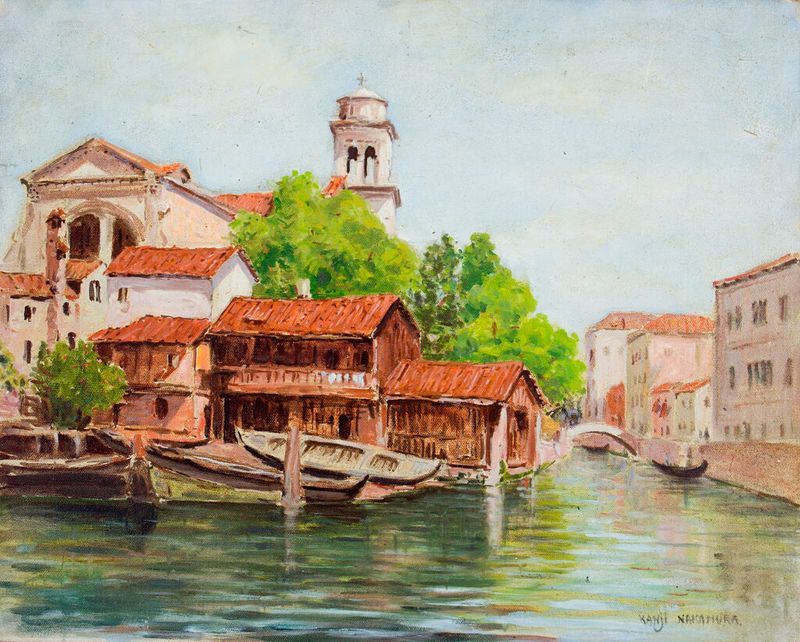
Canal Scene with Buildings and Steeple
Kanji Nakamura

Orizaba, Mexico
Kanji Nakamura

Self-Portrait
Kanji Nakamura

Still Life with Oriental Head
Kanji Nakamura
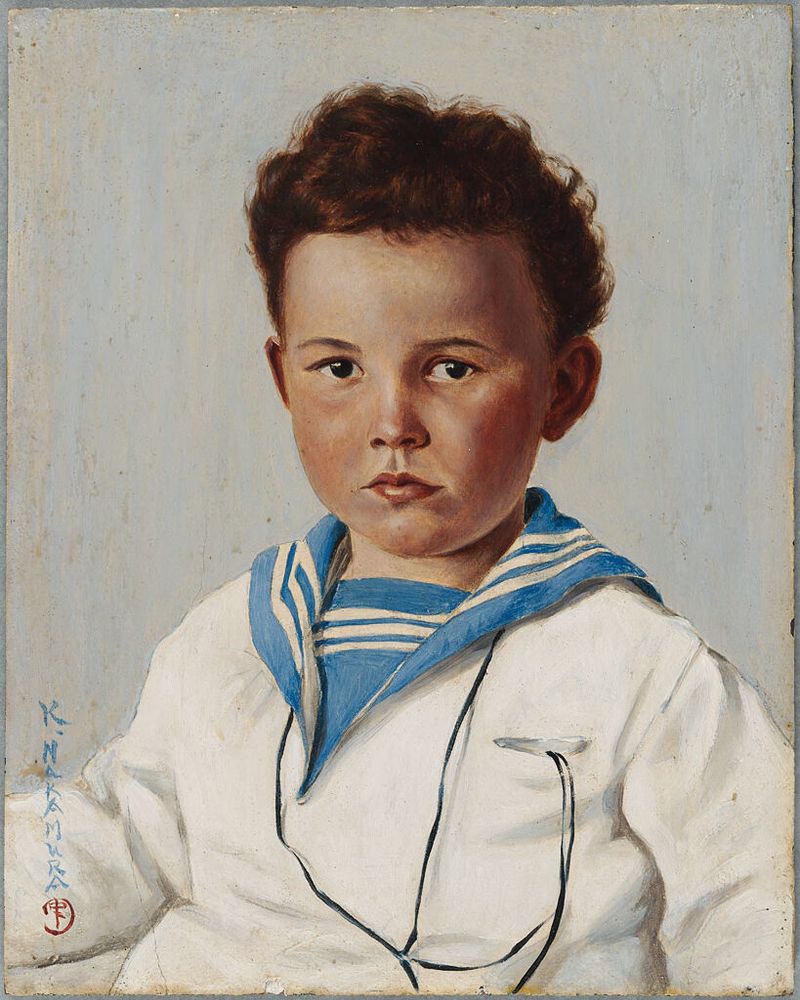
Portrait of a Boy
Kanji Nakamura

Still Life with Grapes and Pomegranates
Kanji Nakamura
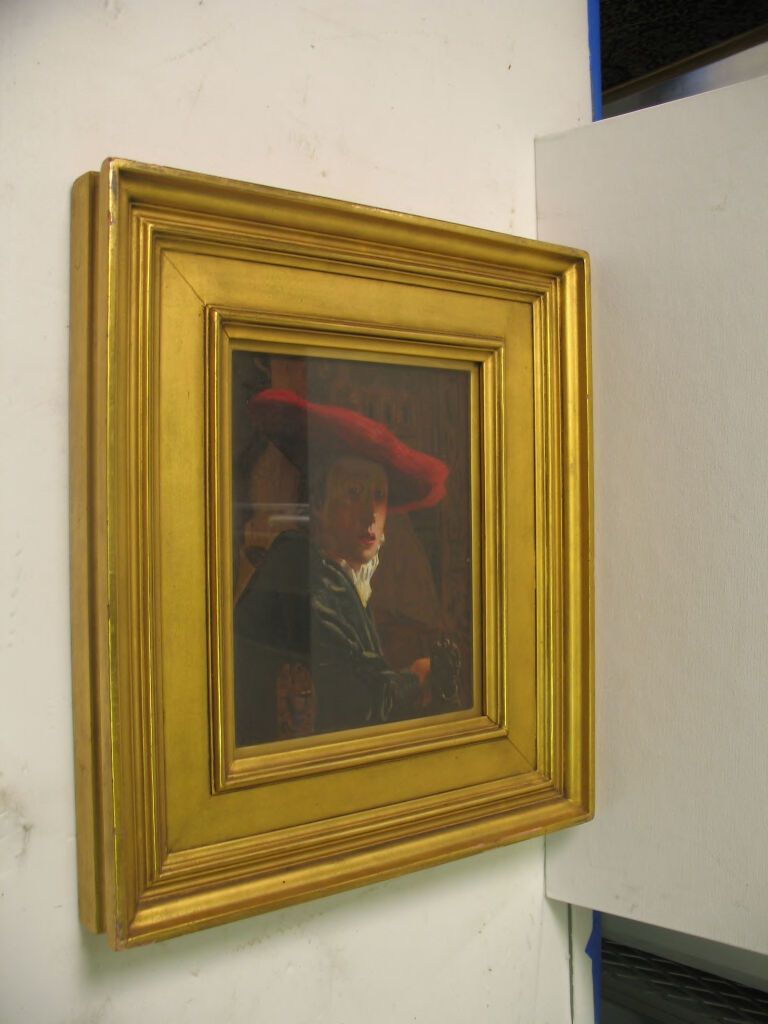
Portrait of a Young Woman in a Red Hat, after Vermeer
Kanji Nakamura