
Osmington Village — History & Facts
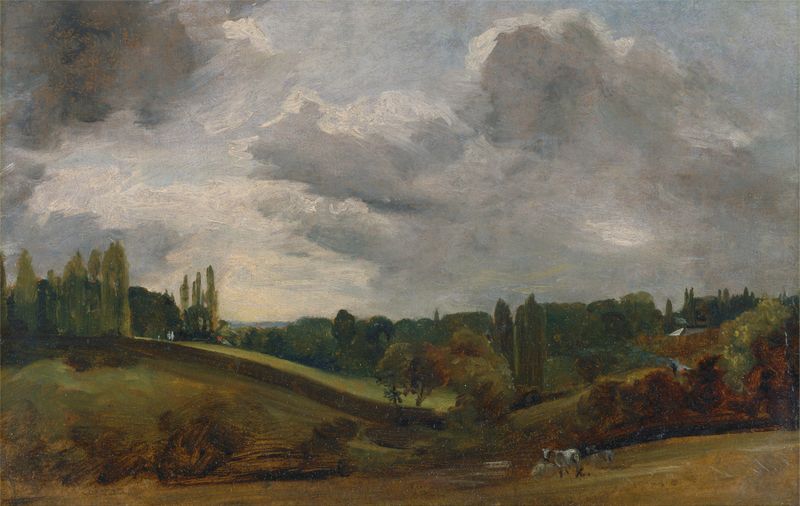
When did color learn to lie? The hues that adorn Osmington Village whisper secrets of destiny, revealing the truths that lie beneath the surface of pastoral life. Look to the left at the vibrant greens, where fields stretch out under a sun that casts a warm golden light. The sky swells with clouds, dynamic yet soft, inviting your gaze across the gently rolling landscape. Notice how the brushstrokes embody a delicate dance, creating texture in the trees and the thatched roofs, as if nature itself breathes within the confines of the frame.
This harmonious arrangement beckons you to explore the warmth of rural existence and the underlying currents of time that shape it. Within the tranquility of this bucolic scene, there lies an emotional tension—a juxtaposition of permanence and transience. The steady, earthy colors suggest a place caught in the embrace of history, while the fleeting clouds hint at the passage of time, evoking a sense of nostalgia. Furthermore, the figures, small and purposeful, are mere echoes of the larger narrative, reminding us that life, much like the landscape, is both intimate and expansive, filled with moments that shape our destinies. Created between 1816 and 1817, this piece reflects Constable's deep connection to the English countryside during a period of personal upheaval and artistic evolution.
As he battled with the expectations of the Royal Academy and sought to define his own voice, he found solace and inspiration in the familiar landscapes of his youth. This painting stands as a testament to his commitment to capturing the essence of nature, as he navigated the complexities of his own artistic journey amidst the broader shifts in the art world.
More Artworks by John Constable
Browse all →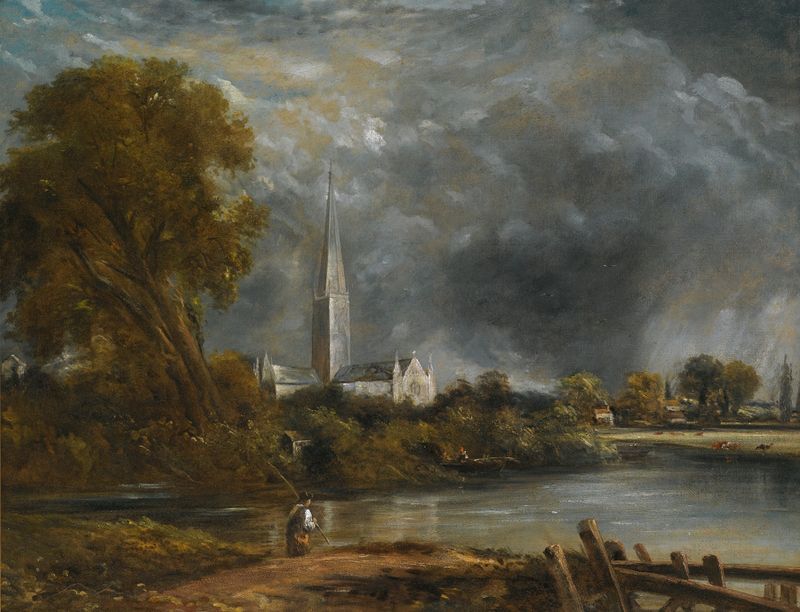
Salisbury Cathedral From The Meadows
John Constable
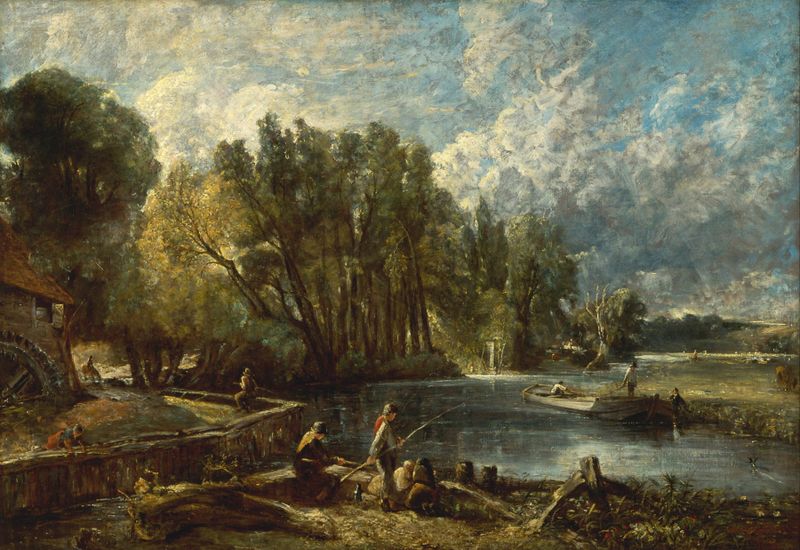
Stratford Mill
John Constable
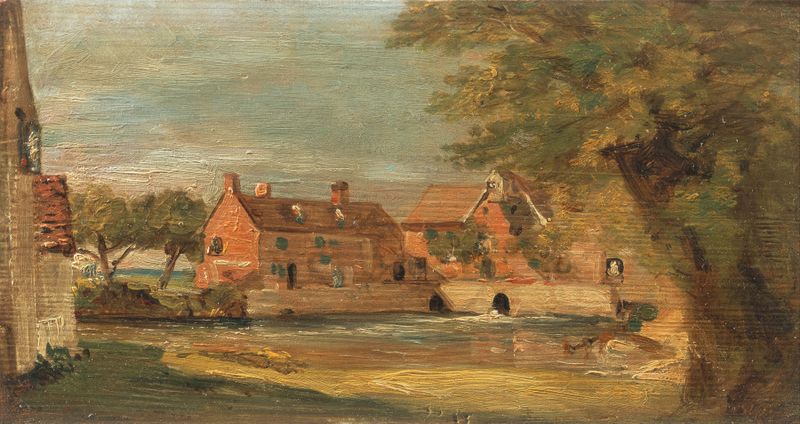
Flatford Mill
John Constable
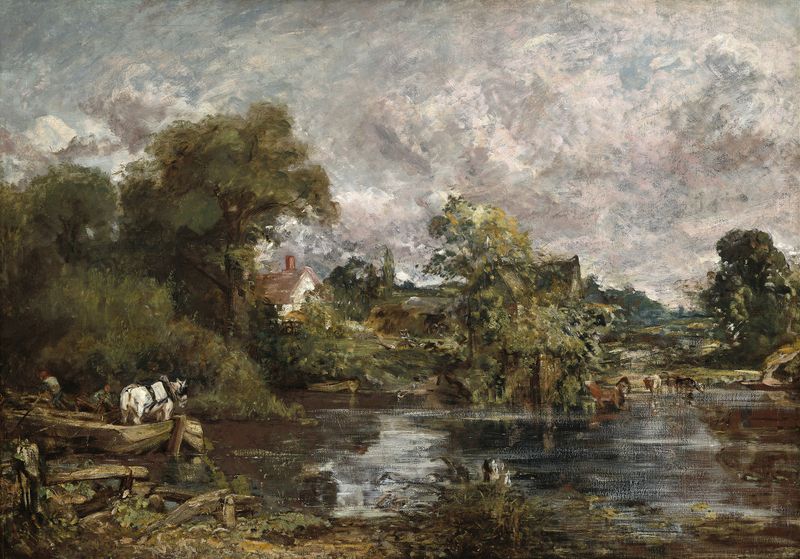
The White Horse
John Constable
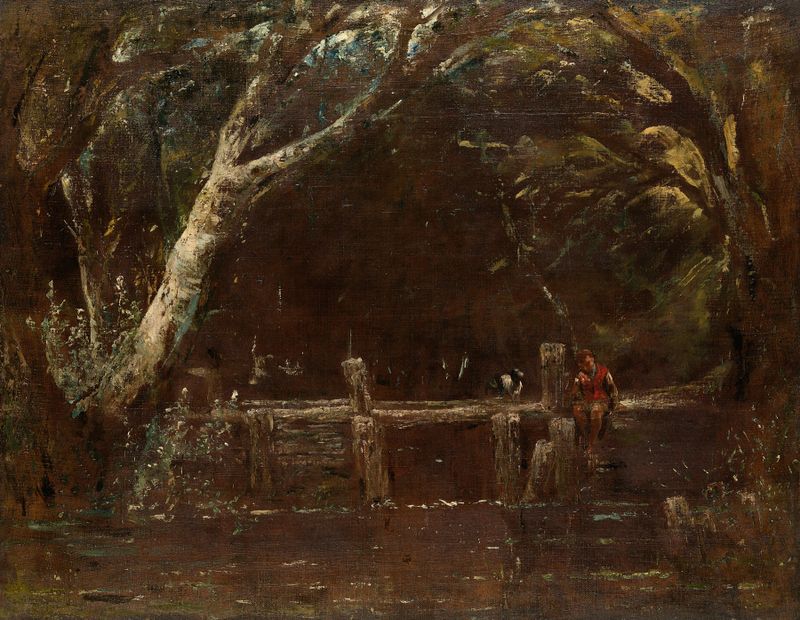
Landscape (The Lock)
John Constable
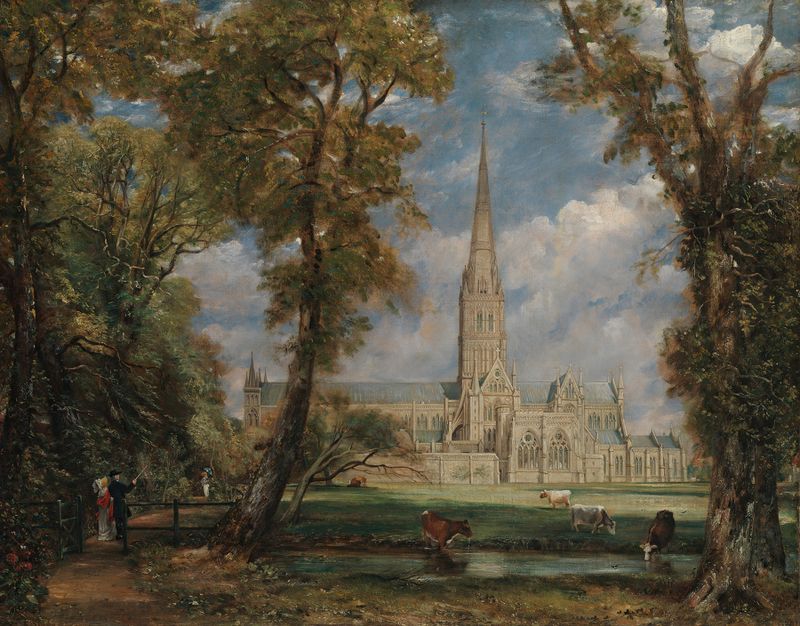
Salisbury Cathedral from the Bishop’s Grounds
John Constable
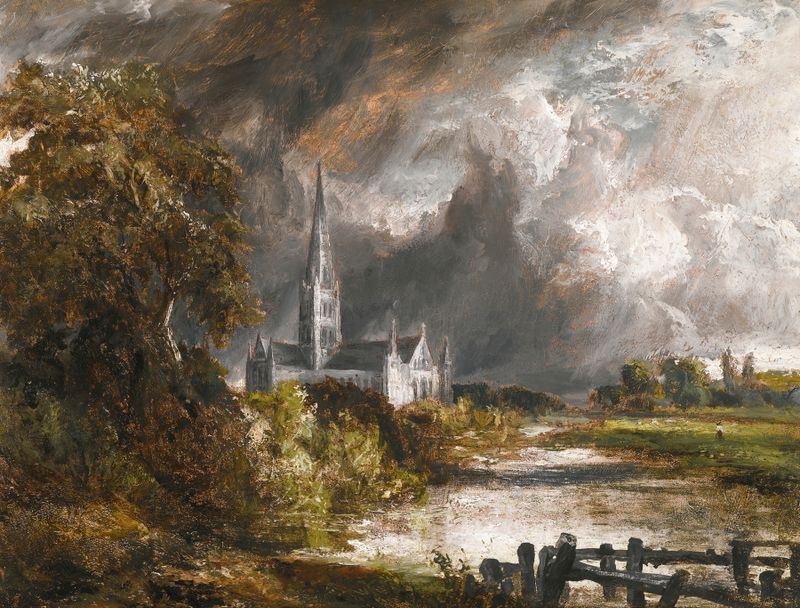
Salisbury Cathedral From The Meadows
John Constable
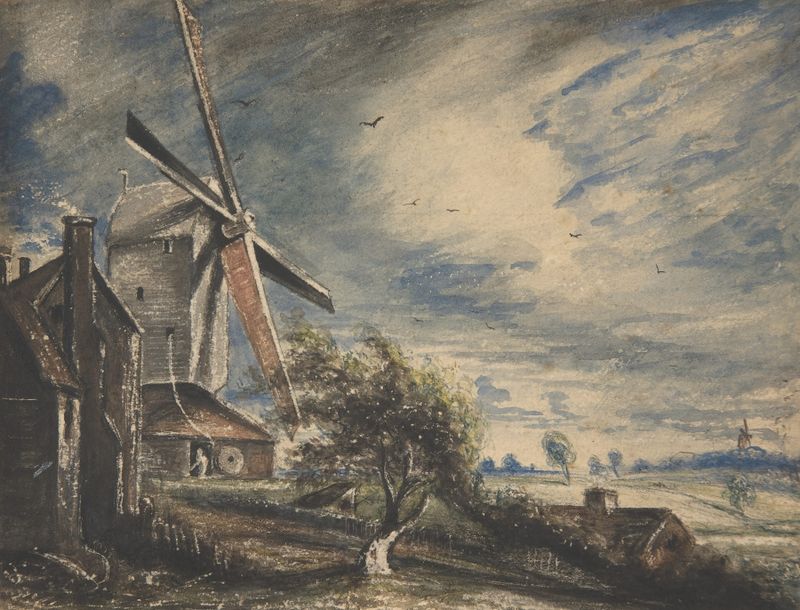
A Mill Near Colchester
John Constable
East Bergholt
John Constable

Flatford Mill
John Constable





