
Oude paleis van koningin Jeanne bij het verlaten van Napels via de Porta Capuana — History & Facts
In a time of upheaval, where chaos reigns and cities tremble, visual storytelling becomes a refuge for our disquieted hearts. It is in this frame that we confront the remnants of a past laden with fragility and splendor. Look to the center of the composition, where the grand façade of the palace looms majestically over the bustling scene below. Notice how the play of light cascades across the architectural details, illuminating soft, pastel hues amidst the earthy tones of the streets.
The artist’s skillful application of watercolor captures the vibrancy of life as figures move with purpose, their gestures a testament to the urgency that permeates this moment of departure. Amidst the lively tableau, a tension unfolds between the serenity of the structure and the energy of the fleeing populace. The juxtaposition of the still palace against the chaotic motion of the crowd speaks to the broader narrative of change and transition. Every figure, turned away or hurriedly advancing, echoes the uncertainty of a nation grappling with its own evolution, while small details—the fluttering banners and the scattered belongings—carry the weight of nostalgia for what is lost. In 1778, Ducros painted this scene in a Naples teetering on the brink of revolution.
The city was a focal point of artistic and political turmoil, as the Enlightenment ideals clashed with existing powers. This work reflects not only his mastery of watercolor but also his keen awareness of the shifting tides of society, positioning him within a moment ripe for exploration and expression.
More Artworks by Abraham-Louis-Rodolphe Ducros
Browse all →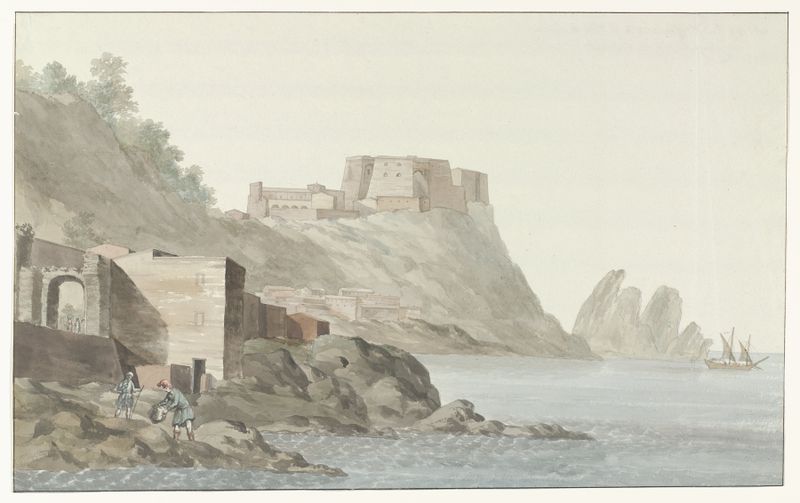
Rots en stad Scilla in de regio Calabrië aan de oostkust
Abraham-Louis-Rodolphe Ducros
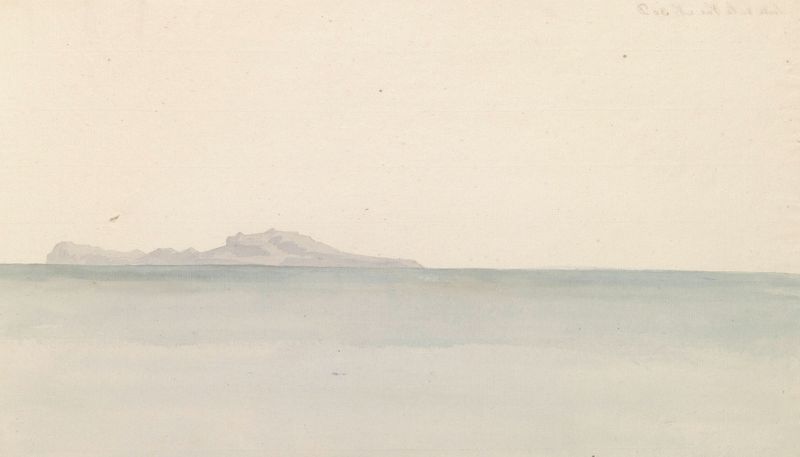
Gezicht op Golf van Napels vanaf kade bij kerk Santa Maria del Carmine
Abraham-Louis-Rodolphe Ducros
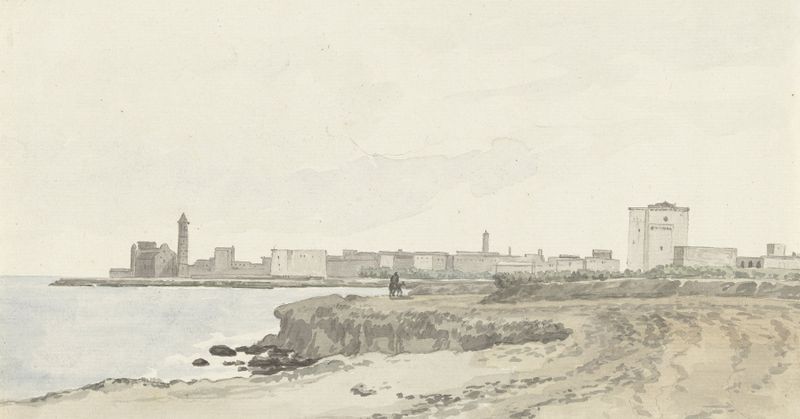
Gezicht op Trani gelegen aan de kust
Abraham-Louis-Rodolphe Ducros
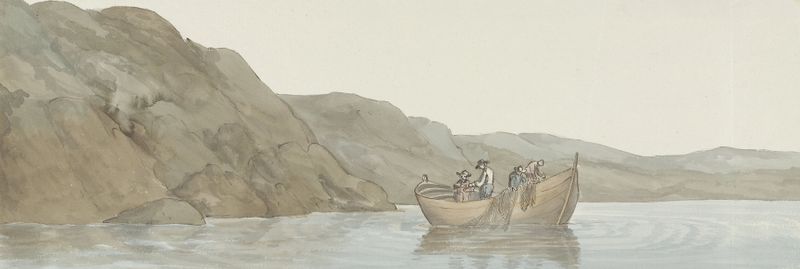
Gezicht op Kaap Paceco in Calabrië nabij de stad Scilla
Abraham-Louis-Rodolphe Ducros
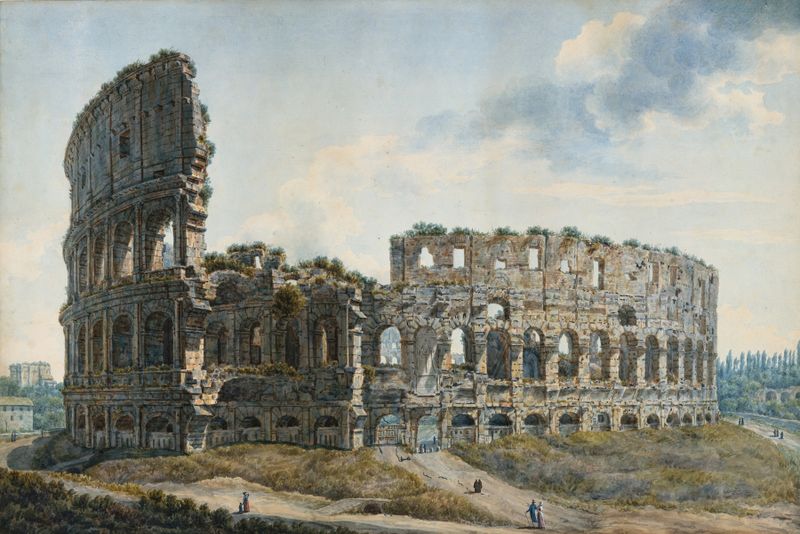
The Colosseum, Rome.
Abraham-Louis-Rodolphe Ducros
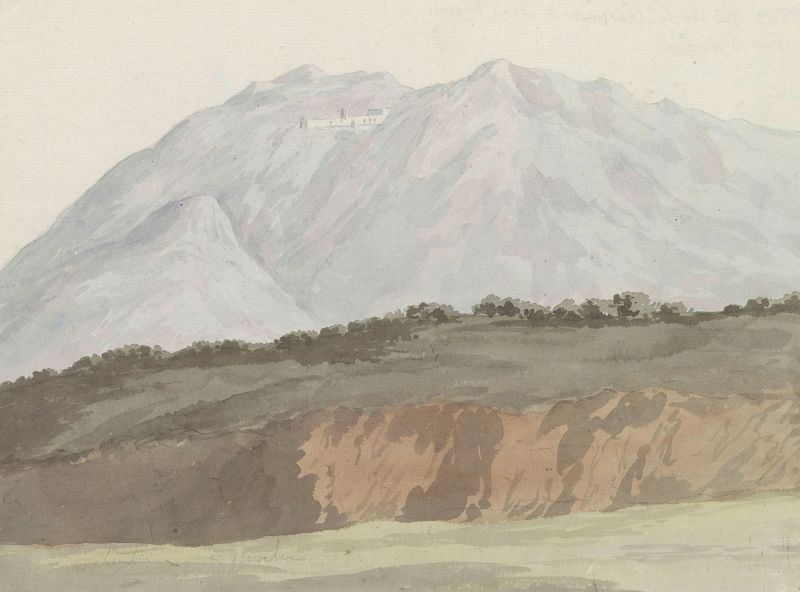
Gezicht op kartuizerklooster van Monte Vergine hoog gelegen boven Avellino
Abraham-Louis-Rodolphe Ducros
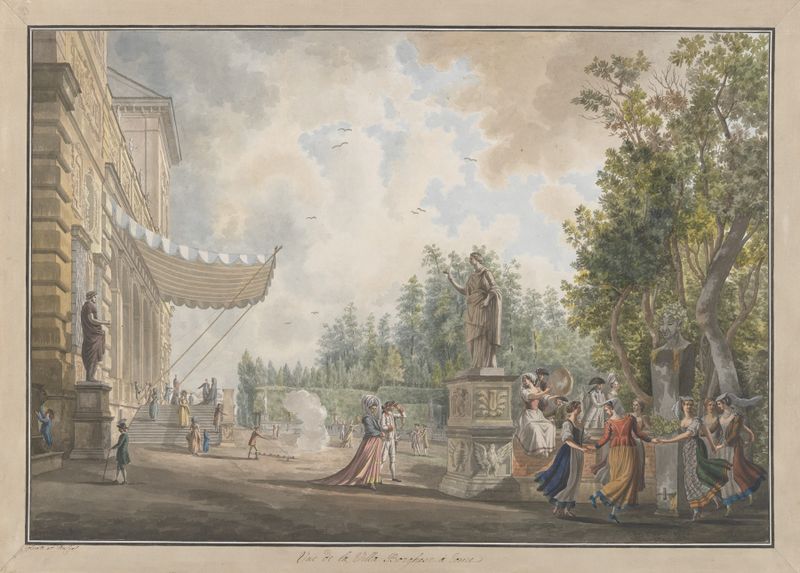
Villa Borghese
Abraham-Louis-Rodolphe Ducros
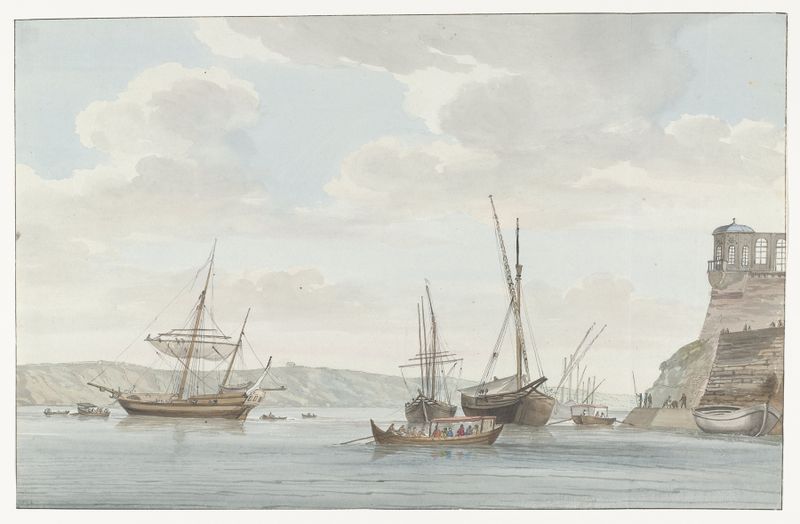
Tuinhuis van de Jardin du Grand Maître uittorend boven de haven met galei schepen op Malta
Abraham-Louis-Rodolphe Ducros
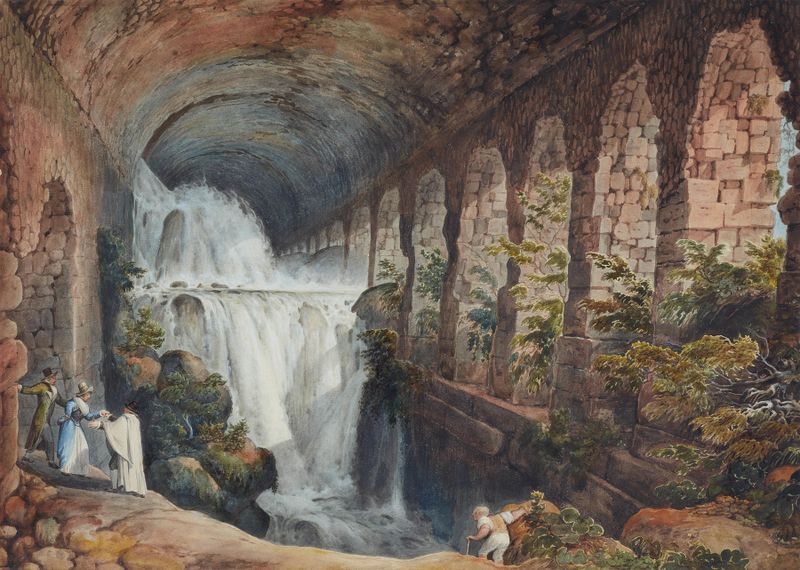
Aquädukt unter der Villa des Maecenas in Tivoli
Abraham-Louis-Rodolphe Ducros
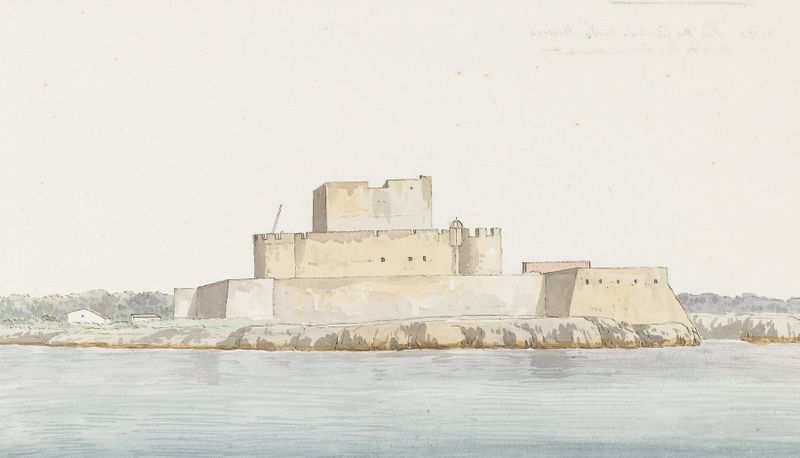
Gezicht op kasteel van San Mauro la Bruca vanaf zee bij aankomst
Abraham-Louis-Rodolphe Ducros
More Architecture Art
Browse all →
The statue of Liberty
Frédéric Auguste Bartholdi

View of Houses in Delft, Known as ‘The Little Street’
Johannes Vermeer

View of Houses in Delft, Known as ‘The Little Street’
Johannes Vermeer

The Cathedral in Rouen. The portal, Grey Weather
Claude Monet

The yellow house
Vincent van Gogh

The Church in Auvers-sur-Oise, View from the Chevet
Vincent van Gogh