
Oude sarcofaag als fontein in Messina — History & Facts
In the gentle folds of memory, loss etches its presence, whispering truths we dare not confront. Focus on the exquisite interplay between the rugged sarcophagus and the delicate cascading water, which breathes life into the otherwise inert stone. The intricate carvings of figures on the sarcophagus draw the eye, their ancient narratives entwined with the vitality of the fountain. The subtle hues of the water reflect the muted earth tones of the stone, creating a harmony that speaks to both permanence and transience, an poignant commentary on the passage of time. Beneath the surface, the juxtaposition of the lifeless sarcophagus and the flowing water evokes a deep emotional tension.
Here lies the weight of history, contrasted with the fluidity of life that surrounds it. The fountain, reminiscent of rejuvenation, suggests an eternal cycle, yet the stone’s silence holds the memories of those long gone, creating a poignant reminder of our own mortality. This duality resonates, prompting reflections on how we navigate the spaces between memory, loss, and the ephemeral nature of existence. In 1778, Ducros painted this work while residing in Italy, a period marked by his fascination with classical antiquity and the grandeur of the landscapes around him.
At that time, he engaged deeply with the picturesque style, embracing the romanticism of ruins and nature. The world of art was evolving rapidly, and his exploration of the past in Oude sarcofaag als fontein in Messina reveals both personal and collective grappling with history, echoing the tension between the eternal and the fleeting.
More Artworks by Abraham-Louis-Rodolphe Ducros
Browse all →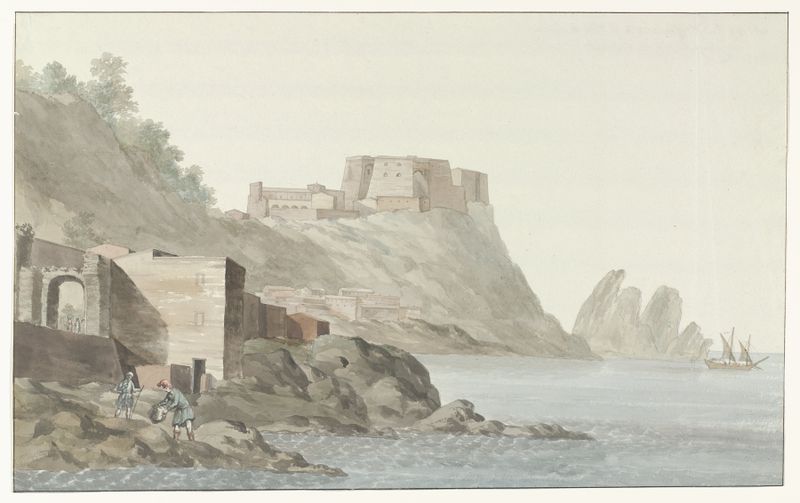
Rots en stad Scilla in de regio Calabrië aan de oostkust
Abraham-Louis-Rodolphe Ducros
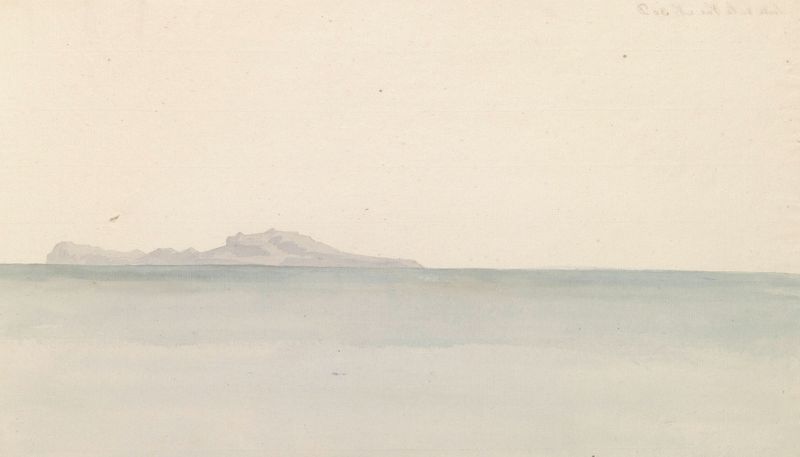
Gezicht op Golf van Napels vanaf kade bij kerk Santa Maria del Carmine
Abraham-Louis-Rodolphe Ducros
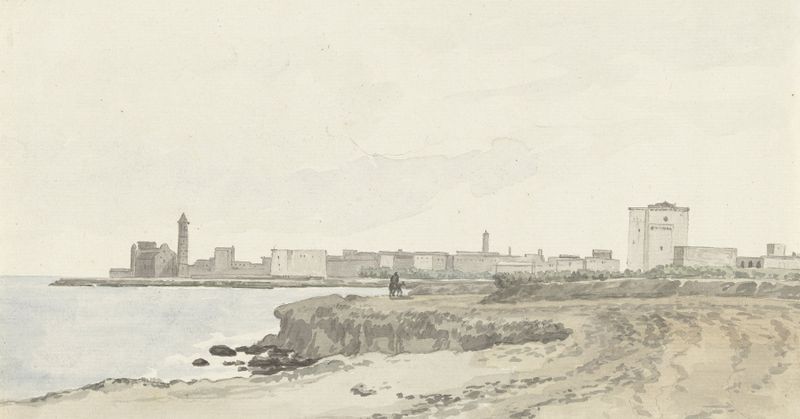
Gezicht op Trani gelegen aan de kust
Abraham-Louis-Rodolphe Ducros
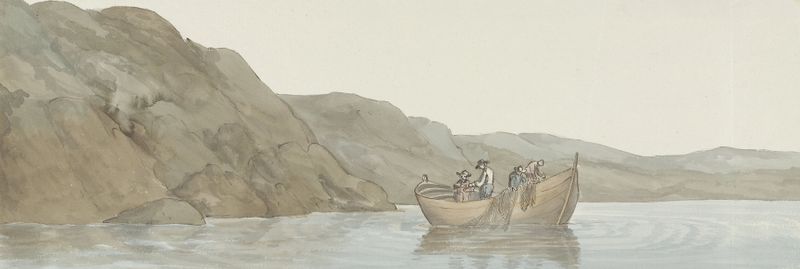
Gezicht op Kaap Paceco in Calabrië nabij de stad Scilla
Abraham-Louis-Rodolphe Ducros
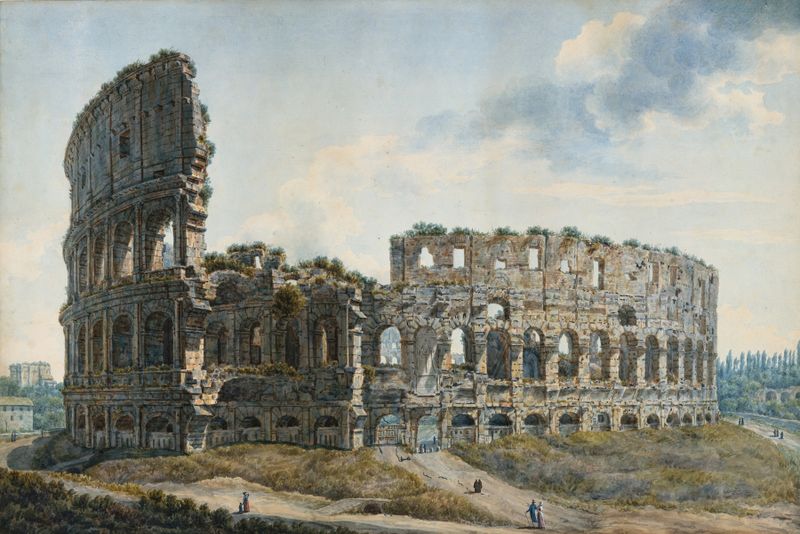
The Colosseum, Rome.
Abraham-Louis-Rodolphe Ducros
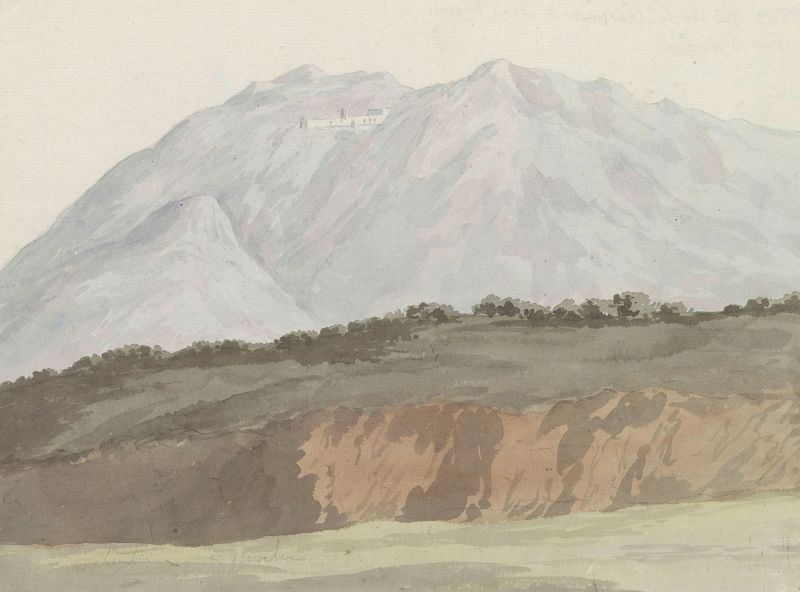
Gezicht op kartuizerklooster van Monte Vergine hoog gelegen boven Avellino
Abraham-Louis-Rodolphe Ducros
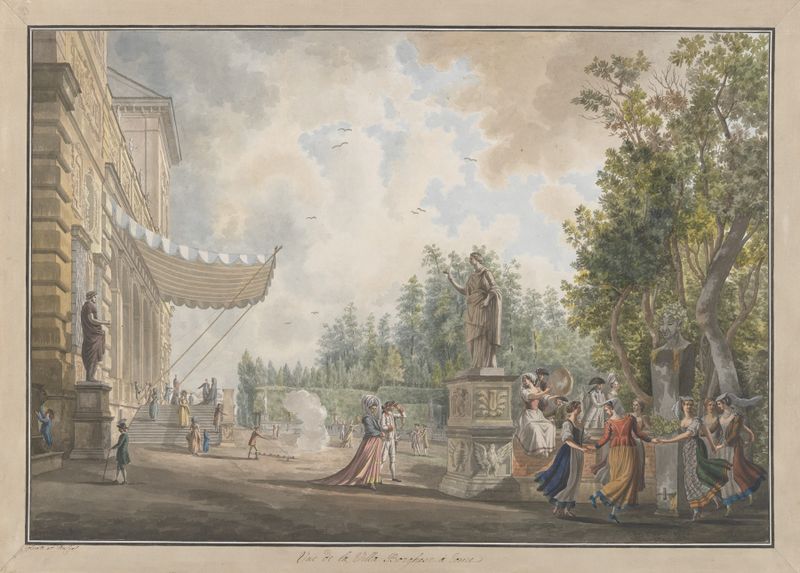
Villa Borghese
Abraham-Louis-Rodolphe Ducros
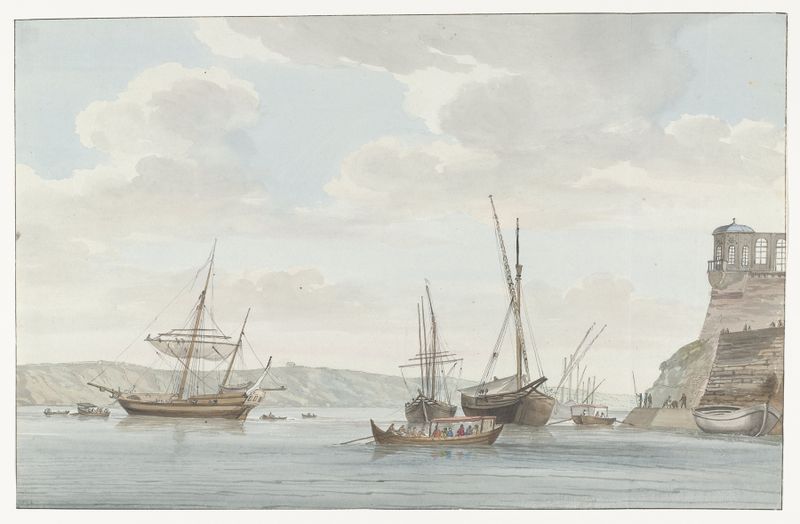
Tuinhuis van de Jardin du Grand Maître uittorend boven de haven met galei schepen op Malta
Abraham-Louis-Rodolphe Ducros
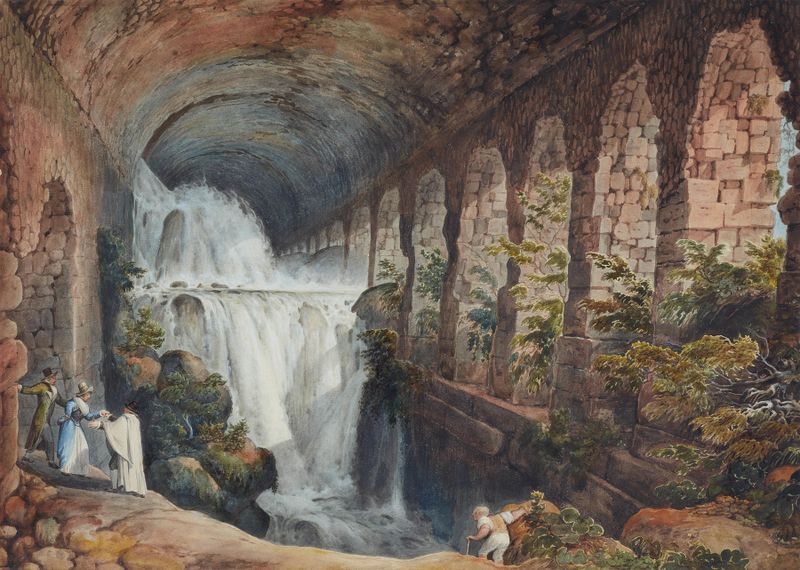
Aquädukt unter der Villa des Maecenas in Tivoli
Abraham-Louis-Rodolphe Ducros
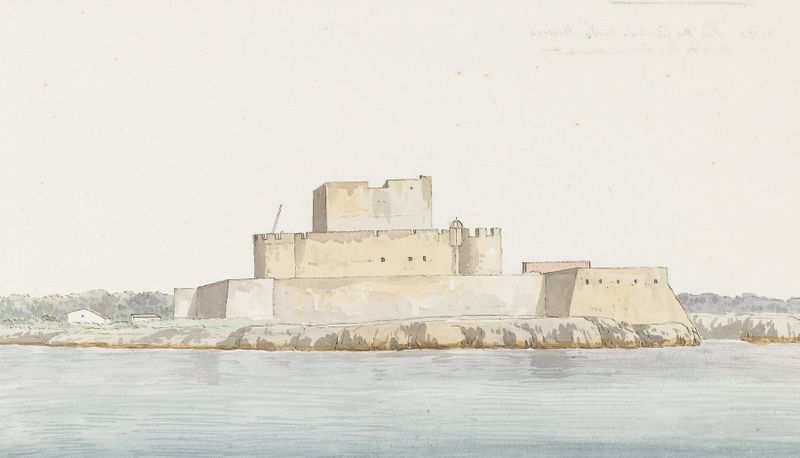
Gezicht op kasteel van San Mauro la Bruca vanaf zee bij aankomst
Abraham-Louis-Rodolphe Ducros
More Architecture Art
Browse all →
The statue of Liberty
Frédéric Auguste Bartholdi

View of Houses in Delft, Known as ‘The Little Street’
Johannes Vermeer

View of Houses in Delft, Known as ‘The Little Street’
Johannes Vermeer

The Cathedral in Rouen. The portal, Grey Weather
Claude Monet

The yellow house
Vincent van Gogh

The Church in Auvers-sur-Oise, View from the Chevet
Vincent van Gogh