
Oude sarcofaag als fontein in Messina — History & Facts
Is this a mirror — or a memory? In a world where the past and present dance together, the boundaries of destiny blur, inviting us to reflect on our own journey. Look to the center of the canvas, where the sarcophagus dominates, intricately carved yet seemingly alive, as if it breathes history. Surrounding it, vibrant foliage bursts forth, suggesting a lush environment that cradles this ancient relic. The artist's deft use of color draws your eye—notice how the warm ochres and muted greens create a balance that feels both serene and unsettling, as if the scene is caught in a time loop between decay and rebirth. Beneath the surface, tensions arise.
The juxtaposition of the lifeless stone against the vitality of the surrounding nature speaks to the inescapable passage of time. The fountain serves as a vessel for life, suggesting a cycle of renewal, yet the sarcophagus whispers of mortality. This interplay between past and present, life and death, intertwines our own destinies with that of the ancient world, prompting viewers to ponder their own legacies. In 1778, Ducros created this work while in Messina, a city rich in history and natural beauty.
During this period, he was influenced by the evolving Neoclassical movement, which sought to blend the grandeur of antiquity with contemporary ideals. The artist was deeply engaged with the landscapes of Italy, and this piece reflects both a personal exploration of past civilizations and the broader artistic currents of his time, embodying a moment where history meets the imagination in glorious harmony.
More Artworks by Abraham-Louis-Rodolphe Ducros
Browse all →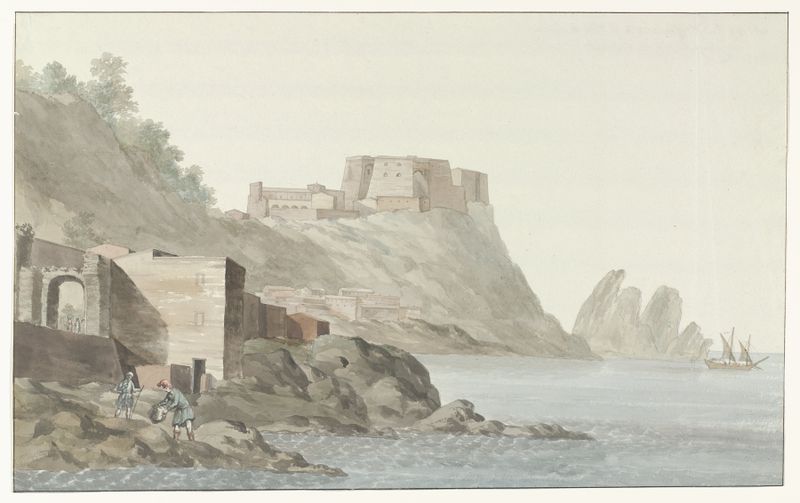
Rots en stad Scilla in de regio Calabrië aan de oostkust
Abraham-Louis-Rodolphe Ducros
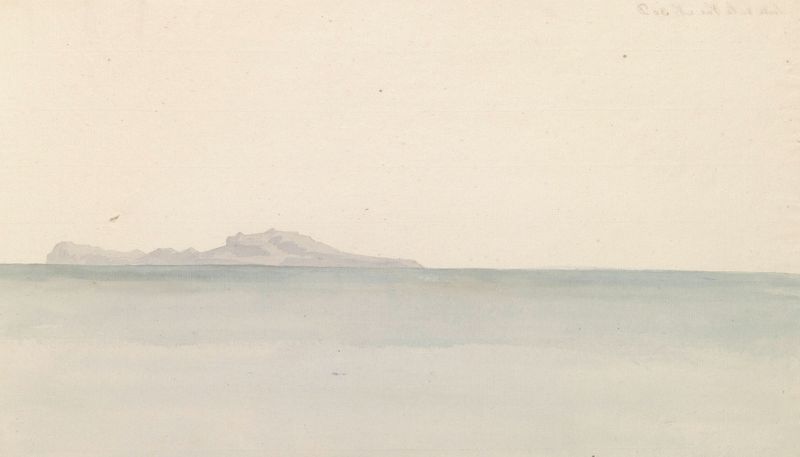
Gezicht op Golf van Napels vanaf kade bij kerk Santa Maria del Carmine
Abraham-Louis-Rodolphe Ducros
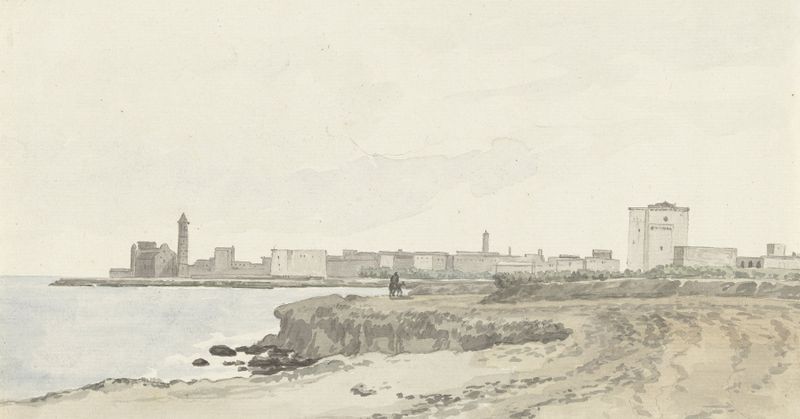
Gezicht op Trani gelegen aan de kust
Abraham-Louis-Rodolphe Ducros
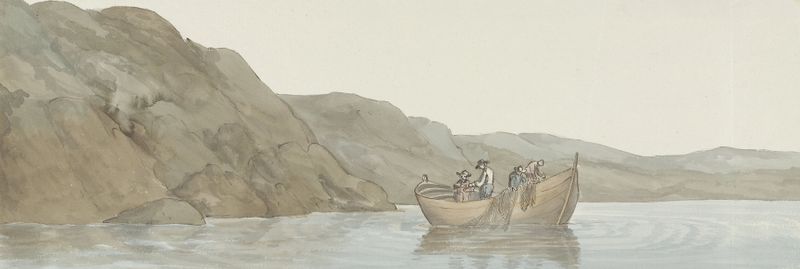
Gezicht op Kaap Paceco in Calabrië nabij de stad Scilla
Abraham-Louis-Rodolphe Ducros
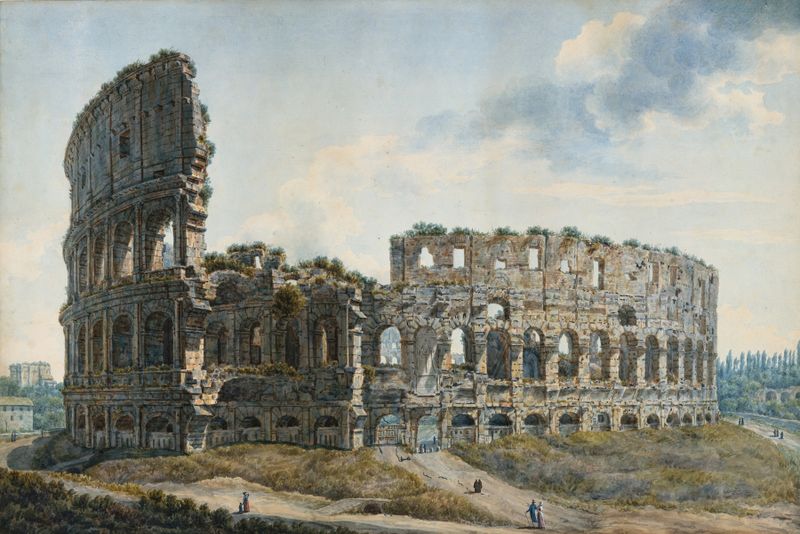
The Colosseum, Rome.
Abraham-Louis-Rodolphe Ducros
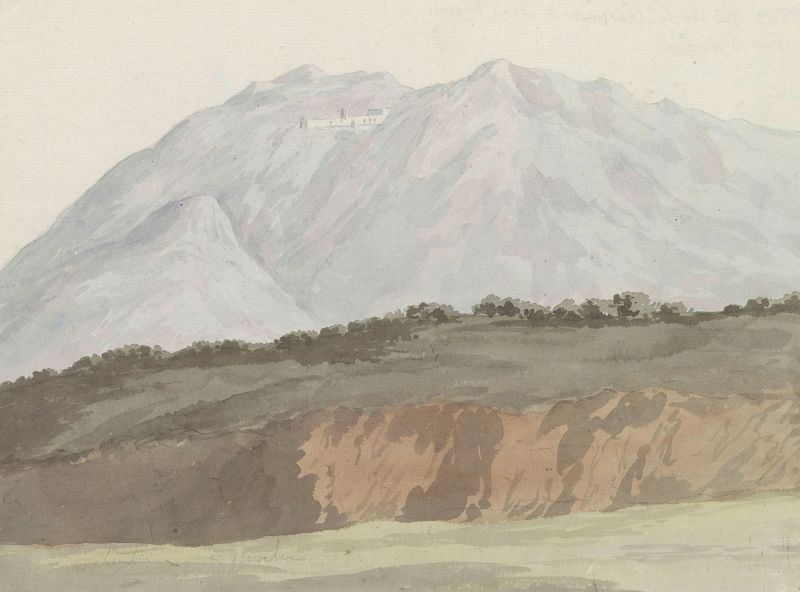
Gezicht op kartuizerklooster van Monte Vergine hoog gelegen boven Avellino
Abraham-Louis-Rodolphe Ducros
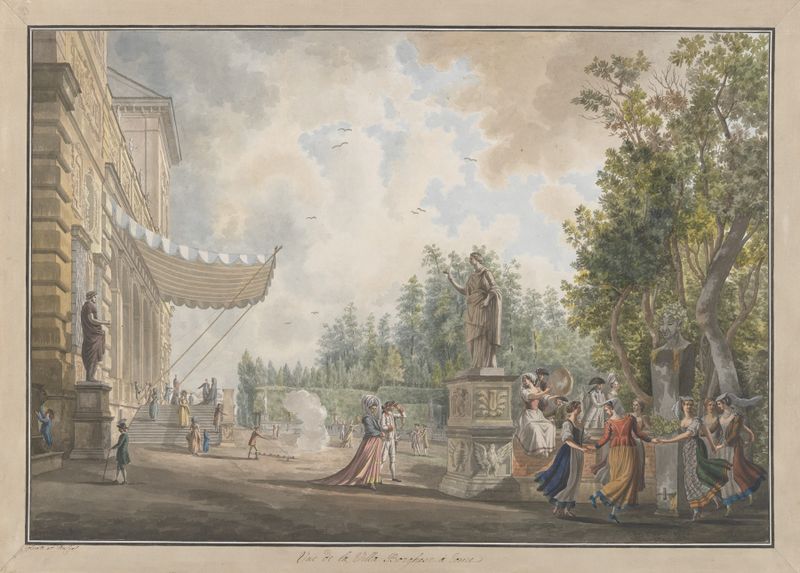
Villa Borghese
Abraham-Louis-Rodolphe Ducros
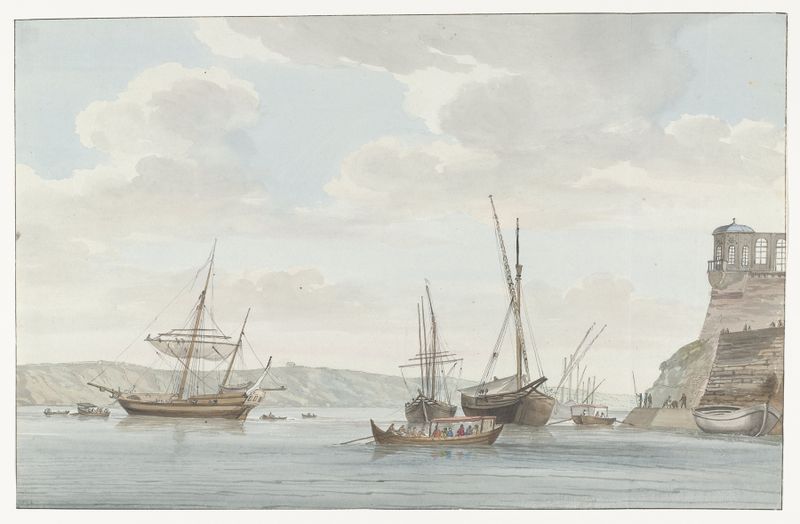
Tuinhuis van de Jardin du Grand Maître uittorend boven de haven met galei schepen op Malta
Abraham-Louis-Rodolphe Ducros
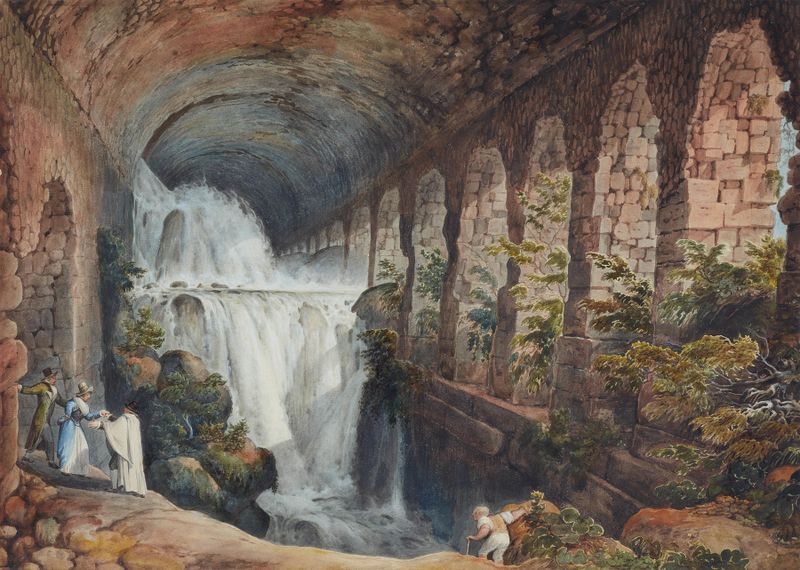
Aquädukt unter der Villa des Maecenas in Tivoli
Abraham-Louis-Rodolphe Ducros
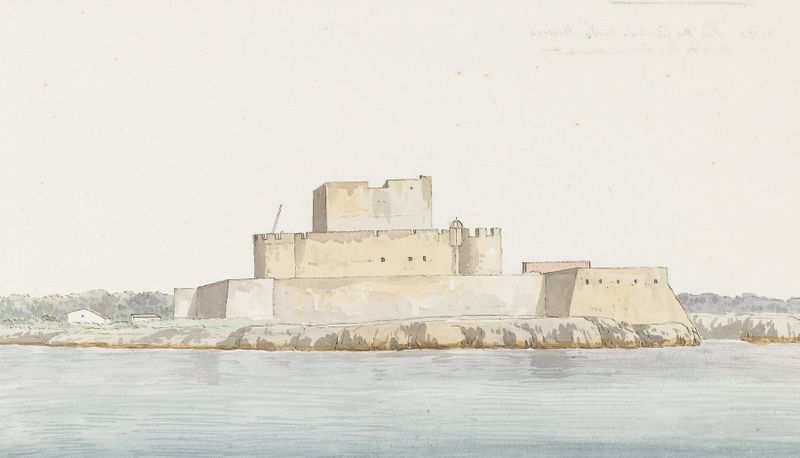
Gezicht op kasteel van San Mauro la Bruca vanaf zee bij aankomst
Abraham-Louis-Rodolphe Ducros
More Architecture Art
Browse all →
The statue of Liberty
Frédéric Auguste Bartholdi

View of Houses in Delft, Known as ‘The Little Street’
Johannes Vermeer

View of Houses in Delft, Known as ‘The Little Street’
Johannes Vermeer

The Cathedral in Rouen. The portal, Grey Weather
Claude Monet

The yellow house
Vincent van Gogh

The Church in Auvers-sur-Oise, View from the Chevet
Vincent van Gogh