
Outside the cowshed — History & Facts
Did the painter know this moment would outlive them? In Outside the cowshed, a fleeting instance is captured in time, forever suspended in the play of light and shadow. Look to the left at the gentle curve of the cowshed’s roof, where soft beams filter through, casting delicate patterns on the ground below. The palette is a harmonious blend of earthy browns and muted greens, grounding the viewer in a pastoral tranquility. Notice how the warm light bathes the scene, illuminating the figures and their surroundings, while shadows elongate, hinting at the waning day.
The tranquil ambiance is punctuated by the subtle brushwork, which invites you to linger in the moment—each stroke revealing the interdependence of light and shadow. Underneath this serene surface lies an interplay of dualities. The cowshed stands as a symbol of rural life and sustenance, yet the shadows loom, suggesting themes of impermanence and the passage of time. The solitary figure, perhaps lost in thought, embodies a tension between solitude and connection to the land.
The serenity of the scene is layered with the unsaid, revealing the emotional weight carried in silence; it is a snapshot of existence that invites the viewer to ponder their own place within the cycle of nature and time. In 1847, while creating Outside the cowshed, Lundbye was deeply engaged with the Romantic ideals that celebrated nature and rural life. Living in Denmark, he was part of a broader movement that sought to capture the essence of the landscape and its inhabitants, reflecting a society grappling with modernity. This painting emerged during a period when artists were increasingly looking to the beauty of their surroundings, infusing their works with layers of meaning that resonate beyond the canvas.
More Artworks by Johan Thomas Lundbye
Browse all →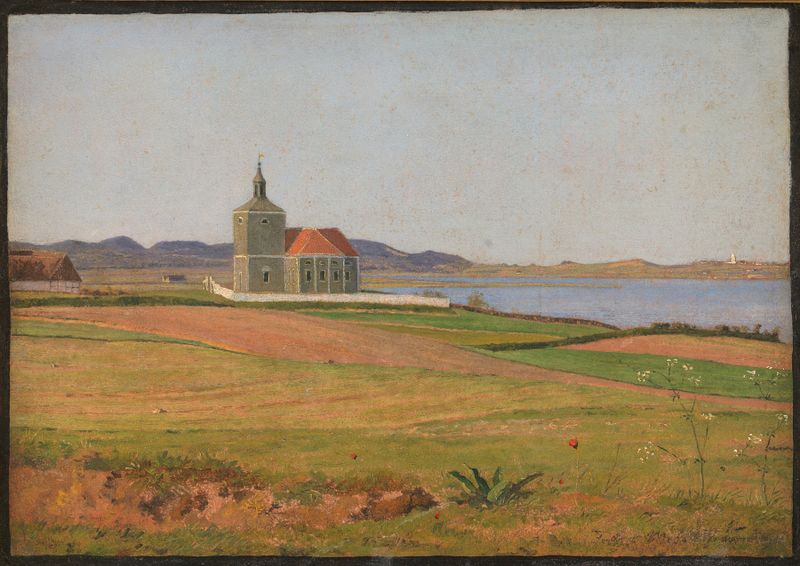
Vinderød Church near Frederiksværk
Johan Thomas Lundbye

Zealand Landscape. View from Bjerresø Mark towards Vejrhøj and Dragsholm Manor
Johan Thomas Lundbye
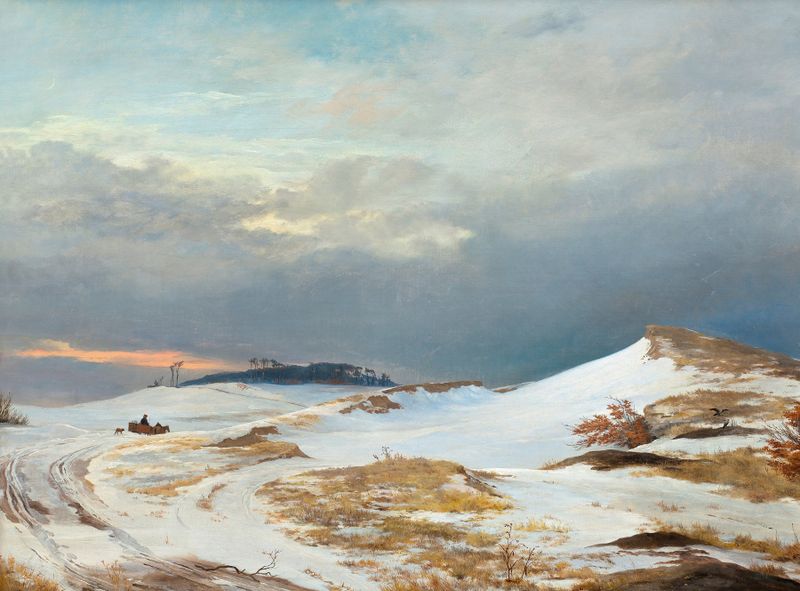
Winter landscape with Northern Zealand character
Johan Thomas Lundbye
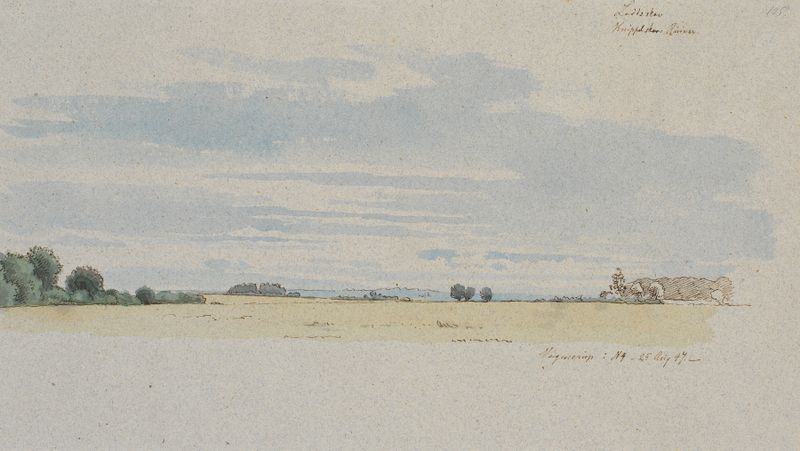
Udsigt over marker mod skove
Johan Thomas Lundbye
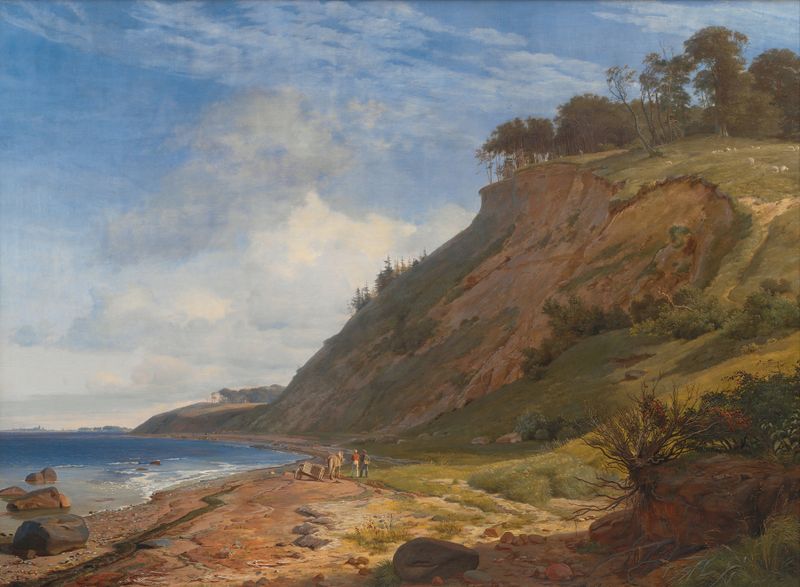
A Danish Coast. View from Kitnæs on Roskilde Fjord. Zealand
Johan Thomas Lundbye

Dolmen At Raklev, Røsnæs
Johan Thomas Lundbye

An Evening beside Lake Arresø
Johan Thomas Lundbye
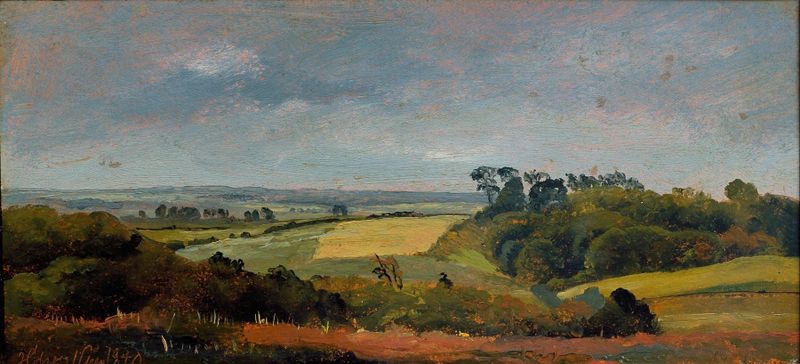
Near Høbjerg. Frederiksværk. Study
Johan Thomas Lundbye

Zealand Landscape. Open Country in North Zealand
Johan Thomas Lundbye
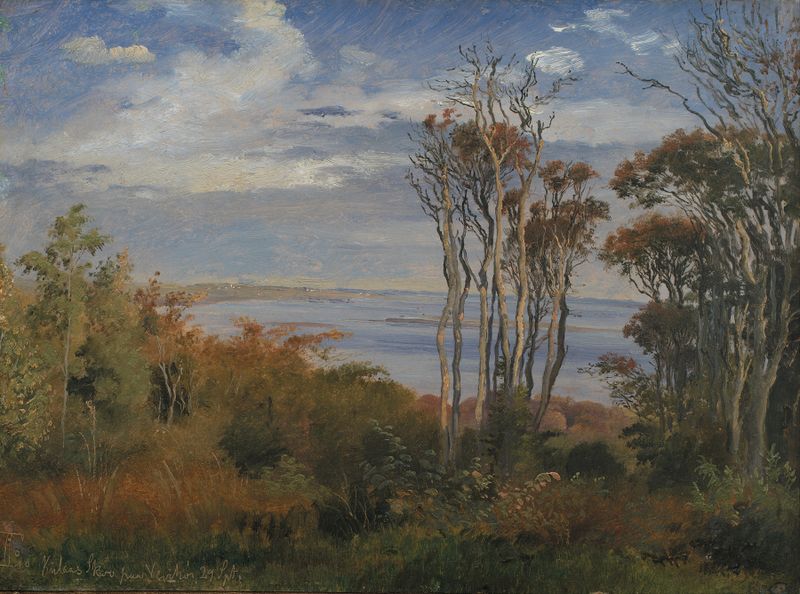
Kolås Wood, Vejrhøj
Johan Thomas Lundbye





