
Outskirts of Madrid — History & Facts
In moments where sunlight whispers through the leaves, the truth of our emotions often remains suspended, lingering just beyond the reach of perception. Chase captures this sentiment in his evocative Outskirts of Madrid, where loss hangs palpably in the air. Look to the left of the canvas, where a solitary figure stands at the edge of a path, almost merging with the soft earth beneath. The muted greens and browns create a gentle cradle for the scene, while the dappled sunlight dances across the figure’s silhouette, imbuing the moment with a quiet tension.
This choice of color evokes a sense of nostalgia, as if the essence of a lost time is woven into the very fabric of the painting. Delve deeper into the emotional undercurrents; the isolated figure may symbolize longing or a search for solace amid vast surroundings. The choice to depict a solitary presence juxtaposed with nature’s expansiveness emphasizes the stark contrast between human vulnerability and the indifferent, sprawling world. Each brushstroke hints at stories untold, inviting the viewer to reflect on their own experiences of loss and the quiet moments that follow. In 1882, while living in Madrid, Chase was deeply influenced by the vibrant artistic community around him and the changing landscapes of Spain.
Finding inspiration in both the local scenery and the emotive potential of paint, he solidified his style during this period. As he embraced the interplay of light and shadow, he explored themes that resonated with personal and collective experiences, making Outskirts of Madrid a poignant reflection of his artistic journey at that time.
More Artworks by William Merritt Chase
Browse all →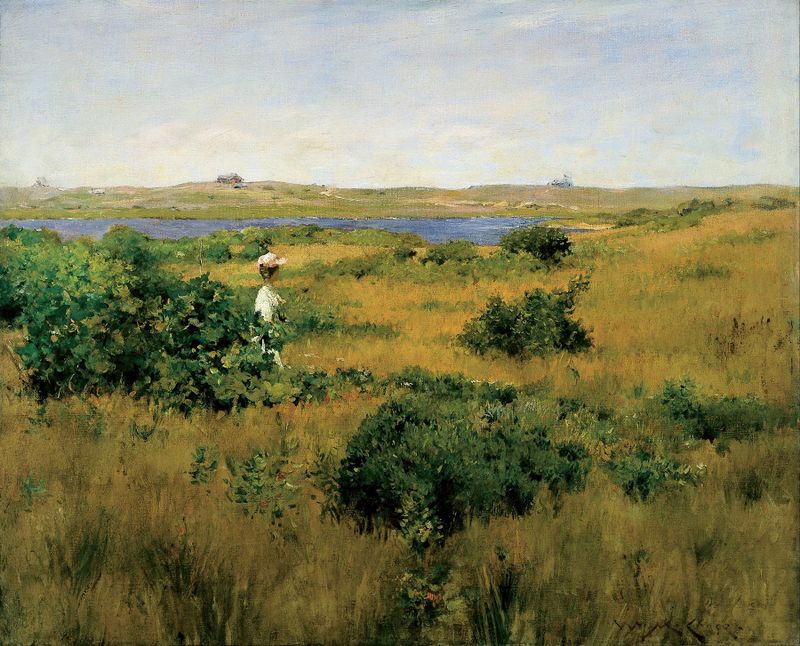
Summer at Shinnecock Hills
William Merritt Chase

A City Park
William Merritt Chase

Morning at Breakwater, Shinnecock
William Merritt Chase

Shinnecock Hills
William Merritt Chase

Terrace, Prospect Park
William Merritt Chase
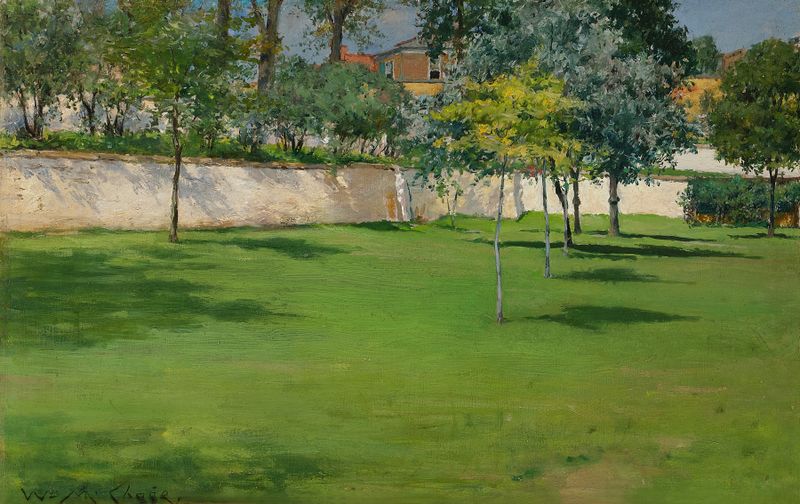
Summer-Time
William Merritt Chase
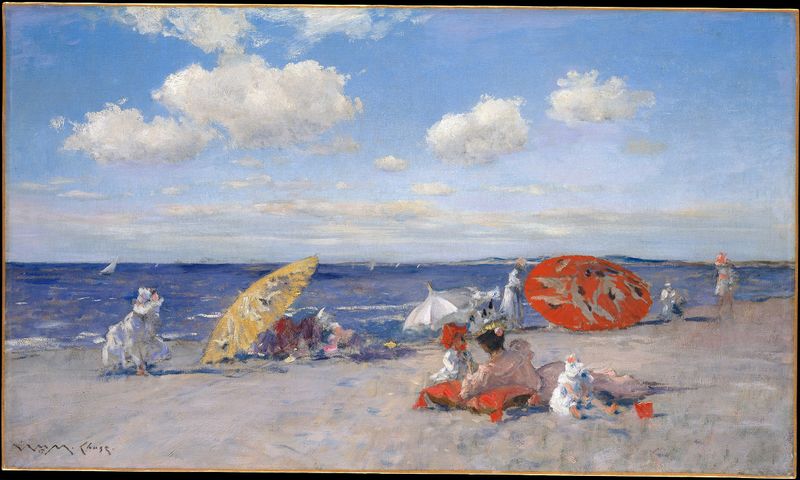
At the Seaside
William Merritt Chase

Idle Hours
William Merritt Chase
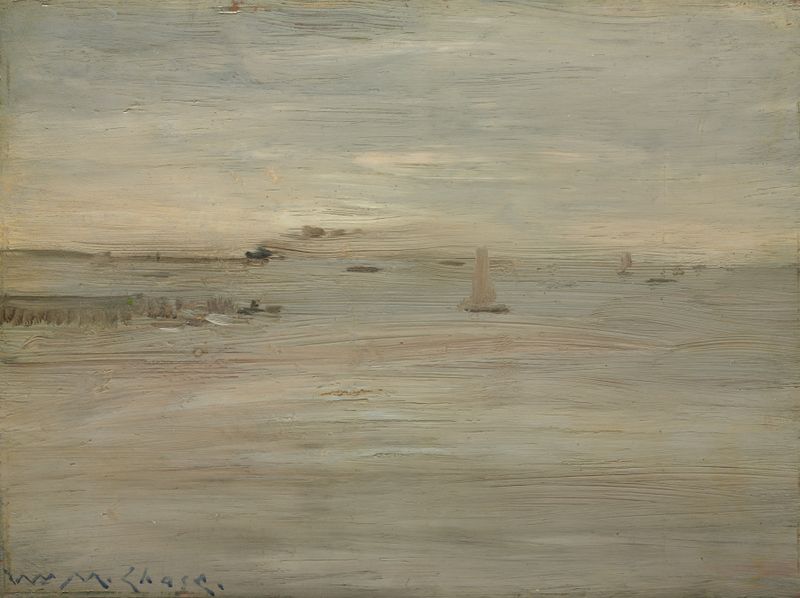
Marine
William Merritt Chase

Wheat Field
William Merritt Chase





