
Overgrown ruins in Albano — History & Facts
What secret hides in the quiet of the canvas? In Overgrown Ruins in Albano, the light dances playfully among the ancient stones, revealing the whispers of history intertwined with nature's reclamation. Focus on the left side of the painting, where shafts of sunlight filter through dense greenery, illuminating crumbling walls and fragmented columns. This interplay of light and shadow not only highlights the vibrant hues of the vegetation but also accentuates the serene desolation of the ruins. The artist's brushwork, gentle yet deliberate, captures a lush tapestry of greens against the muted browns and grays of the stone, creating an atmosphere that feels both alive and inviting. Within this tranquil scene lies a poignant commentary on time's relentless passage.
The overgrowth symbolizes nature's triumph over human-made structures, while the soft light evokes a sense of nostalgia and loss. The juxtaposition of decay and vitality invites viewers to contemplate what is left behind and the stories that remain hidden within the ruins. It serves as a reminder that beauty persists even in what is forgotten, connecting us to the cycles of life. Arthur Blaschnik painted this piece in 1856, during a period marked by a growing fascination with Romanticism and the sublime in nature.
Working in Italy, he was surrounded by rich history and picturesque landscapes, which profoundly influenced his portrayal of ruin and renewal. The artwork reflects not only his personal artistic journey but also the broader movement of artists seeking to capture the emotional resonance of their surroundings during a time of rapid change in Europe.
More Artworks by Arthur Blaschnik
Browse all →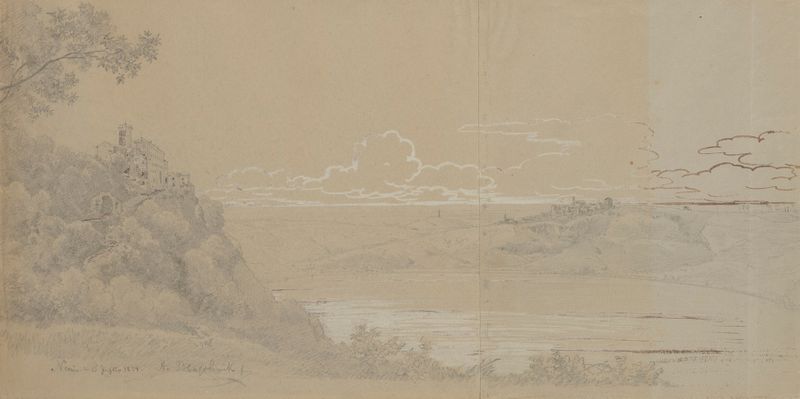
Palazzo Ruspoli by Lake Nemi, in the Distance the Town of Genzano di Roma
Arthur Blaschnik
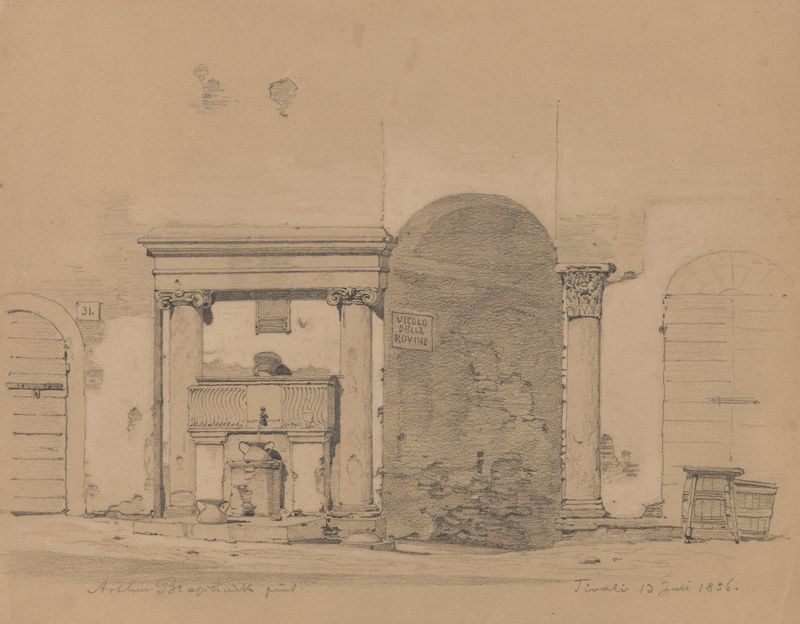
Gate Leading to Vicoli dei Grana near Piazza Palatina in Tivoli
Arthur Blaschnik
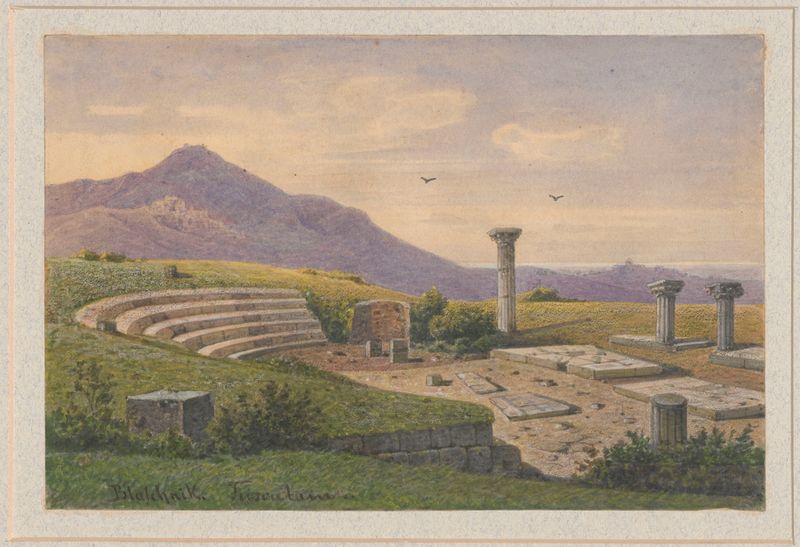
Amphitheatre in Tusculum
Arthur Blaschnik
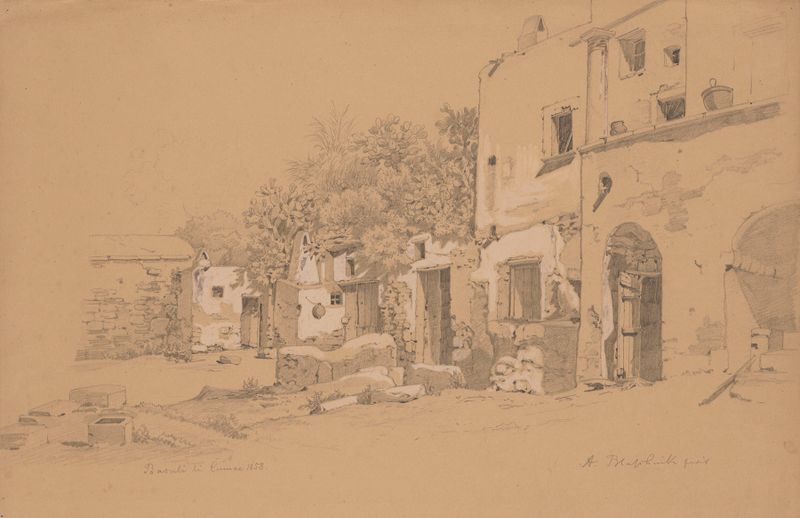
House and Outbuildings in Bacoli
Arthur Blaschnik
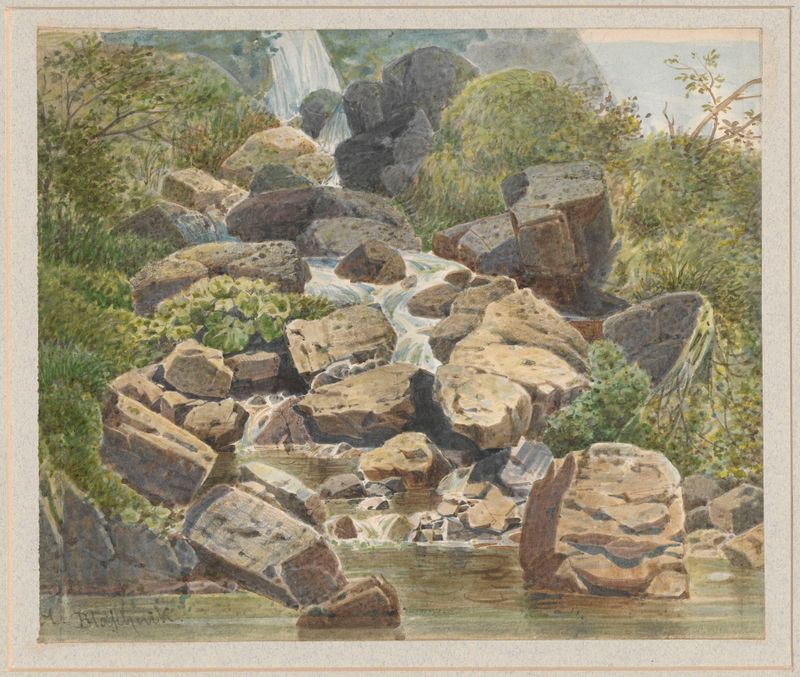
View of a small waterfall near Covigliaio, Tuscany
Arthur Blaschnik
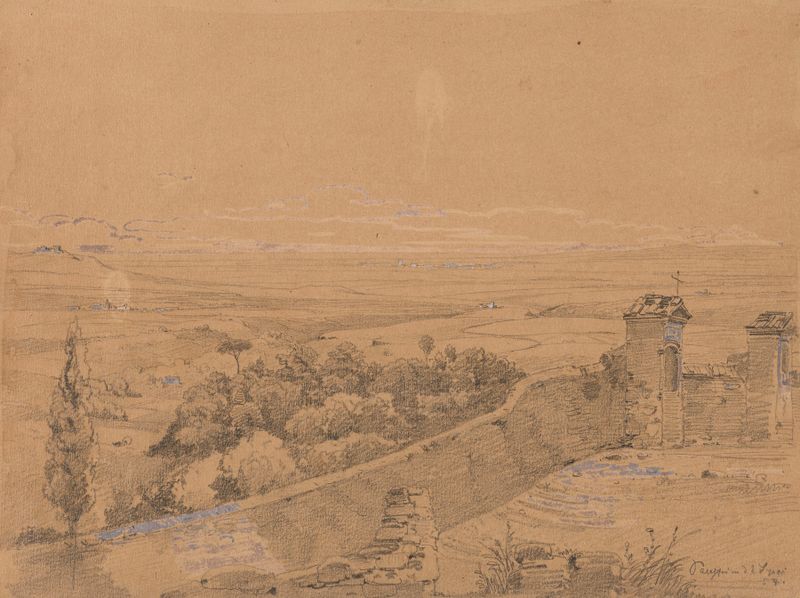
Landscape from the Vicinity of Palestrina
Arthur Blaschnik
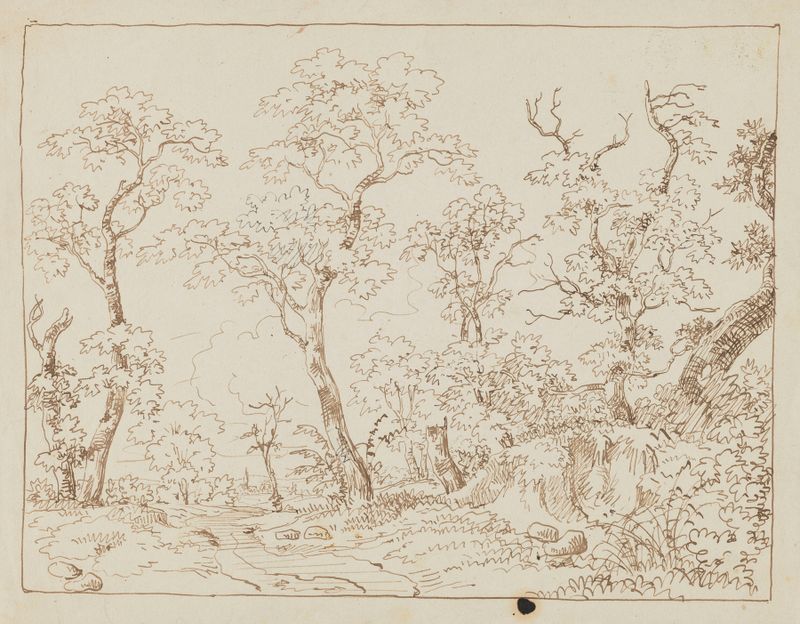
Studies of Trees, Landscape
Arthur Blaschnik
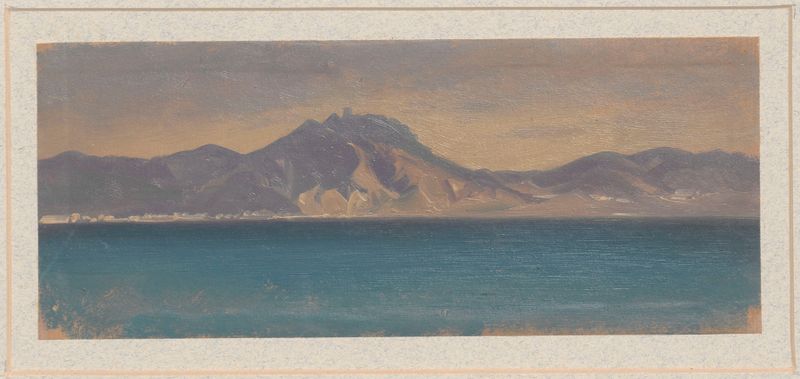
View of the Island of Capri
Arthur Blaschnik
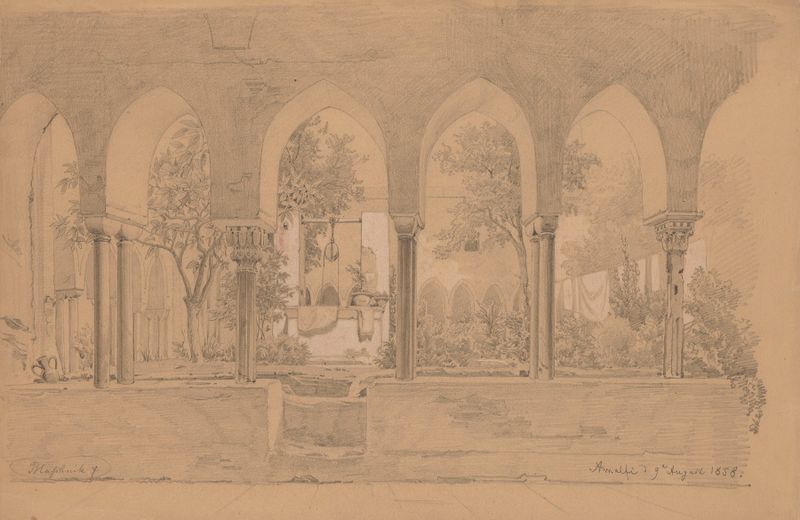
Cloister with Arcade Gallery in Amalfi
Arthur Blaschnik
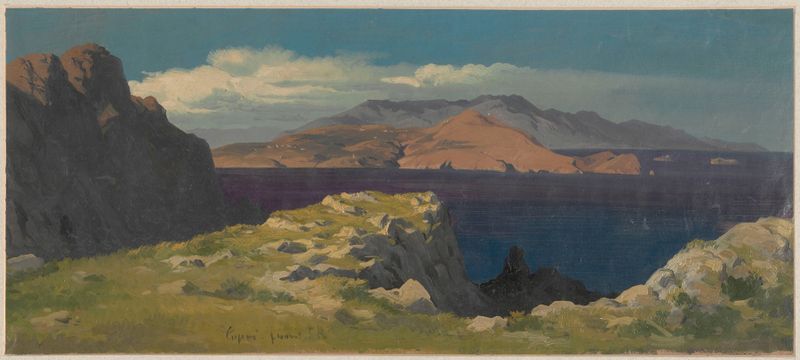
View of Capri
Arthur Blaschnik





