
Overschie in the Moonlight — History & Facts
In the hushed embrace of twilight, memories flicker like fireflies, illuminating the spaces we thought lost. Each stroke, a whisper from the past, urging us to remember what the heart cannot forget. Look closely at the shimmering surface of the water, where ripples dance under the moon’s gentle gaze. The cool blues and silvery grays create a serene atmosphere, while the soft brushwork evokes a sense of tranquility.
Notice how the distant silhouettes of trees frame the horizon, grounding the ethereal scene in familiar shapes. The light spills across the canvas, lending a dreamlike quality that invites you to linger in this serene moment. Yet beneath this calm facade lies a deeper narrative. The juxtaposition of the moon’s bright illumination against the shadows of night suggests a tension between memory and oblivion.
The stillness of the water reflects not just the surroundings, but also the quietude of contemplation—an invitation to delve into our own recollections. Here, love, loss, and longing intermingle, creating a poignant atmosphere that resonates with the viewer’s own experiences. In 1871, Jongkind painted this piece while living in France, immersing himself in the burgeoning Impressionist movement. At this time, he was navigating his artistic identity amid the transition from realism to a focus on light and atmosphere.
The world around him was evolving, influencing his work as he sought to encapsulate fleeting moments, allowing his brush to translate memory into lasting art.
More Artworks by Johan Barthold Jongkind
Browse all →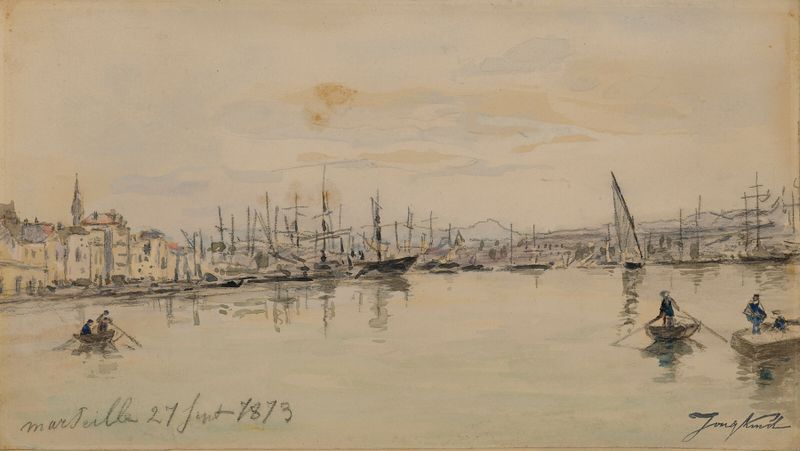
Le Port de Marseille
Johan Barthold Jongkind

Canal Saint-Martin
Johan Barthold Jongkind

Countryside near Brezins, between Grenoble and Vienne
Johan Barthold Jongkind

Notre-Dame vue du quai de la Tournelle
Johan Barthold Jongkind

Environs de Grenoble
Johan Barthold Jongkind

Clair de lune à Overschie (environs de Rotterdam)
Johan Barthold Jongkind

Port de Honfleur
Johan Barthold Jongkind
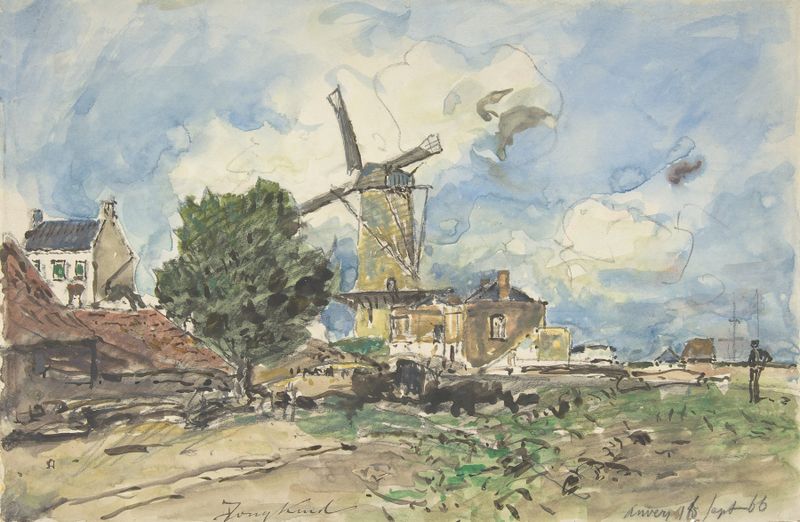
Wind Mill at Antwerp
Johan Barthold Jongkind

Le Havre
Johan Barthold Jongkind

The Church of Overschie
Johan Barthold Jongkind





