
Paisagem de Santa Teresa — History & Facts
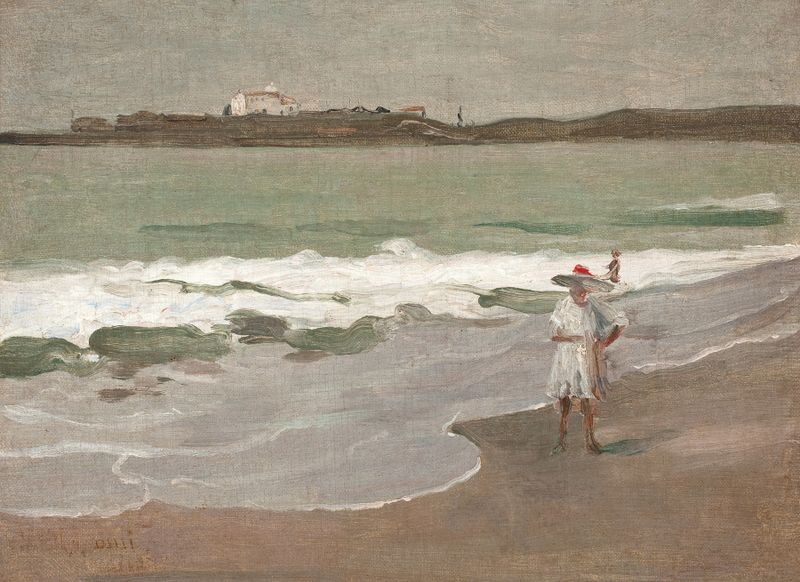
In Paisagem de Santa Teresa, Eliseu Visconti captures a moment of serene elegance, yet beneath its vibrant surface lies the tumult of a society on the brink of revolution. Look to the foreground, where lush, verdant foliage elegantly frames a quaint landscape. The delicate brushstrokes convey a sense of movement in the leaves, as if whispering secrets to the viewer. The soft hues of green and gold create a harmonious palette that beckons you to explore the hidden complexities within the tranquil scene.
Notice how the sunlight bathes the village in a warm embrace, contrasting the calmness with a sense of underlying tension that ripples through the composition. Delve deeper into this seemingly idyllic setting, and you'll uncover layers of meaning. The ornate details of the architecture hint at a bygone era, while the lush nature surrounding the village serves as a metaphor for resilience amidst change. The delicate interplay between light and shadow can be seen as a commentary on the duality of beauty and hardship, capturing the essence of a culture poised at the edge of transformation. In 1910, Visconti painted this work during a period of significant upheaval in Brazil, as the nation grappled with modernity and the remnants of colonial past.
Living in Rio de Janeiro at the time, he was influenced by both the emerging avant-garde movements and the rich cultural tapestry of his homeland. This painting stands as a testament to his ability to blend personal sentiment with broader societal themes, encapsulating a moment where beauty and revolution intersect.
More Artworks by Eliseu Visconti
Browse all →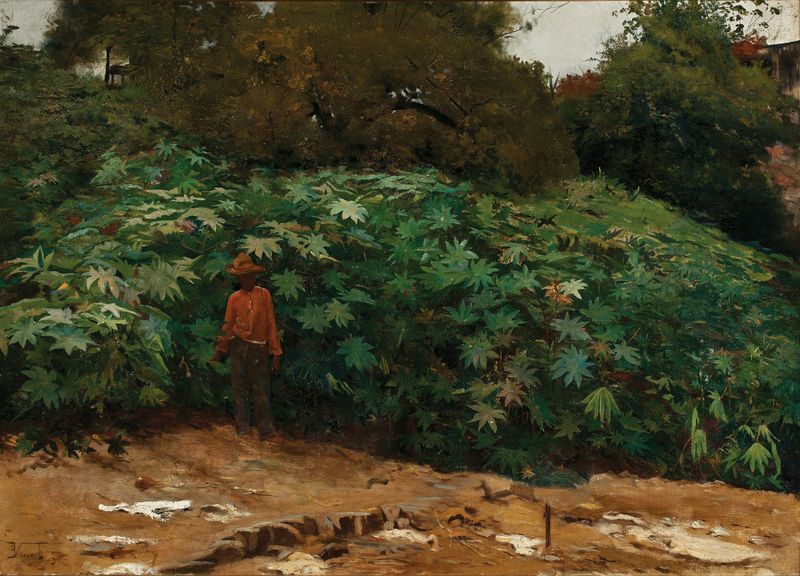
Mamoneiras – Morro de São Bento
Eliseu Visconti

Marina com Pão de Açúcar
Eliseu Visconti

O batismo da boneca
Eliseu Visconti
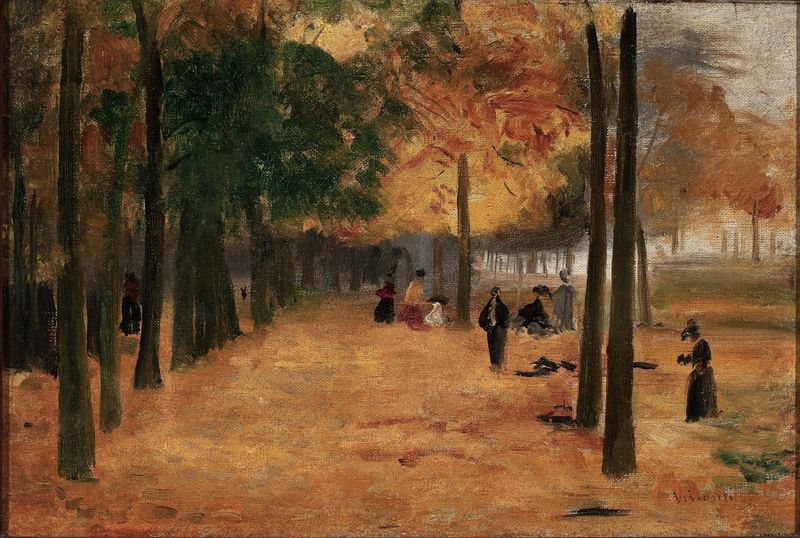
Canto de Luxemburgo (Outono)
Eliseu Visconti
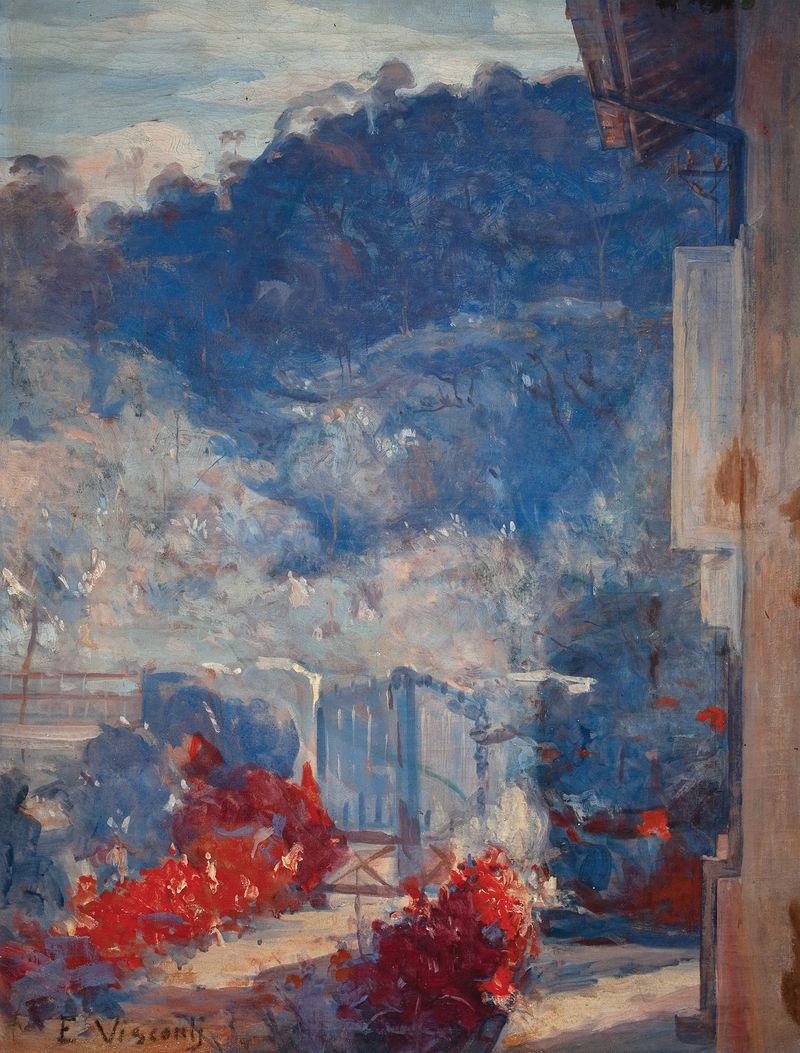
Raios de sol
Eliseu Visconti
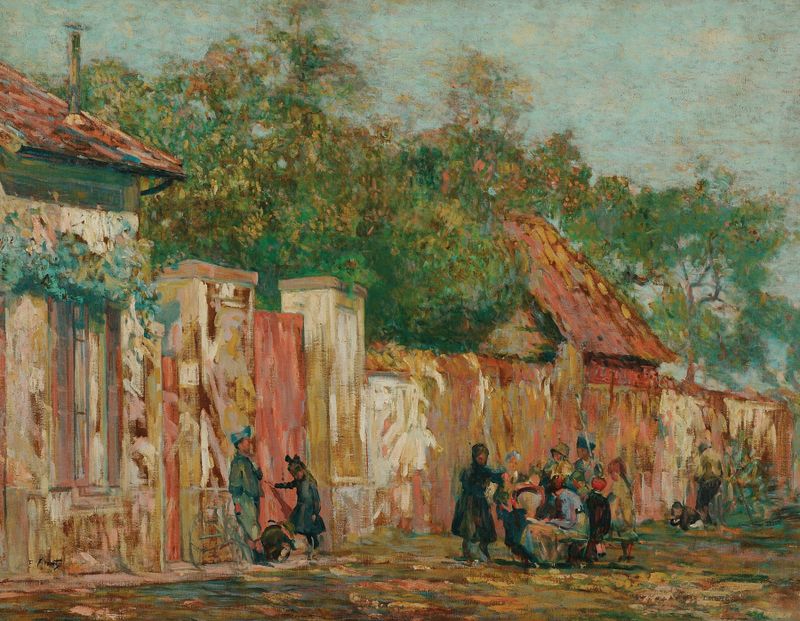
Tarde em Saint Hubert
Eliseu Visconti

Efeito matinal
Eliseu Visconti
A Igrejinha (Copacabana)
Eliseu Visconti

A caminho da escola
Eliseu Visconti

Flores da rua
Eliseu Visconti





