
Palace of the Princes of Mazowsze — History & Facts
Where does light end, and longing begin? In a world caught between the past and the future, a revolution brews within the heart of this remarkable architectural vision. Look to the left at the intricate detailing of the palace's façade, where ethereal light plays across the stone, evoking a sense of grandeur and nostalgia. The artist employs a palette of warm ochres and soft blues, inviting viewers to journey through its opulent arches and gently sloped roofs. Notice how the delicate brushwork breathes life into each element, from the meticulously rendered windows to the lush greenery embracing the structure, creating a harmonious dialogue between nature and man-made beauty. Beneath the surface, this painting captures a tension between stability and uncertainty.
The palace stands as a symbol of power, yet the vibrancy of the surrounding landscape hints at an impending transformation—an echo of the socio-political changes sweeping through Europe in the early 20th century. The juxtaposition of soft light against the rigid architecture suggests a fragile equilibrium, a longing for continuity in a world on the brink of upheaval. Feliks Jabłczyński painted Palace of the Princes of Mazowsze in 1913, a time when Poland was increasingly marked by cultural revival and nationalistic aspirations. Living in Warsaw, he was immersed in an artistic community that sought to redefine identity through their work amid the shifting landscapes of Europe.
This painting reflects not only his personal vision but also the collective yearning for a future that honors the past while embracing change.
More Artworks by Feliks Jabłczyński
Browse all →
Villa Borgia in Rome
Feliks Jabłczyński

Mariensztat Street in Warsaw
Feliks Jabłczyński
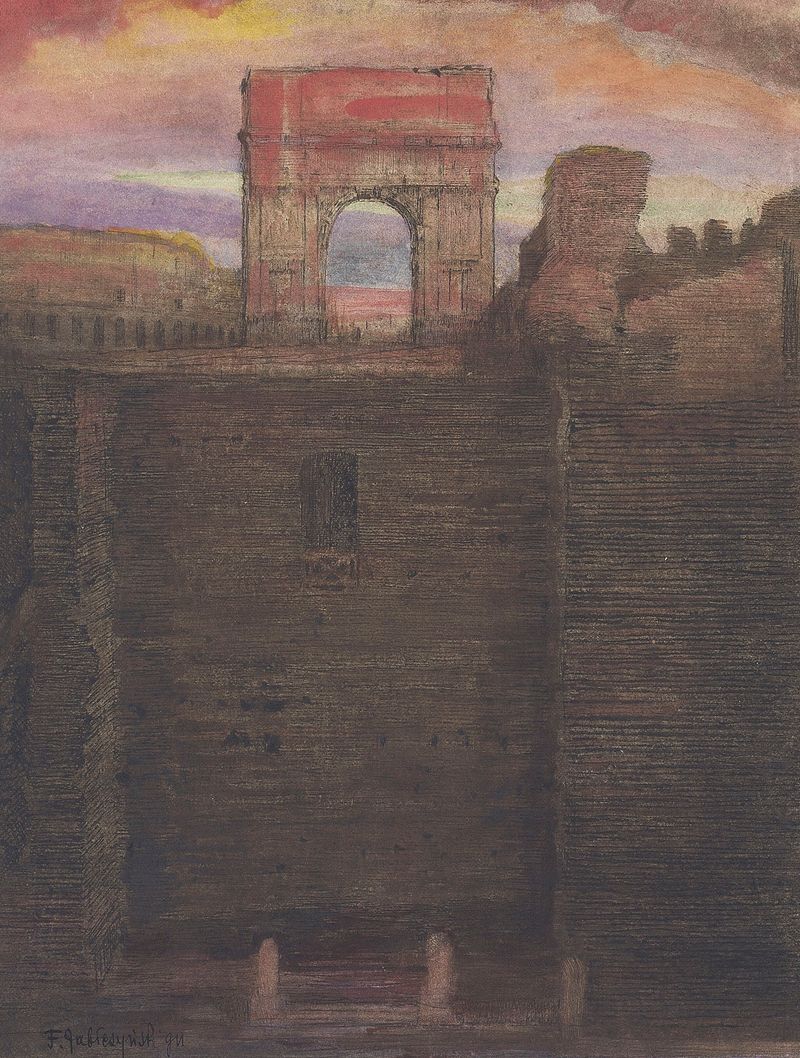
The House of Vestals and the Arch of Titus in the background
Feliks Jabłczyński
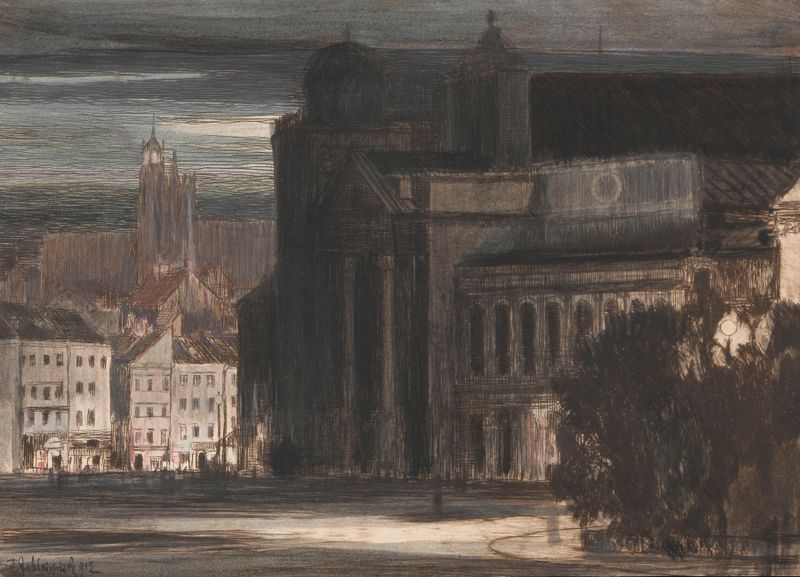
View of the Church of St. Anna and the Castle Square in Warsaw
Feliks Jabłczyński

Kaplica Boimów we Lwowie
Feliks Jabłczyński
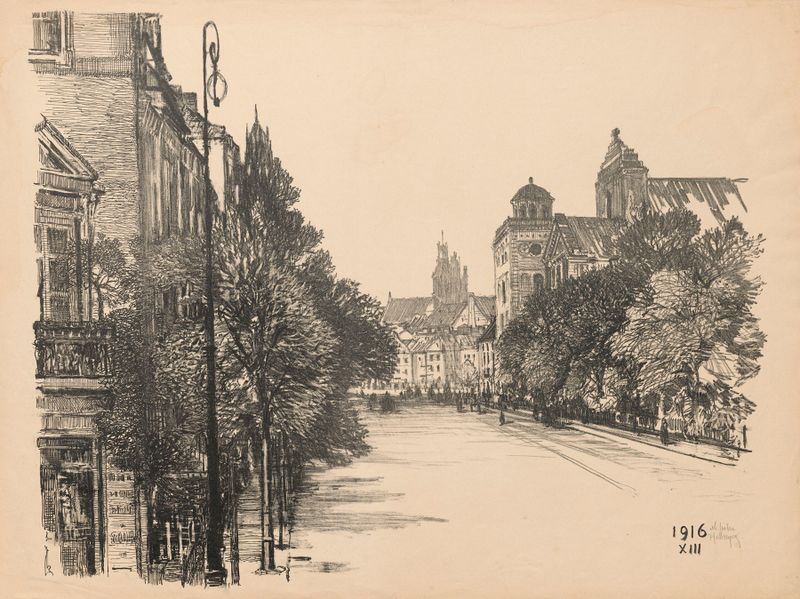
Krakowskie Przedmieście Street
Feliks Jabłczyński
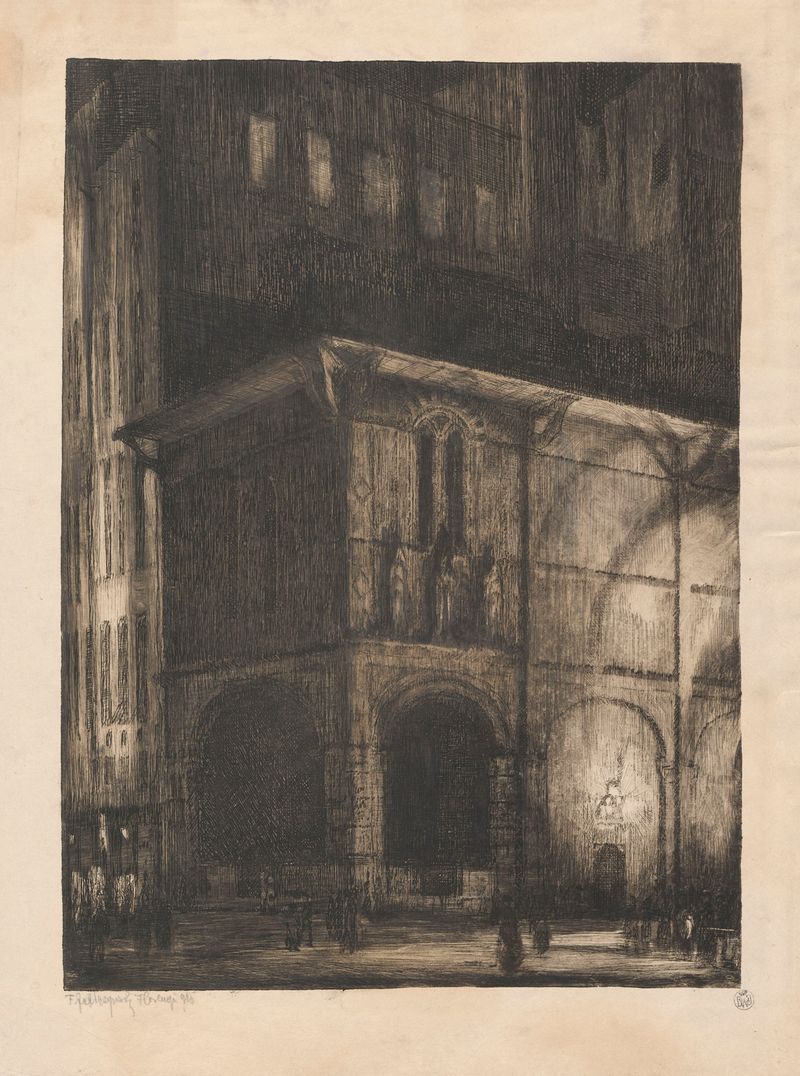
Florence
Feliks Jabłczyński
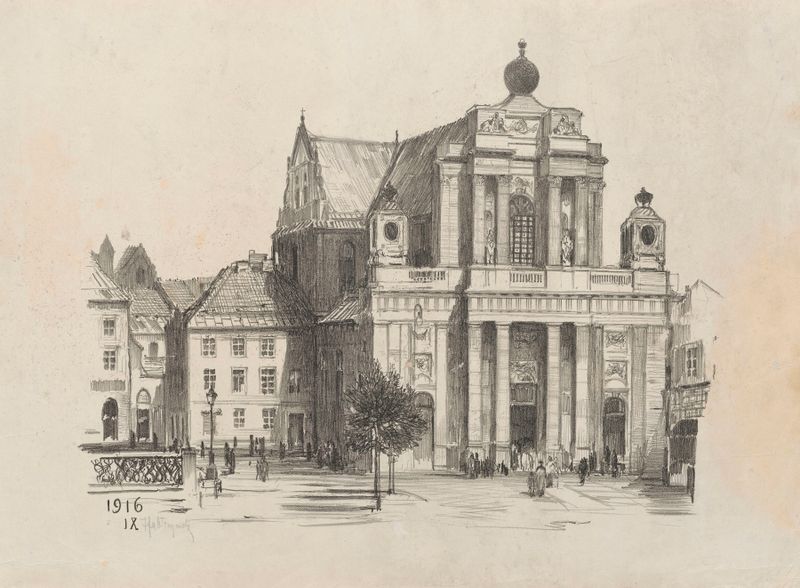
Carmelite Church.
Feliks Jabłczyński

The Visitation Sisters Church
Feliks Jabłczyński
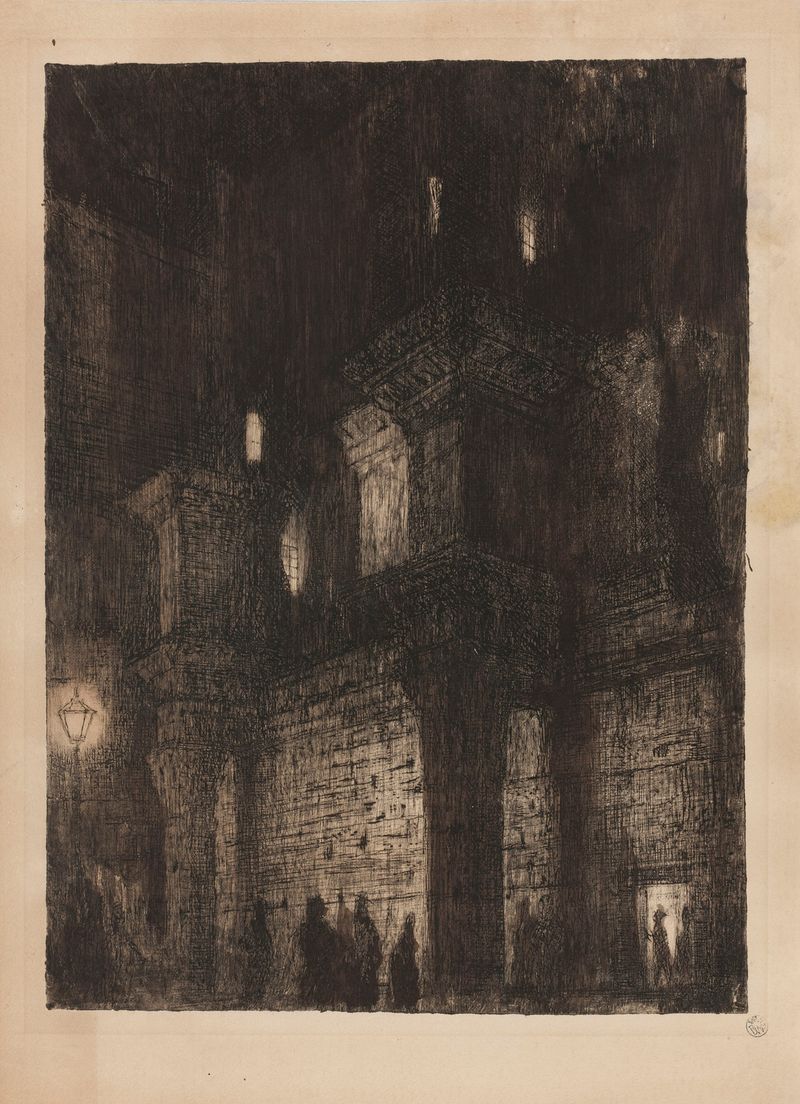
Forum Nervae
Feliks Jabłczyński
More Architecture Art
Browse all →
The statue of Liberty
Frédéric Auguste Bartholdi

View of Houses in Delft, Known as ‘The Little Street’
Johannes Vermeer

View of Houses in Delft, Known as ‘The Little Street’
Johannes Vermeer

The Cathedral in Rouen. The portal, Grey Weather
Claude Monet

The yellow house
Vincent van Gogh

The Church in Auvers-sur-Oise, View from the Chevet
Vincent van Gogh