
Palazzo Caffarelli on the Capitol, Rome — History & Facts
In the stillness of each brushstroke, movement breathes life into architecture and history. The essence of a moment captured forever, revealing the dance between structure and spirit. Look closely at the foreground, where light spills across the cobblestones, illuminating the intricate detailing of the Palazzo Caffarelli. The warm hues of ochre and soft grays contrast sharply with the vivid blue of the sky, drawing the eye up towards the grand facade.
Notice how the artist chose to depict not just the building, but the surrounding environment, inviting viewers to feel the stillness of the air and the whispered stories of passersby. The interplay of shadow and light evokes a tension between permanence and transience; the solidity of the architecture suggests stability, while the fluidity of the clouds hints at change. Each figure, though small and seemingly incidental, carries an energy that suggests movement—life in perpetual motion amidst the stillness of stone. This duality invites contemplation of time, history, and the ephemeral nature of existence. In 1859, while immersed in the art scene of Rome, the artist found inspiration in a city that was rich with classical heritage and political transformation.
The mid-19th century was a pivotal time for Italy, as movements for unification and modernization began to reshape its identity. Amidst this backdrop, the artist captured not just a building, but the spirit of a nation in transition, blending the old with the new in a delicate balance of tradition and progress.
More Artworks by Arthur Blaschnik
Browse all →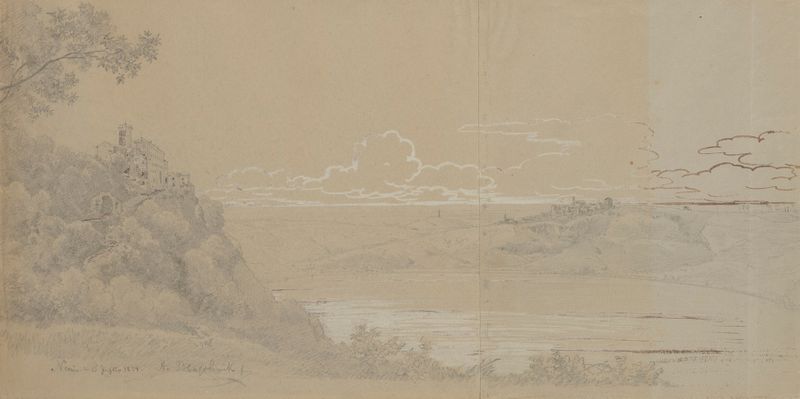
Palazzo Ruspoli by Lake Nemi, in the Distance the Town of Genzano di Roma
Arthur Blaschnik
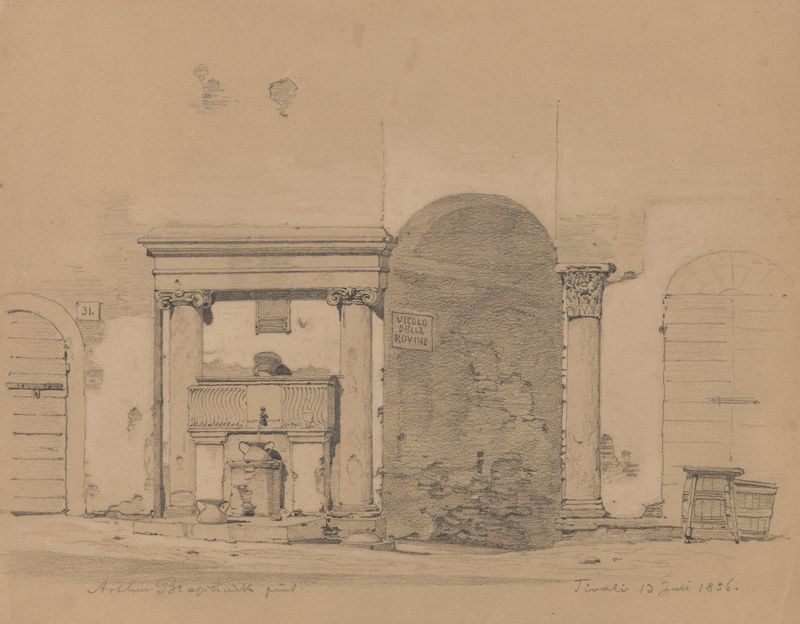
Gate Leading to Vicoli dei Grana near Piazza Palatina in Tivoli
Arthur Blaschnik
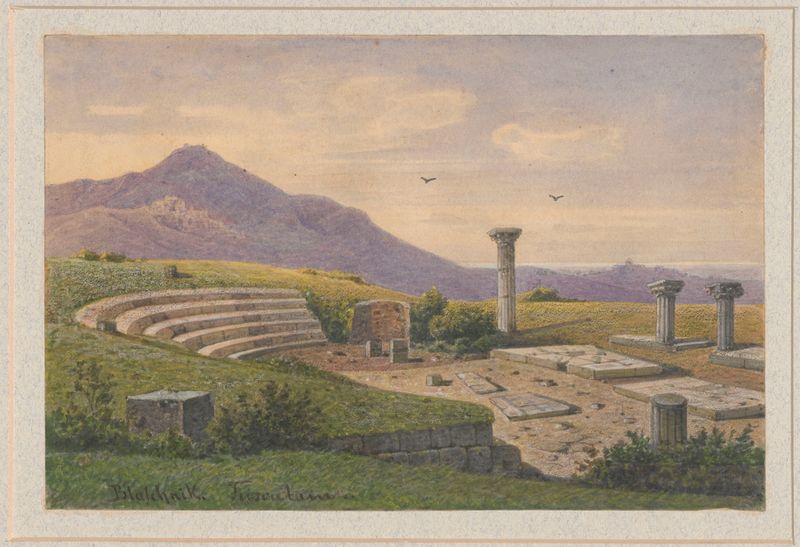
Amphitheatre in Tusculum
Arthur Blaschnik
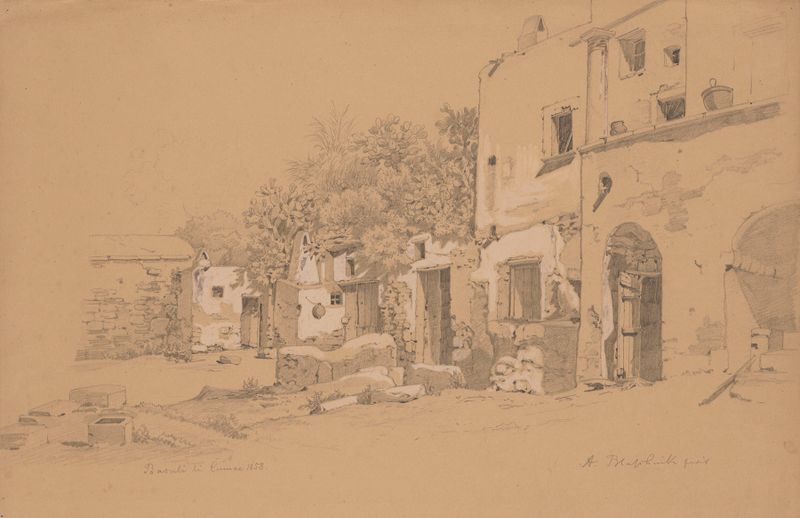
House and Outbuildings in Bacoli
Arthur Blaschnik
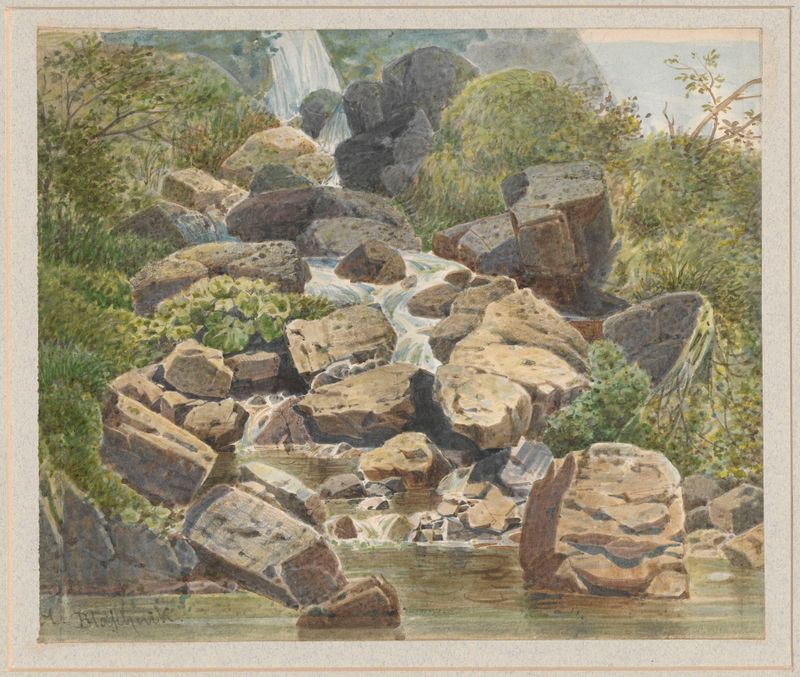
View of a small waterfall near Covigliaio, Tuscany
Arthur Blaschnik
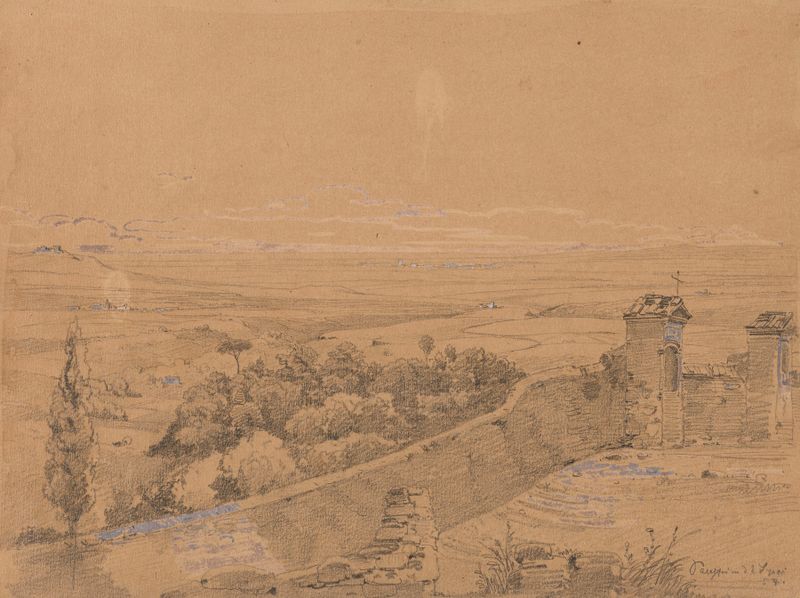
Landscape from the Vicinity of Palestrina
Arthur Blaschnik
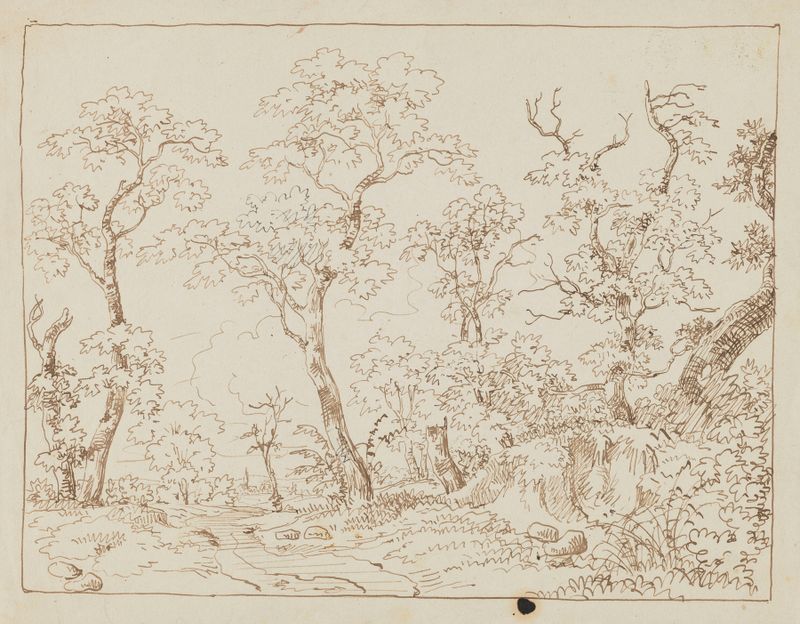
Studies of Trees, Landscape
Arthur Blaschnik
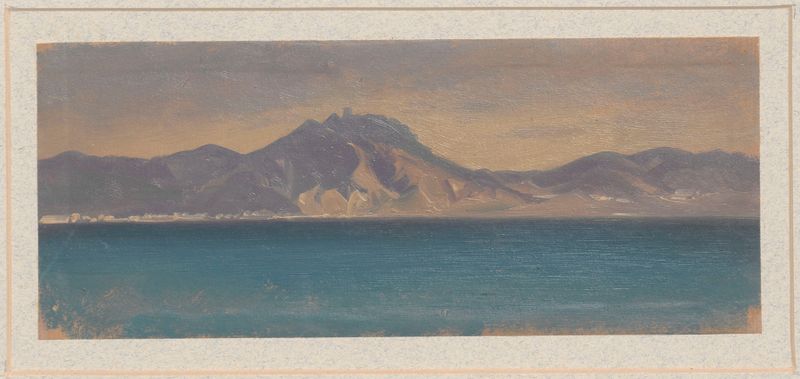
View of the Island of Capri
Arthur Blaschnik
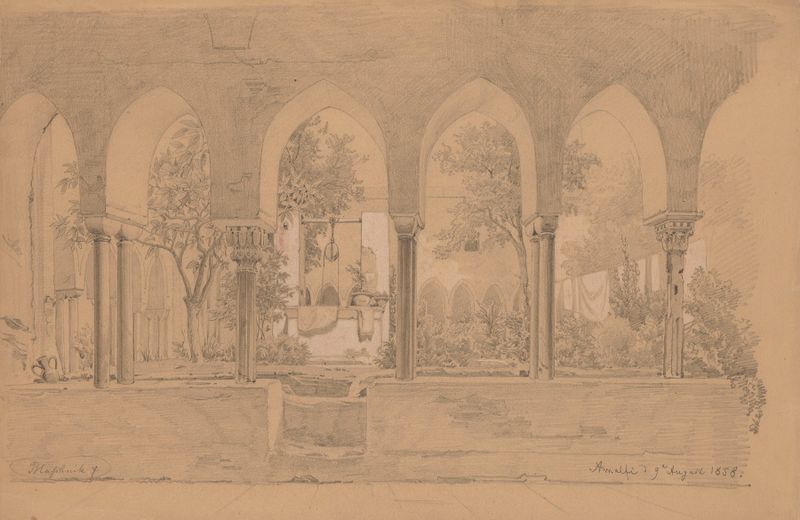
Cloister with Arcade Gallery in Amalfi
Arthur Blaschnik
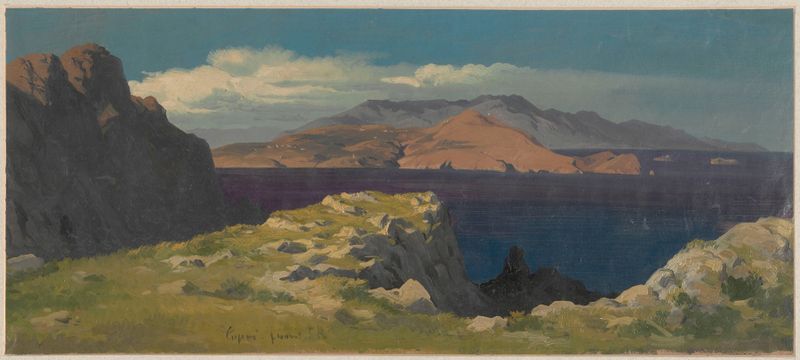
View of Capri
Arthur Blaschnik
More Architecture Art
Browse all →
The statue of Liberty
Frédéric Auguste Bartholdi

View of Houses in Delft, Known as ‘The Little Street’
Johannes Vermeer

View of Houses in Delft, Known as ‘The Little Street’
Johannes Vermeer

The Cathedral in Rouen. The portal, Grey Weather
Claude Monet

The yellow house
Vincent van Gogh

The Church in Auvers-sur-Oise, View from the Chevet
Vincent van Gogh