Palm Trees — History & Analysis
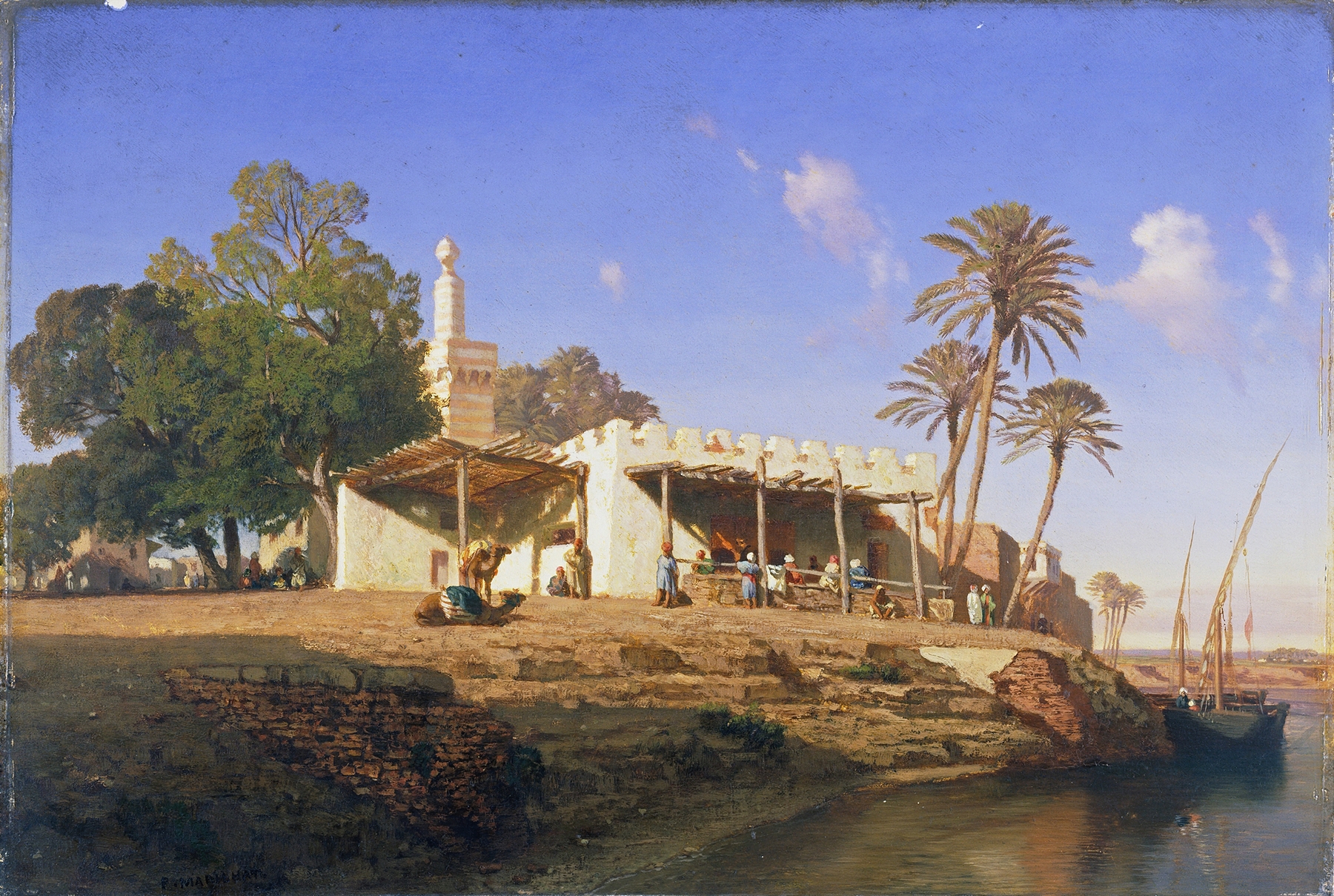
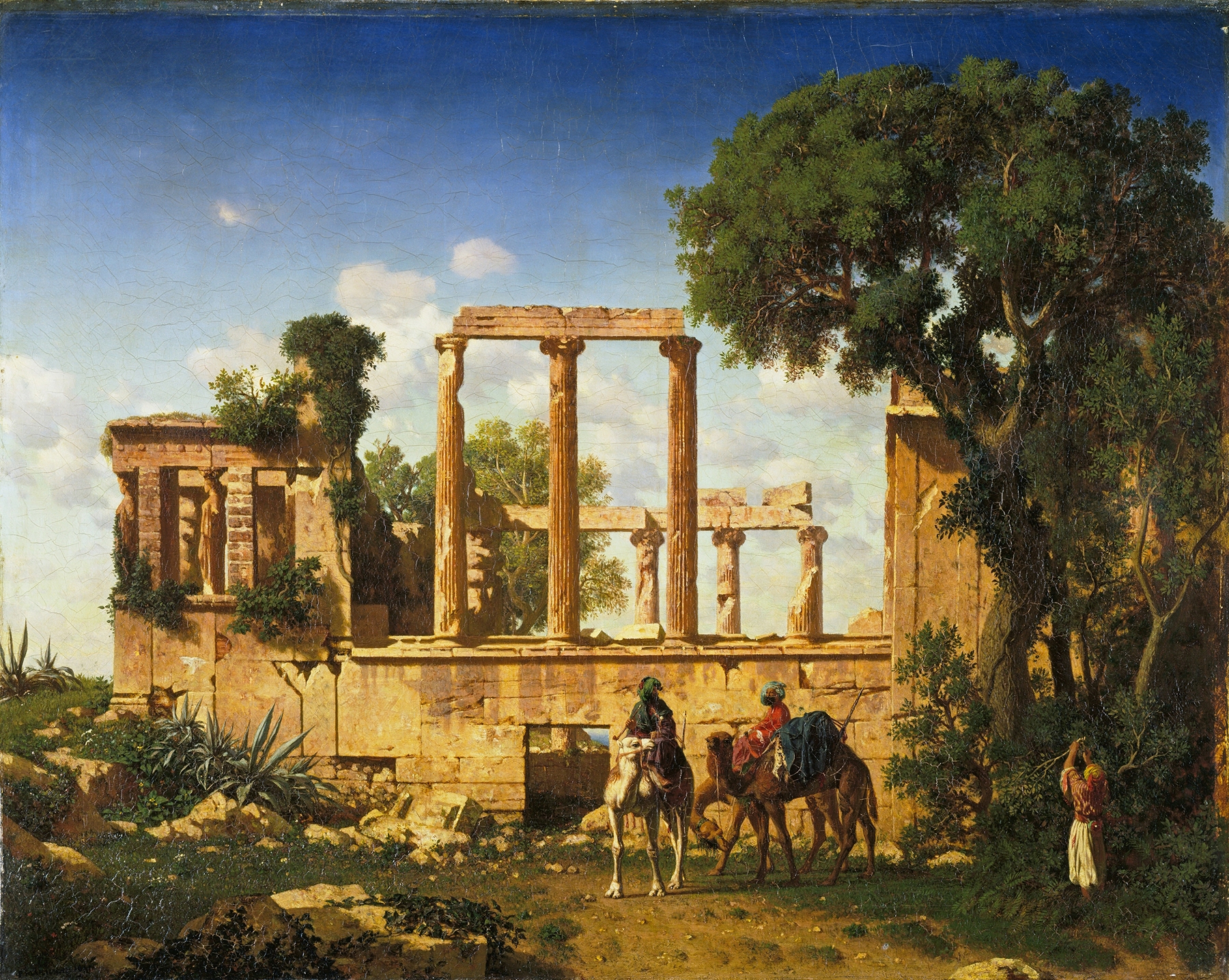
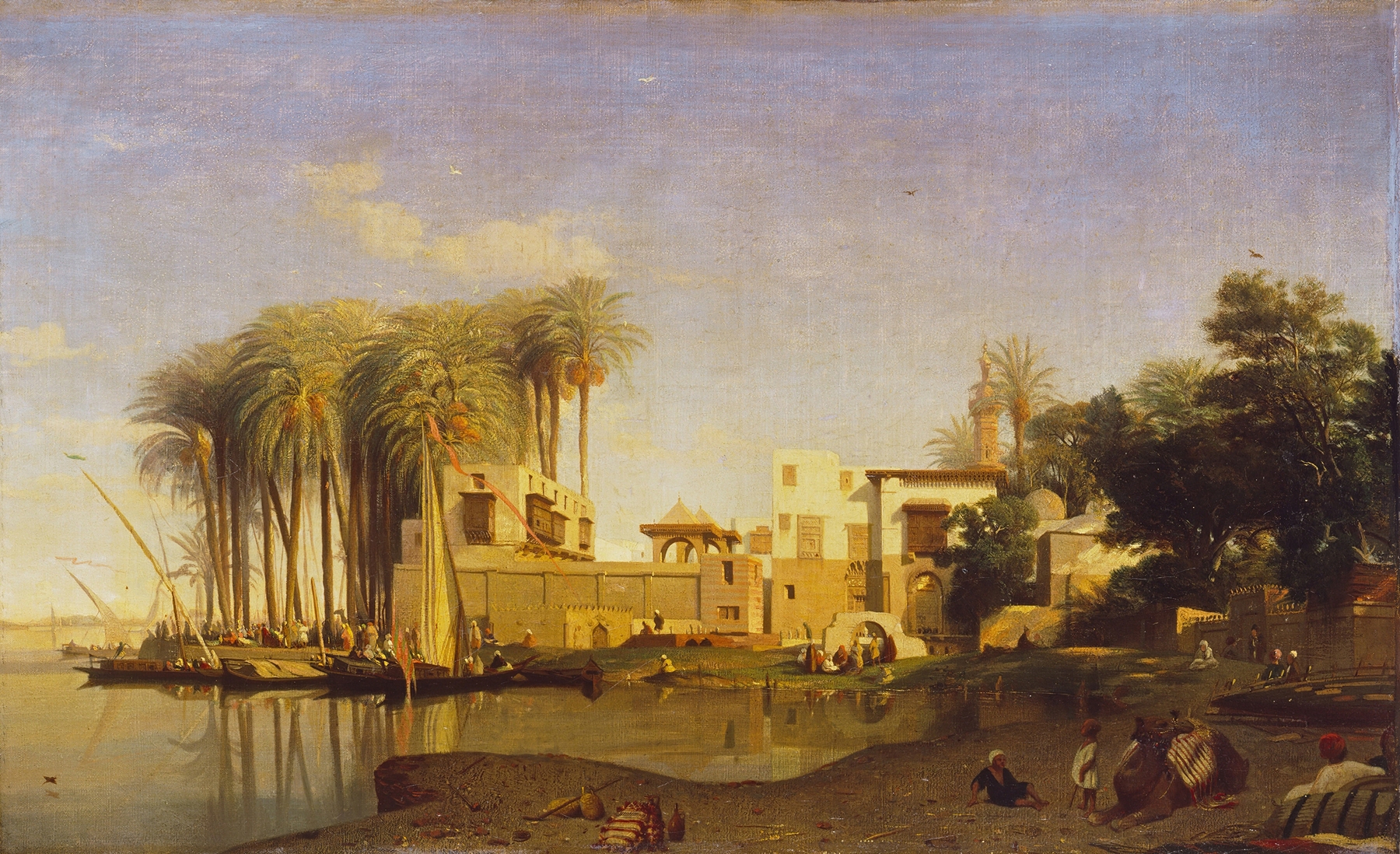
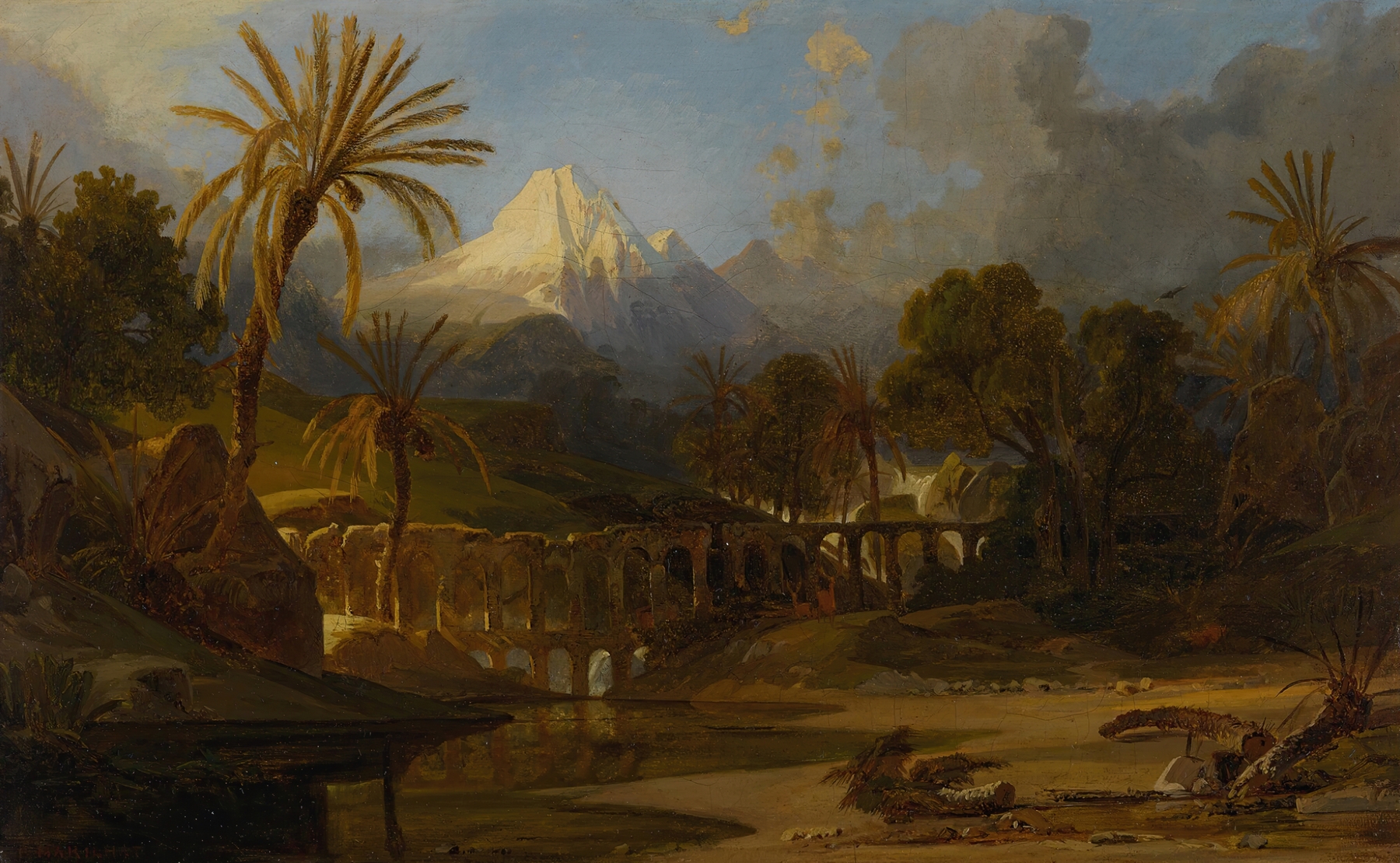
“Every brushstroke is a heartbeat remembered.” In the languid sway of palm trees, there lies a hidden truth about the passage of time and the whispers of nature. Look to the left at the vibrant greens of the palm fronds, their delicate fingers reaching toward an azure sky. Notice how the artist uses varying shades of green to create a sense of movement, with sunlight dappling through the leaves, casting intricate shadows on the ground below. The composition is open and airy, inviting the viewer to breathe in the tranquil atmosphere, while the soft brushwork evokes a dreamlike quality that captures the essence of a warm, sun-drenched day.
Delve deeper into the subtleties of this piece; the way the trunks of the palms stand firm against a gentle breeze symbolizes resilience amidst change. The interplay between light and shadow highlights not just the trees but the space around them—reminding us that every element in nature is interconnected. In this serene landscape, there exists a contrast between the stillness of the moment and the relentless passage of time, inviting contemplation on one's own existence within the larger tapestry of life.
During the years 1831 to 1833, the artist was immersed in the vibrant culture of France, where Romanticism was flourishing. Marilhat was influenced by his travels to exotic locales, particularly in North Africa, which inspired his lush depictions of nature. This painting emerged in a time when artists increasingly sought to convey personal visions and emotions through landscapes, setting the stage for the evolution of modern art.