Panoramic Landscape — History & Facts
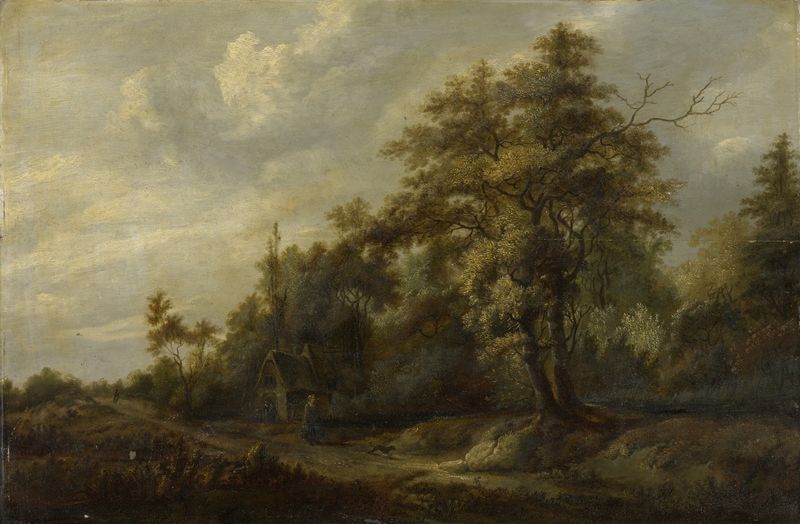
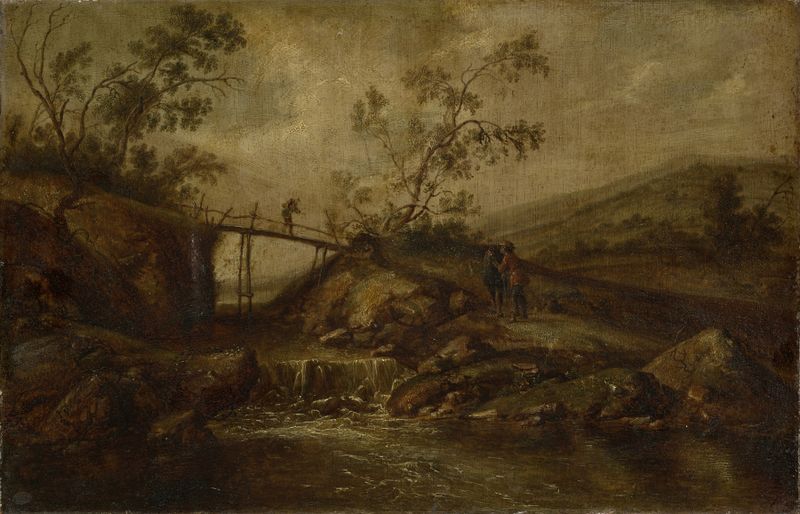
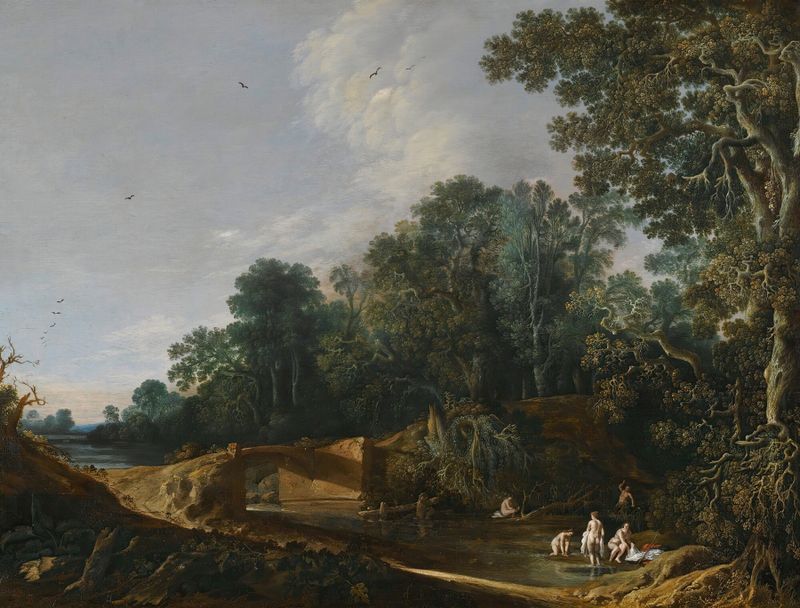
In the stillness of a landscape, movement whispers between the lines of the horizon and the shimmer of the water. A vivid panorama unrolls before the viewer, inviting contemplation of both the beauty and transience of nature. Look to the center of the composition where a tranquil river weaves through the landscape, reflecting dappled skies and lush greenery. Notice how the artist employs soft, blended brushstrokes to evoke the gentle ripples of the water, while sharper lines define trees and distant hills.
The color palette, dominated by earthy greens and bright blues, infuses the scene with a sense of life and vitality, as if the landscape itself is breathing. Delve deeper into the contrasts presented—the stillness of the water against the wind-swept foliage, the serene skies meeting the vibrant earth. This dynamic interplay creates an emotional resonance, suggesting a fleeting moment suspended in time. The meticulous details of the foreground, such as the delicate wildflowers, draw attention to the subtleties of life that often go unnoticed, reinforcing the theme of movement within stillness. During the years between 1655 and 1665, the artist, working in the Dutch Republic, was immersed in a period marked by both prosperity and artistic innovation.
Influenced by the growing interest in landscape painting, he captured the essence of nature with a fresh perspective, reflecting a broader cultural appreciation for the outdoors and its depiction in art. In this serene masterpiece, he not only presented a view of the world but also a glimpse into humanity's relationship with its environment.