
Pappeln im Sturm — History & Facts
In the quiet aftermath of loss, one finds solace in the depths of memory, where echoes linger and shadows dance. Look closely at the swirling clouds that dominate the canvas, their tumultuous forms a reflection of nature’s fury. The poplar trees stand resolute against the storm, their slender trunks bending yet refusing to break. Notice how the muted greens and greys merge, creating a haunting atmosphere that envelops the viewer, inviting a pause to reflect on the fragility of life. The juxtaposition of strength and vulnerability reveals a profound emotional narrative—these trees, though enduring the tempest, symbolize the weight of grief.
The storm pressing down upon them seems to carry whispers of what has been lost, each brushstroke an exploration of resilience amidst chaos. As the wind howls, it resonates with our own deep-seated fears, reminding us that survival often carries the burden of sorrow. Gustav Kampmann painted Pappeln im Sturm in a time of great personal and societal upheaval, just before the turmoil of World War I. Living in Germany, he witnessed immense changes in the artistic landscape, as movements shifted from Romanticism to the emerging modernist expressions.
This work encapsulates a moment of introspection, capturing not just the struggle of nature but also the artist's own confrontation with loss and change in a rapidly evolving world.
More Artworks by Gustav Kampmann
Browse all →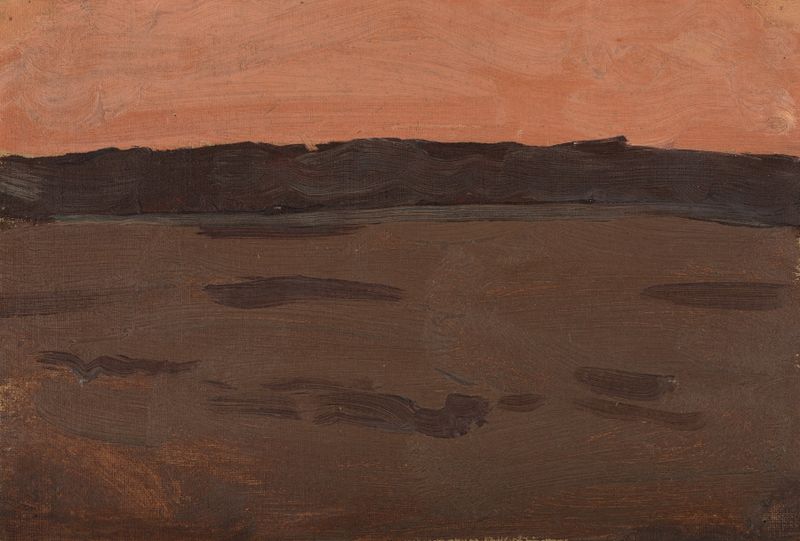
Abendstimmung
Gustav Kampmann

Eisenbahn am Abend
Gustav Kampmann

Nach Sonnenuntergang im Winter
Gustav Kampmann

Blick von der Hornisgrinde
Gustav Kampmann

Hügelige Landschaft mit Baumreihe
Gustav Kampmann
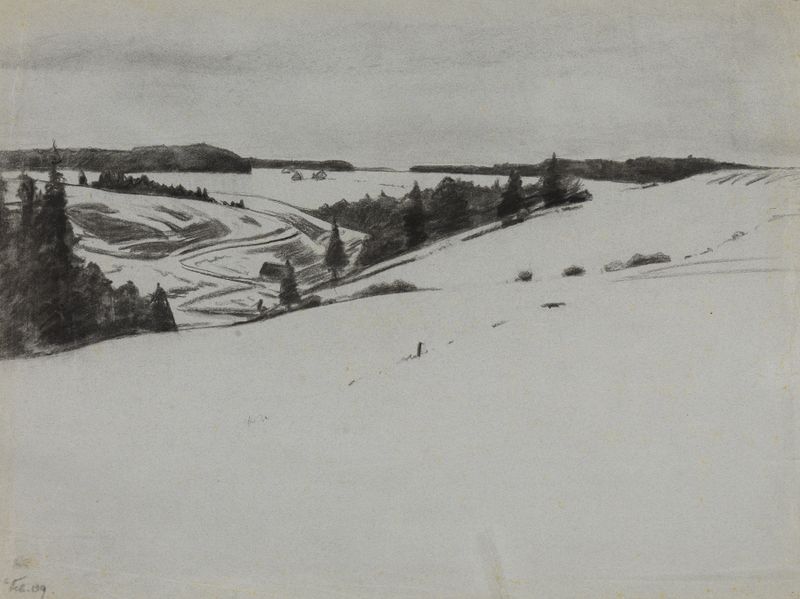
Schneelandschaft bei Königsfeld
Gustav Kampmann
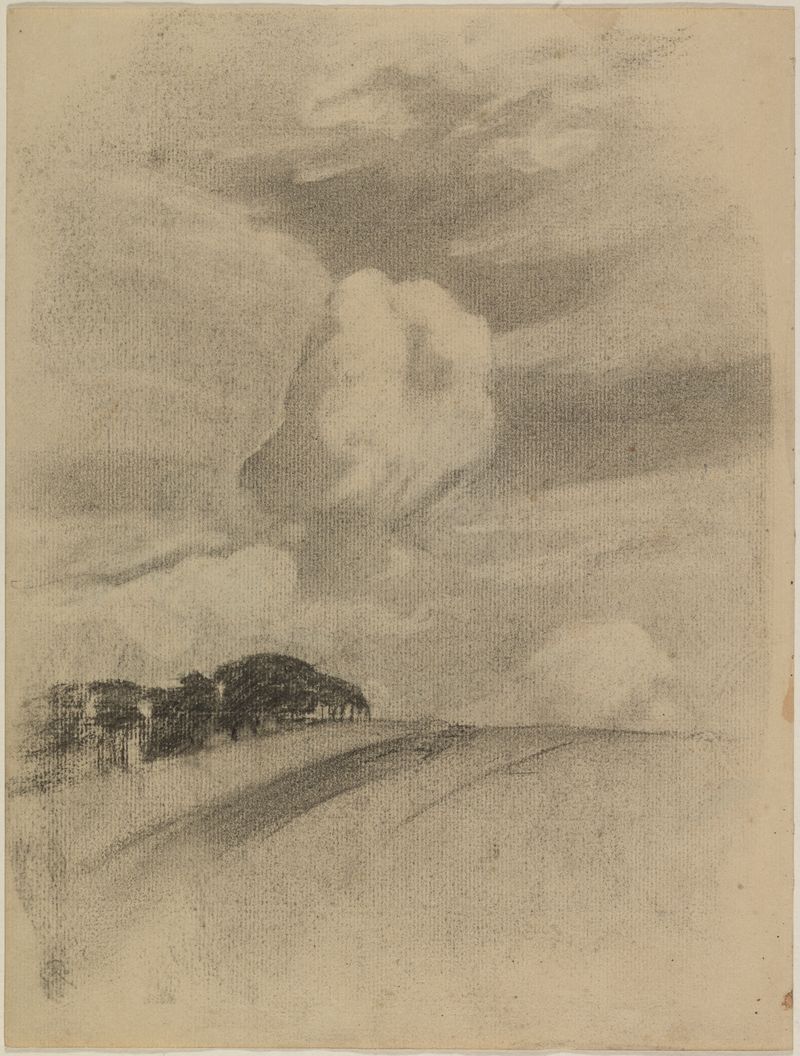
Landschaftsstudie
Gustav Kampmann
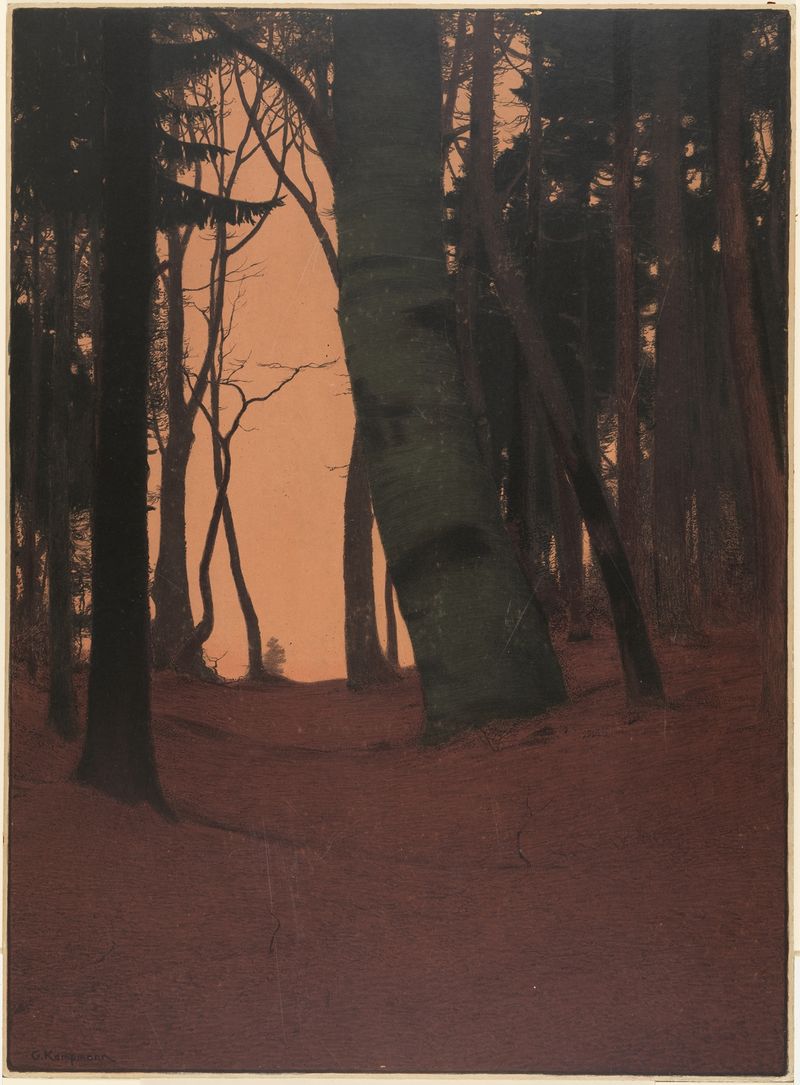
Abend im Wald
Gustav Kampmann

Drei alte Weiden bei Langenpreising
Gustav Kampmann
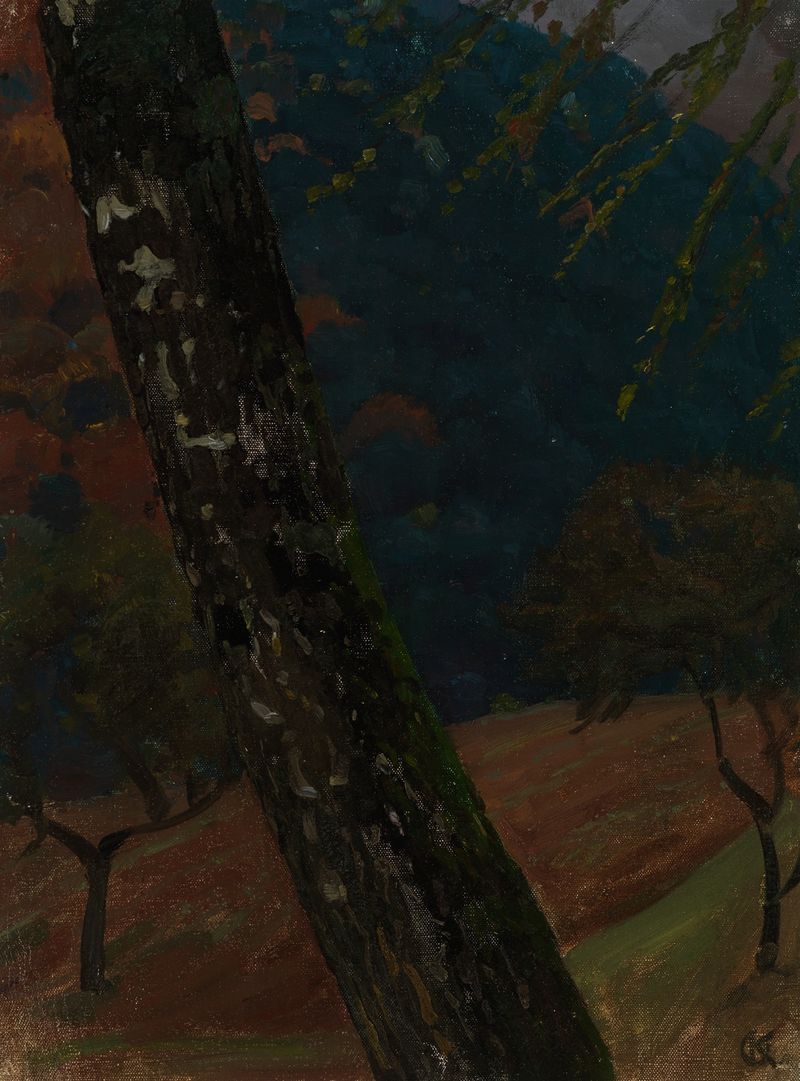
Baumstamm bei Obersteinbach
Gustav Kampmann





