
Paradies — History & Facts
A shaft of golden light seems to break through the foliage, drawing your gaze to the serene, almost spectral figure at the heart of Paradies. The eye travels upward and outward, following the curve of a tree that divides the composition, its branches alive with birds and movement. Around the central figure, a menagerie of animals—fox, deer, ox—gather in a lush, dreamlike landscape, their forms simplified into blocks of warm ochre, russet, and green.
The palette is both vibrant and soft, lending the scene a sense of quiet abundance, as if the world holds its breath in a moment of perfect peace. The painting’s verticality and the way the figures seem to emerge from the foliage suggest a vision of paradise that is both intimate and expansive, a sanctuary where human and animal lives intermingle. Painted in 1912, Paradies belongs to a world on the cusp of modernity, when artists like August Macke—inspired by the innovations of the Expressionist and Der Blaue Reiter circles—sought new ways to convey emotion and spiritual longing through color and form. This was an era when the boundaries between the visible and the imagined grew porous, and scenes of Eden or Arcadia became vehicles for personal and collective yearning.
The work’s current home in the Wuselig collection is a reminder of how many such paintings, created in the ferment of early twentieth-century Europe, have slipped quietly into lesser-known collections, their histories fragmentary but their visions undimmed. The longer you look, the more the painting’s layered greens and golds invite you to step inside its paradise, and to wonder what other worlds might be waiting just beyond the frame.
More Artworks by August Macke
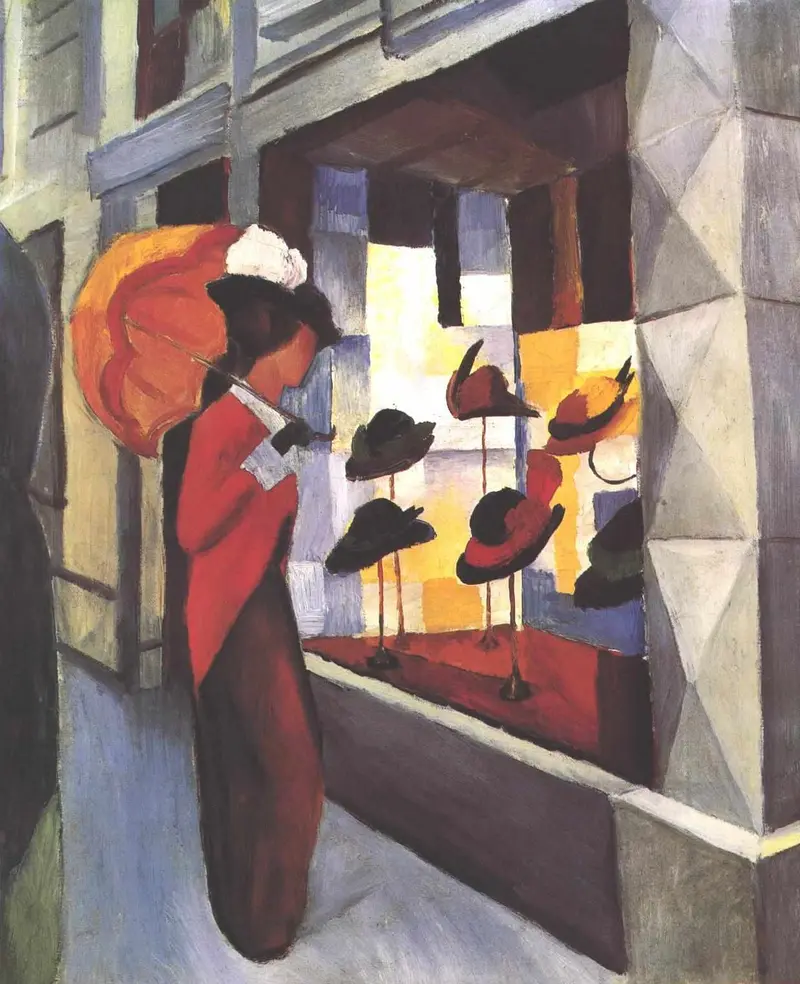
Woman with a Parasol in Front of a Hat Shop
August Macke

Street with Church in Kandern
August Macke
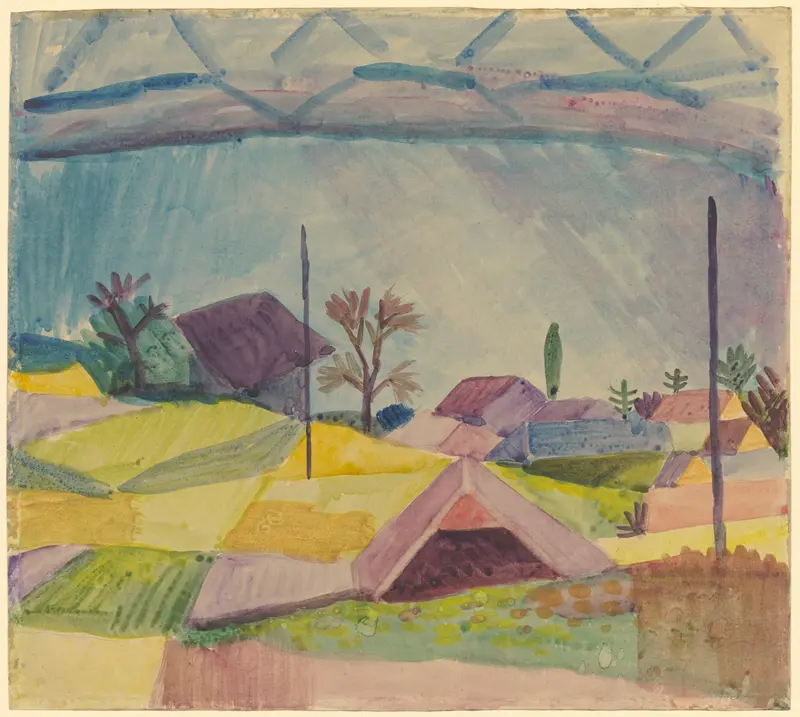
View of Hilterfingen
August Macke

Paar im Nachen
August Macke
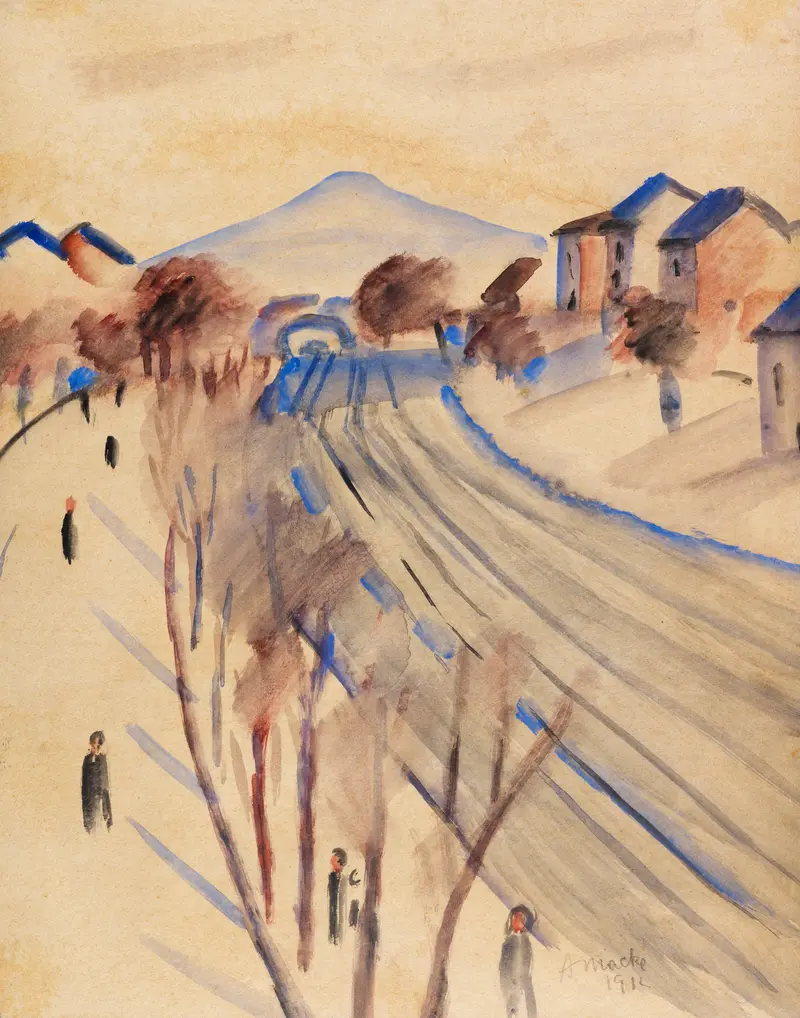
Ölberg mit Bahngleisen II
August Macke
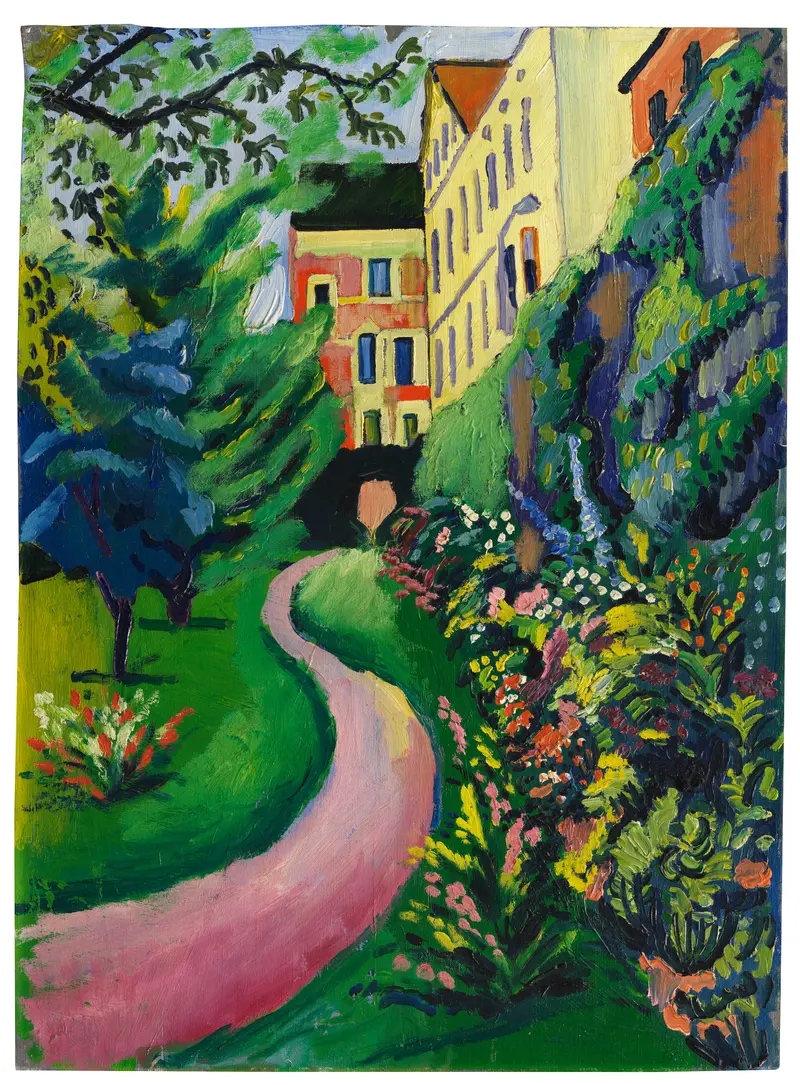
Unser Garten mit blühenden Rabatten
August Macke
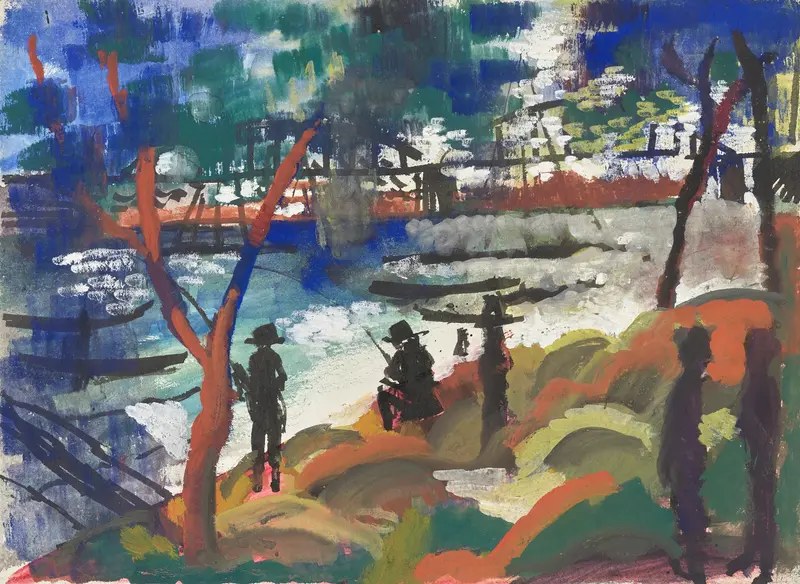
Angler am Fluss
August Macke
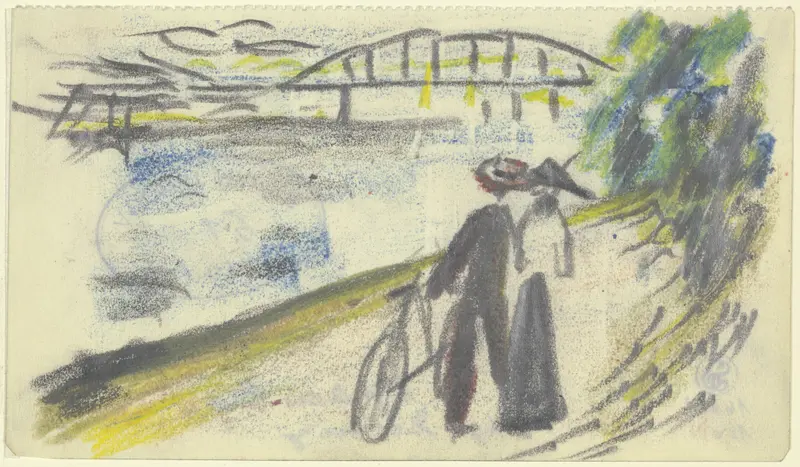
Path at the Rhine
August Macke
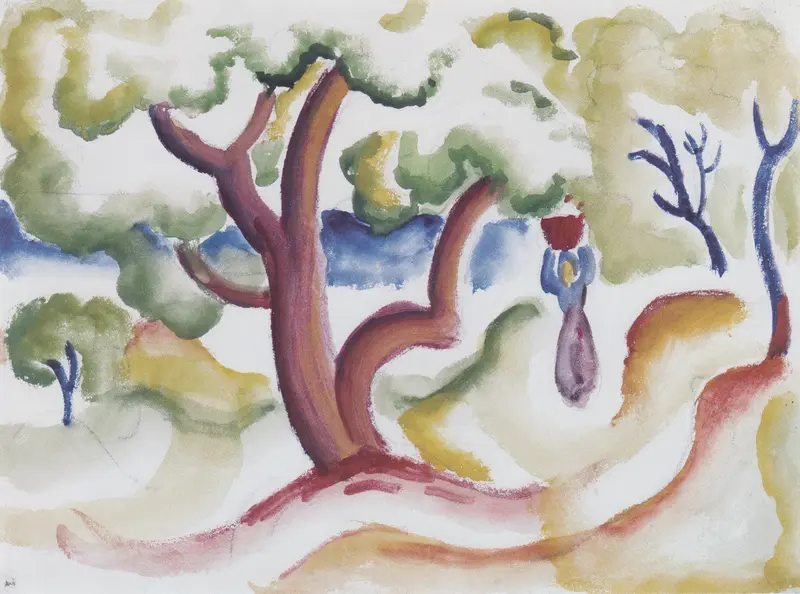
Frau mit Krug unter Bäumen
August Macke
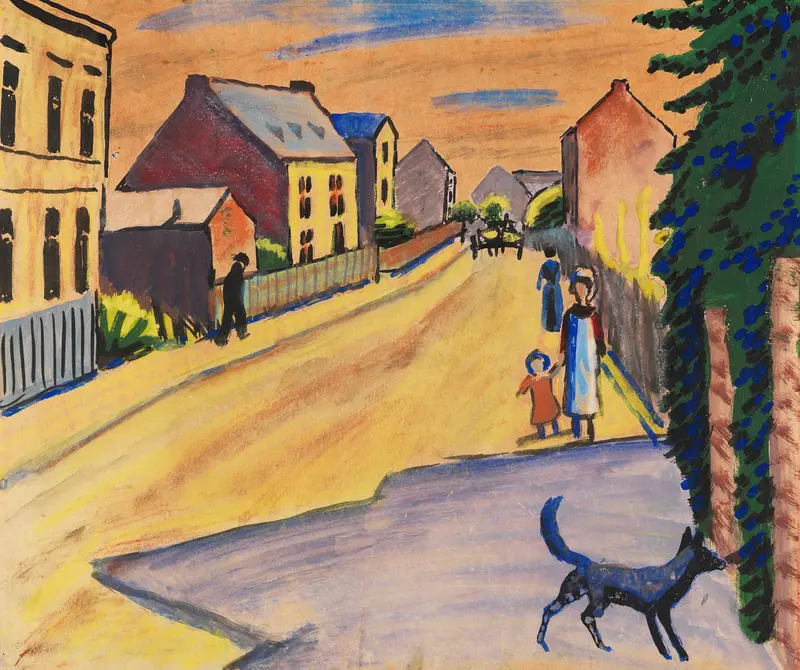
Sonnige Straße mit Hund
August Macke
More Landscape Art

The Starry Night
Vincent van Gogh

View of Delft
Johannes Vermeer

Water Lilies
Claude Monet

The Grand Canal, Venice, looking north-west from the Ca' Corner to the Ca' Contarini degli Scrigni, with the campanile of Santa Maria della Carità
Canaletto

Windsor Castle
Canaletto

The Grand Canal looking North-East from the Palazzo Dolfin-Manin to the Rialto Bridge
Canaletto