
Paradise Rocks—Study at Paradise, Newport, Rhode Island — History & Facts
Where does light end, and longing begin? This question resonates within the vibrant hues and intricate layers of a world suspended between reality and dream. Look to the left at the lush greenery, where foliage seems to whisper secrets and beckon the viewer deeper into the scene. Notice how the dappled sunlight filters through the leaves, casting playful shadows that dance across the ground. The blues and greens are not merely colors but an invitation to lose oneself in the tranquility of paradise, while the carefully placed rocks ground the composition, offering a sense of stability amid the ethereal beauty. Yet beneath the serene surface lies an undercurrent of obsession.
The artist’s meticulous attention to detail reveals a longing for a connection that transcends mere observation. Each brushstroke captures not just the vibrant landscape but the emotional weight of desire and aspiration. The contrast between the solid, unyielding stones and the delicate play of light suggests an eternal struggle between nature’s permanence and fleeting moments of beauty. In 1884, John La Farge created this work in Newport, Rhode Island, during a period of personal exploration and artistic innovation.
The American art scene at the time was shifting, with La Farge at the forefront of the movement that embraced both realism and the luminism style, which focused on the effects of light in landscapes. This painting reflects his desire to capture transcendent beauty, while also resonating with the collective yearning for escapism during an era marked by change.
More Artworks by John La Farge
Browse all →
Red Pagoda, Nikko
John La Farge
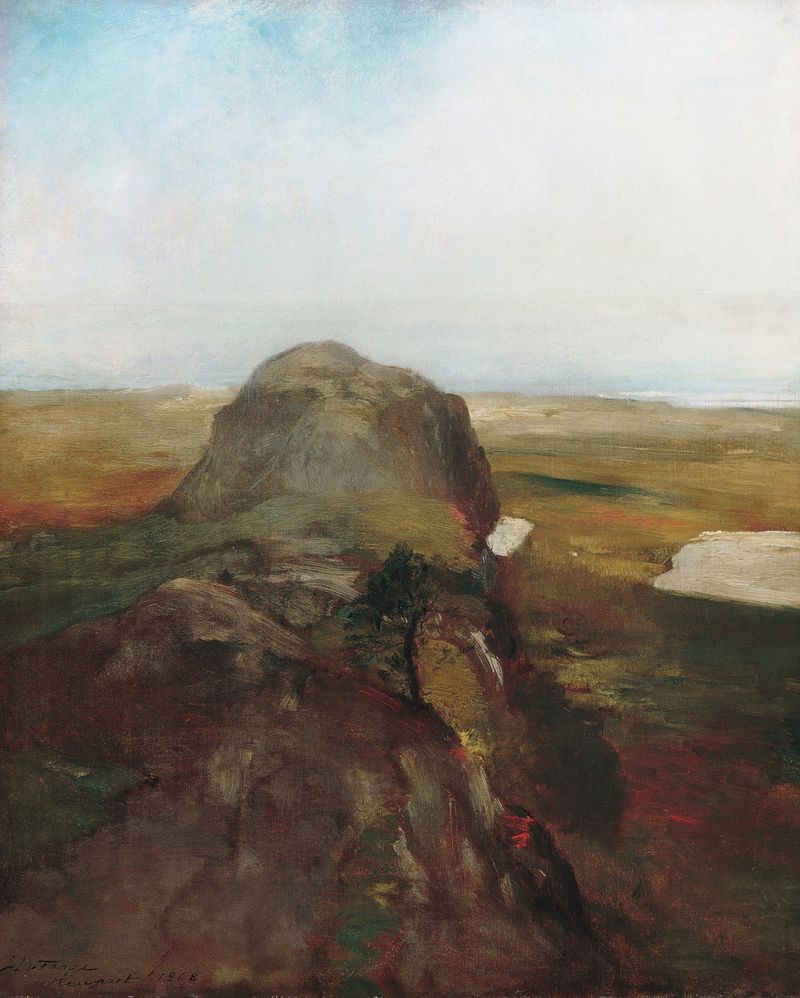
Autumn Study, View over Hanging Rock, Newport, R.I.
John La Farge
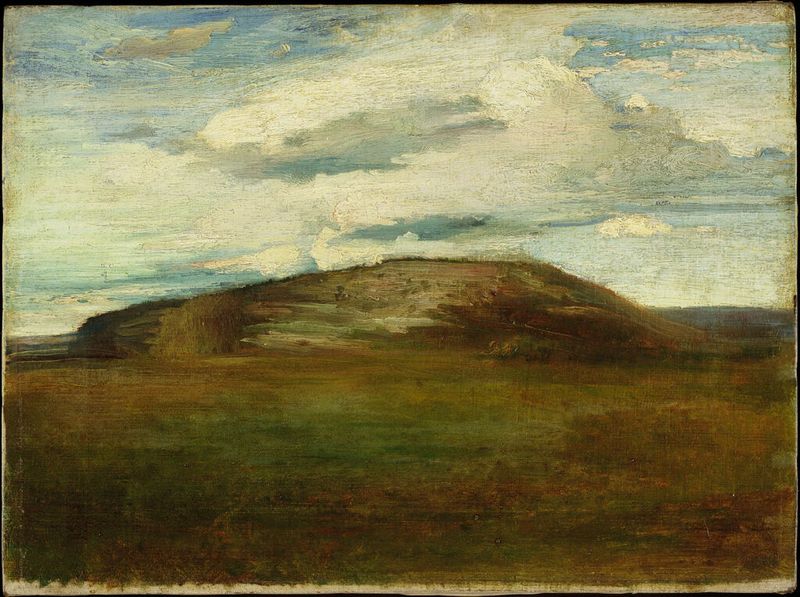
Autumn: Mid-Day, Looking North, Table-Rock Hill, Peekskill, New York
John La Farge
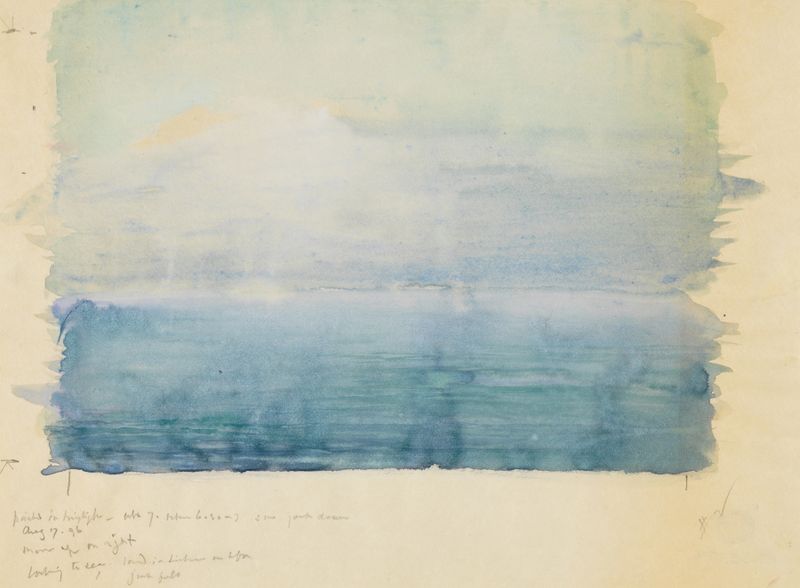
Bar Harbor, Twilight
John La Farge
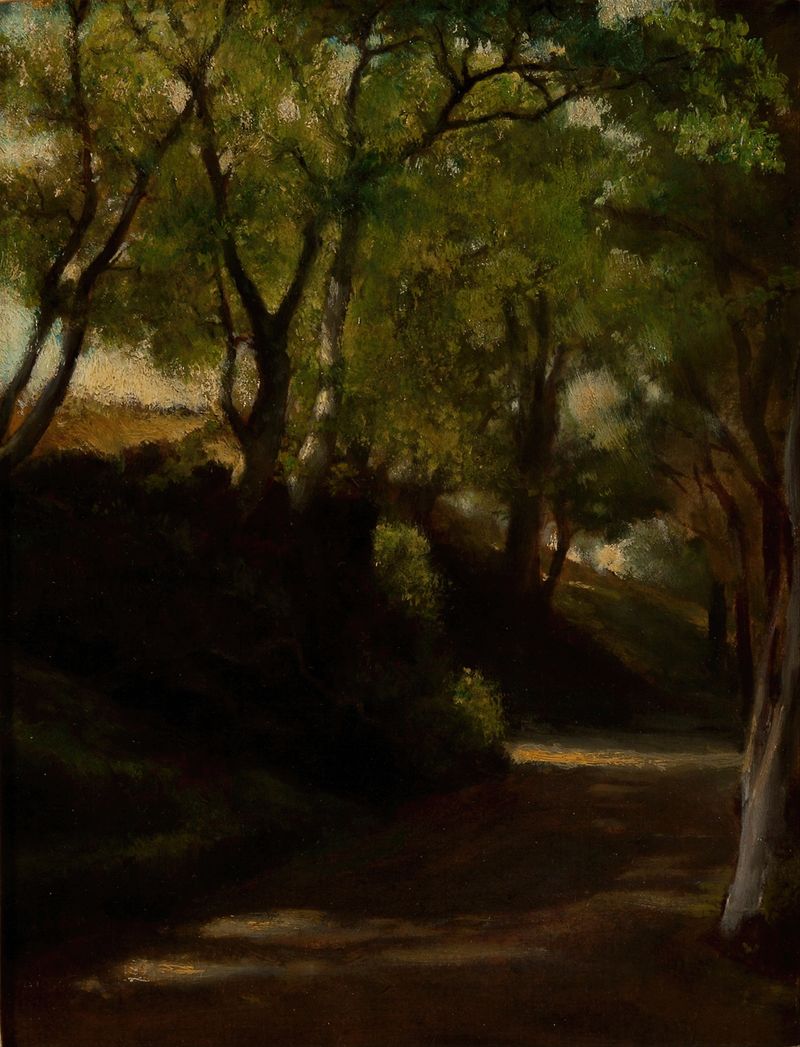
In ‘The Glen,’ Portsmouth, Rhode Island
John La Farge

The Island of Moorea Looking across the Strait from Tahiti, January 1891
John La Farge
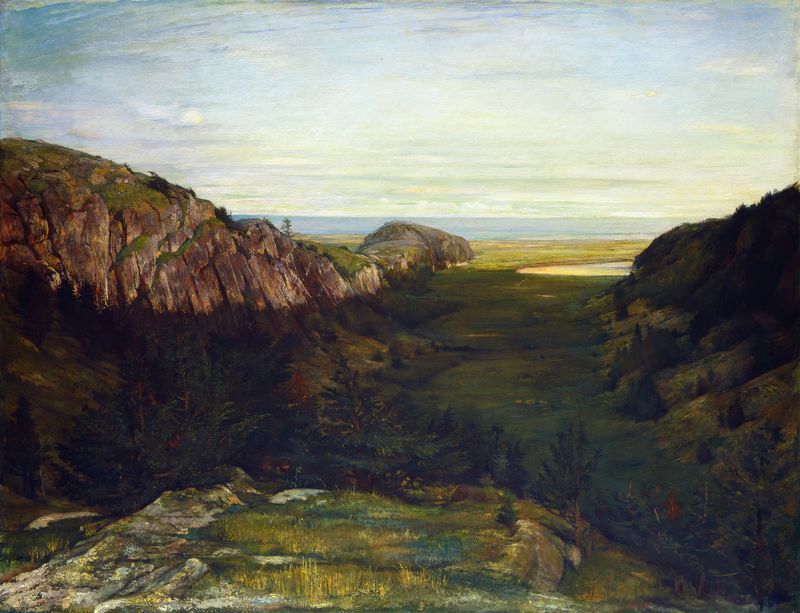
The Last Valley – Paradise Rocks
John La Farge
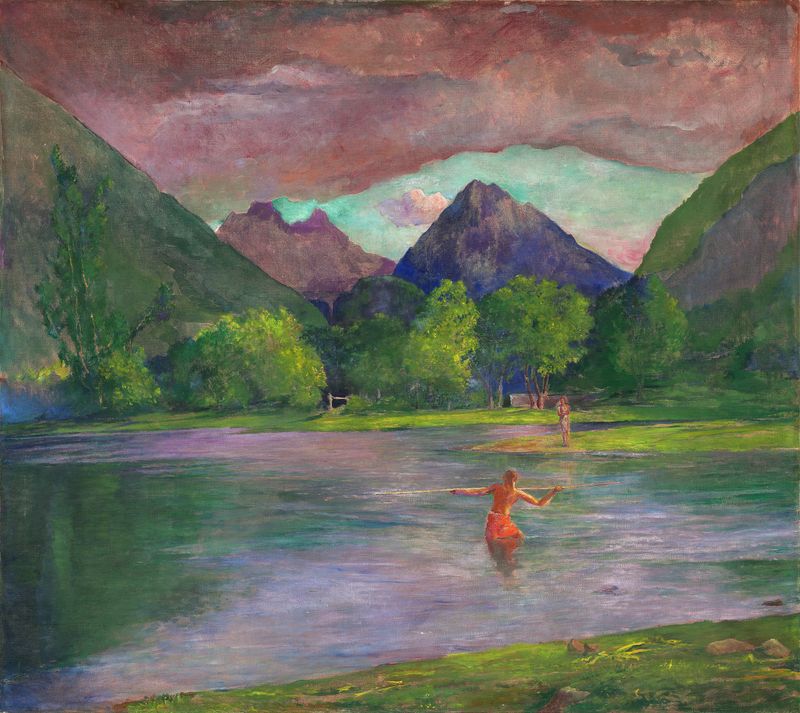
The Entrance to the Tautira River,Tahiti. Fisherman Spearing a Fish
John La Farge

Snow Field, Morning, Roxbury
John La Farge
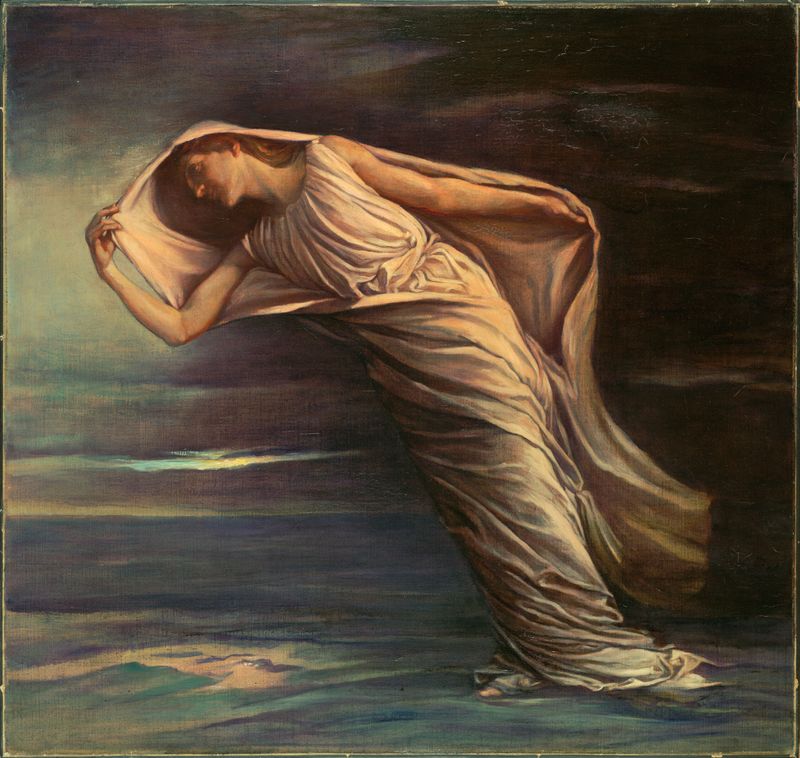
The Dawn
John La Farge





