Parasol met dek van effen wit katoen, op een lichte houten stok, waaraan een haak van hoorn — History & Facts
Could beauty survive in a century of chaos? This question lingers in the air as we gaze upon the delicate simplicity of a parasol, its fabric a soft, unassuming white, yet brimming with profound meaning. Look to the center where the parasol rests, poised on a light wooden stick, stark against the soft palette of its surroundings. Notice how the gentle curve of the canopy captures the light, creating a play of shadows that dance delicately across the surface below. The hook of horn, a subtle yet striking detail, invites us to consider the craftsmanship behind the object, evoking a sense of intimacy that belies its unpretentious appearance. As you explore further, the contrast between nature and civilization emerges—a symbol of tranquility amidst the impending storm of change.
The white cotton of the parasol suggests purity and innocence, while the sturdy wooden pole signifies strength and resilience. Together, they create a tension that speaks to the longing for calm amidst the chaos of the early 20th century, a time fraught with social upheaval and revolution. In 1900, Gustav Schnitzler was immersed in the evolving art scene of Europe, where traditional forms were challenged by new ideas. This was a period marked by a clash of cultures and ideologies, shaping his vision as he painted in what is now known as modernism.
The parasol represents not just a personal object, but a universal desire for beauty and peace in a world on the brink of monumental change.
More Artworks by Gustav Schnitzler
Browse all →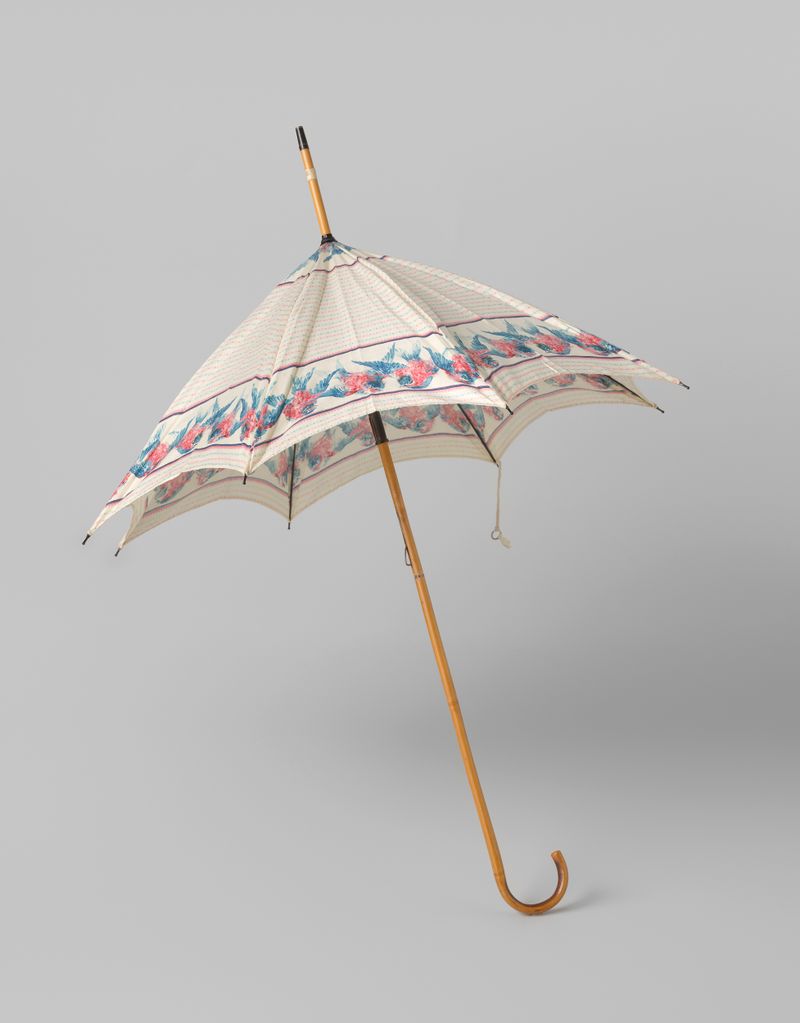
Parasol met dek witte katoen bedrukt met roze en blauwe vogeltjes, op een bamboe stok met gebogen handvat
Gustav Schnitzler
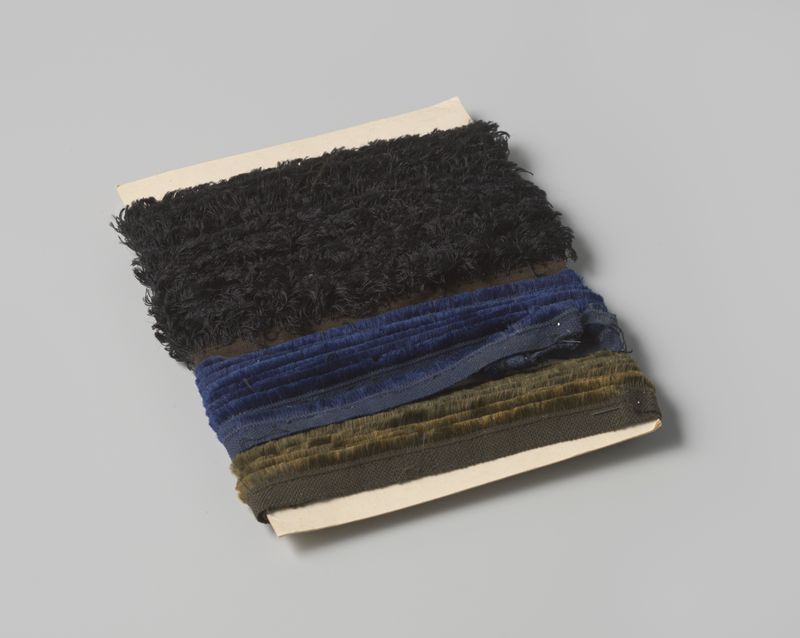
Strook zwarte franje aan bezemband, op karton
Gustav Schnitzler
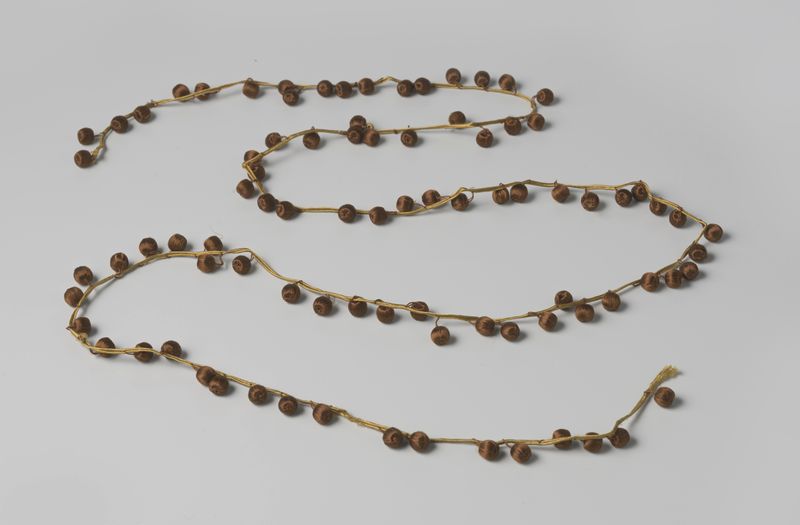
Galon, goudkleurig, waaraan pompons van bruin (zijde)draad hangen
Gustav Schnitzler
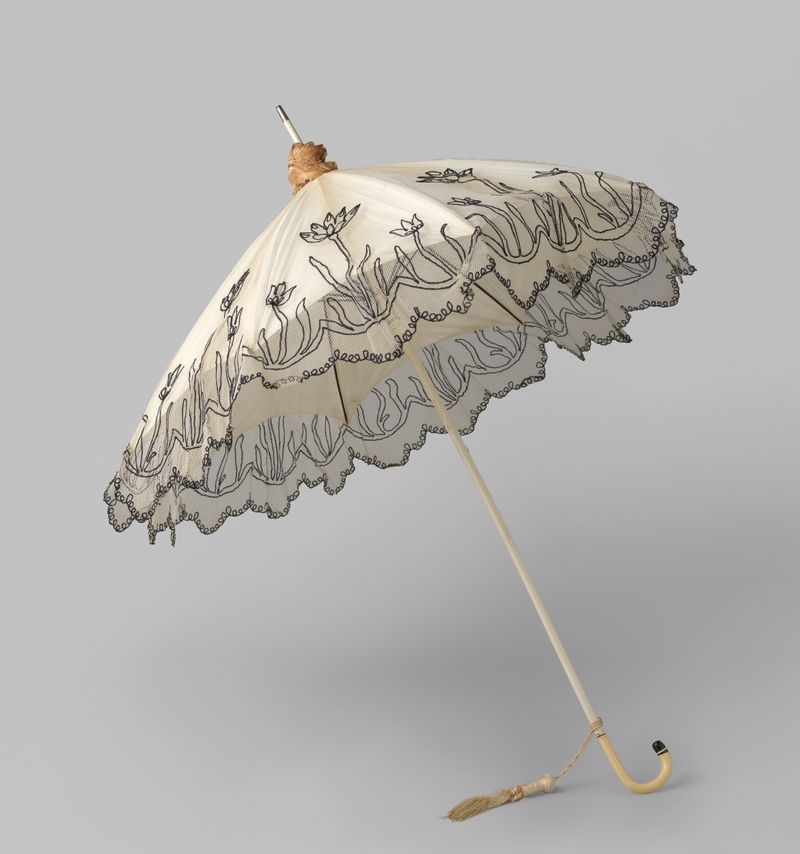
Parasol met dek van witte tule waarop zwart borduurwerk van telkens drie bloemen, op een witgeverfde houten stok, waaraan een gebogen ivoorkleurig handvat
Gustav Schnitzler

Parasol met dek van witte katoen, waartussen een strook van witte kant, op een lichte, houten stok met een ronde haak
Gustav Schnitzler

Strook franje, getand, wit en écru, gewikkeld rond een met gouden randen afgezet plankje
Gustav Schnitzler
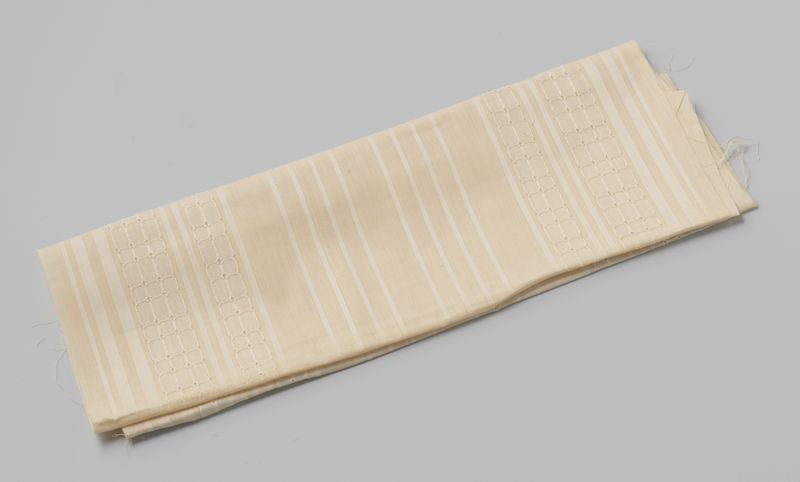
Coupon wit parasolkatoen met beige strepen aan weerszijden
Gustav Schnitzler
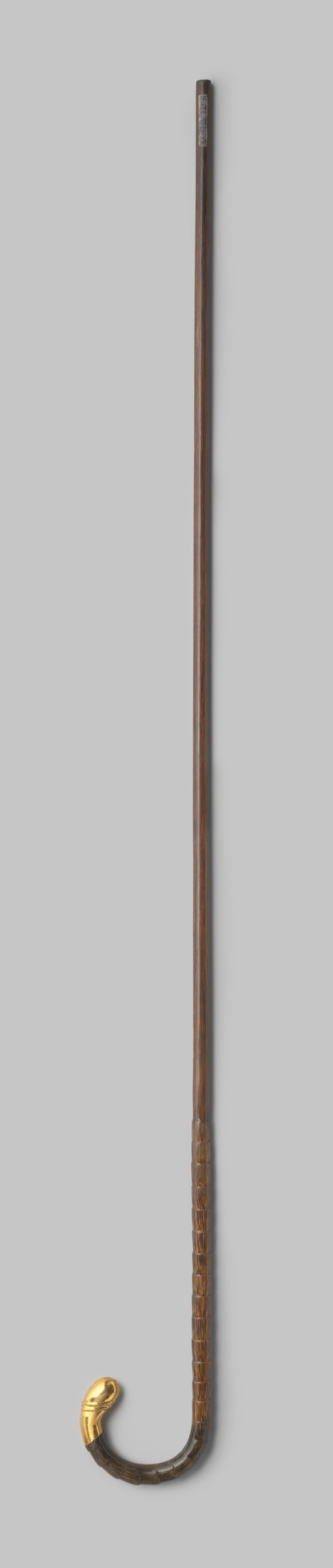
Onderstok van een parapluie of parasol van kokospalm met ronde haak en goudkleurig (verguld?) metalen uiteinde
Gustav Schnitzler
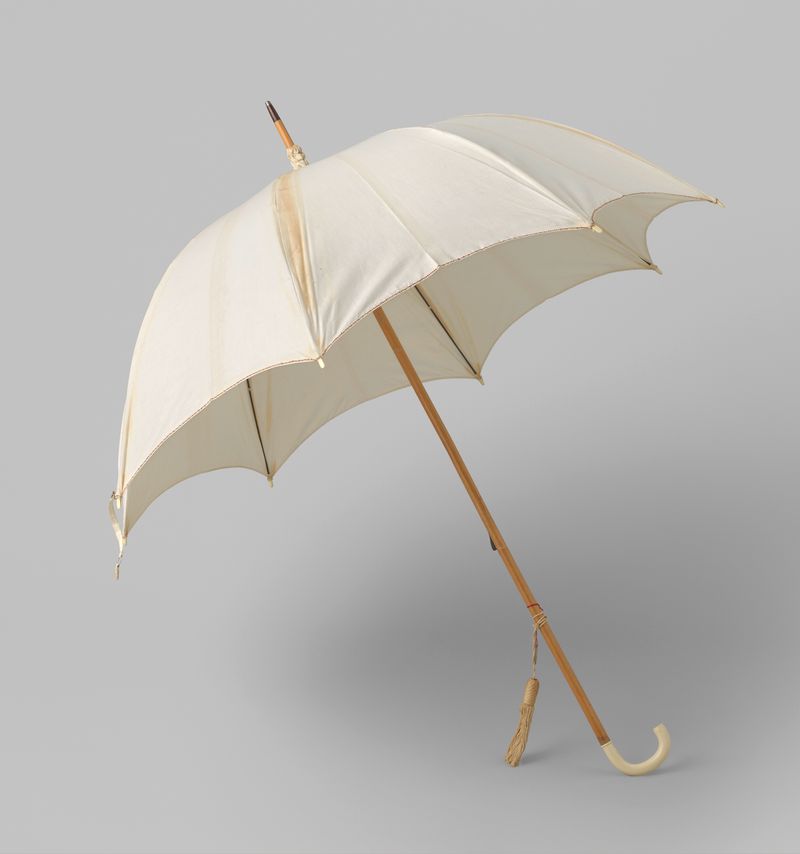
Parasol met dek van effen witte katoen met een smal meerkleurig draad langs de rand geregen, op lichte houten stok, met gebogen, ivoorkleurig handvat
Gustav Schnitzler
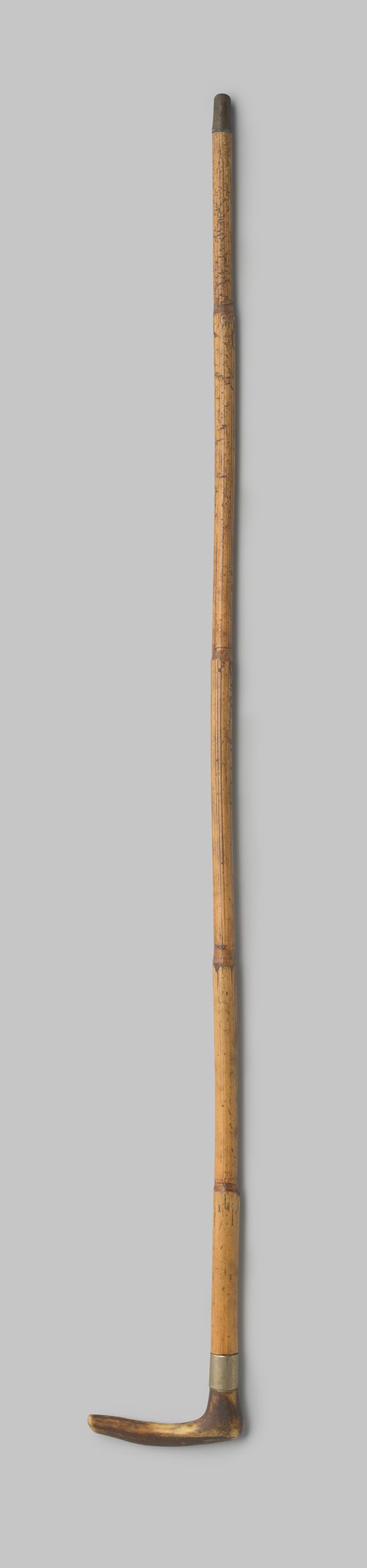
Onderstok van parasol of parapluie van bamboe met rechte haak van hertshoorn, met ring en punt van koper
Gustav Schnitzler