Strook witte kant met slingermotief op karton — History & Facts
In the midst of chaos, the quiet spaces in this artwork resonate with the weight of unspoken truths, inviting us to reflect on the nature of faith and creation. Look to the center of the composition, where the white lace-like strokes delicately interweave across the cardboard surface, creating a dance of light and shadow. The textured material acts as a canvas that breathes, drawing the eye into its intricate patterns. Notice how the subtle variations in hue—from the soft cream to the stark white—emphasize the handmade quality, infusing each stroke with a sense of intimacy and care. The piece exudes a tension between fragility and resilience, as the lace motif suggests both beauty and vulnerability.
Each curve and line speaks to the artist’s exploration of faith, evoking the idea that belief can take on many forms, sometimes intricate and delicate, yet always powerful in its presence. The contrast of the smooth texture against the coarse background brings forth a dialogue about the complexities of spiritual experiences—how they can be both uplifting and confounding. Created around 1925, during a time of artistic experimentation and renewal, the work reflects Gustav Schnitzler's engagement with the avant-garde movements in Europe. Residing in Germany, he sought to redefine the boundaries of traditional art, often incorporating materials that challenged conventional aesthetics.
This period marked a significant shift in his approach, as he embraced both abstraction and symbolism, paving the way for a deeper exploration of faith intertwined with artistic expression.
More Artworks by Gustav Schnitzler
Browse all →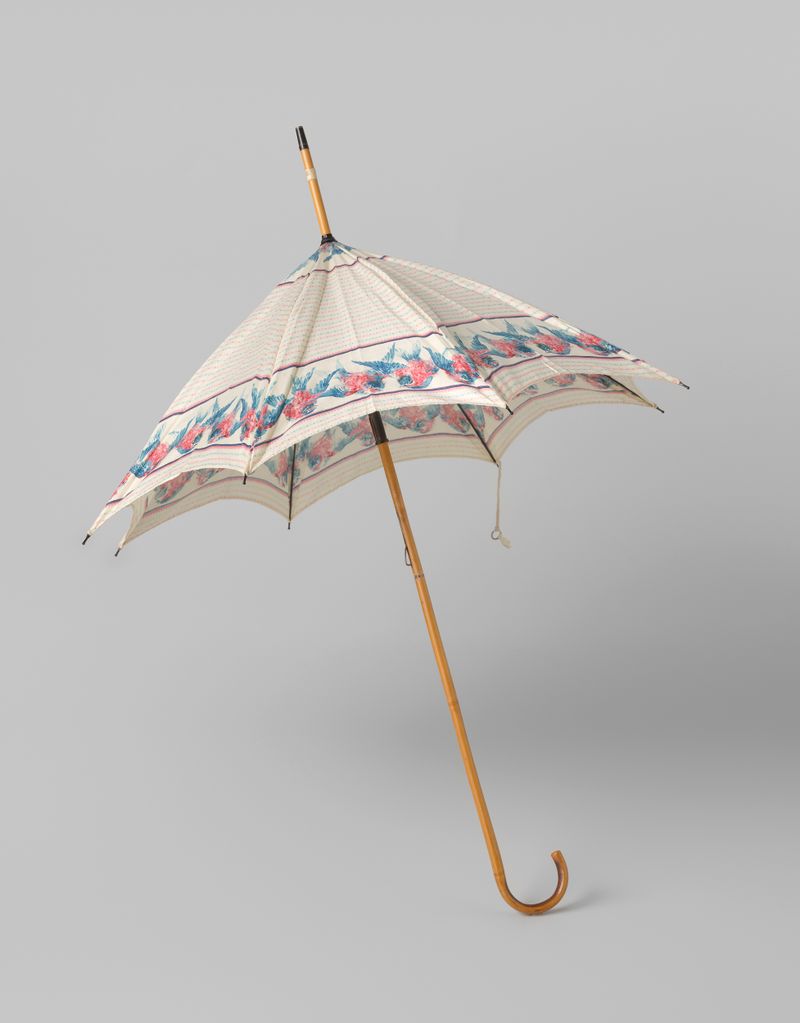
Parasol met dek witte katoen bedrukt met roze en blauwe vogeltjes, op een bamboe stok met gebogen handvat
Gustav Schnitzler
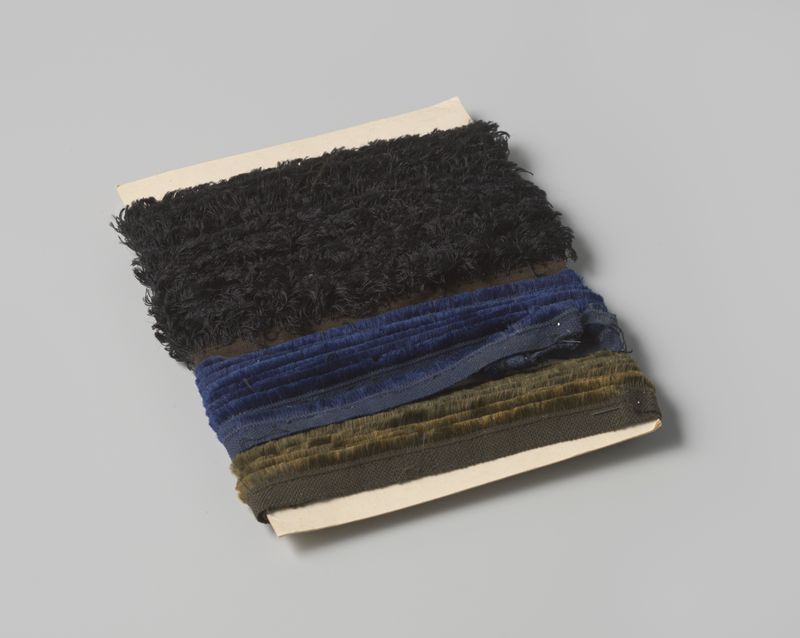
Strook zwarte franje aan bezemband, op karton
Gustav Schnitzler
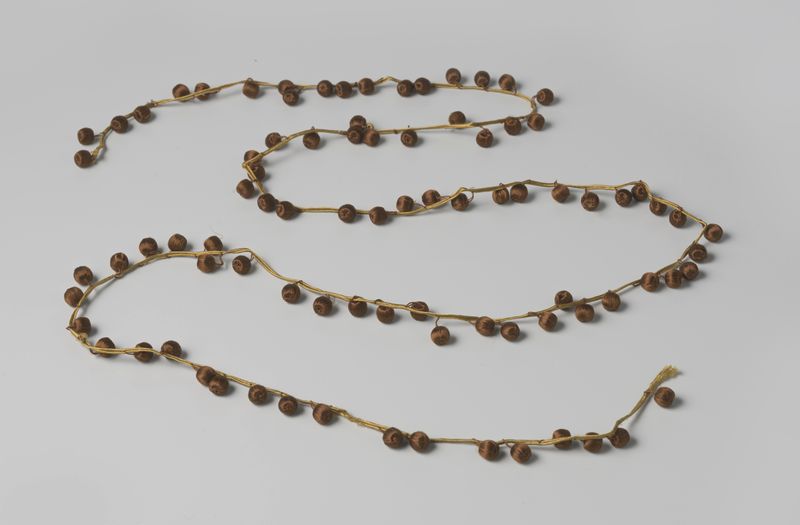
Galon, goudkleurig, waaraan pompons van bruin (zijde)draad hangen
Gustav Schnitzler
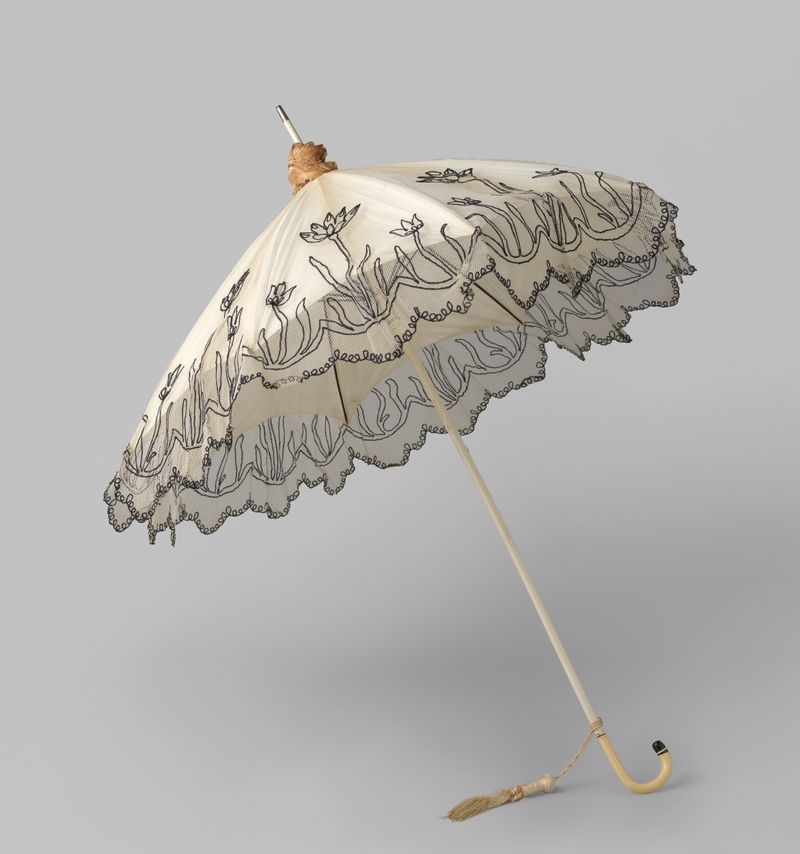
Parasol met dek van witte tule waarop zwart borduurwerk van telkens drie bloemen, op een witgeverfde houten stok, waaraan een gebogen ivoorkleurig handvat
Gustav Schnitzler

Parasol met dek van witte katoen, waartussen een strook van witte kant, op een lichte, houten stok met een ronde haak
Gustav Schnitzler

Strook franje, getand, wit en écru, gewikkeld rond een met gouden randen afgezet plankje
Gustav Schnitzler
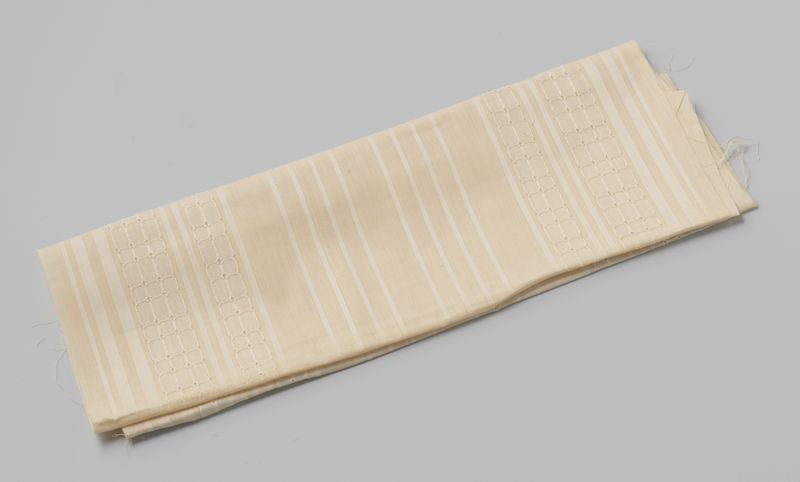
Coupon wit parasolkatoen met beige strepen aan weerszijden
Gustav Schnitzler
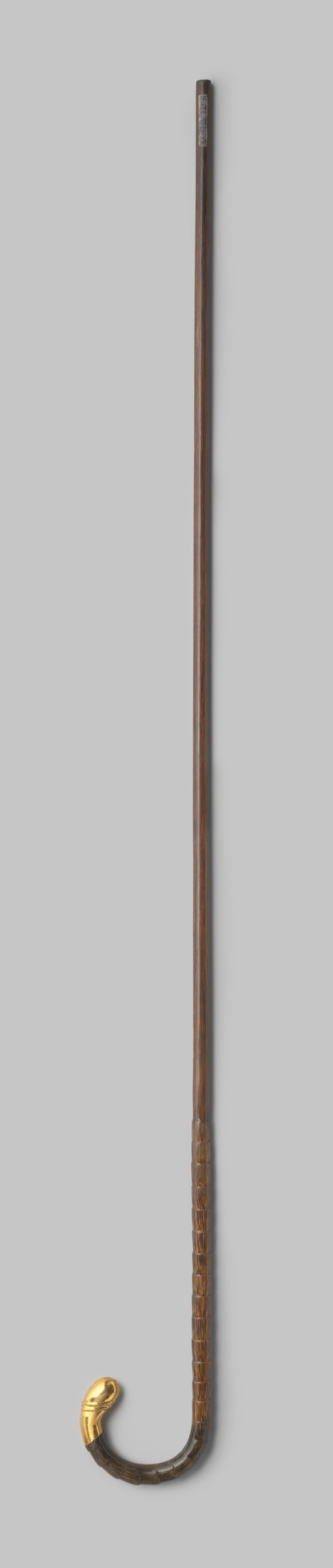
Onderstok van een parapluie of parasol van kokospalm met ronde haak en goudkleurig (verguld?) metalen uiteinde
Gustav Schnitzler

Parasol met dek van effen witte katoen met een smal meerkleurig draad langs de rand geregen, op lichte houten stok, met gebogen, ivoorkleurig handvat
Gustav Schnitzler
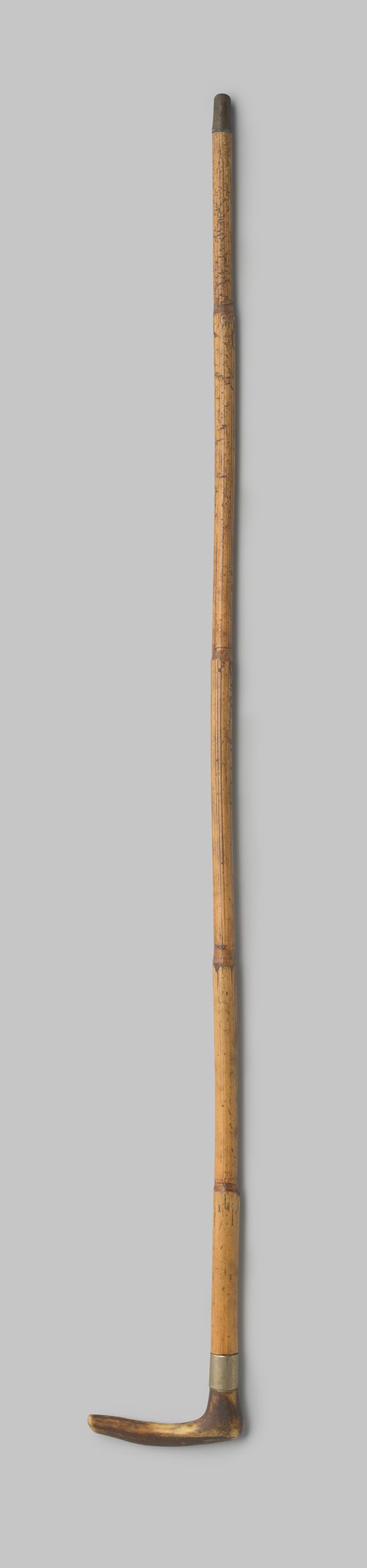
Onderstok van parasol of parapluie van bamboe met rechte haak van hertshoorn, met ring en punt van koper
Gustav Schnitzler