
Parasol met dek van machinale Chantilly kant, versierd met bloemen en bladeren, op zwart satijn en gevoerd met witte pongé-zijde op een houten stok met handvat van in reliëf gesneden ivoor — History & Facts
In a world where fragility often goes unnoticed, this artwork captures the delicate dance of beauty and impermanence. Look closely at the intricate lace of Chantilly, each flower and leaf meticulously rendered against a backdrop of rich black satin. The parasol's edges are softly illuminated, inviting the viewer’s gaze to trace the gentle curves and contours that speak of skilled craftsmanship and an artist's devotion. Notice how the ivory handle, adorned with sculpted reliefs, not only supports but elevates the whole piece, becoming a bridge between the floral artistry and the viewer’s heart. There is a tension here between opulence and vulnerability.
The parasol, although beautifully made, symbolizes a transient moment—an object designed to shield yet ultimately destined to fade. The black satin absorbs light, creating a backdrop that enhances the ivory's warmth, suggesting that beauty, while alluring, often exists within a precarious balance. Each detail, from the floral motifs to the luxurious lining, speaks to a fleeting elegance that invites reflection on the nature of beauty itself. Created around 1880, this piece reflects the high Victorian fascination with ornamental craftsmanship.
In this period, there was a notable movement towards intricate design in everyday objects, merging art with practicality. The artist, whose identity remains a mystery, was likely influenced by the era's innovations in textile production and the growing appreciation for artful domestic items, marking a significant moment of cultural intersection where art and utility intertwined.
More Artworks by Unknown Artist
Browse all →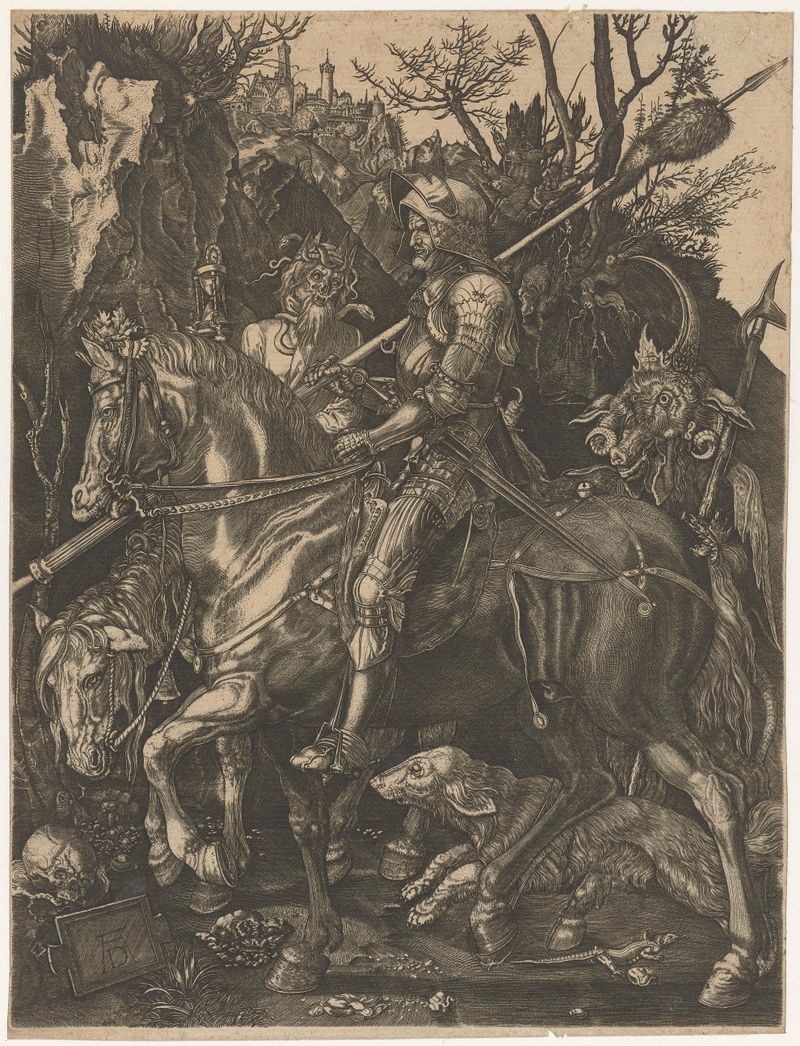
Ridder, Dood en Duivel
Unknown Artist
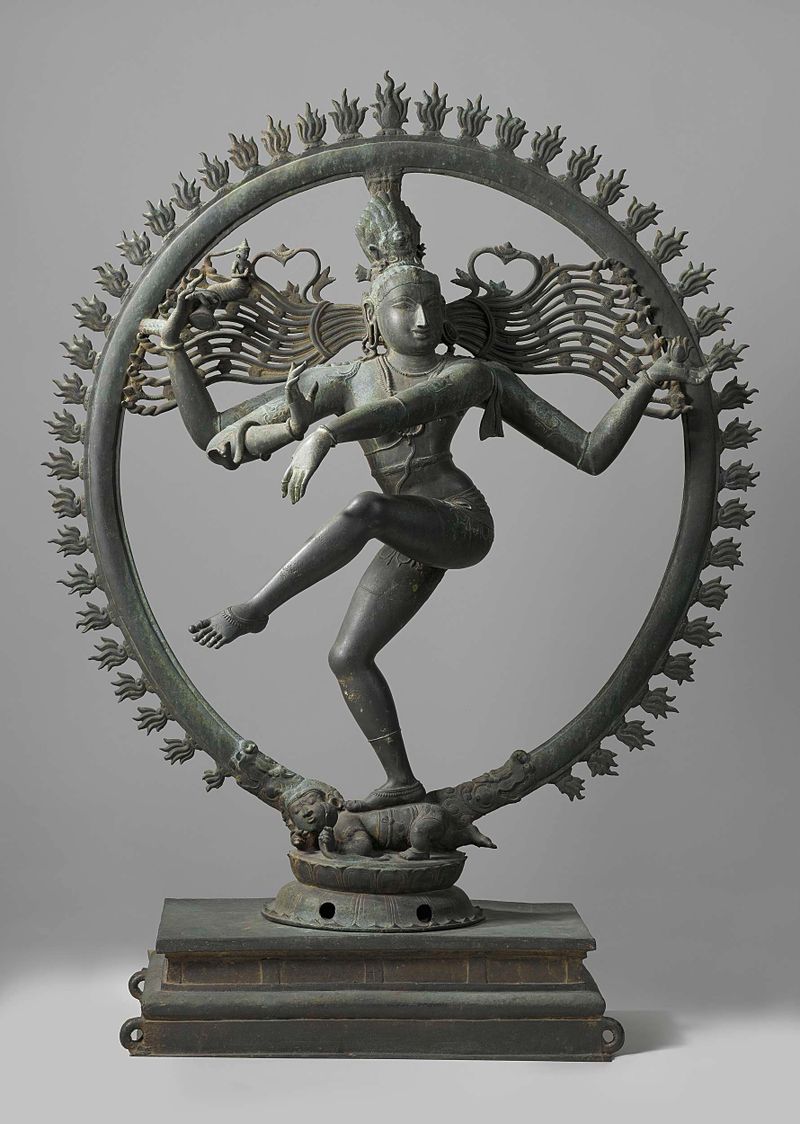
Shiva Nataraja
Unknown Artist
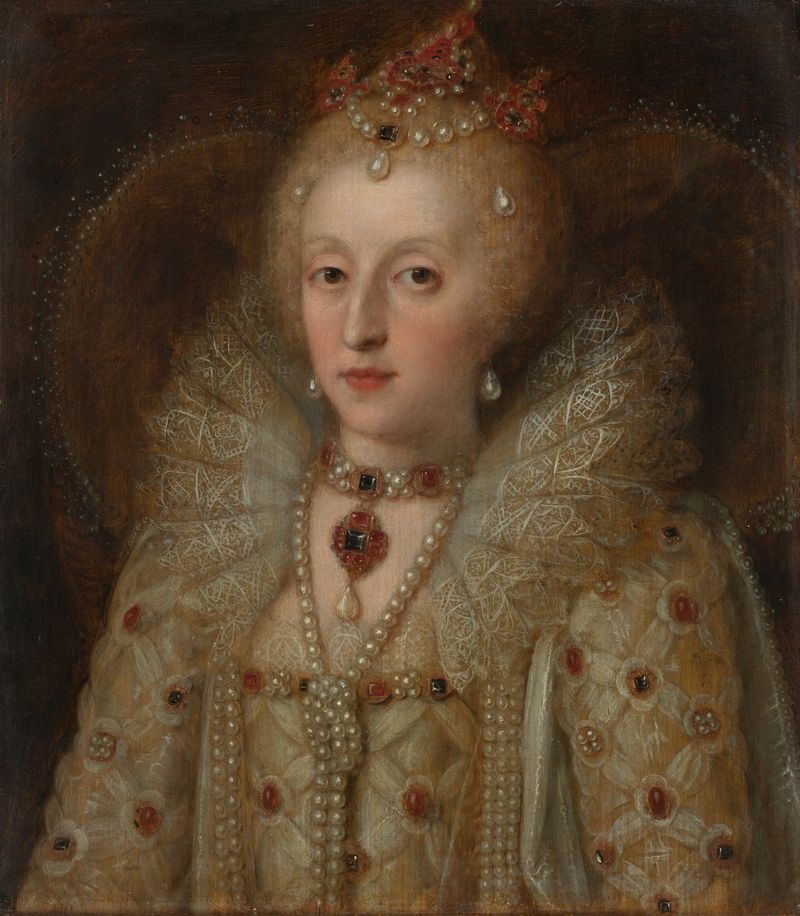
Portrait of Elizabeth I, Queen of England
Unknown Artist
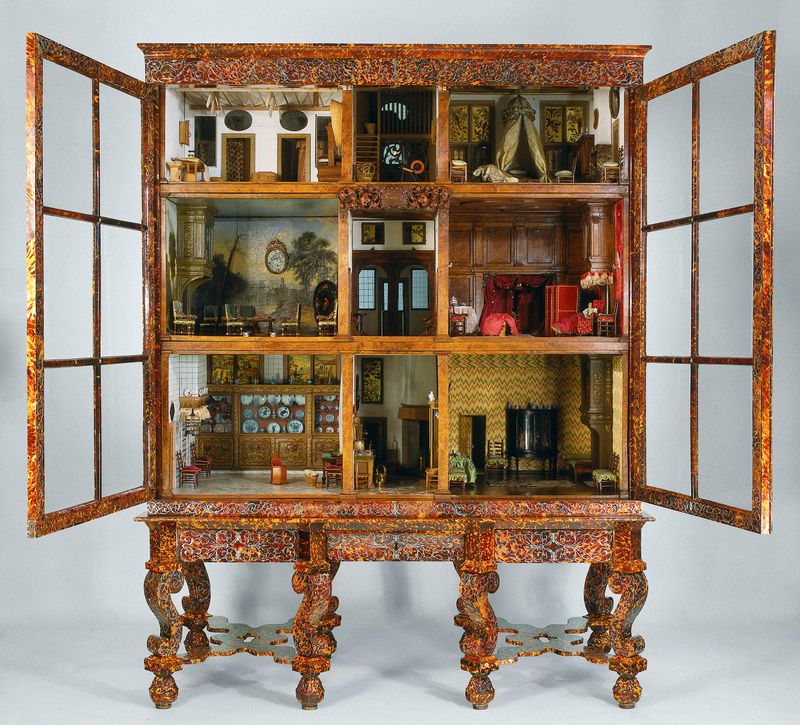
Dolls’ house of Petronella Oortman
Unknown Artist
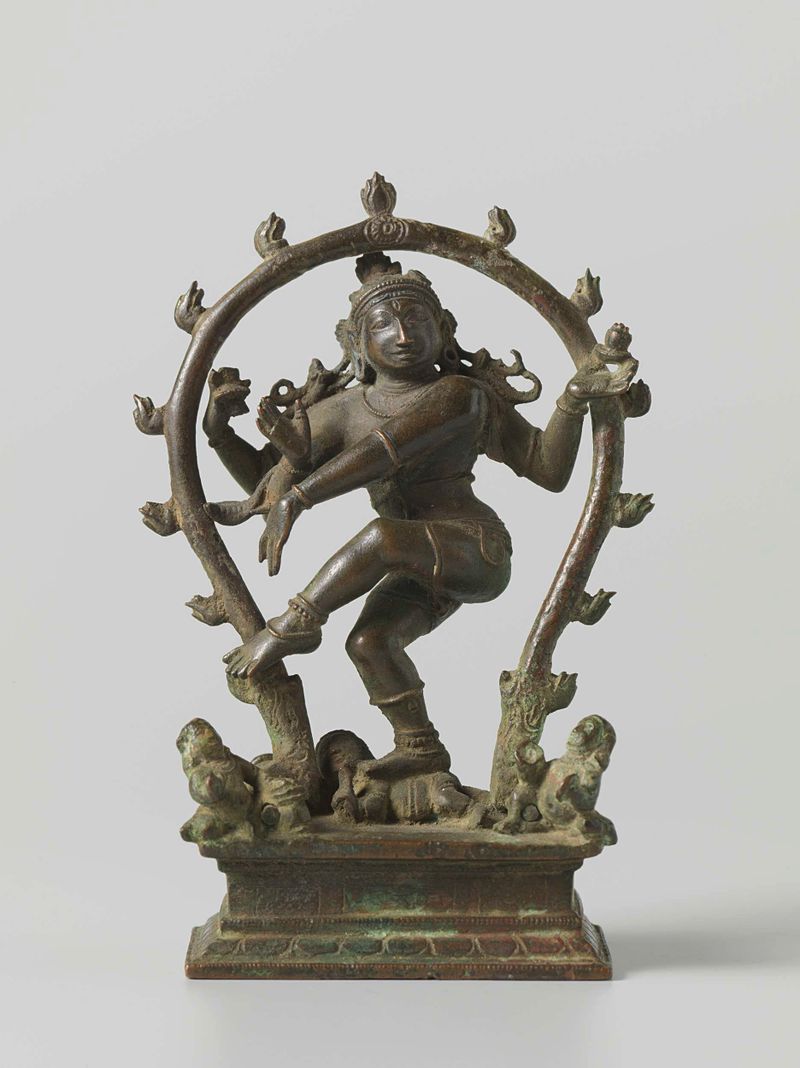
Shiva Nataraja
Unknown Artist

The Tale of Genji
Unknown Artist

The Tale of Genji
Unknown Artist

Cong
Unknown Artist
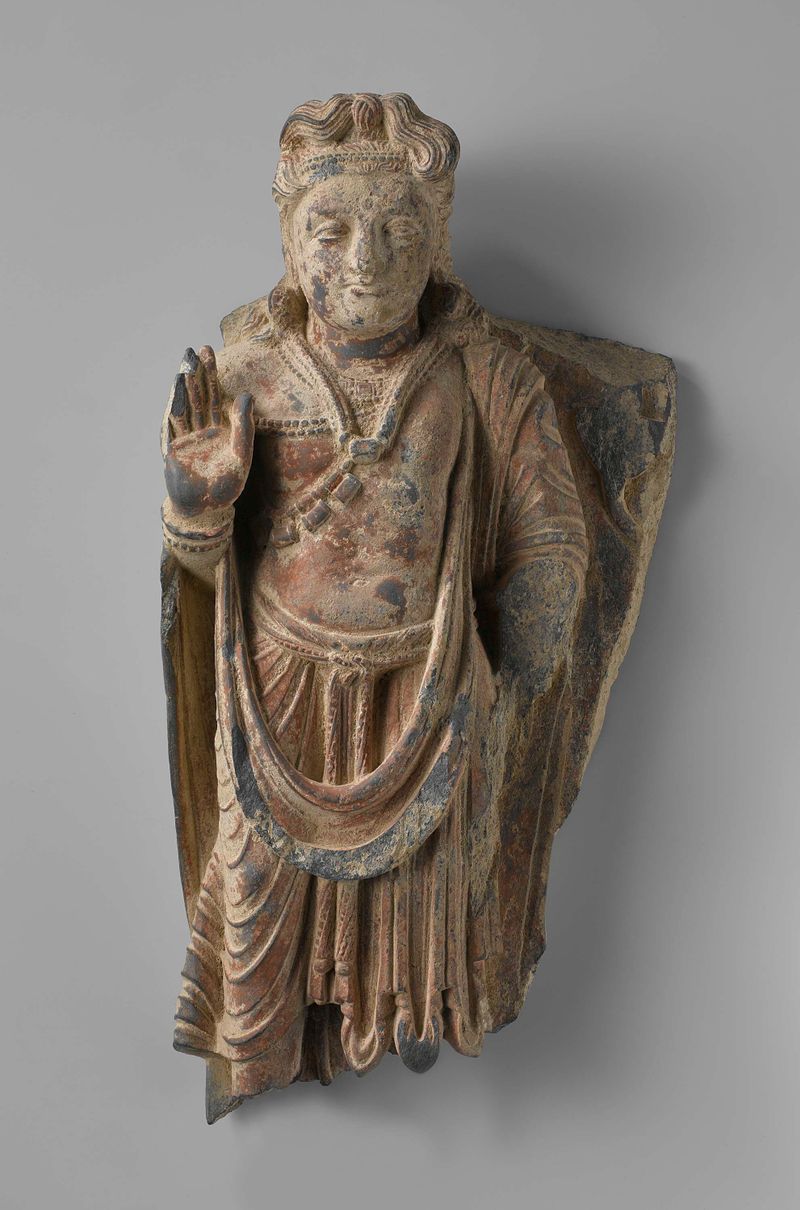
The bodhisattva Maitreya
Unknown Artist

Teabowl with a 'hare's fur' glaze
Unknown Artist



