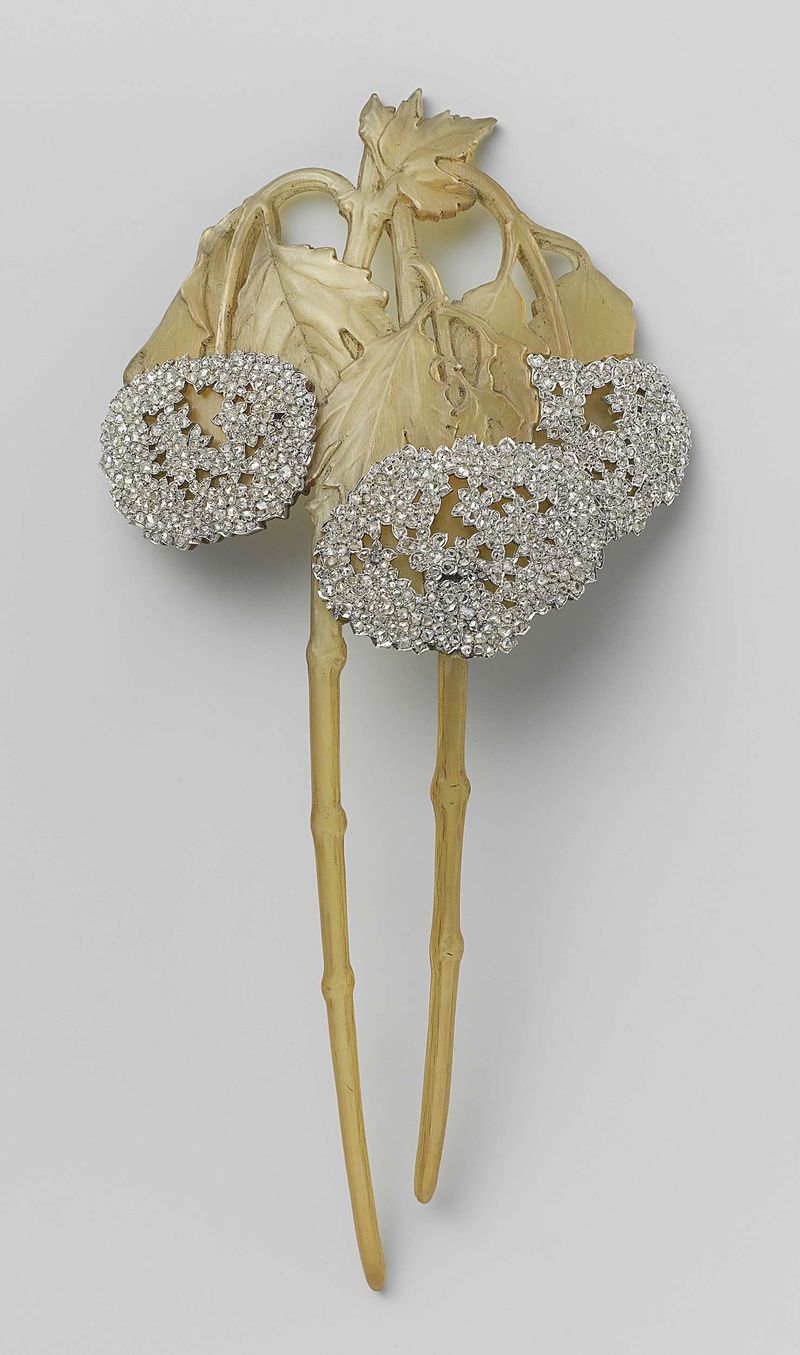
Parasol met dek van zwarte kant op tule, op een stok met een gebogen handvat van donkere bamboe — History & Facts
When did color learn to lie? The moment we let it veil the reality of our fleeting existence, capturing both beauty and decay within a single frame. Look closely at the ethereal parasol, perched delicately against its dark lace canopy. The intricate patterns dance across the fabric, inviting the gaze to linger, while the bamboo handle, with its gentle curve, suggests both grace and fragility. The muted colors evoke a sense of nostalgia, drawing us into a world where every shadow tells a story and every hue whispers secrets of impermanence. Beneath the surface, the juxtaposition of light and dark raises questions about mortality.
The delicate lace hints at the tender fragility of life, while the strength of the bamboo reminds us of endurance. Each fold of the fabric captures a moment suspended in time, a poignant reminder that beauty often coexists with sorrow. The composition invites contemplation, urging us to ponder what lies beneath the surface of appearances. Created around 1880, this work emerged during a period when Schnitzler was deeply engaged with themes of transience and beauty.
Living in Vienna amidst the artistic upheavals of the time, he sought to blend reality with the ephemeral, reflecting the burgeoning movements that questioned traditional aesthetics. This piece encapsulates the artist's exploration of life's dualities, a poignant meditation on the interplay between existence and mortality.
More Artworks by Gustav Schnitzler
Browse all →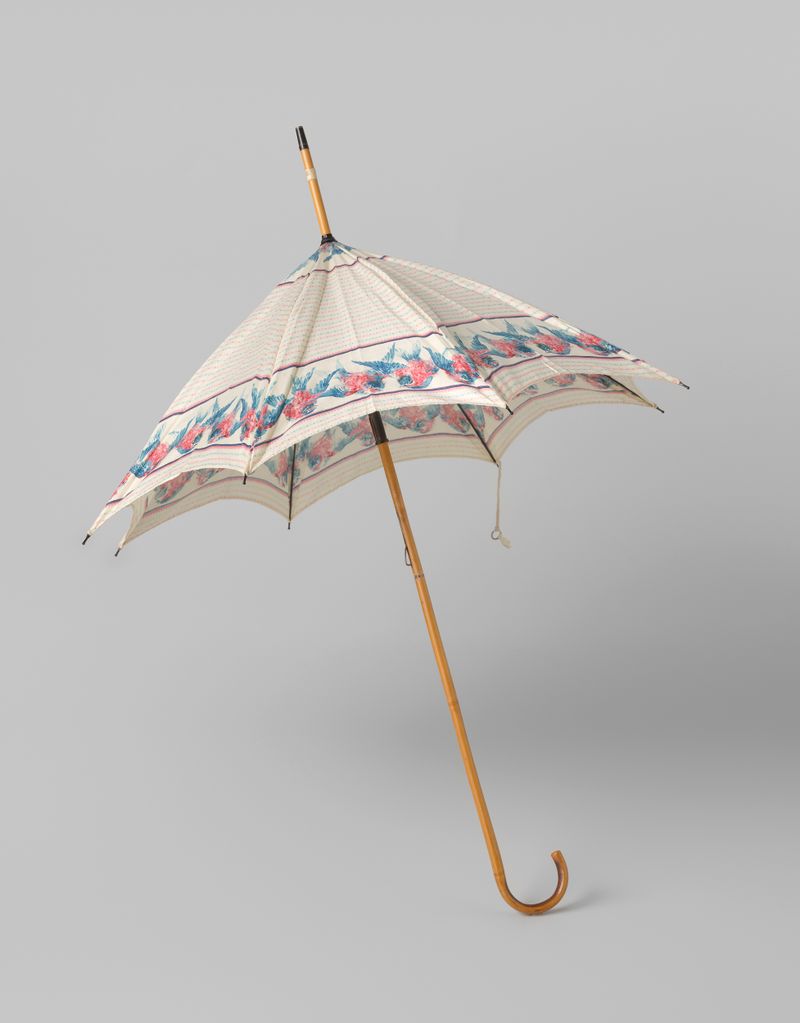
Parasol met dek witte katoen bedrukt met roze en blauwe vogeltjes, op een bamboe stok met gebogen handvat
Gustav Schnitzler
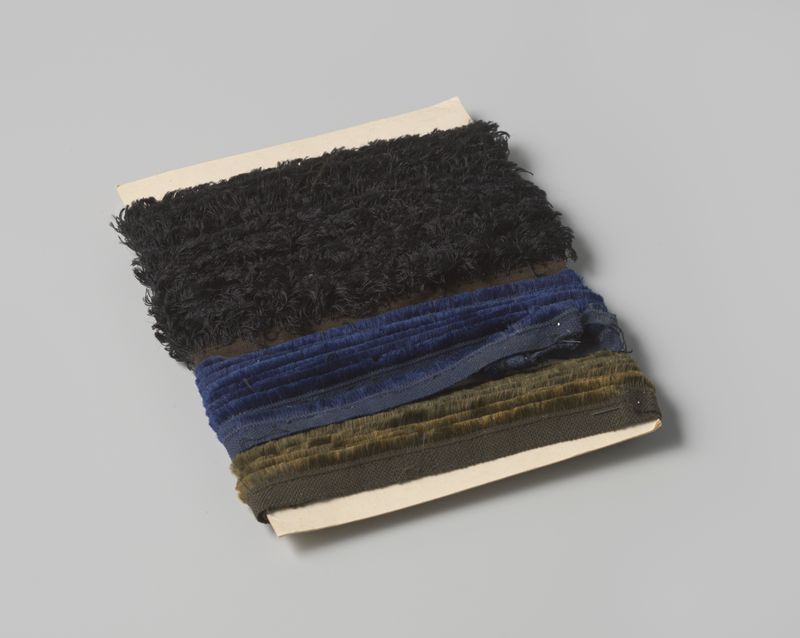
Strook zwarte franje aan bezemband, op karton
Gustav Schnitzler
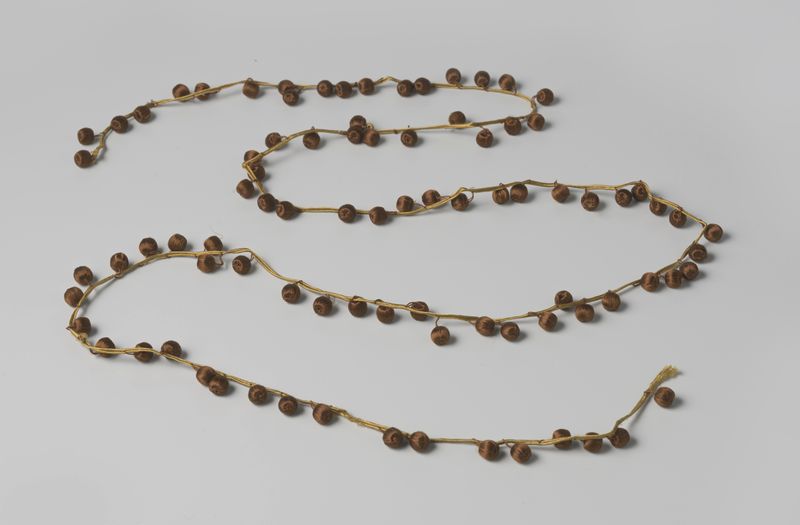
Galon, goudkleurig, waaraan pompons van bruin (zijde)draad hangen
Gustav Schnitzler
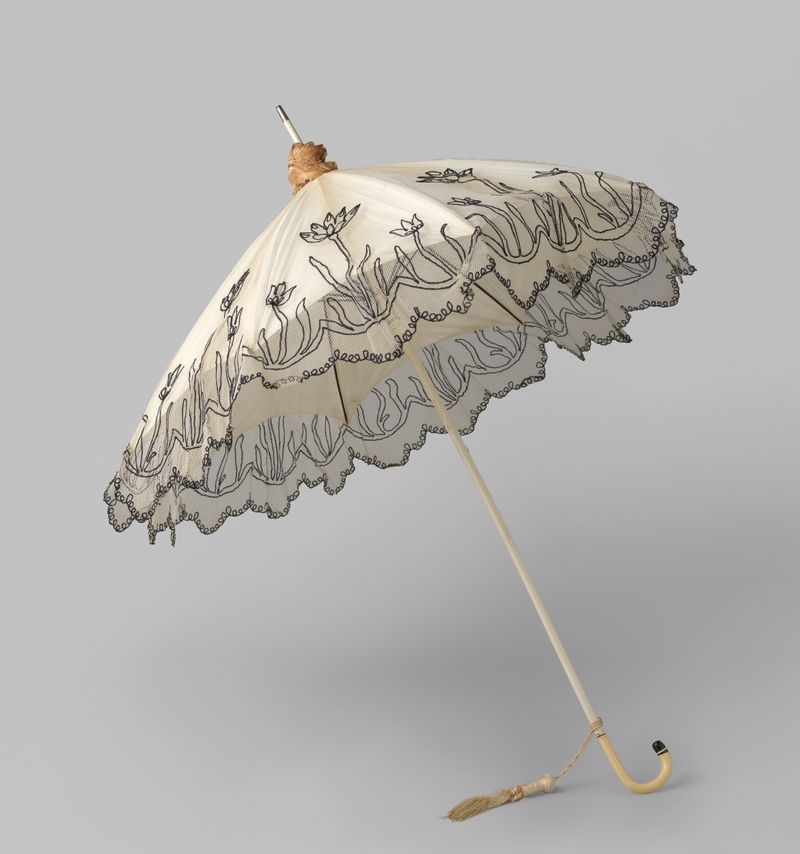
Parasol met dek van witte tule waarop zwart borduurwerk van telkens drie bloemen, op een witgeverfde houten stok, waaraan een gebogen ivoorkleurig handvat
Gustav Schnitzler

Parasol met dek van witte katoen, waartussen een strook van witte kant, op een lichte, houten stok met een ronde haak
Gustav Schnitzler

Strook franje, getand, wit en écru, gewikkeld rond een met gouden randen afgezet plankje
Gustav Schnitzler
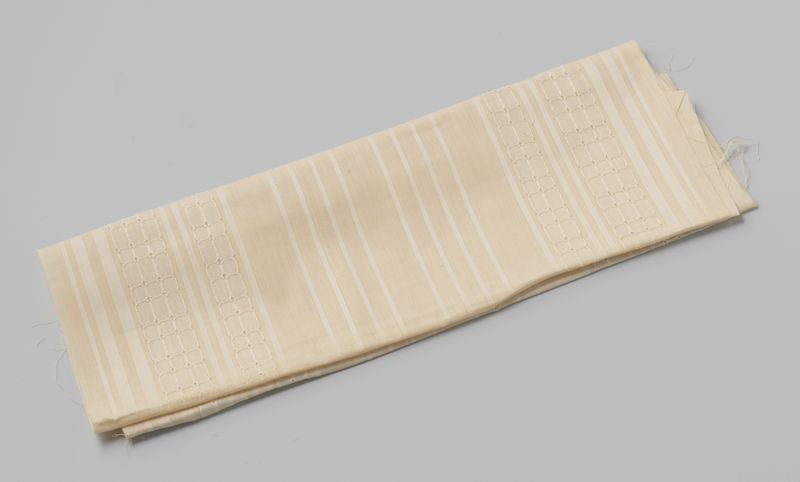
Coupon wit parasolkatoen met beige strepen aan weerszijden
Gustav Schnitzler
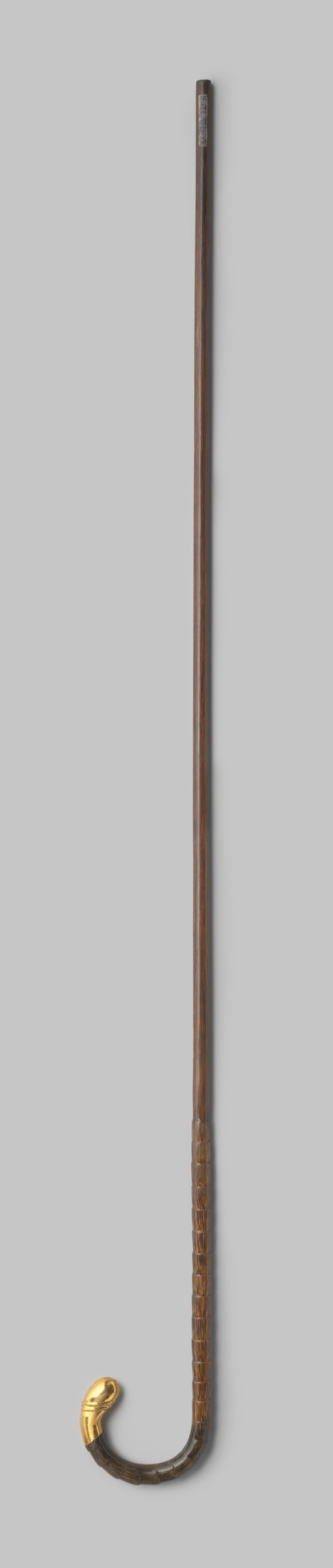
Onderstok van een parapluie of parasol van kokospalm met ronde haak en goudkleurig (verguld?) metalen uiteinde
Gustav Schnitzler

Parasol met dek van effen witte katoen met een smal meerkleurig draad langs de rand geregen, op lichte houten stok, met gebogen, ivoorkleurig handvat
Gustav Schnitzler
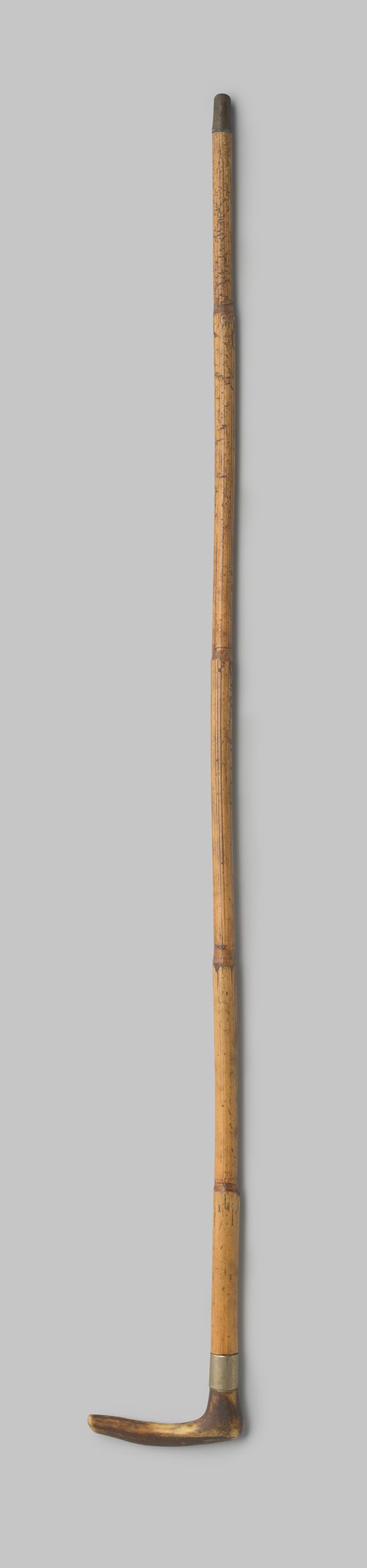
Onderstok van parasol of parapluie van bamboe met rechte haak van hertshoorn, met ring en punt van koper
Gustav Schnitzler