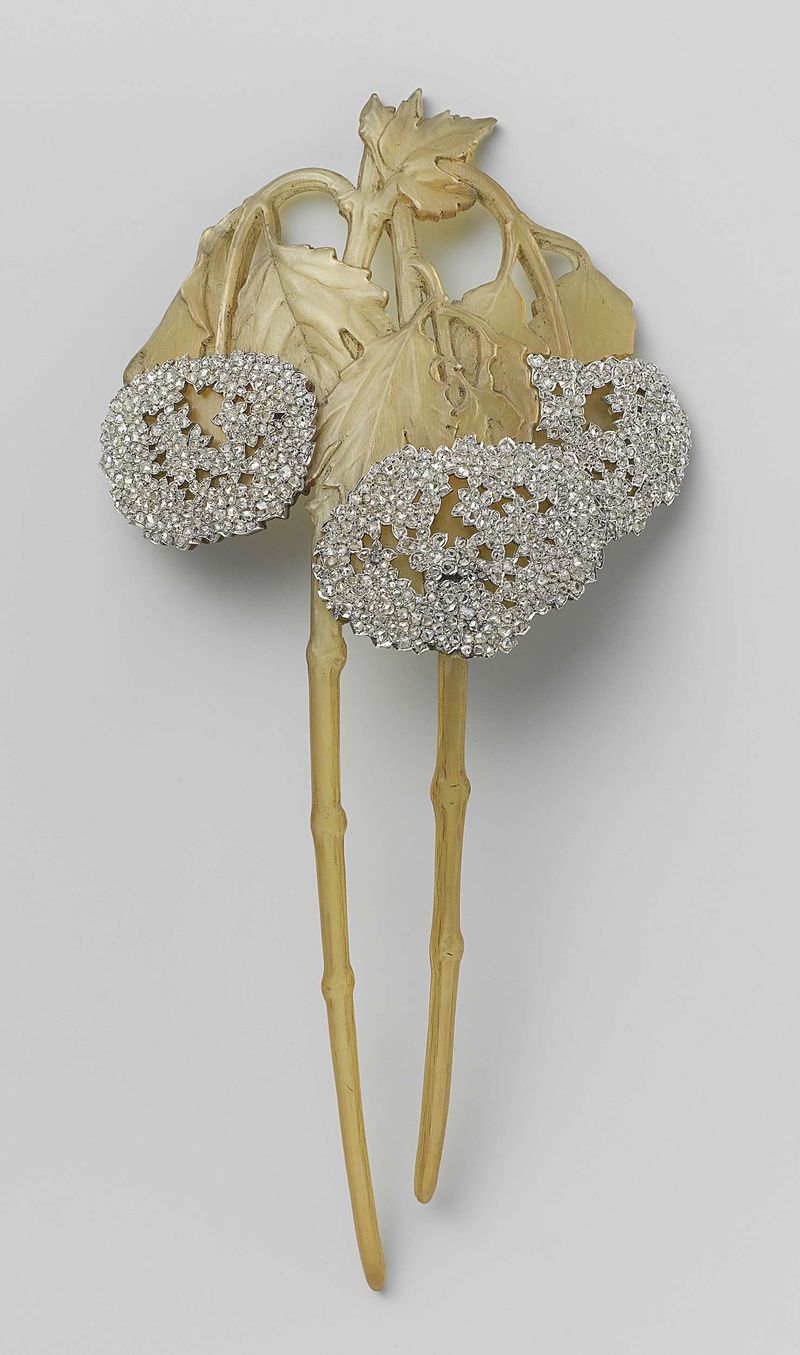
Parasolhandvat van zwart hout en kleine zilveren knop, gedreven in neo-rokoko-stijl op een metalen stok — History & Facts
Is this a mirror — or a memory? In the gentle interplay of dark wood and shimmering silver, the essence of forgotten elegance lingers, inviting contemplation on beauty's fleeting nature. Focus on the intricate detailing of the parasol's handle, where the rich black wood meets the delicate silver knob. The neo-Rococo style is unmistakable, echoing the lavishness of a bygone era. Notice how the craftsmanship reveals a harmonious balance; the curvaceous lines of the handle draw the eye in, while the polished surface reflects hinting dappled light that dances across the scene, enhancing the sense of nostalgia. Delve deeper into the duality of this object — it is both functional and ornamental, hinting at social rituals of the past.
The dark wood conveys strength and stability, while the silvery knob injects a note of softness and fragility. As a whole, the piece embodies a tension between permanence and impermanence, evoking thoughts of the moments shared under its canopy, now drifted into memory. Created between 1870 and 1880, this work stands testament to the craftsmanship of its unknown artist during a period when decorative arts flourished in Europe. Artisans were embracing past styles while simultaneously innovating, breathing life into everyday objects.
Amidst a changing world, this parasol serves as a quiet reminder of the elegance that once adorned social gatherings, capturing a moment in time that resonates through the layers of history.
More Artworks by Unknown Artist
Browse all →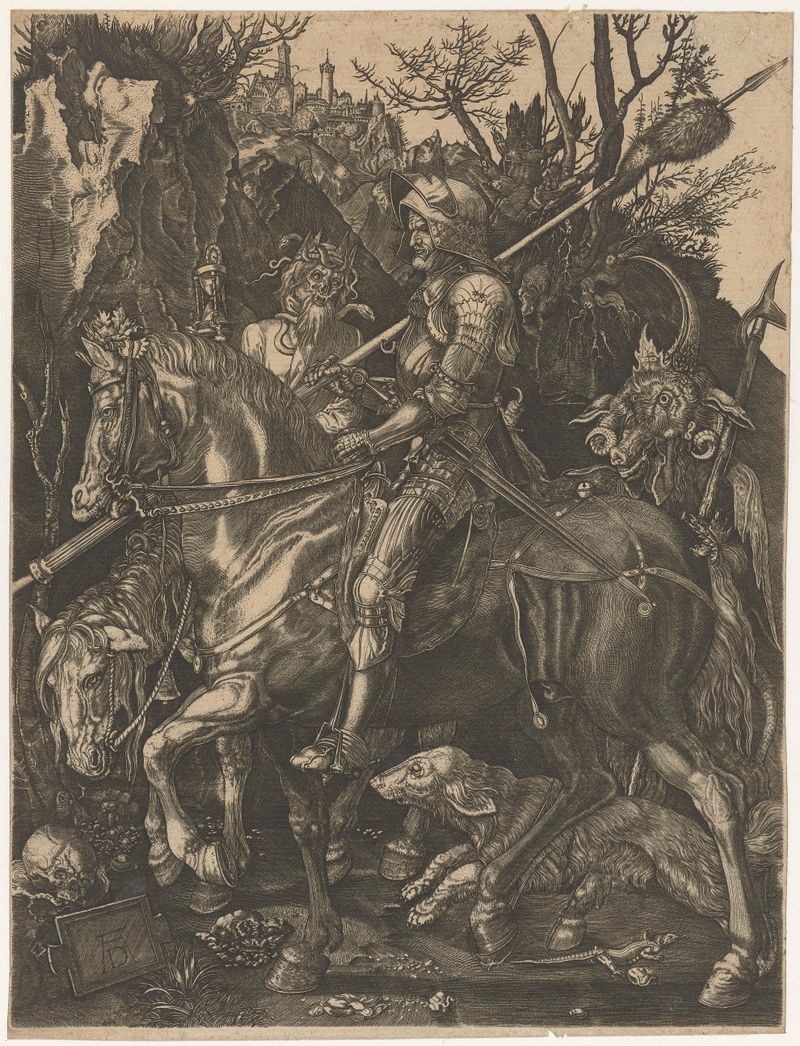
Ridder, Dood en Duivel
Unknown Artist
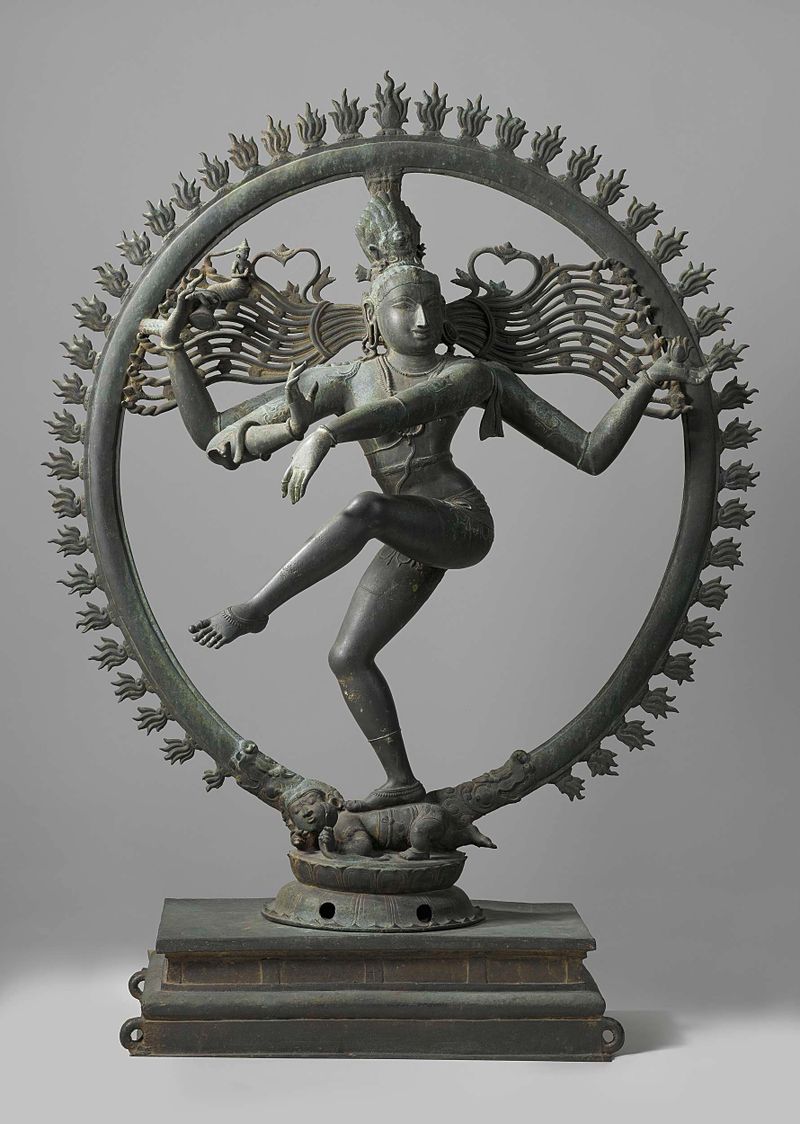
Shiva Nataraja
Unknown Artist
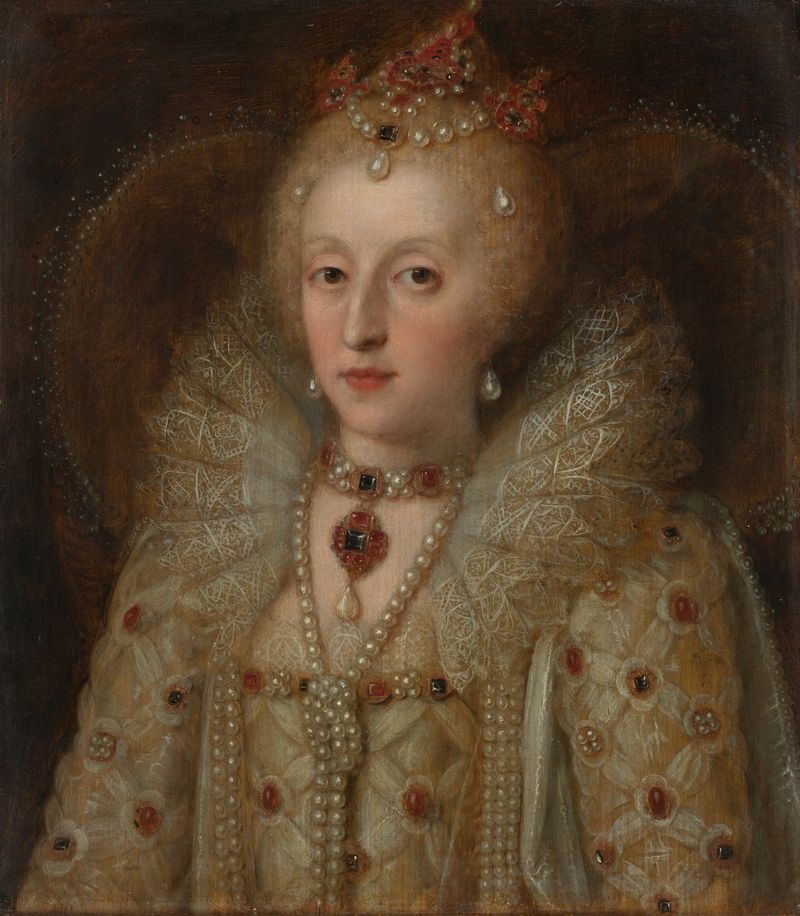
Portrait of Elizabeth I, Queen of England
Unknown Artist
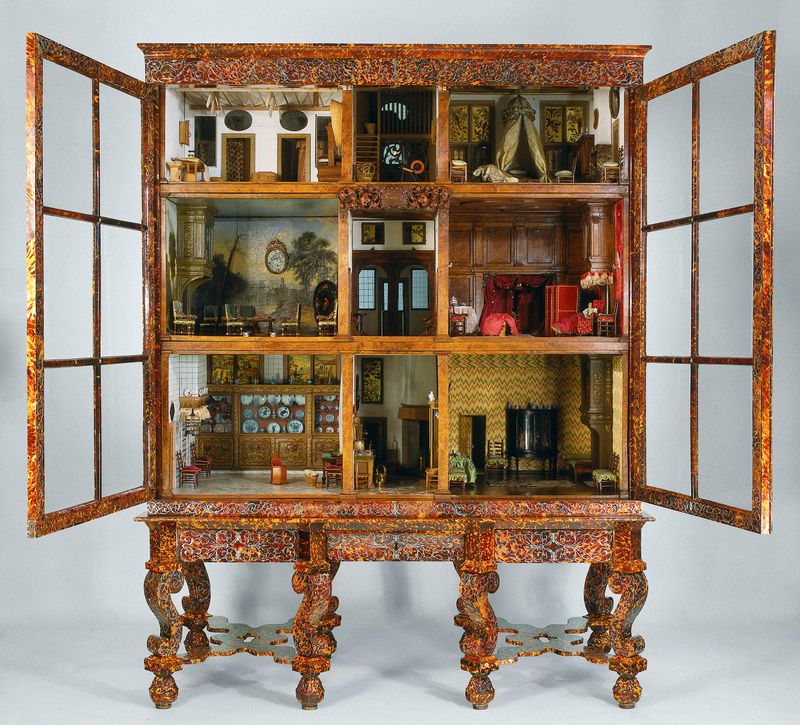
Dolls’ house of Petronella Oortman
Unknown Artist
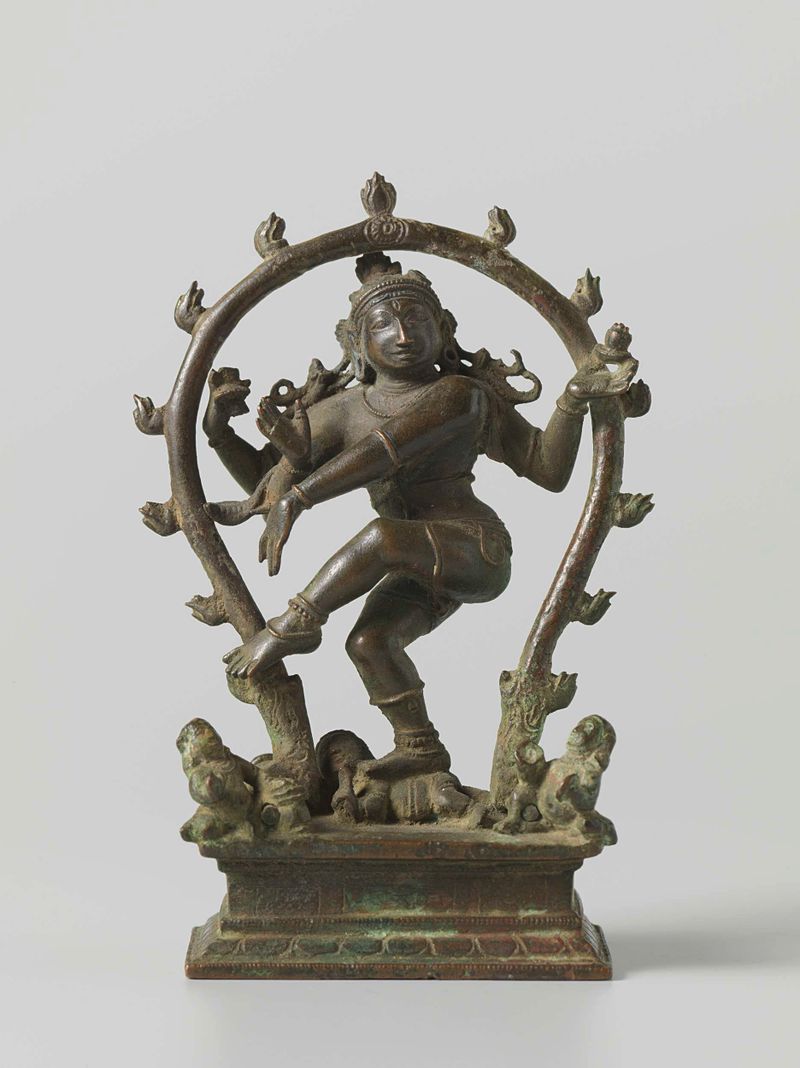
Shiva Nataraja
Unknown Artist

The Tale of Genji
Unknown Artist

The Tale of Genji
Unknown Artist

Cong
Unknown Artist
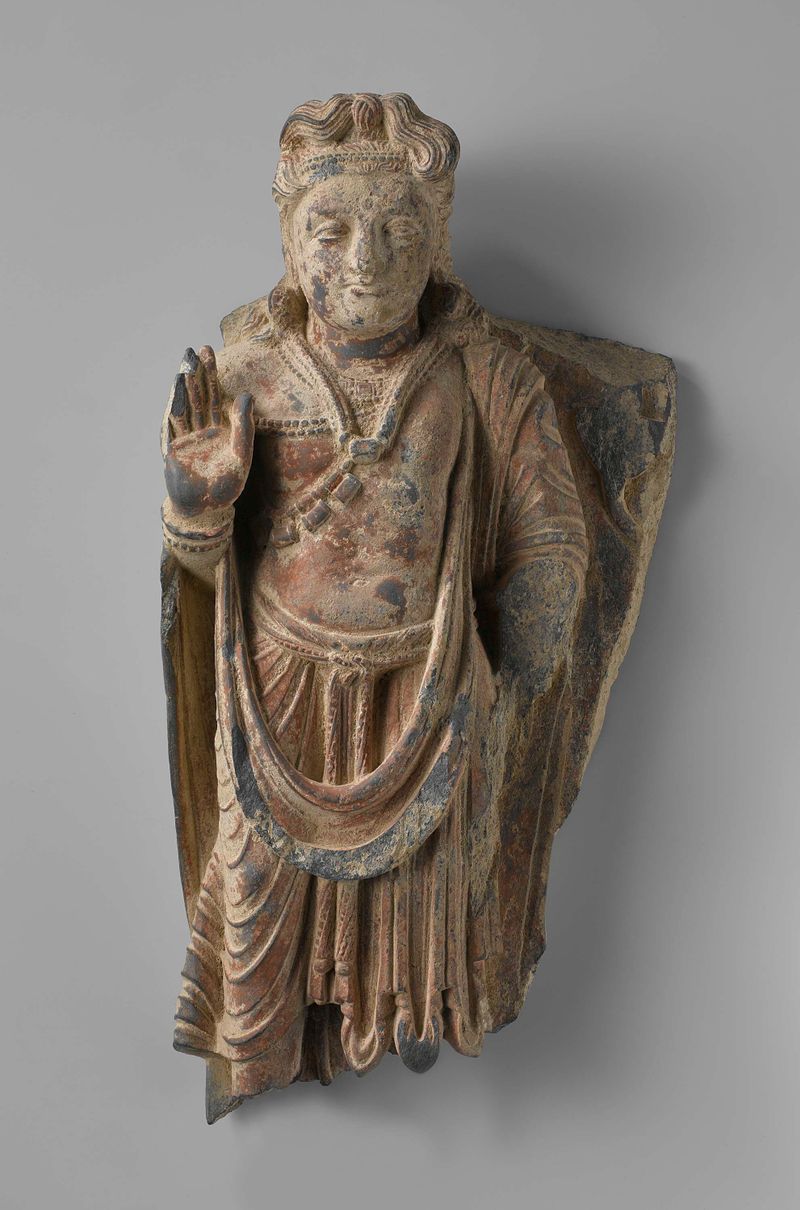
The bodhisattva Maitreya
Unknown Artist

Teabowl with a 'hare's fur' glaze
Unknown Artist