
Parc Monceaux, Paris — History & Facts
Where does light end, and longing begin? In Parc Monceaux, Paris, the boundary blurs, inviting us to ponder the transformative power of nature and the human spirit. Look to the upper left at the vibrant greenery that cascades over the edges of the canvas, creating a lush canopy that envelops the scene. The dappled sunlight filters through the leaves, casting intricate patterns on the cobblestone paths below. Notice how the figures in the foreground, leisurely strolling with an air of contentment, are painted with loose brush strokes that convey movement and a sense of fleeting moments.
The palette is rich with greens and soft pastels, embodying the freshness of spring and juxtaposing the tranquility of the park with an undercurrent of vibrant life. Yet beneath this serene surface lies a tension between leisure and burgeoning change. The park itself, a symbol of Parisian beauty, hints at the broader societal shifts occurring during this period. Each figure, with their contemplative gestures, seems caught in a moment of introspection, reflective of the collective yearning for progress amidst revolution.
The juxtaposition of nature’s calm and the bustling city beyond invites viewers to question their own place within this dynamic. Childe Hassam painted Parc Monceaux, Paris between 1888 and 1889 during a period rich with artistic experimentation and a break from traditional forms. Living in Paris, he found himself amidst the Impressionist movement, which sought to capture the effects of light and color in the moment, aligning with broader social changes in France. This work not only represents his artistic evolution but also embodies an era on the brink of transformation, where art and life intertwined in a Paris alive with possibility.
More Artworks by Childe Hassam
Browse all →
Beach at Newport
Childe Hassam

Washington Arch, Spring
Childe Hassam

Thaxter’s Garden
Childe Hassam

New England Headlands
Childe Hassam

Rocks At Appledore, Morning
Childe Hassam
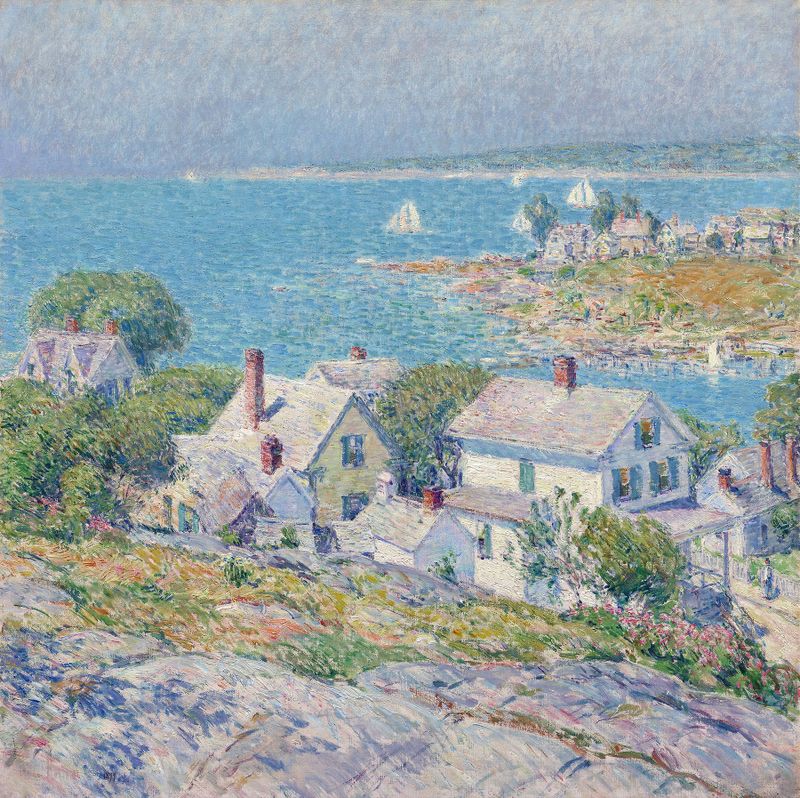
New England Headlands
Childe Hassam
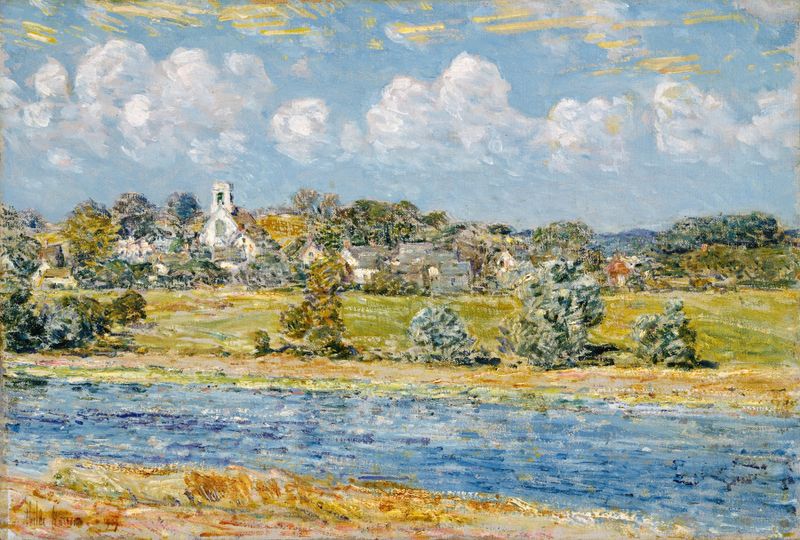
Landscape at Newfields, New Hampshire
Childe Hassam

Piazza di Spagna, Rome
Childe Hassam

The Harbor
Childe Hassam

Late Afternoon, New York, Winter
Childe Hassam





