
Parc à Vernet-les-Bains, Pyrénées-Orientales — History & Facts
Can beauty exist without sorrow? Amidst the whisper of trees and the gentle sway of the breeze, a forgotten garden reveals its transformation—a quiet sanctuary poised between joy and melancholy. Look to the left at the dappled sunlight filtering through the vibrant leaves, casting playful shadows across the path. Marquet’s delicate palette breathes life into the scene, where soft greens and warm earth tones harmonize, inviting the viewer to step closer. Notice how the brushstrokes dance, with each stroke revealing a moment caught in time, as if the garden itself holds whispers of secrets, both tender and sad. Beneath the surface, this landscape speaks of change.
The subdued blues in the shadows evoke a sense of loss, while the flourishing greens embody renewal and hope. The juxtaposition of vibrancy and stillness suggests an emotional struggle—the fleeting nature of beauty in a world tinged with sorrow that echoes personal and universal tales. Each detail, from the bending branches to the scattered petals, resonates with life’s bittersweet essence. In 1940, Albert Marquet painted this piece during a tumultuous time, just before the onset of World War II.
Living in France, he was influenced by the shifting tides of the art world, moving from Impressionism towards a more personal expression. Marquet’s experiences during this period shaped his outlook, grounding his work in a profound response to the beauty and fragility of life.
More Artworks by Albert Marquet
Browse all →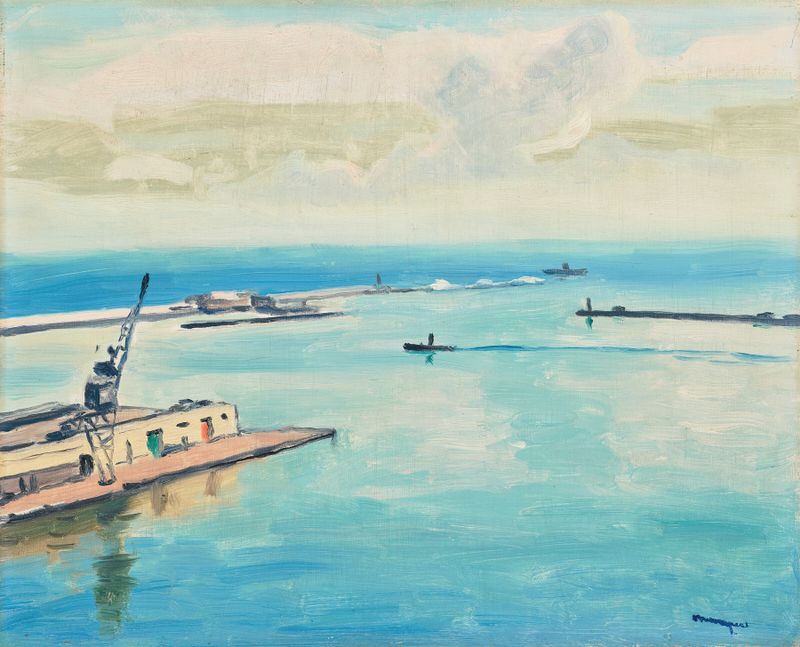
Le Port d’Alger
Albert Marquet
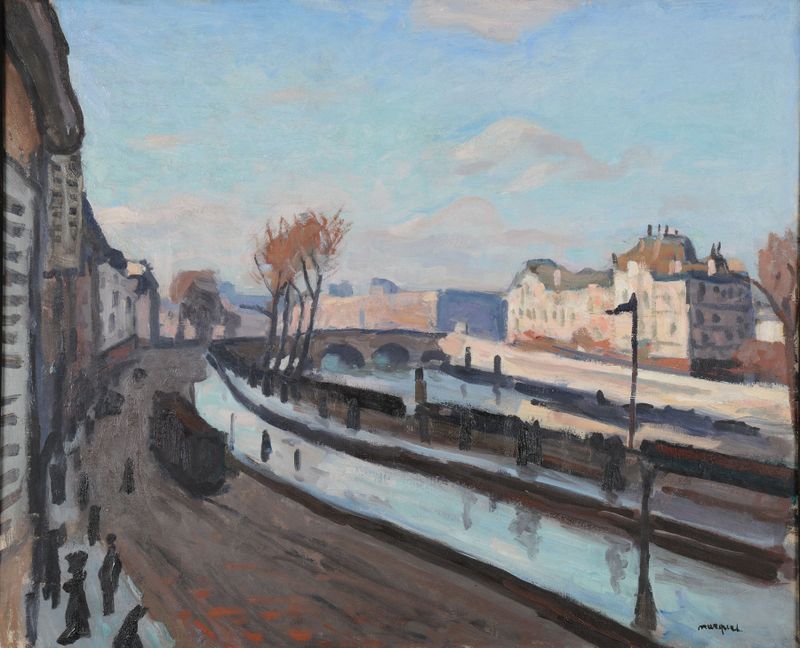
Le quai des Grands Augustins
Albert Marquet
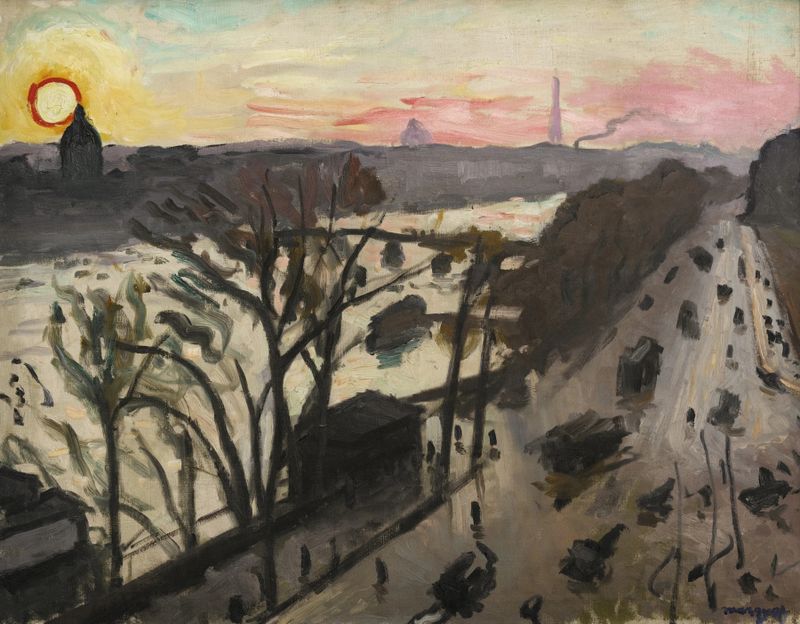
Paris, quai du Louvre, soleil d’hiver
Albert Marquet
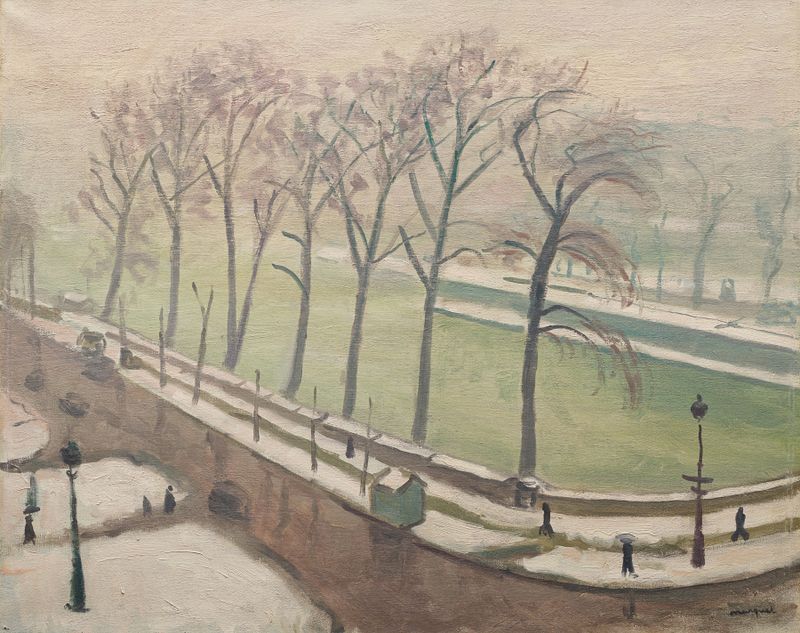
Pont-Neuf sous la neige
Albert Marquet
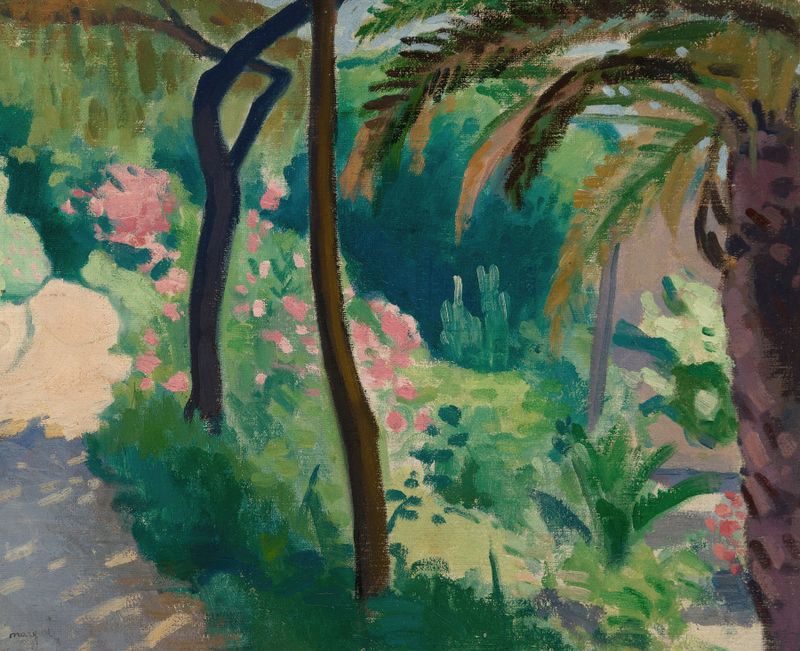
Le jardin à l’Estaque
Albert Marquet
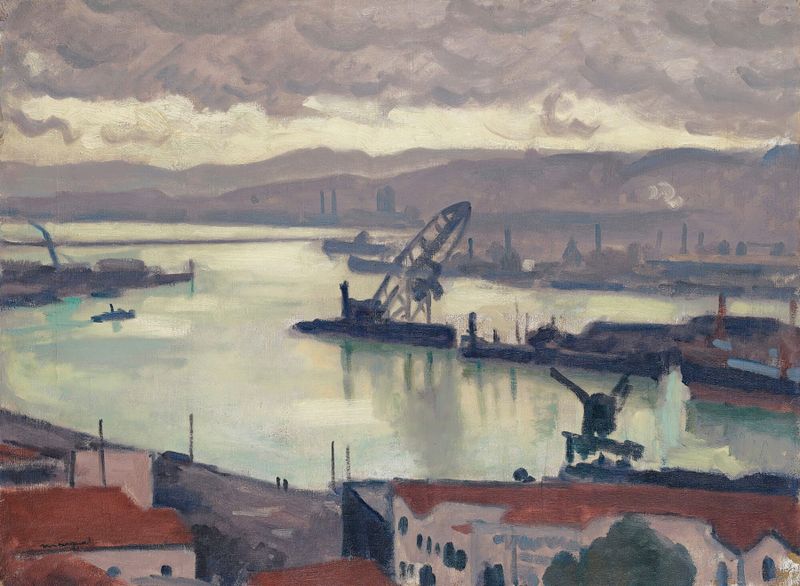
Alger, Temps Gris
Albert Marquet
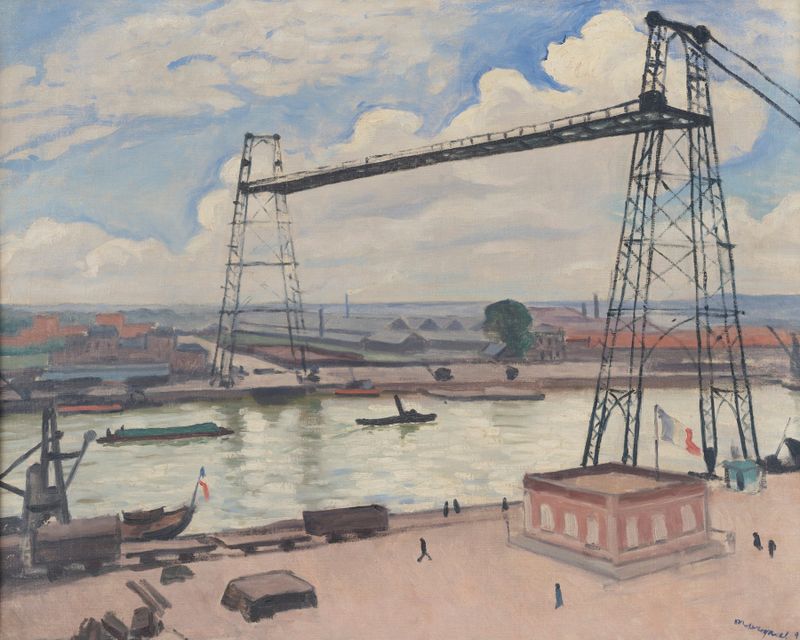
Rouen, le pont transbordeur
Albert Marquet
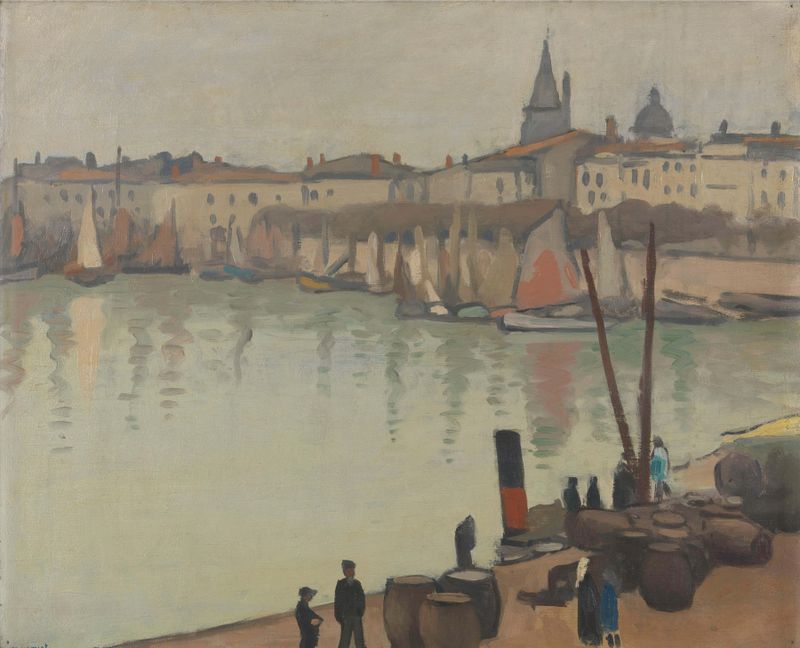
Port of La Rochelle
Albert Marquet

Berge de la Seine à Méricourt
Albert Marquet
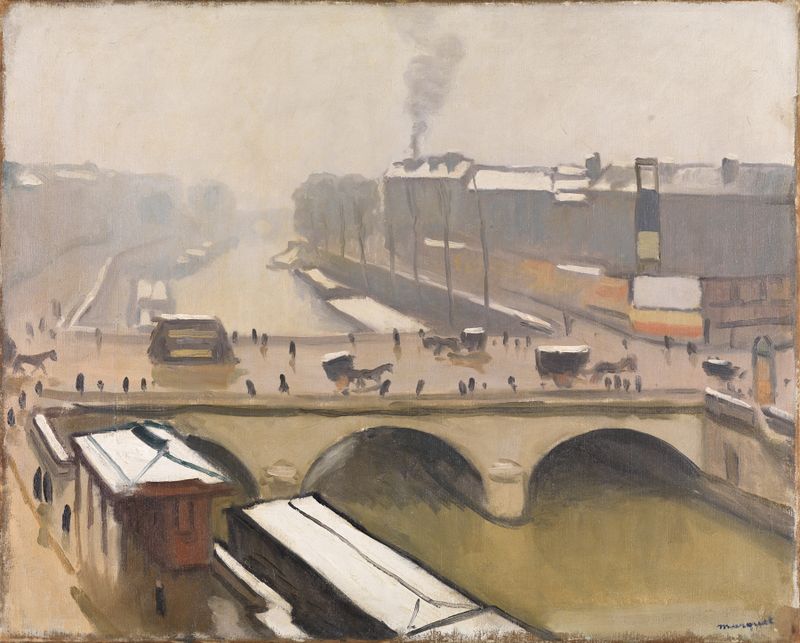
View of the Pont Saint-Michel in Paris
Albert Marquet





