
Parham Mill, Gillingham — History & Facts
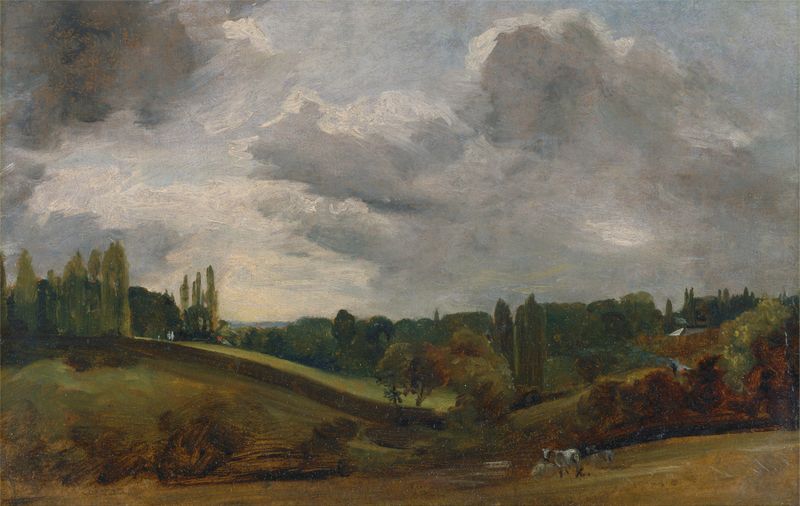
What secret hides in the quiet of the canvas? Between the lush greens and soft blues, there lies a palpable stillness, inviting viewers to listen closely to the whispers of nature. Look to the left at the serene mill, nestled among swaying trees. The intricate detailing of the structure captures the gentle decay of time, while the play of light on the water reflects a soft palette of blues and greens. Notice how the brushstrokes create a sense of movement in the grasses and leaves, contrasting with the calm surface of the river.
This tension between stillness and vitality draws the viewer deeper into the landscape. Upon closer examination, one can sense the longing for simplicity and connection to nature in this piece. The mill, representing human industry, stands harmoniously against the backdrop of fertile land, suggesting a peaceful coexistence. Yet, the looming clouds hint at the inevitable change, a reminder of the transient nature of both life and the rural landscape.
This duality evokes a deep emotional resonance, bridging the gap between human endeavor and the serenity of the natural world. In 1826, Constable painted this scene during a period of personal and artistic transition. Living in England, he faced challenges in gaining recognition, yet he remained dedicated to capturing the beauty of his homeland. This work exemplified his mastery of capturing light and atmosphere, marking a pivotal moment in his career as he solidified his place in the Romantic movement.
More Artworks by John Constable
Browse all →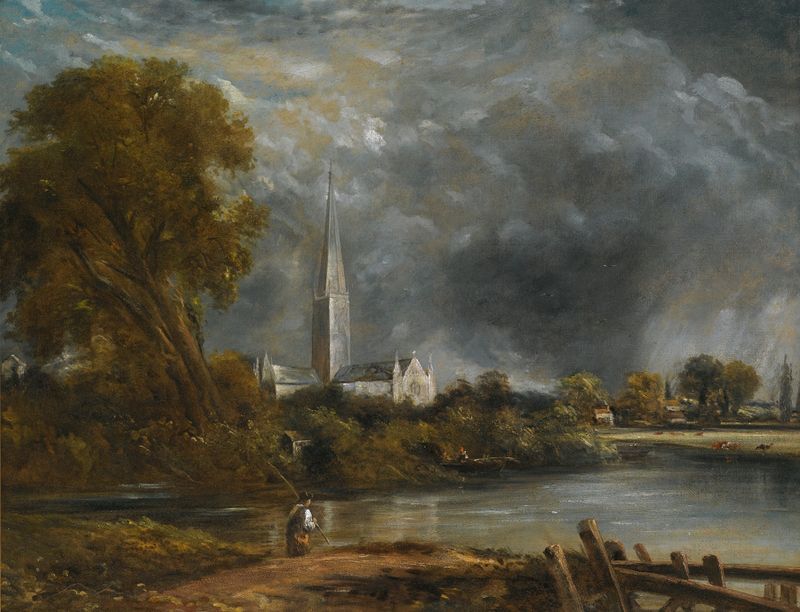
Salisbury Cathedral From The Meadows
John Constable
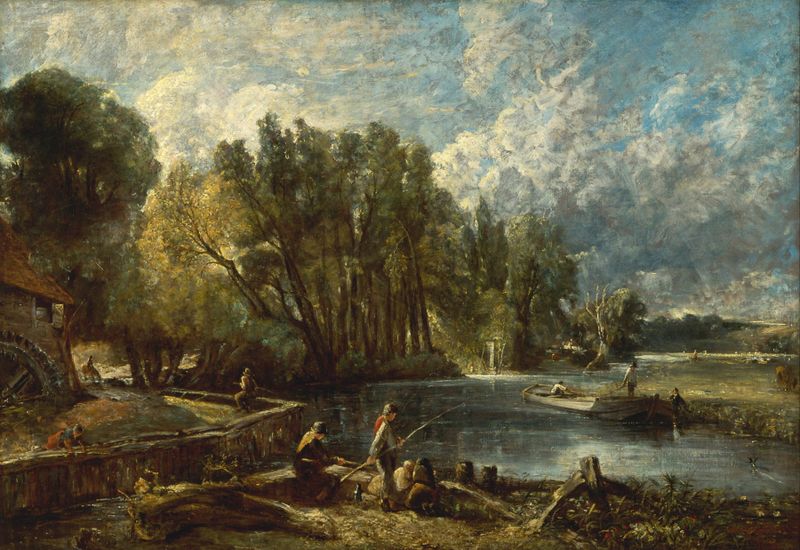
Stratford Mill
John Constable
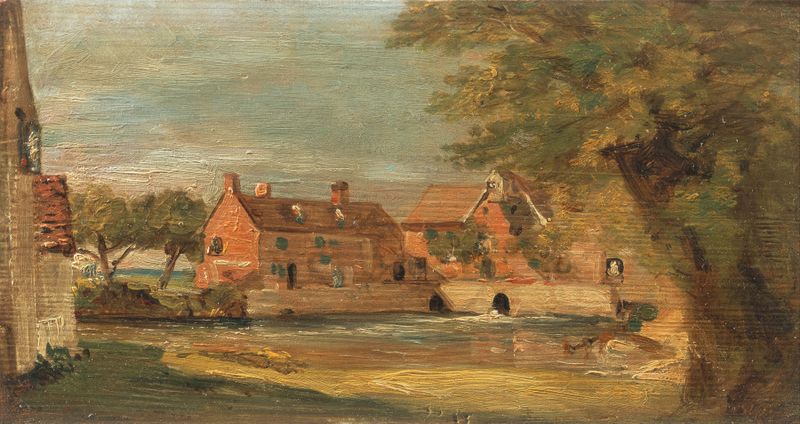
Flatford Mill
John Constable
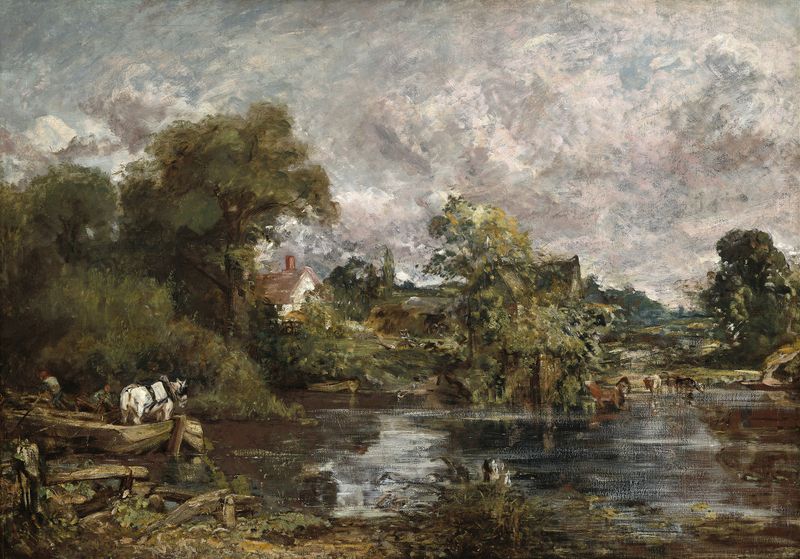
The White Horse
John Constable
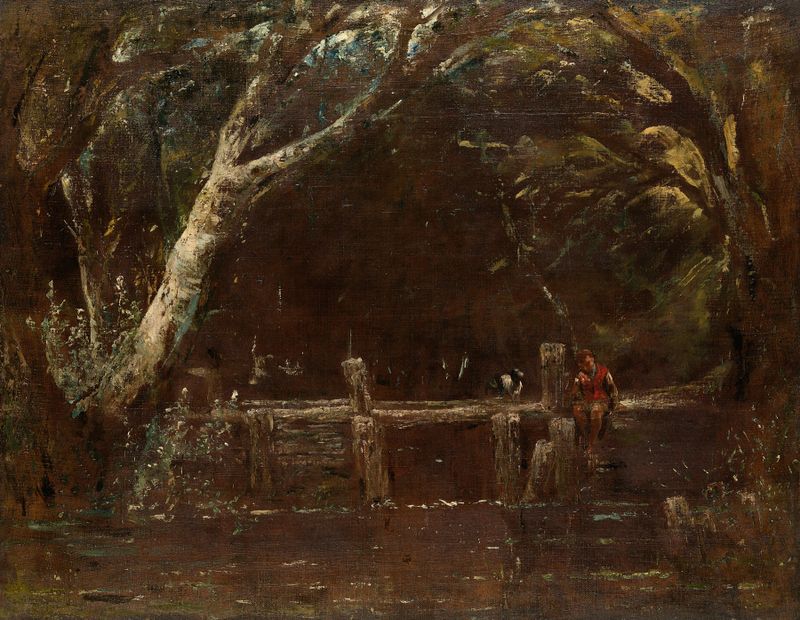
Landscape (The Lock)
John Constable
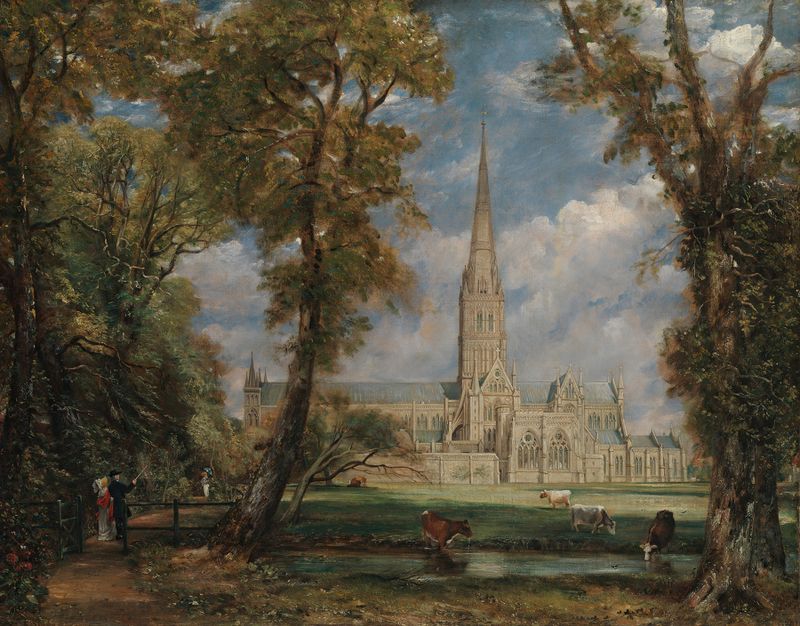
Salisbury Cathedral from the Bishop’s Grounds
John Constable
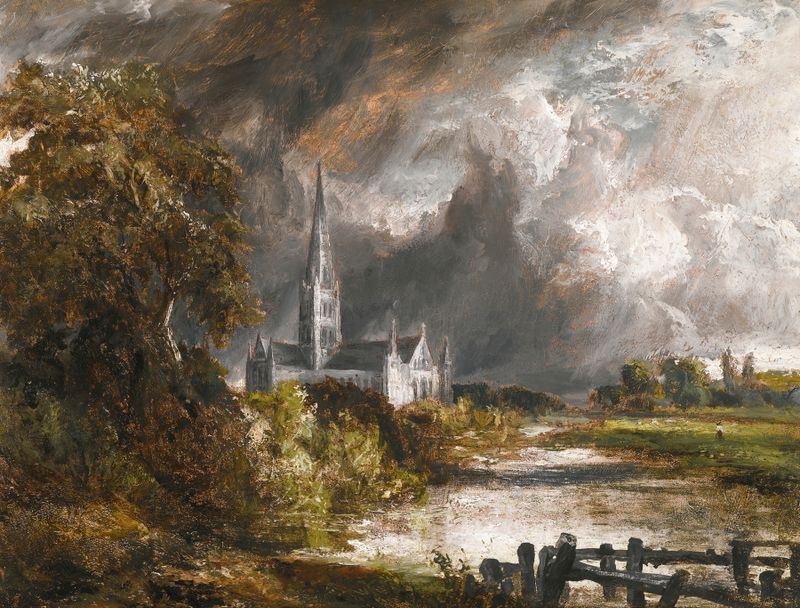
Salisbury Cathedral From The Meadows
John Constable
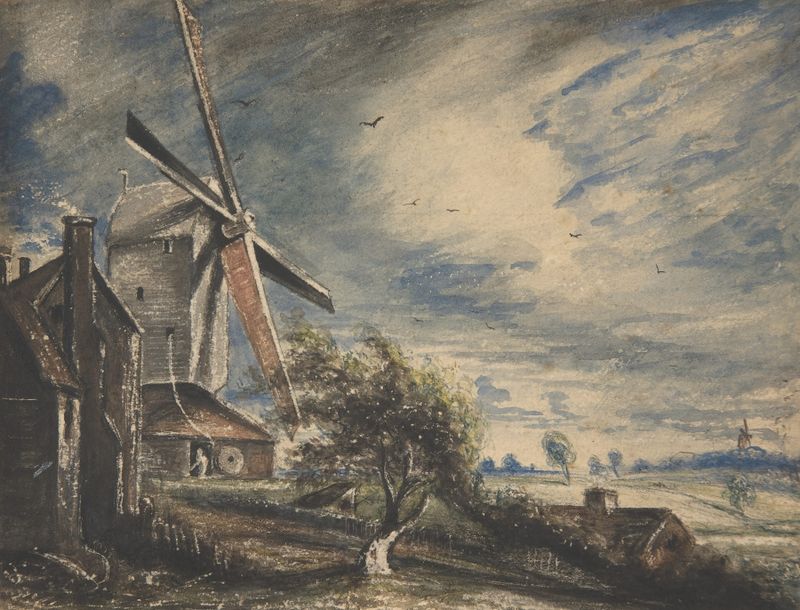
A Mill Near Colchester
John Constable
East Bergholt
John Constable

Flatford Mill
John Constable





