Pariisi motiiv — History & Facts
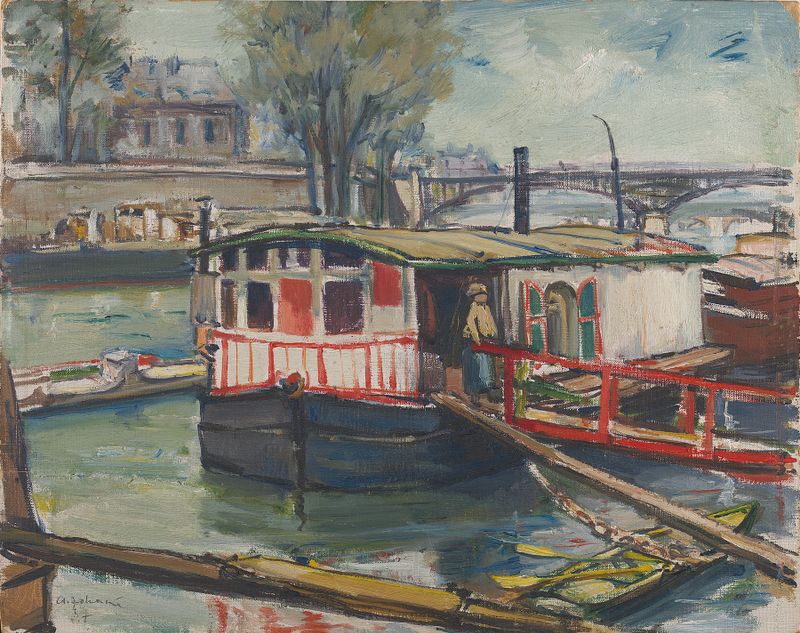
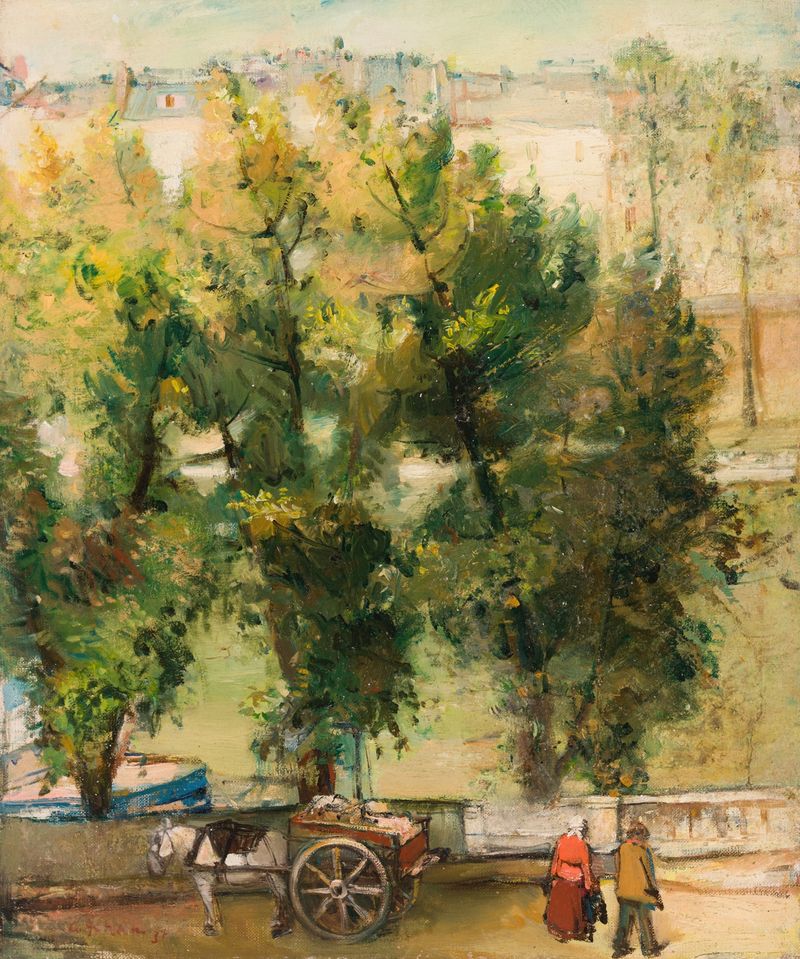
Could beauty survive in a century of chaos? This poignant question threads through Pariisi motiiv, where vibrant colors and stark contrasts reveal both revelation and resilience amid turmoil. Look at the foreground, where bold strokes of deep blues and bright yellows draw you in, forming the silhouette of a Parisian street. Notice how the light, seemingly suspended in the air, accentuates the delicate outlines of buildings, evoking a sense of nostalgia. The composition balances chaos and harmony, with rich textures inviting the viewer to explore every corner, from the textured pavement to the illuminated windows that hint at life within. Amidst the bustling scene, the interplay of shadow and light serves as a metaphor for hope and despair, suggesting a deeper emotional landscape.
The juxtaposition of vibrant colors with darker undertones reflects a world on the brink of change. Elements like the distant figures navigating the street embody resilience, while the architecture echoes a longing for stability in uncertain times, prompting contemplation on what it means to find beauty in adversity. In 1937, Andrus Johani painted this work while living in Estonia, a period marked by political upheaval and looming global conflict. The artistic community was grappling with the rise of modernism, as artists sought new forms of expression to convey their realities.
This painting reflects Johani's desire to capture the fleeting beauty of life and art amid the chaos shaping his world, making it a poignant testament to resilience and revelation.