Pariisi tänav — History & Facts
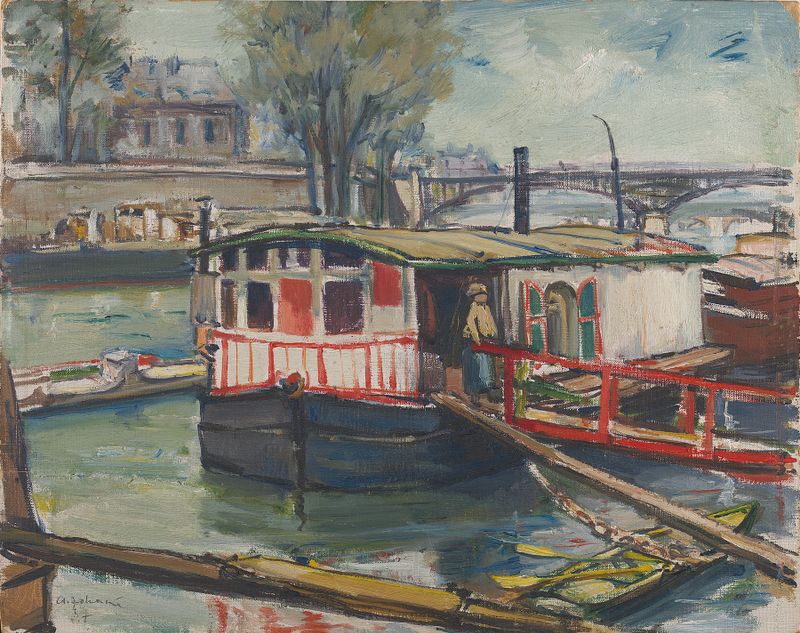
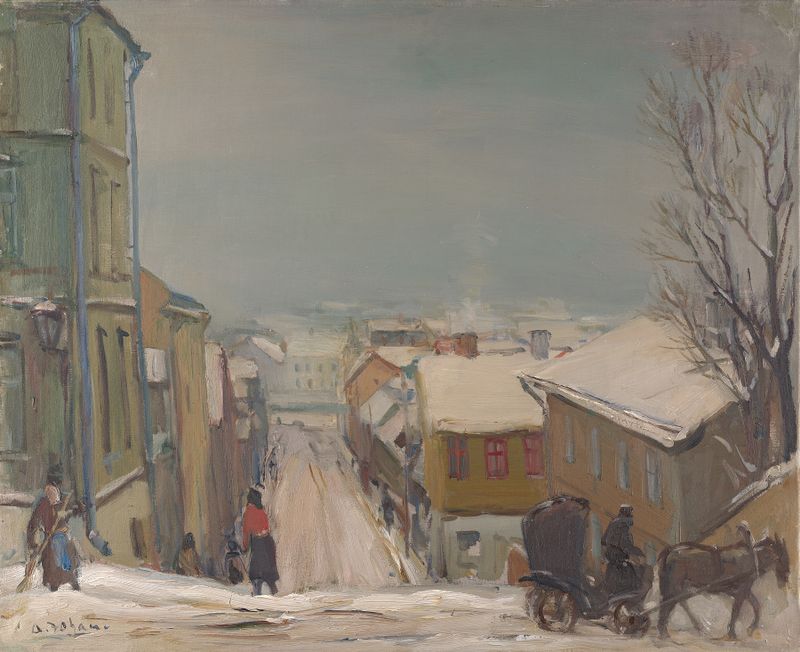
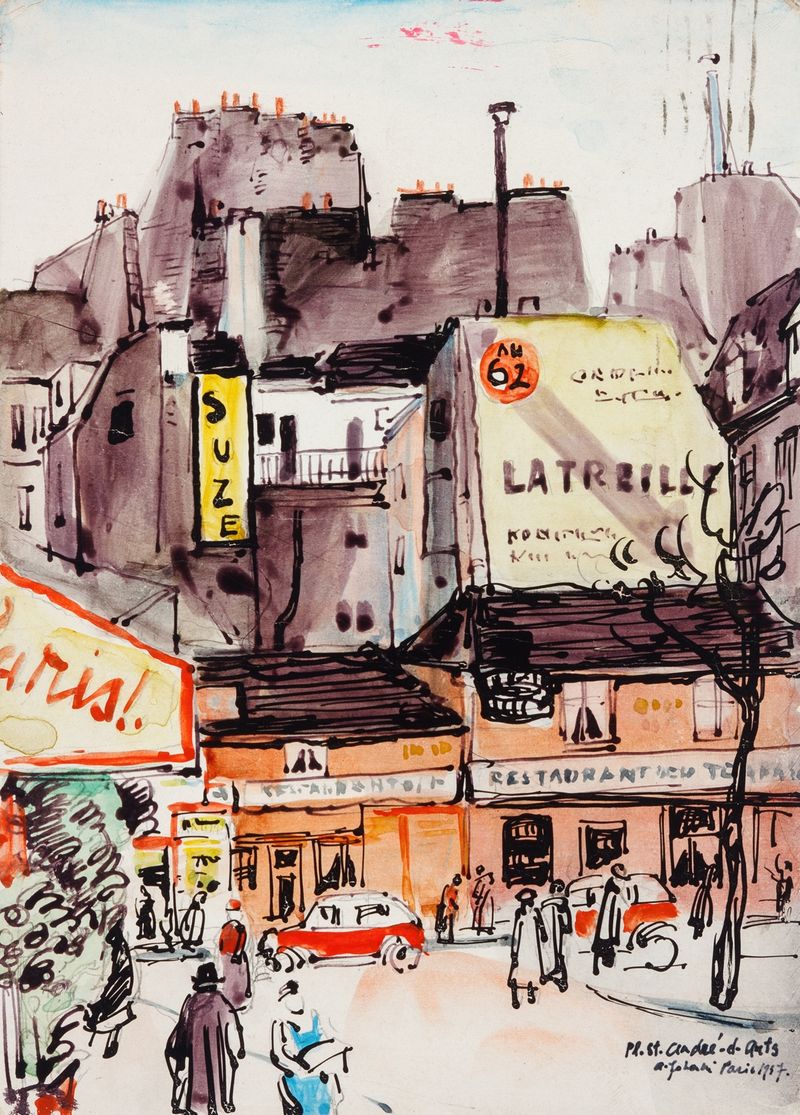
Could a single brushstroke hold eternity? In Pariisi tänav, the fragile beauty of a moment captured whispers of transience and the intricate dance between permanence and ephemerality. Look to the center of the canvas where a narrow street curls invitingly, lined with quaint buildings that lean toward each other, as if sharing secrets. The muted palette of ochres and greys is punctuated by soft splashes of red and green, drawing your gaze to the lively storefronts. Notice how the deft application of paint creates a textured surface, allowing light to play subtly across the scene, evoking the soothing warmth of a Parisian afternoon.
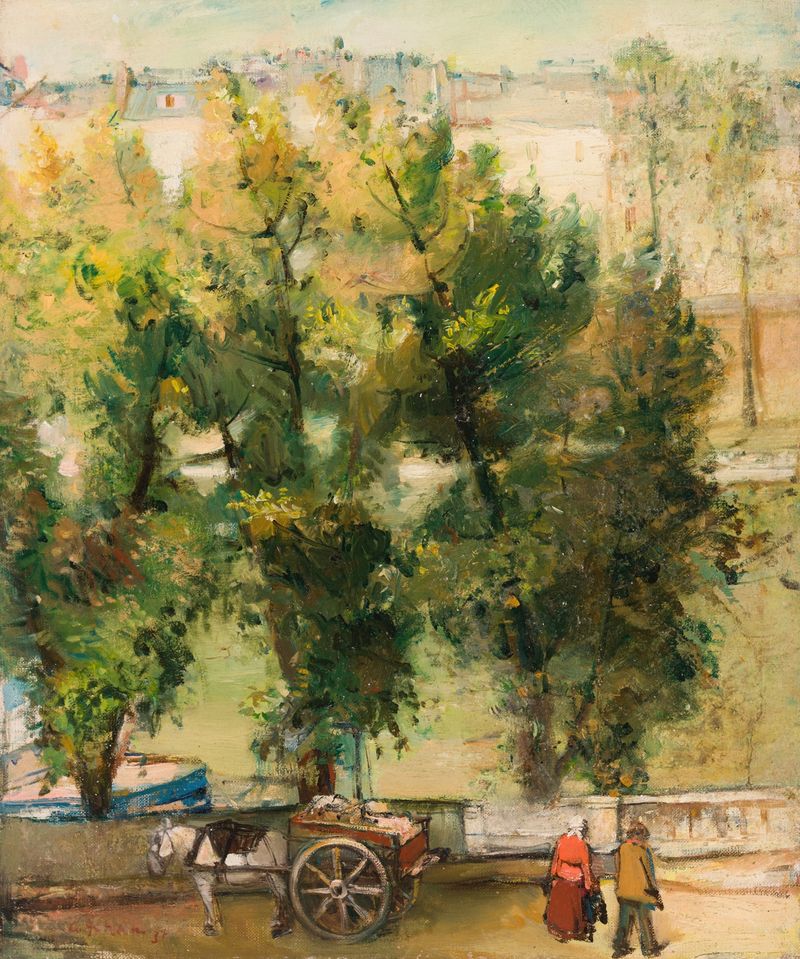
The brushstrokes vary in intensity, conveying both the solidity of the architecture and the fleeting nature of the life bustling within. Delve deeper, and you’ll uncover layers of emotional complexity. The street, a metaphor for connection, carries a sense of longing, resonating with those who have ever yearned for a sense of belonging. The way the light filters through the trees hints at life's fragility, illuminating the contrast between the vibrant energy of the street and the silence it holds at intervals.
There’s a delicate interplay between stillness and movement, inviting the viewer to reflect on the impermanence of moments we often take for granted. Created in 1937, this piece emerged from Andrus Johani's studio in an era when Europe was on the brink of significant change. Amidst the growing shadows of political unrest and the looming threat of war, the artist sought solace in the beauty of everyday life, channeling his emotions into a work that speaks to the human experience and our desire to capture and preserve moments that, like life itself, are astonishingly fragile.