Discover insights about this artwork
Part of the Crowd at the Ecce Homo — History & Facts
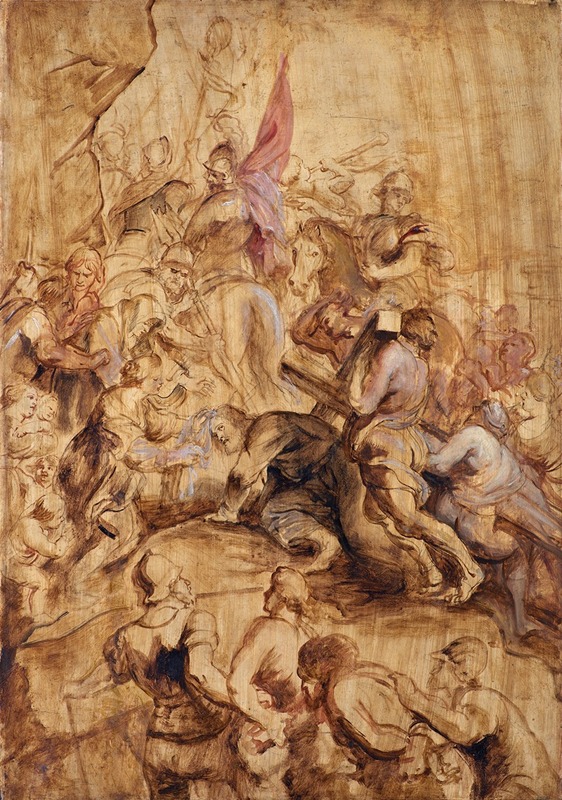
In Part of the Crowd at the Ecce Homo, Peter Paul Rubens captures a dynamic scene filled with figures. The painting is rich in color, with deep reds and earthy tones dominating the palette. The crowd is depicted with a variety of expressions, showcasing a mix of emotions from curiosity to sorrow.
The setting suggests a moment of tension, as the figures gather around a central focal point, likely the figure of Christ. The painting is executed in oil on canvas, a common medium for Rubens, allowing for vibrant color and texture. Viewers can observe the meticulous details in the clothing and expressions of the figures, which reflect Rubens' skill in portraying human emotion. The composition is dynamic, with figures arranged in a way that leads the viewer's eye throughout the scene.
The use of light and shadow enhances the three-dimensionality of the figures, a hallmark of the Baroque style. Peter Paul Rubens was a leading figure of the Baroque movement, known for his energetic compositions and vibrant color palettes. This work, created in the early 1610s, reflects his interest in religious themes and the human experience. An interesting fact about this painting is that it captures a moment from the Passion of Christ, a subject Rubens explored multiple times throughout his career.
The emotional intensity of the crowd serves to heighten the drama of the scene, a characteristic feature of Rubens' work.
More Artworks by Peter Paul Rubens
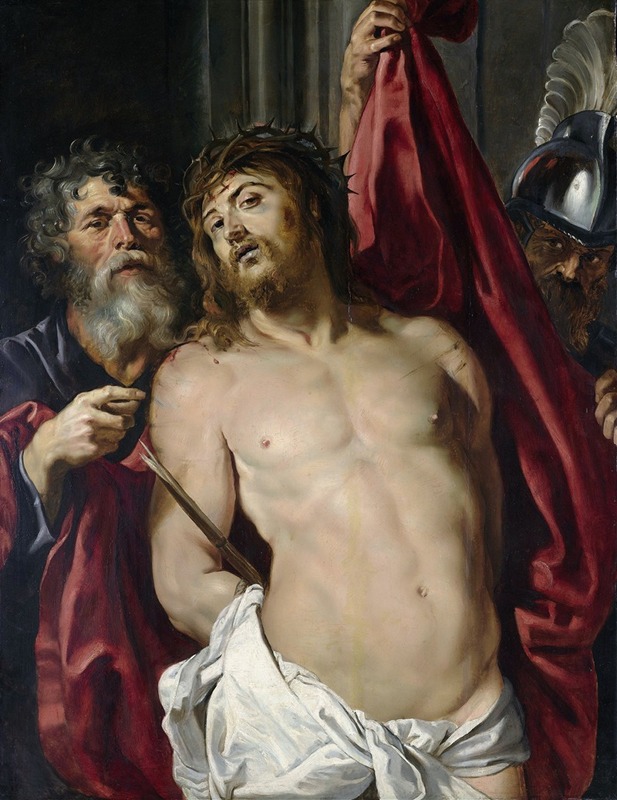
Ecce homo
Peter Paul Rubens
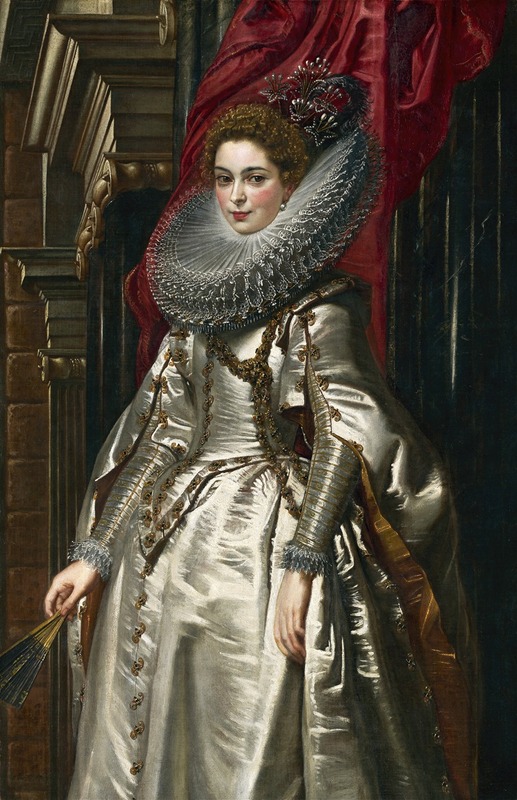
Marchesa Brigida Spinola Doria
Peter Paul Rubens
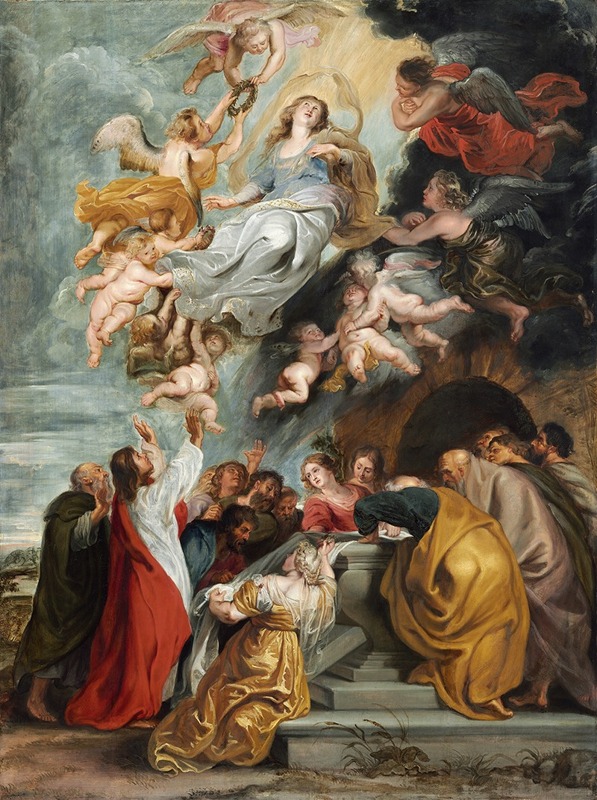
The Assumption of the Virgin
Peter Paul Rubens

Saint Teresa of Ávila Interceding for Souls in Purgatory
Peter Paul Rubens
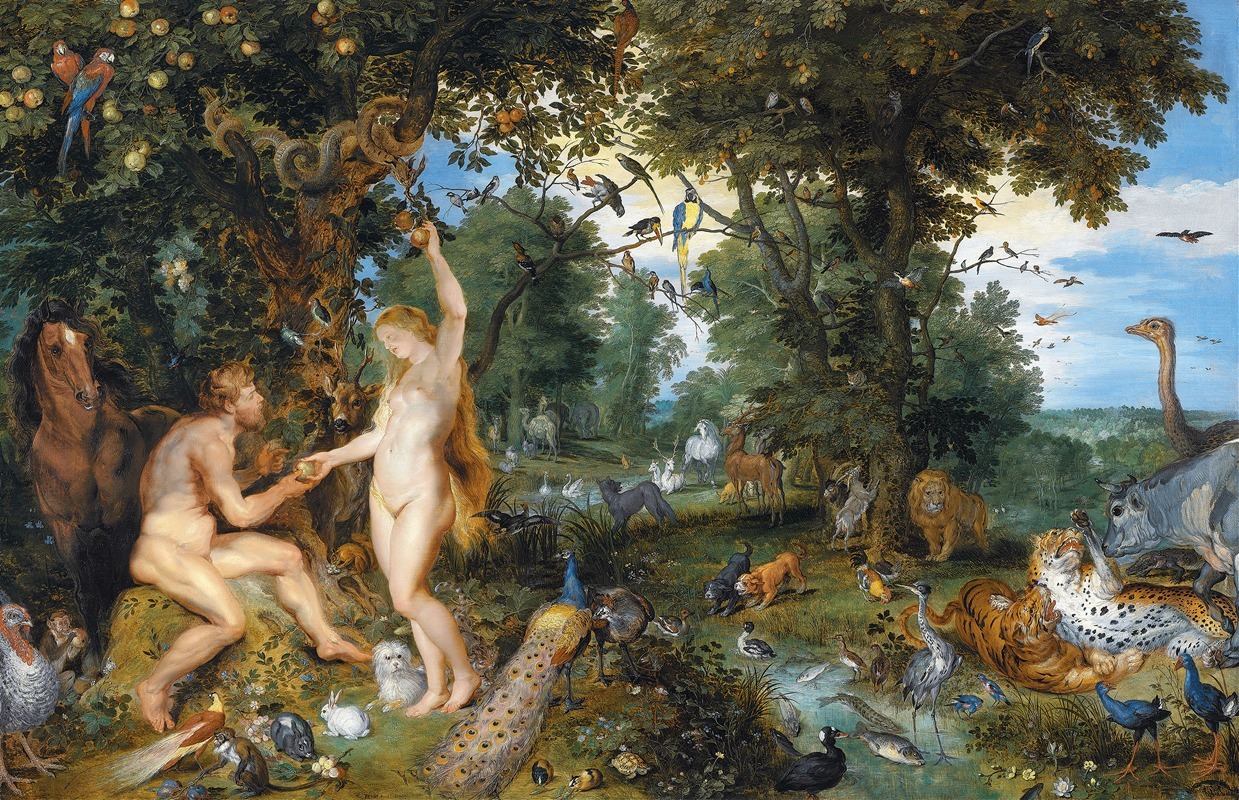
The Garden of Eden with the Fall of Man
Peter Paul Rubens
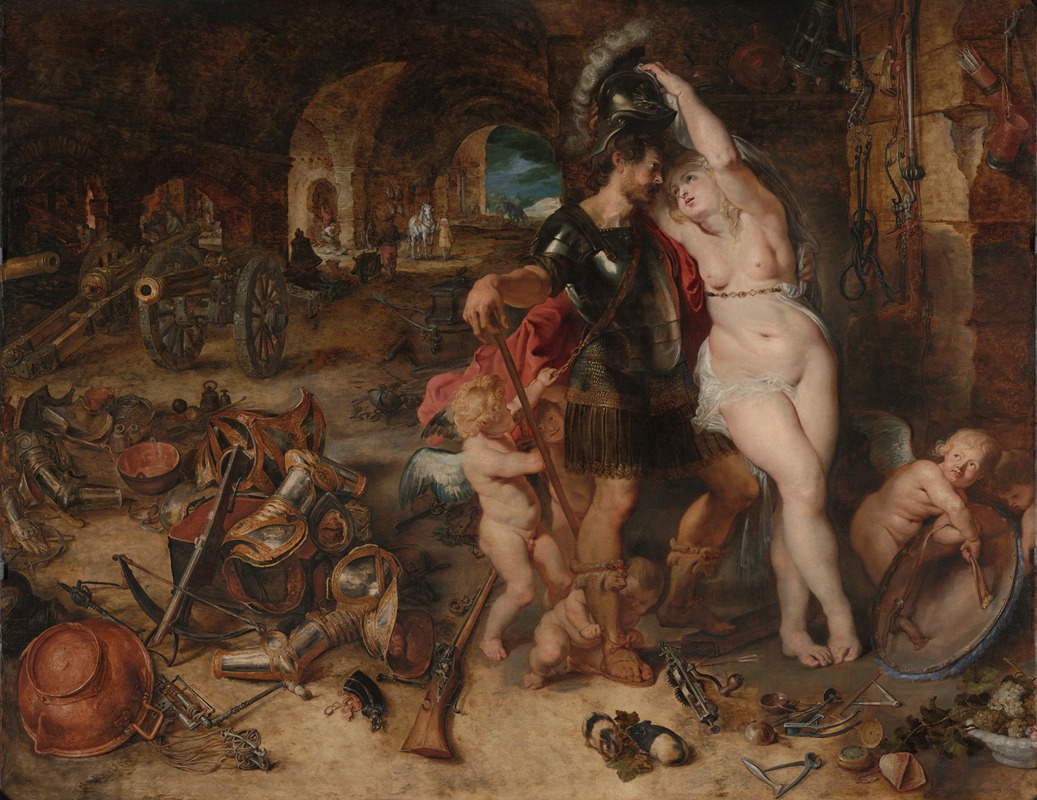
The Return From War,Mars Disarmed By Venus
Peter Paul Rubens
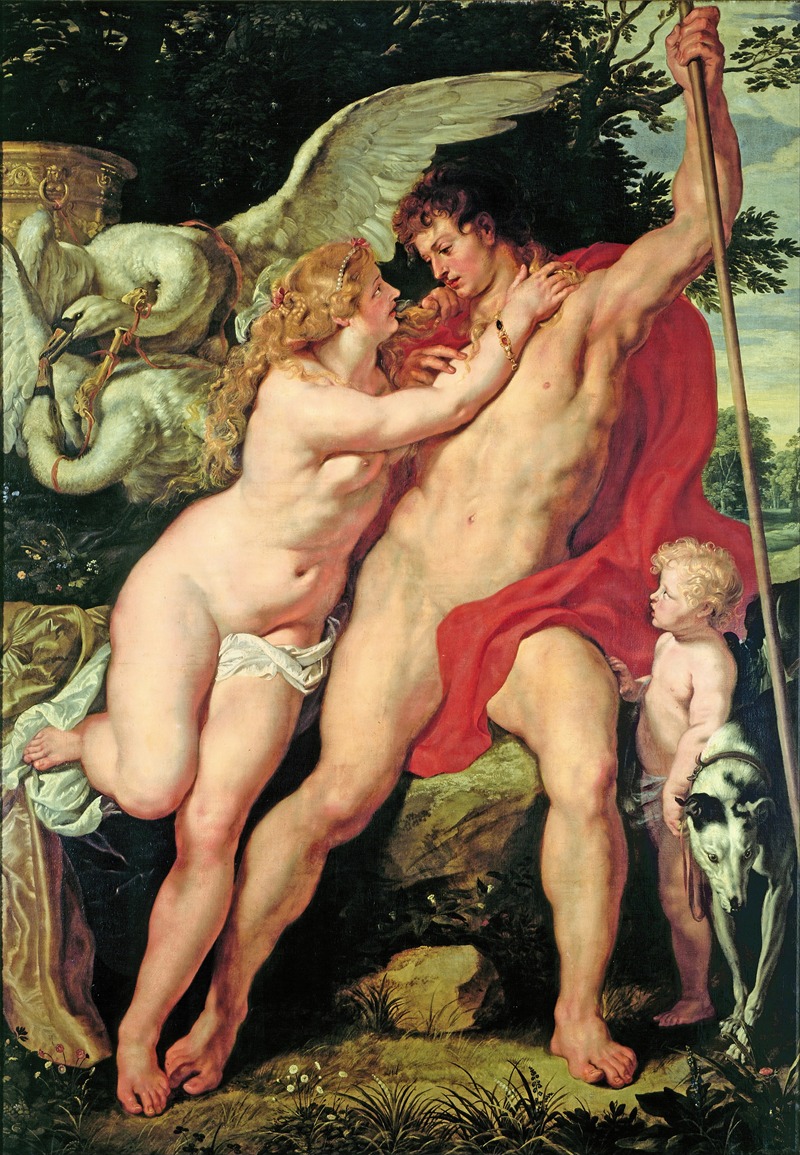
Venus and Adonis
Peter Paul Rubens
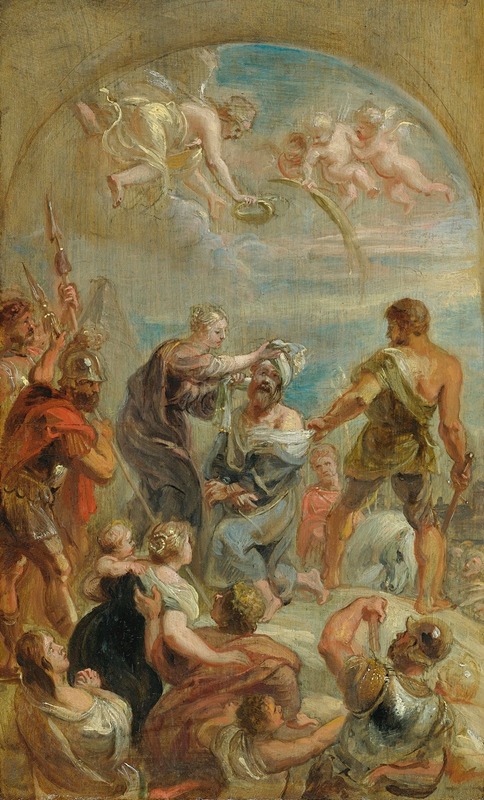
The Martyrdom Of Saint Paul
Peter Paul Rubens
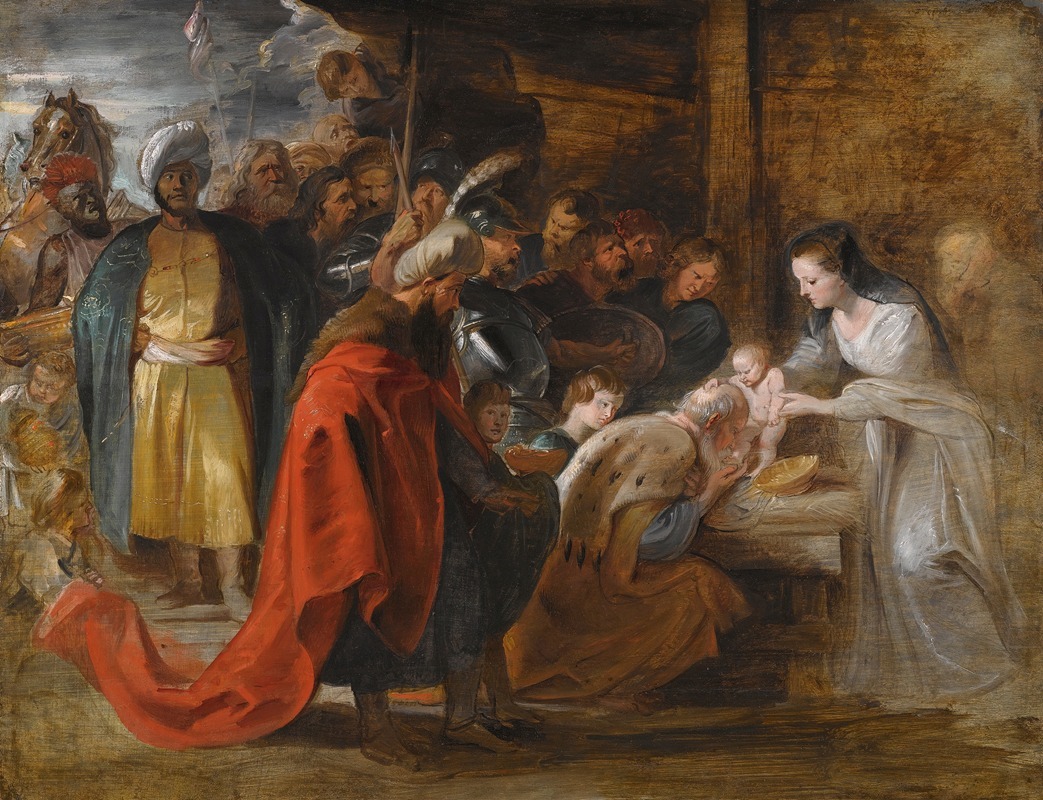
The Adoration Of The Magi
Peter Paul Rubens
The Ascent to Calvary. The Bearing of the Cross
Peter Paul Rubens