Discover insights about this artwork
The Martyrdom Of Saint Paul — History & Facts
In The Martyrdom of Saint Paul, Peter Paul Rubens uses bold colors and dramatic contrasts to depict the intense moment of Saint Paul's execution. The painting features a group of figures, including soldiers and onlookers, surrounding the central figure of Saint Paul. The use of reds and dark tones creates a sense of urgency and violence.
The setting is dynamic, with swirling drapery and expressive gestures that enhance the emotional impact of the scene. This painting is an example of Baroque art, characterized by its dramatic use of light and shadow, known as chiaroscuro. The composition is carefully arranged, guiding the viewer's eye towards the central action. Rubens' technique showcases his skill in rendering human anatomy and fabric, giving life to the figures.
The painting measures approximately 200 x 300 cm, making it a significant work in terms of scale. Peter Paul Rubens was a prominent Flemish artist known for his vibrant and dynamic compositions. The Martyrdom of Saint Paul was created around 1610, during a period when Rubens was deeply engaged with religious themes. An interesting fact about this work is that it reflects the Counter-Reformation's emphasis on dramatic storytelling in art, aiming to inspire faith and devotion among viewers.
More Artworks by Peter Paul Rubens
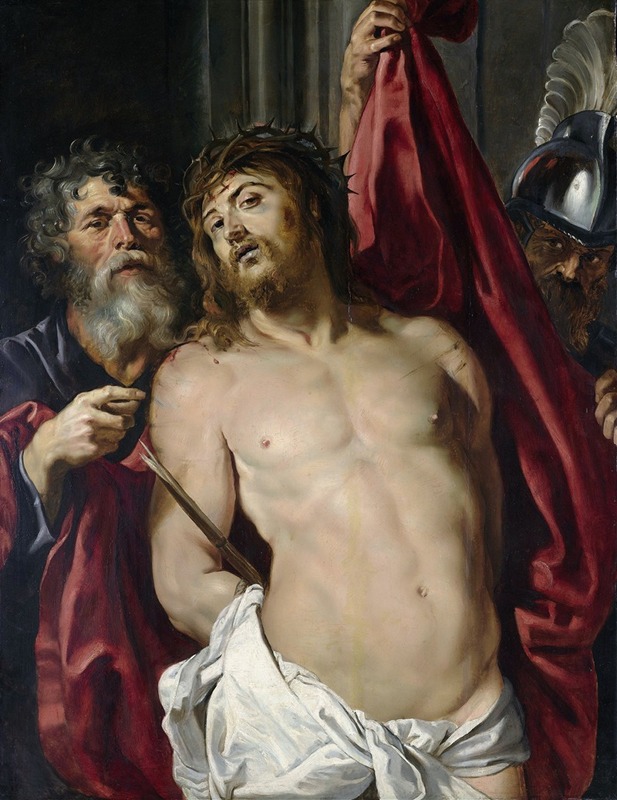
Ecce homo
Peter Paul Rubens
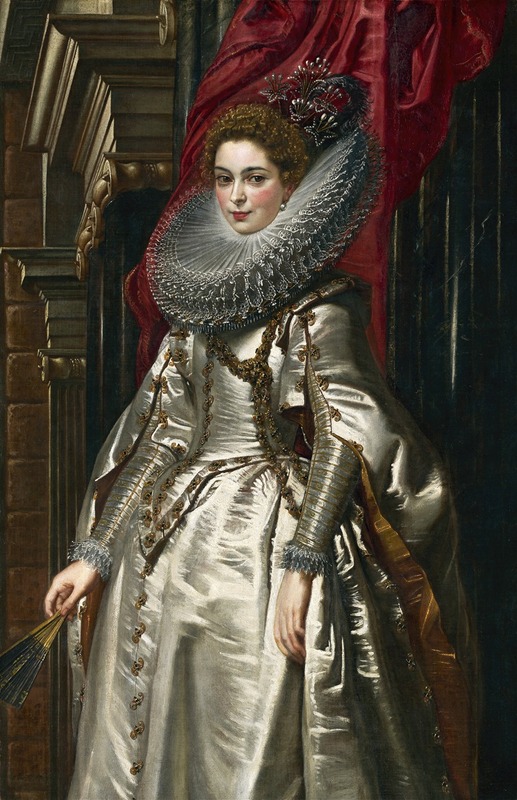
Marchesa Brigida Spinola Doria
Peter Paul Rubens
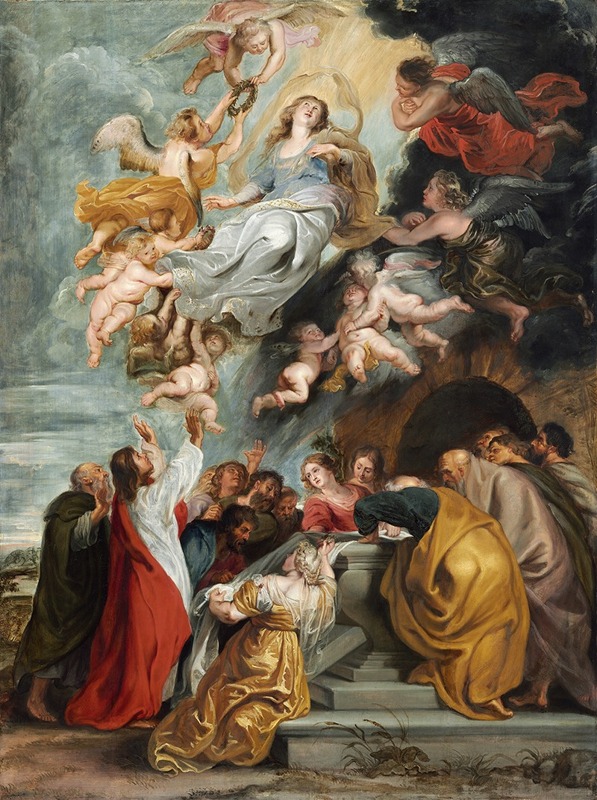
The Assumption of the Virgin
Peter Paul Rubens

Saint Teresa of Ávila Interceding for Souls in Purgatory
Peter Paul Rubens
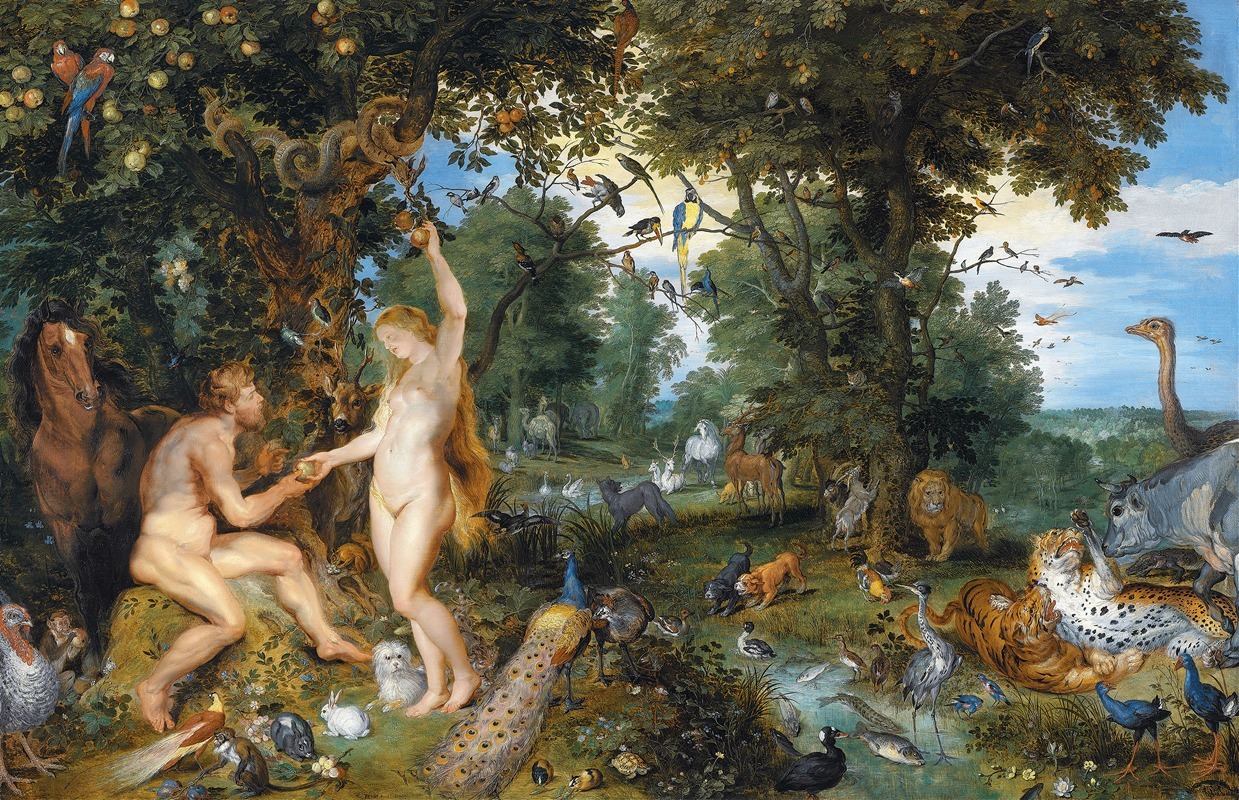
The Garden of Eden with the Fall of Man
Peter Paul Rubens
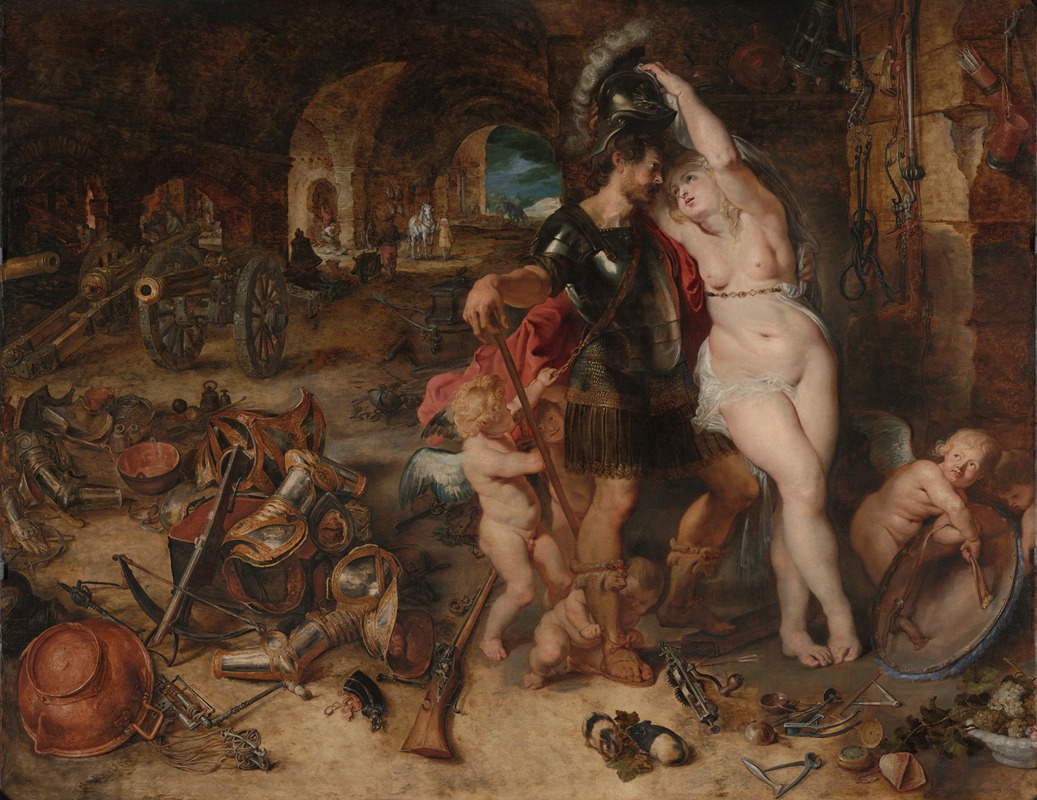
The Return From War,Mars Disarmed By Venus
Peter Paul Rubens
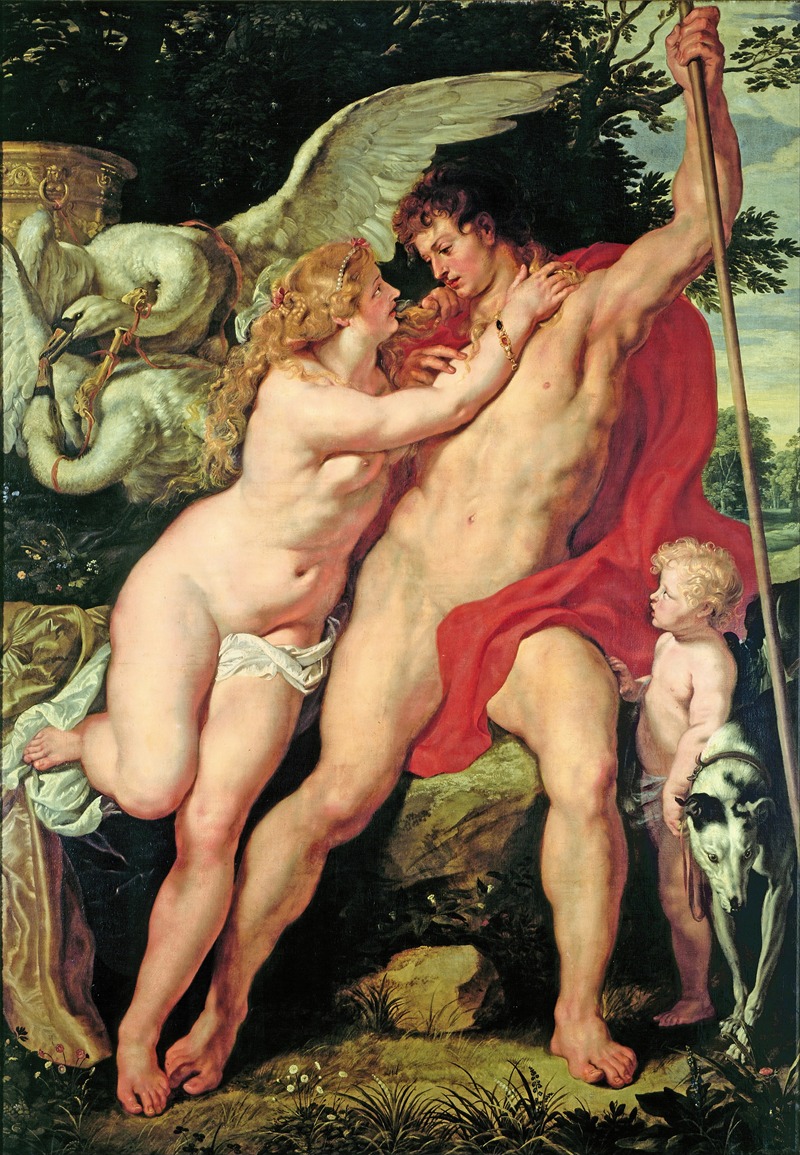
Venus and Adonis
Peter Paul Rubens
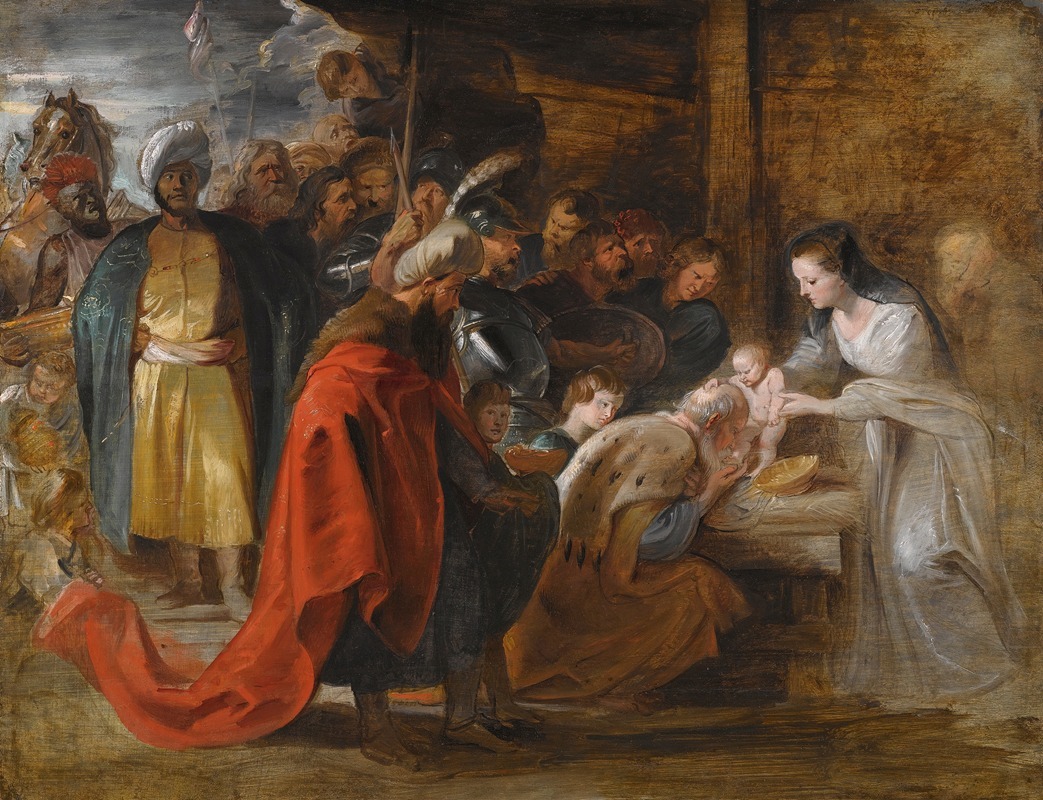
The Adoration Of The Magi
Peter Paul Rubens
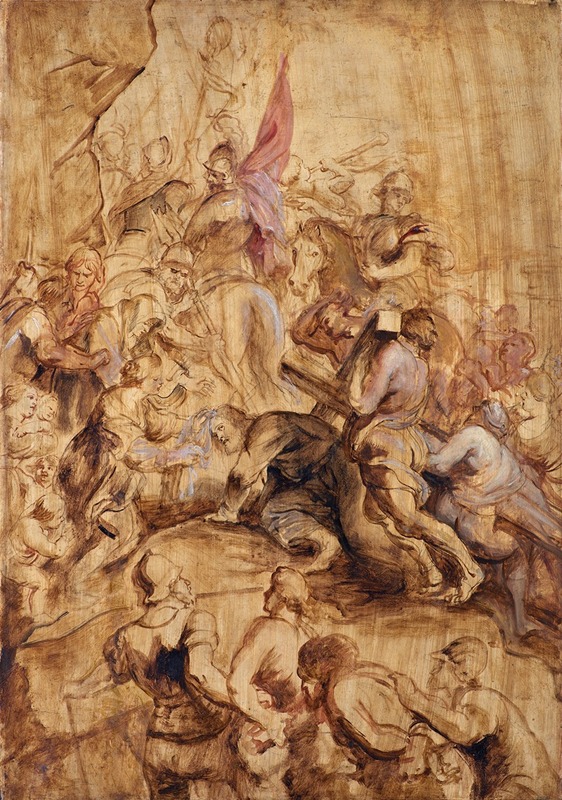
The Ascent to Calvary. The Bearing of the Cross
Peter Paul Rubens
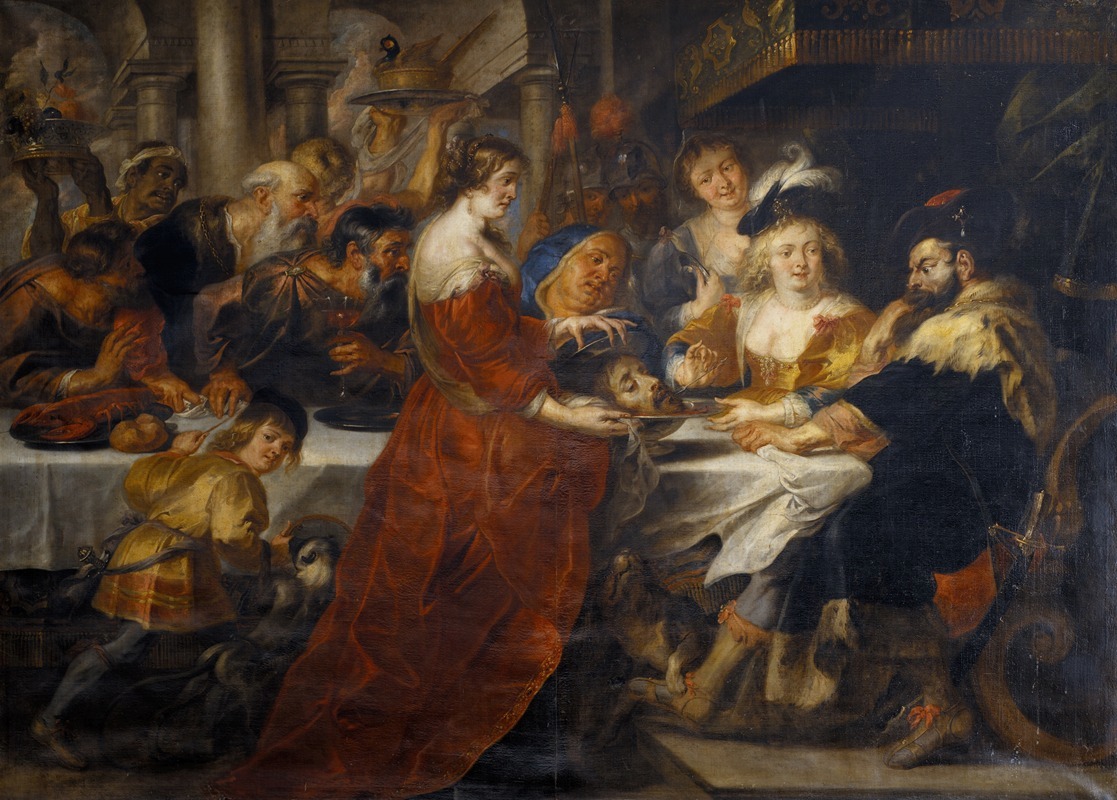
The Feast of Herod. Salome Bringing the Head of St John the Baptist on a Charger
Peter Paul Rubens