Discover insights about this artwork
The Adoration Of The Magi — History & Facts
In The Adoration of the Magi, Peter Paul Rubens presents a vibrant scene filled with rich colors and dynamic figures. The painting showcases the three Magi, adorned in luxurious garments, kneeling before the infant Jesus. Surrounding them are various onlookers, including angels and animals, all contributing to the lively atmosphere.
The use of gold and deep reds enhances the opulence of the moment. Rubens employs oil on canvas to create this large-scale work, measuring approximately 250 x 200 cm. The brushwork is expressive, with a focus on the textures of fabrics and the play of light across the figures. The composition is carefully arranged, guiding the viewer's eye towards the central figures of the Magi and the Christ child.
The dynamic poses and gestures convey a sense of movement and emotion. Peter Paul Rubens was a leading figure of the Baroque movement, known for his energetic compositions and vivid colors. This painting, created in the 1620s, reflects his mastery of depicting human emotion and interaction. An interesting fact about this work is that it was commissioned for a church in Antwerp, emphasizing the importance of the Magi in Christian tradition.
Rubens' ability to blend religious themes with dramatic artistry makes this piece a significant example of Baroque art.
More Artworks by Peter Paul Rubens
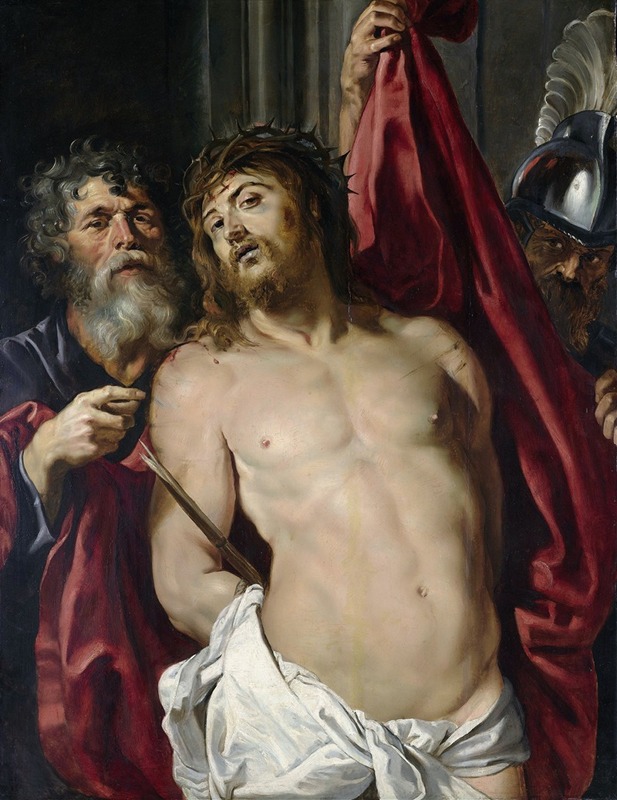
Ecce homo
Peter Paul Rubens
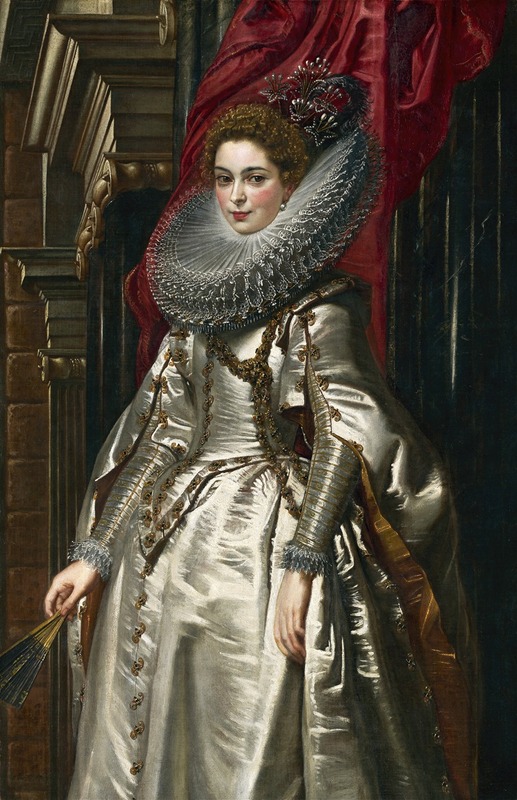
Marchesa Brigida Spinola Doria
Peter Paul Rubens
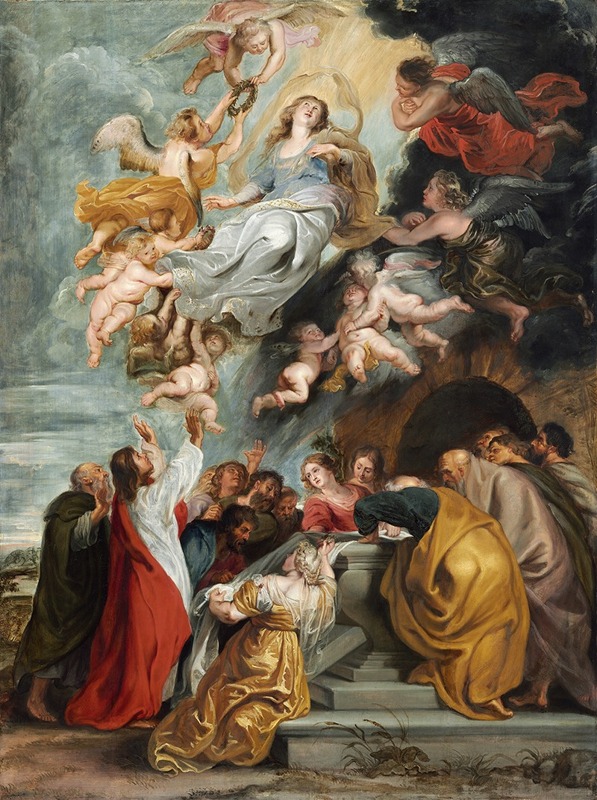
The Assumption of the Virgin
Peter Paul Rubens

Saint Teresa of Ávila Interceding for Souls in Purgatory
Peter Paul Rubens
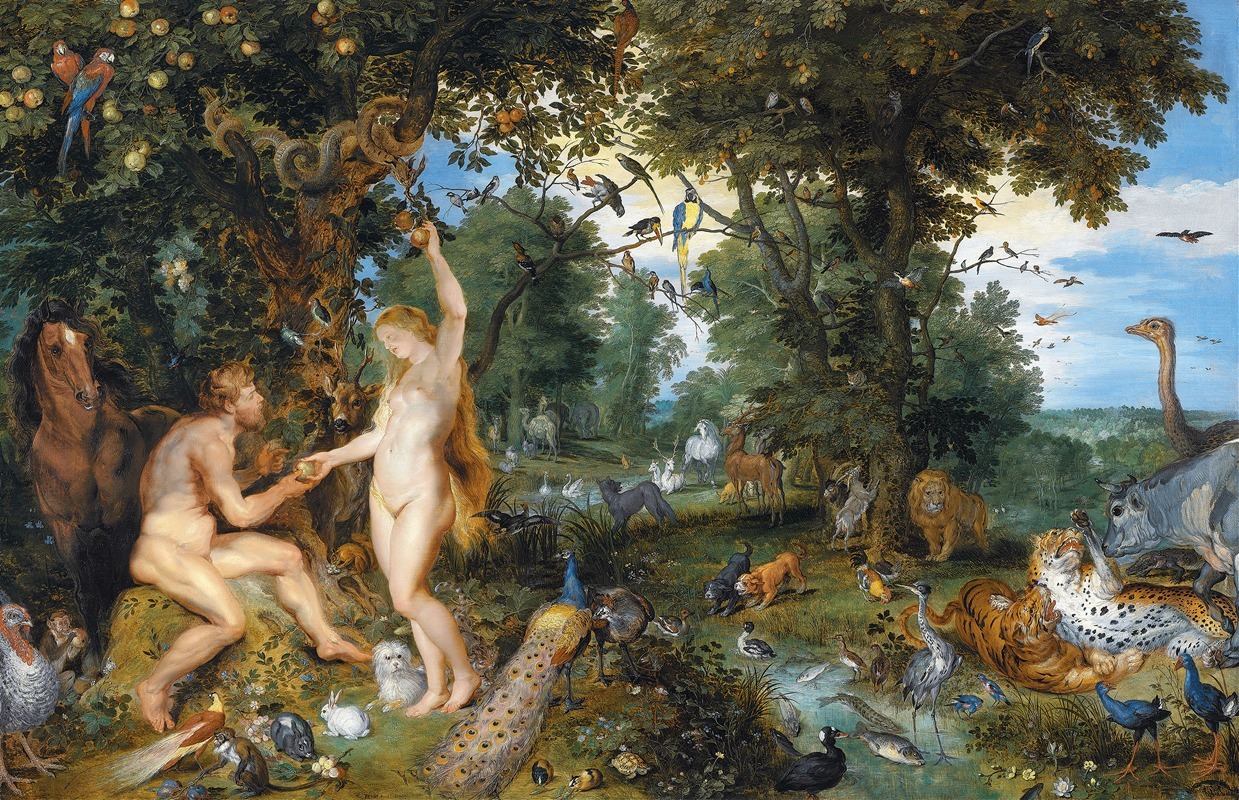
The Garden of Eden with the Fall of Man
Peter Paul Rubens
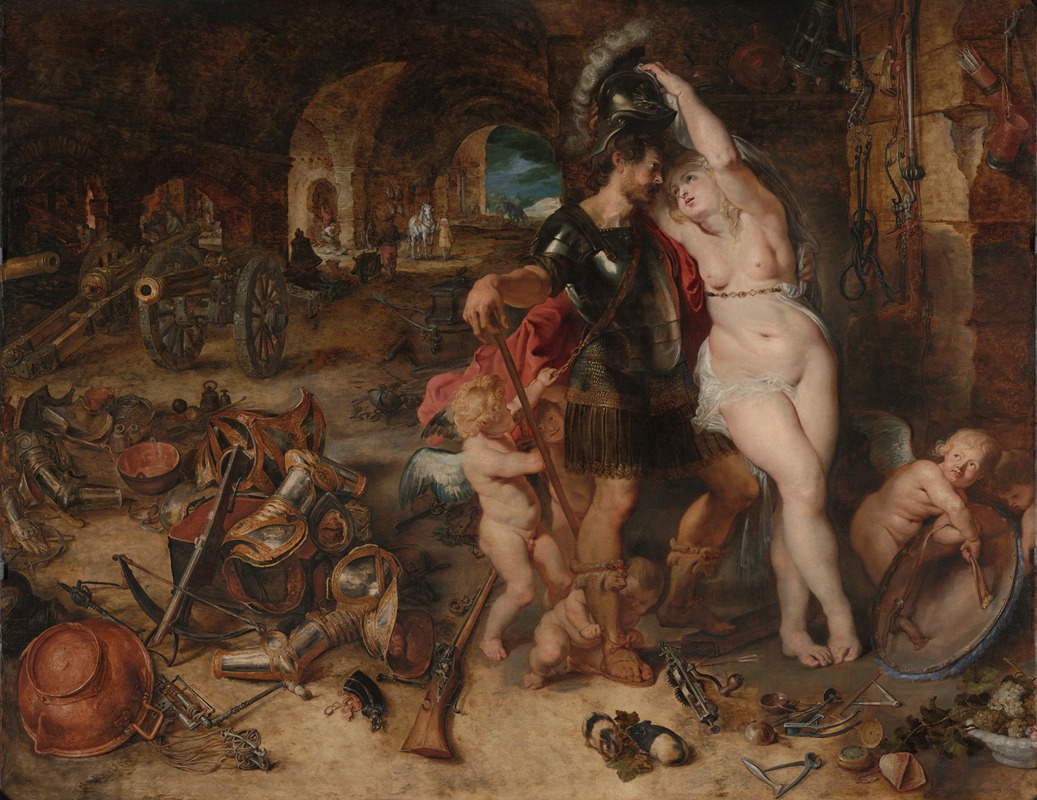
The Return From War,Mars Disarmed By Venus
Peter Paul Rubens
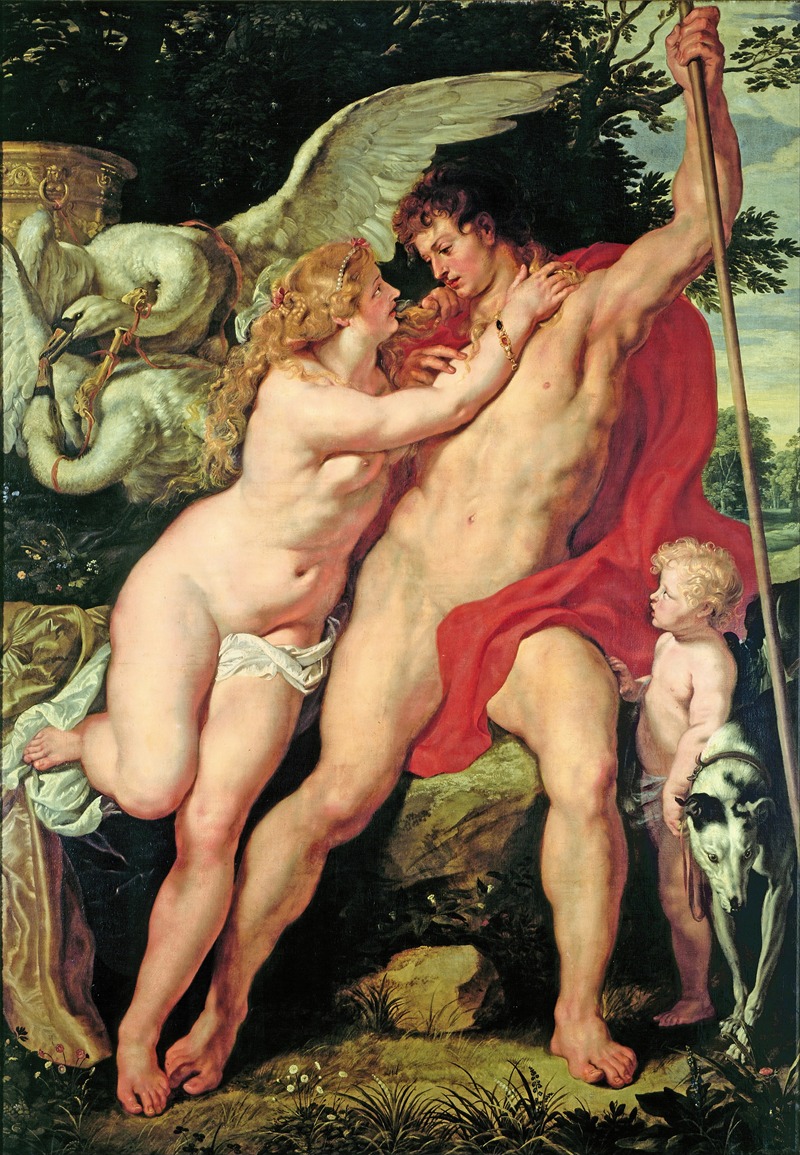
Venus and Adonis
Peter Paul Rubens
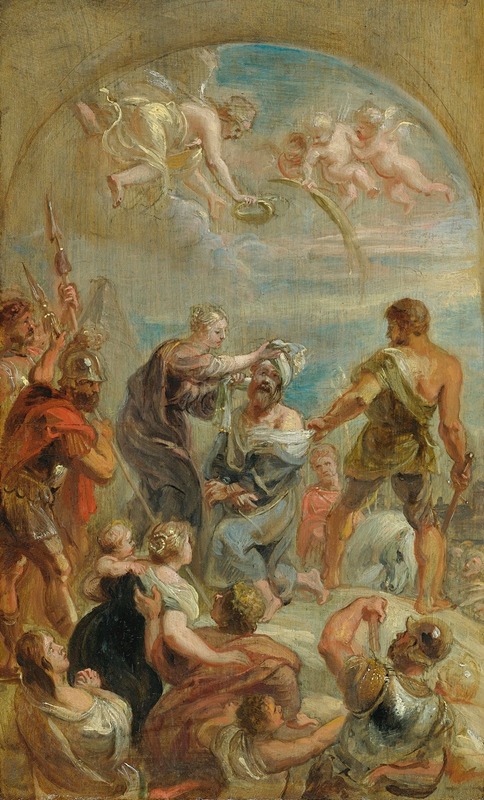
The Martyrdom Of Saint Paul
Peter Paul Rubens
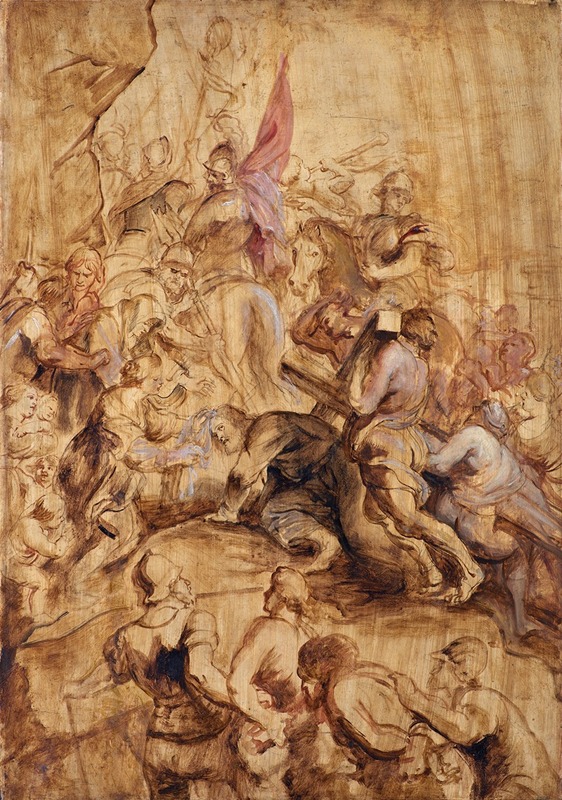
The Ascent to Calvary. The Bearing of the Cross
Peter Paul Rubens
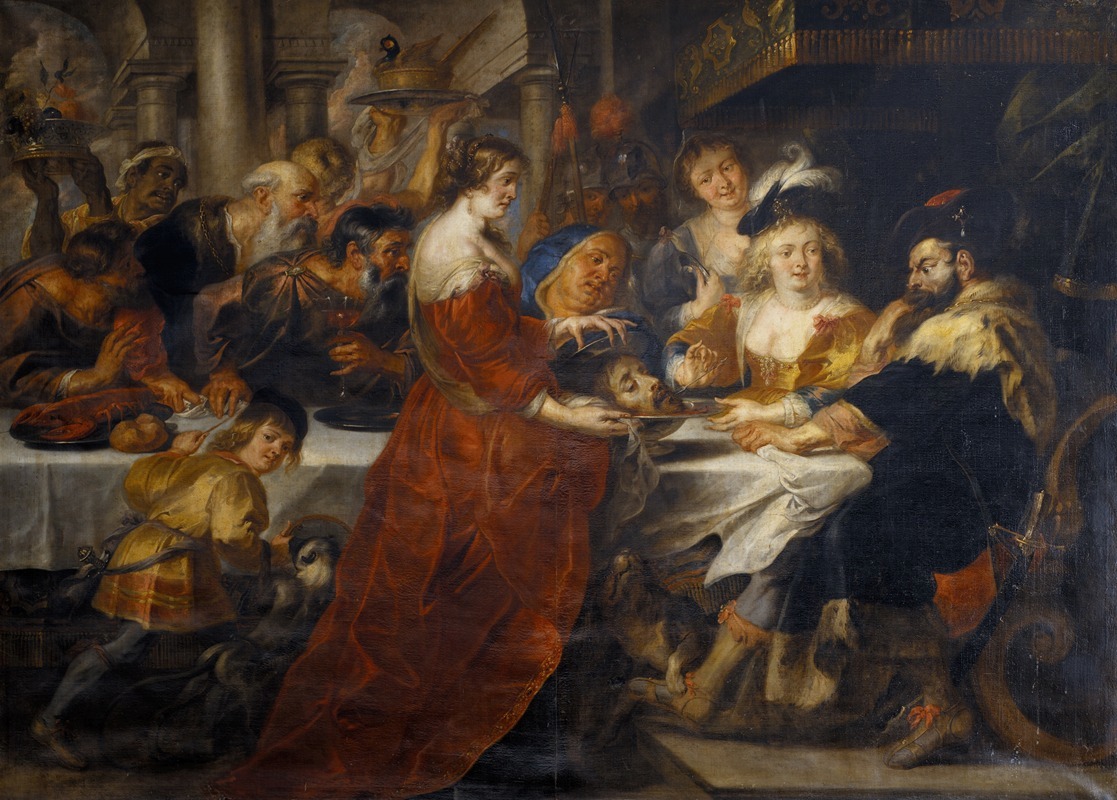
The Feast of Herod. Salome Bringing the Head of St John the Baptist on a Charger
Peter Paul Rubens