
Passage Saint Pierre — History & Facts
In this fleeting moment of existence, the essence of legacy emerges, whispering through every brushstroke and hue. Look to the left where the archway stands invitingly open, guiding the viewer into a world layered with history and memory. The cool tones of the stonework contrast sharply with the warm, amber light cascading softly down, illuminating the cobblestones that tell tales of countless footsteps. Notice how Jouas plays with perspective, drawing the eye toward the distant figures, their silhouettes a blend of purpose and anonymity against the backdrop of a serene yet weathered landscape. As you examine the details, consider the juxtaposition of the vibrant light against the darker shadows lurking in the corners.
This interplay hints at the complexities of time—moments of brightness that linger amidst the inevitable passage of shadows. The seemingly mundane scene of a quaint passage reveals a deeper narrative of transience, inviting reflection on the stories left behind by those who have traversed this space. During the late 19th century, Jouas was immersed in the burgeoning movement of the Impressionists, painting in France. In this period rich with artistic exploration and burgeoning modernity, he sought to capture fleeting moments in a rapidly changing world.
Passage Saint Pierre embodies his commitment to blending the everyday with the profound, reflecting not only the architecture of his time but the enduring spirit of the past.
More Artworks by Charles Jouas
Browse all →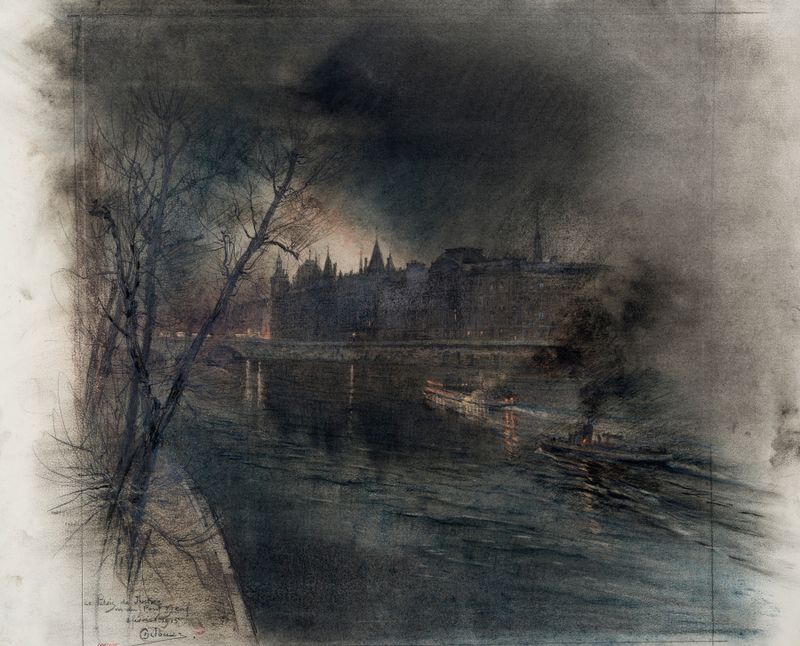
Le Palais de Justice vu du Pont-Neuf
Charles Jouas
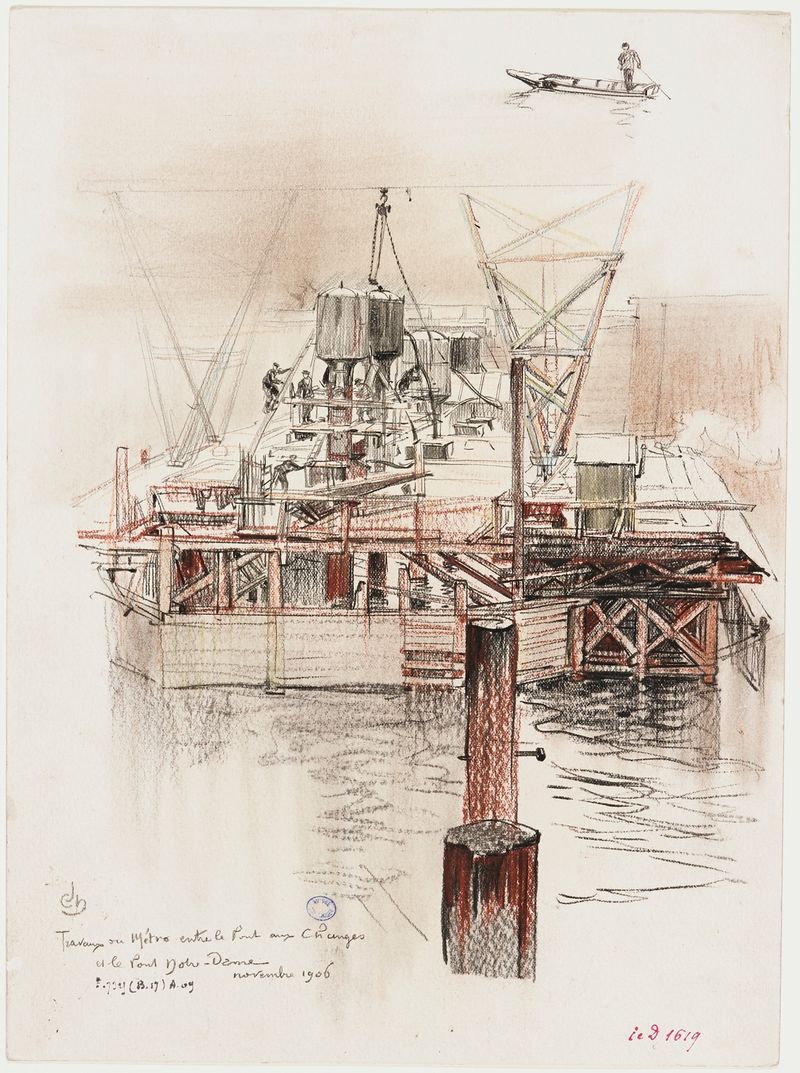
Travaux du métro entre le pont au Change et le pont Notre Dame
Charles Jouas
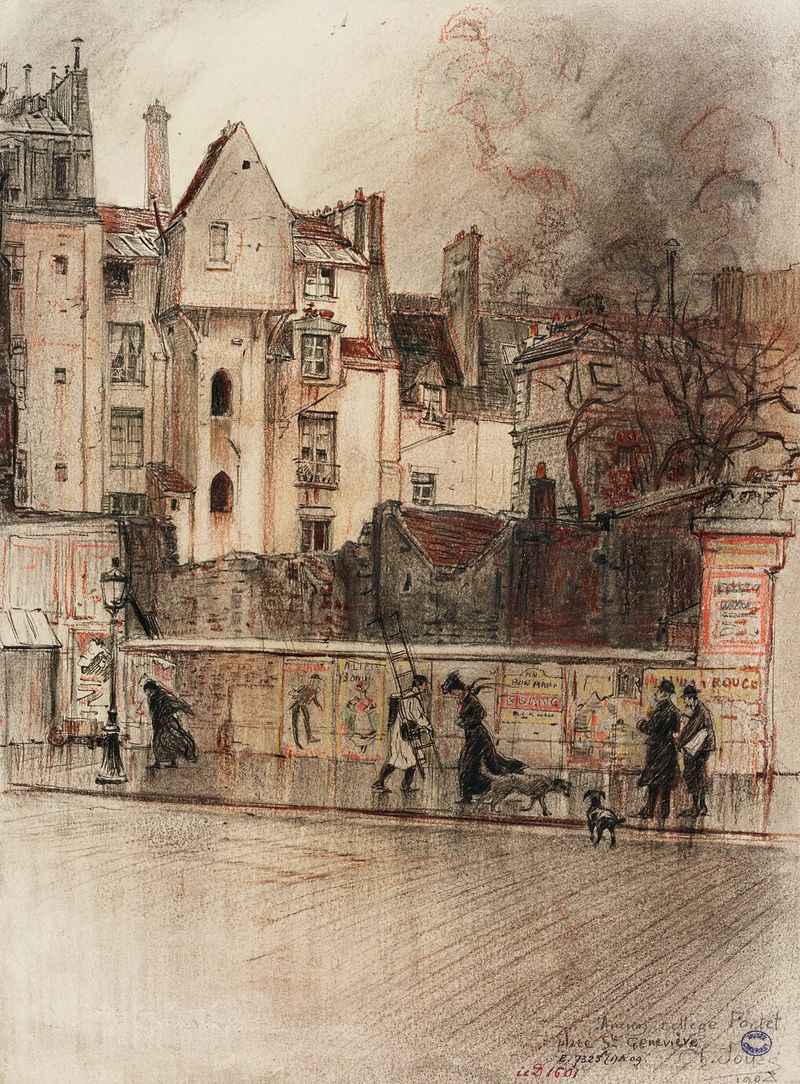
La tour de Calvin (ancien collège de Fortet), place Sainte Geneviève
Charles Jouas

Travaux du métro entre le pont au Change et le pont Notre Dame
Charles Jouas
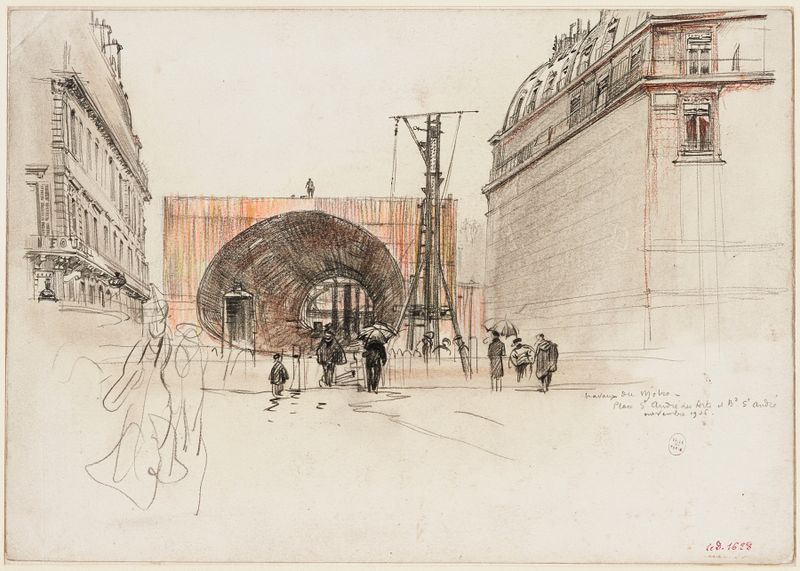
Travaux du métropolitain rue Danton et boulevard Saint-André (le caisson), 6ème aarondissement, Paris
Charles Jouas
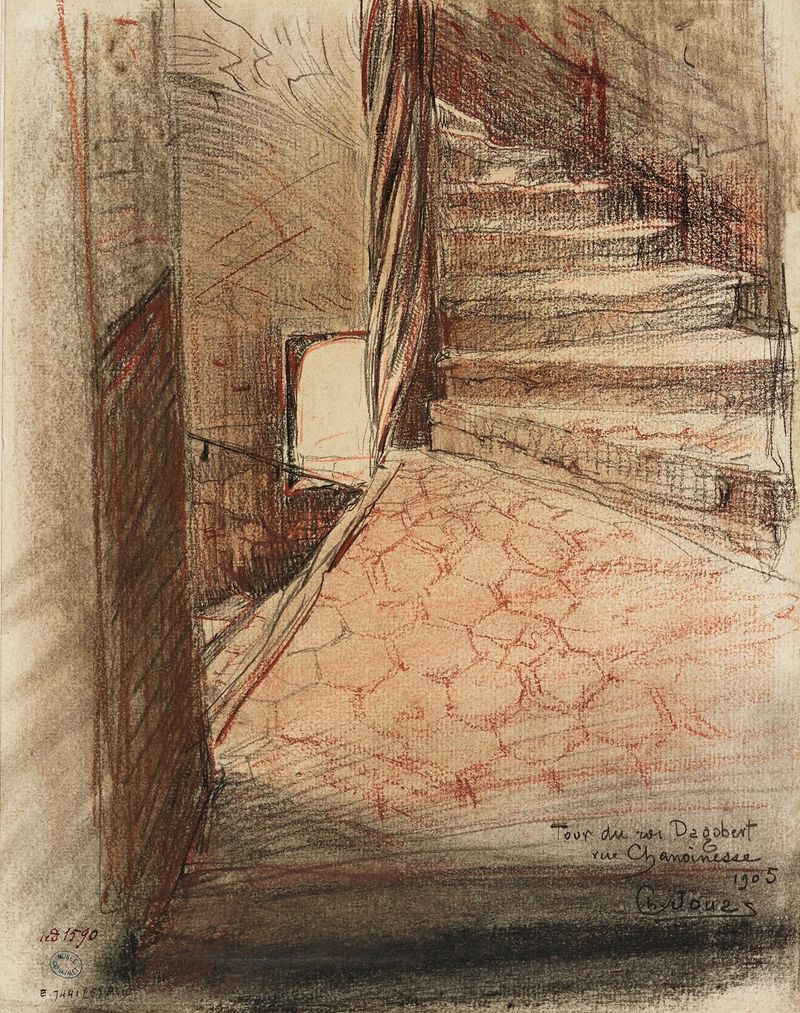
Escalier de la tour Dagobert, rue Chanoinesse
Charles Jouas

Escalier intérieur, 16 rue du Cloître Notre-Dame
Charles Jouas

L’escalier de la rue des Barres
Charles Jouas
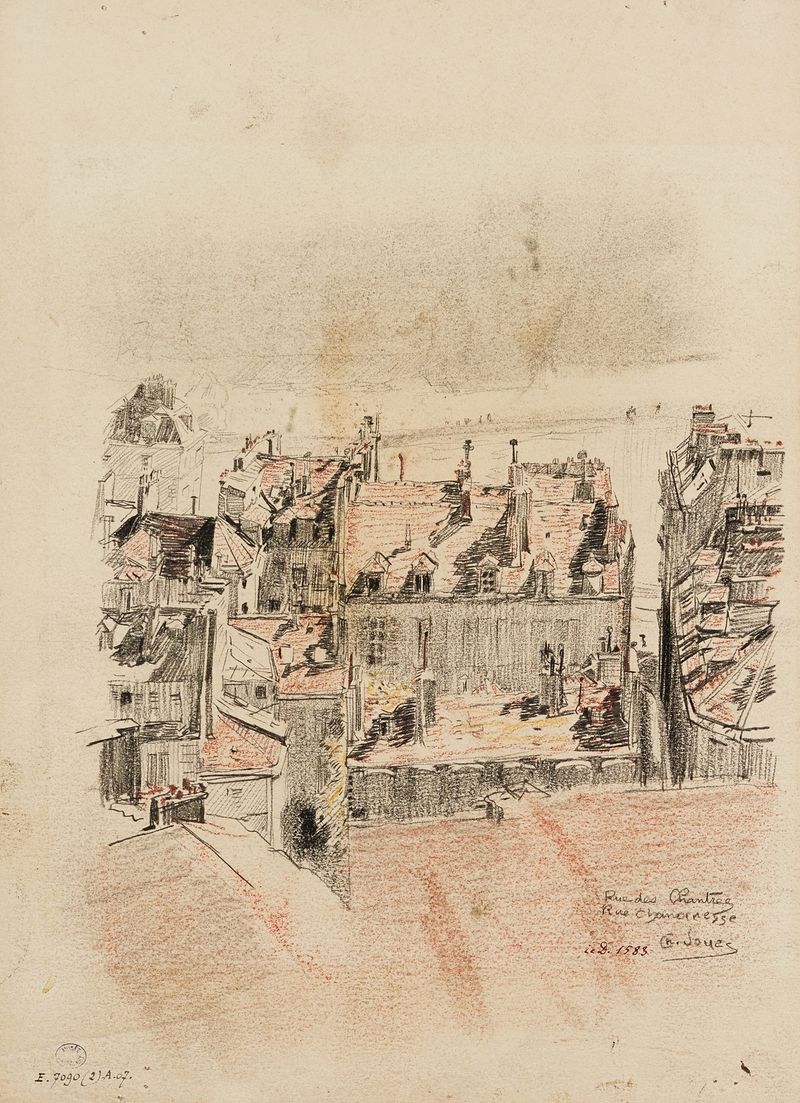
Rue des Chantres et rue Chanoinesse
Charles Jouas

Rue Grenier sur l’Eau
Charles Jouas
More Architecture Art
Browse all →
The statue of Liberty
Frédéric Auguste Bartholdi

View of Houses in Delft, Known as ‘The Little Street’
Johannes Vermeer

View of Houses in Delft, Known as ‘The Little Street’
Johannes Vermeer

The Cathedral in Rouen. The portal, Grey Weather
Claude Monet

The yellow house
Vincent van Gogh

The Church in Auvers-sur-Oise, View from the Chevet
Vincent van Gogh