
Passage St-Pierre — History & Facts
What does it mean to awaken to the duality of existence, where fragility and strength are intertwined within a single moment? Look to the intricate arches of the passage, where shadows dance and light filters through in a soft, amber glow. The perspective draws your eye along the corridor, leading you deeper into the composition. Notice how the warm tones of ochre and sienna contrast with the cooler, muted greys, creating a rhythm that echoes the heartbeat of the space.
The brushstrokes, delicate yet deliberate, invite you to feel the weight of time, revealing the craftsmanship that gives this moment a palpable presence. Within the elegant geometry of the passage lies a tension between the inviting warmth and the unyielding stone. Each detail, from the worn cobblestones to the ethereal light, whispers stories of lives lived and lost, suggesting an awakening of both memory and emotion. The stark interplay of light and dark not only illuminates the passage but also reflects the bittersweet nature of transition, hinting at the deeper human experience of wandering through the corridors of life. In 1866, Delauney created this work during a period of personal and artistic exploration, seeking new ways to depict the world around him.
Living in Paris, he was influenced by the vibrant art scene that was shifting towards Impressionism, as artists began to focus on capturing light and the essence of their surroundings. This pivotal moment in his life shaped Passage St-Pierre, bridging the gap between tradition and the emerging modern sensibilities of his time.
More Artworks by Alfred Alexandre Delauney
Browse all →
Eglise St-Etienne du Mont, côté nord
Alfred Alexandre Delauney
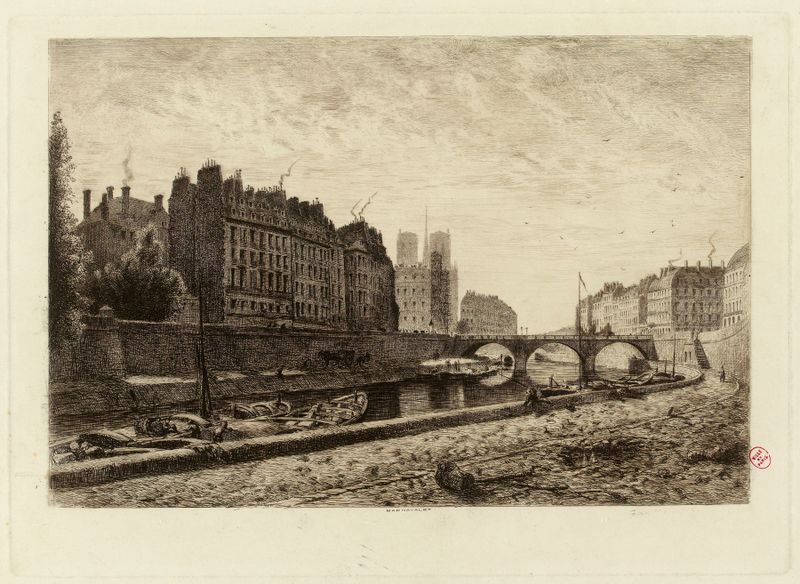
Pont St-Michel
Alfred Alexandre Delauney

Ancienne poterne du Palais de Justice, quai des Orfèvres
Alfred Alexandre Delauney
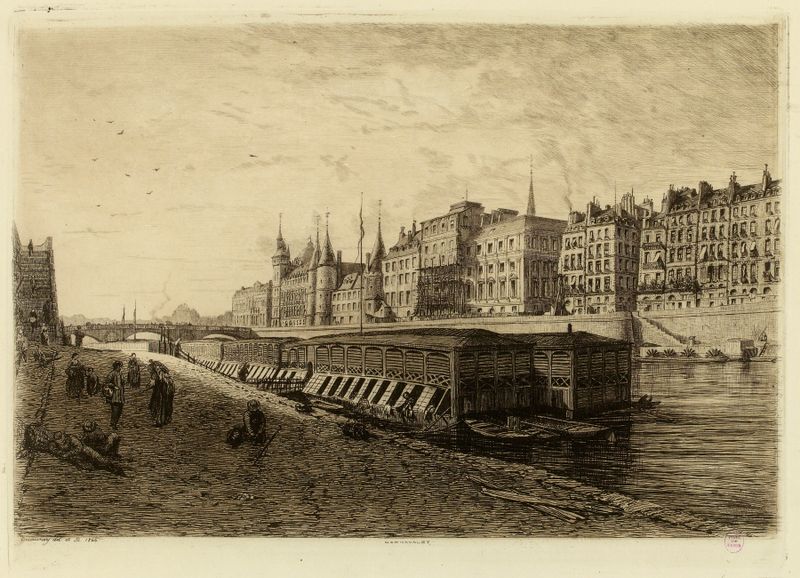
Quai de l’Horloge
Alfred Alexandre Delauney
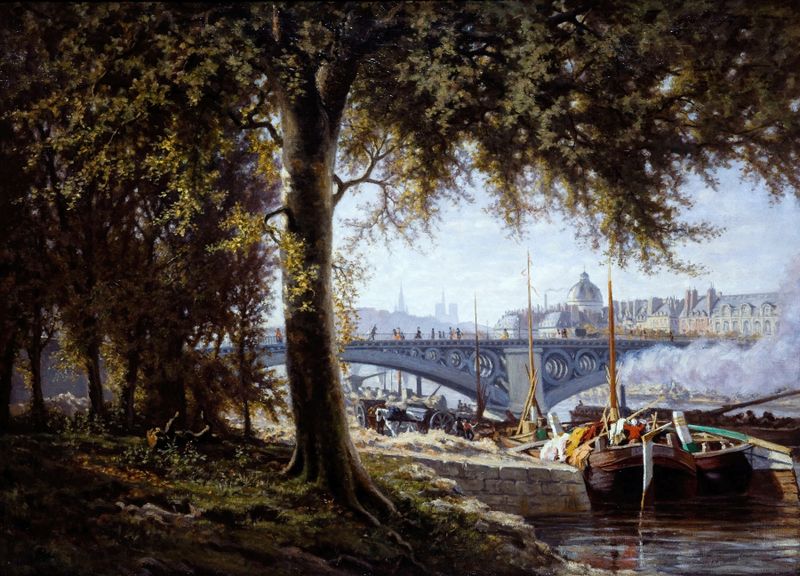
Le Pont des Saints-Pères
Alfred Alexandre Delauney

Pont-Neuf et quai Conti
Alfred Alexandre Delauney
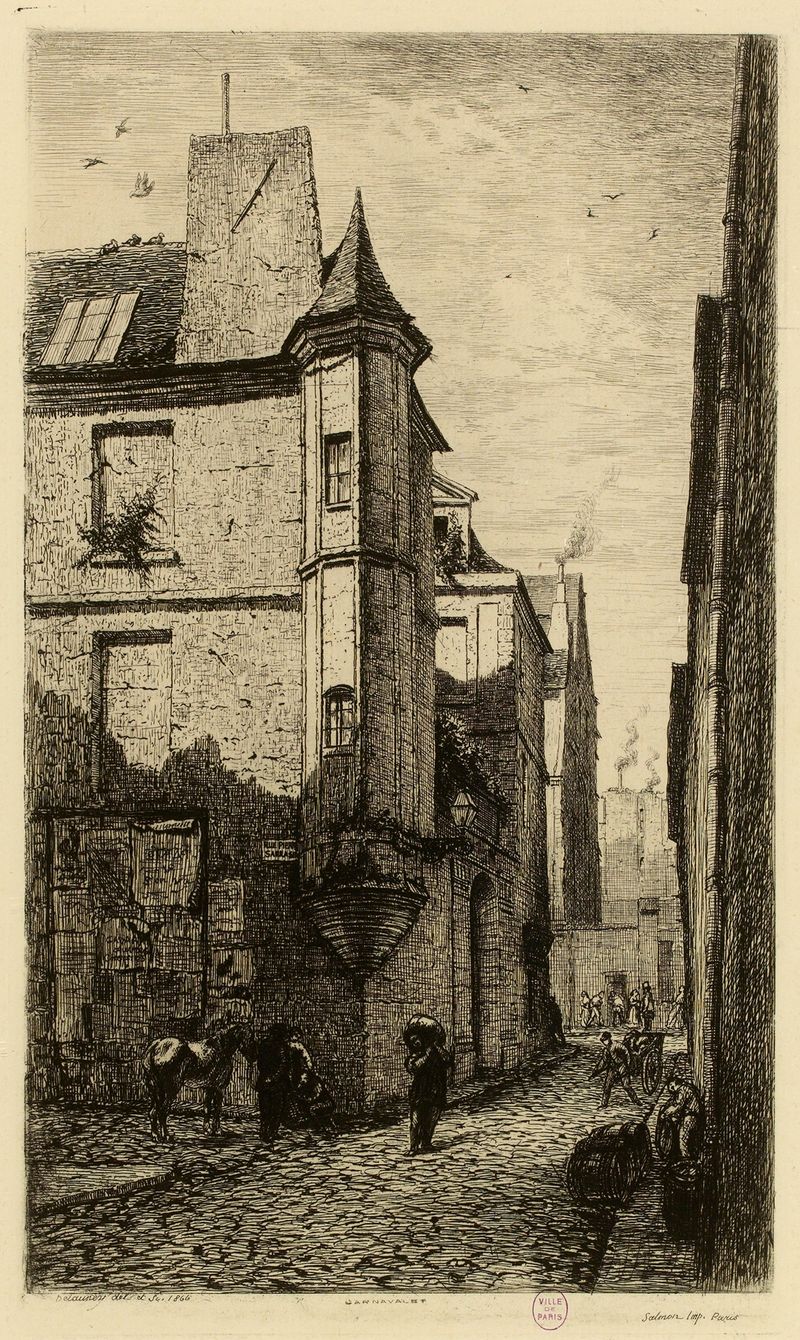
Tourelle rue Hautefeuille
Alfred Alexandre Delauney
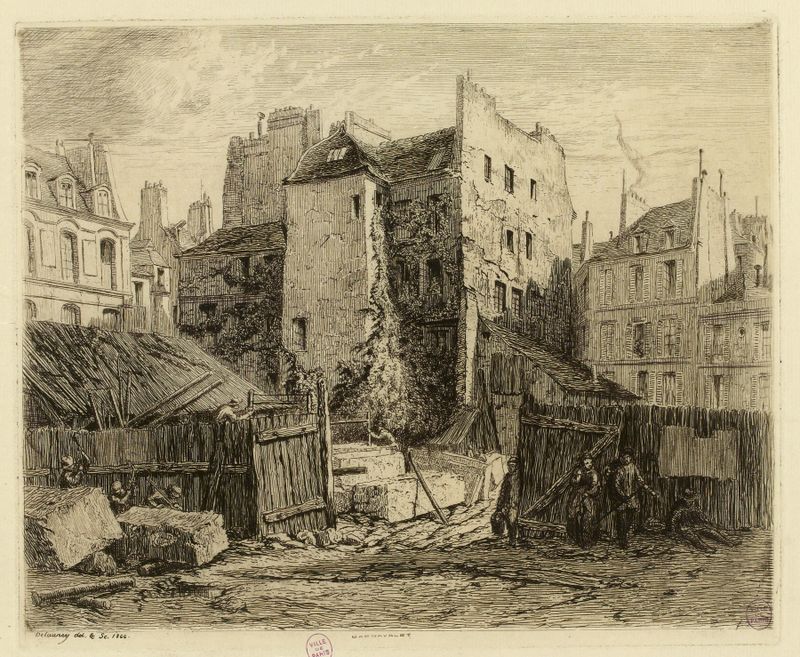
Maisons rue du Cloître Notre-Dame
Alfred Alexandre Delauney
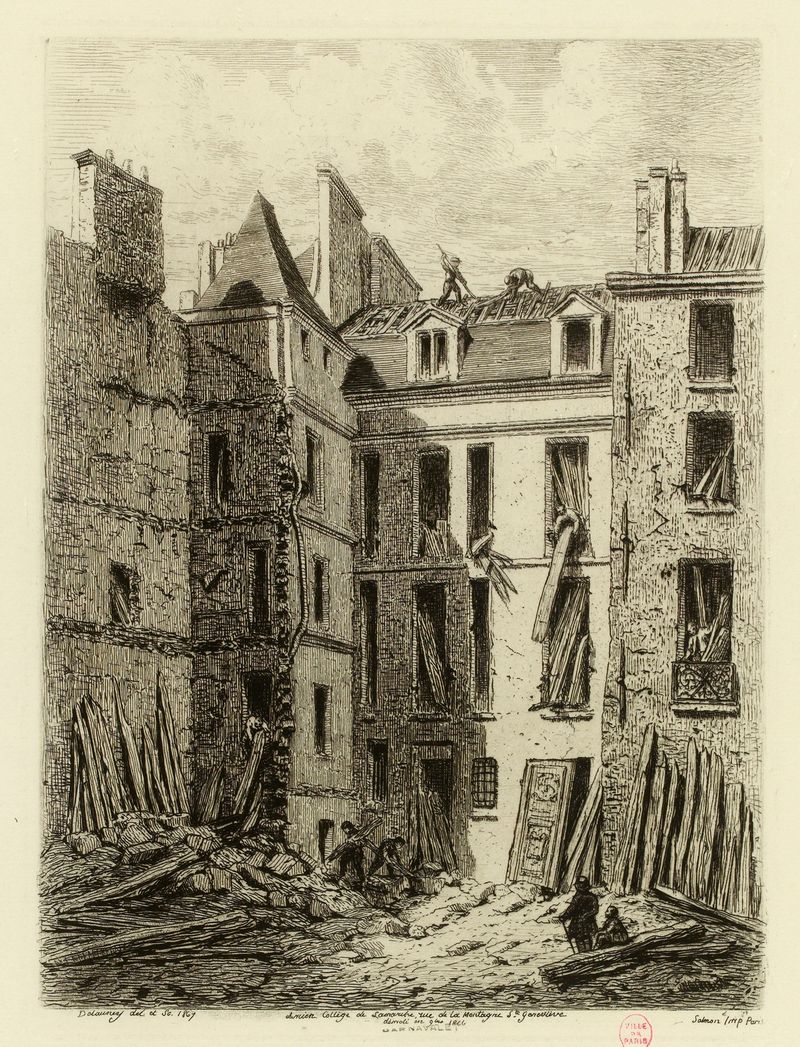
Ancien collège de Lamarche rue de la Montagne Ste-Geneviève, démoli en octobre 1866
Alfred Alexandre Delauney

Rue Grenier sur l’eau à Paris
Alfred Alexandre Delauney
More Architecture Art
Browse all →
The statue of Liberty
Frédéric Auguste Bartholdi

View of Houses in Delft, Known as ‘The Little Street’
Johannes Vermeer

View of Houses in Delft, Known as ‘The Little Street’
Johannes Vermeer

The Cathedral in Rouen. The portal, Grey Weather
Claude Monet

The yellow house
Vincent van Gogh

The Church in Auvers-sur-Oise, View from the Chevet
Vincent van Gogh