
Pastorale Gebirgslandschaft — History & Facts
Can paint confess what words never could? In Pastorale Gebirgslandschaft, the essence of nature’s majesty pulses on the canvas, whispering secrets of an untold legacy. Look to the foreground where rolling hills, draped in lush greenery, cradle a tranquil valley. The soft strokes evoke a sense of fluidity, drawing your gaze toward the mountain peaks that loom in the background, their rugged edges softened by the mist. Notice how the artist employs a harmonious palette of greens and blues, with warm touches of sunlight filtering through clouds, creating a dialogue between shadow and light.
This careful composition invites contemplation, as the viewer finds themselves immersed in the serene landscape. Yet, beneath this tranquil surface lies a tapestry of contrasts. The gentle curves of the hills juxtapose the jagged mountains, symbolizing the balance between harmony and turmoil in nature. Delicate details, like the fluttering leaves or a distant stream, hint at life’s quiet persistence amid the grandiosity of the surroundings.
You sense an emotional depth, where the beauty of the scene speaks to the transience of time, and the weight of both history and legacy hangs in the air. Gustav Barbarini created Pastorale Gebirgslandschaft during a period when Romanticism in art was gaining momentum, capturing the sublime beauty of nature and human emotion. He worked in a time marked by political upheaval and a growing appreciation for individual expression, reflecting a shift in focus towards personal experience and landscape. This piece embodies that spirit, serving as both a celebration of nature and a contemplative reflection on humanity’s place within it.
More Artworks by Gustav Barbarini
Browse all →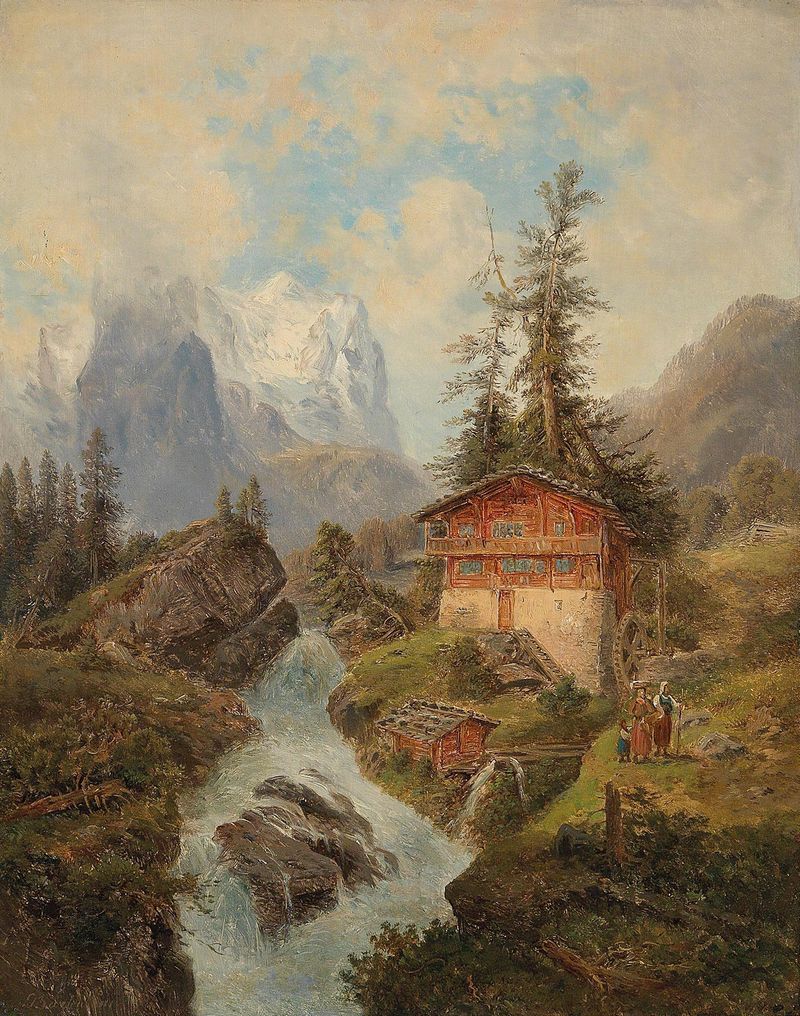
Das Wetterhorn
Gustav Barbarini
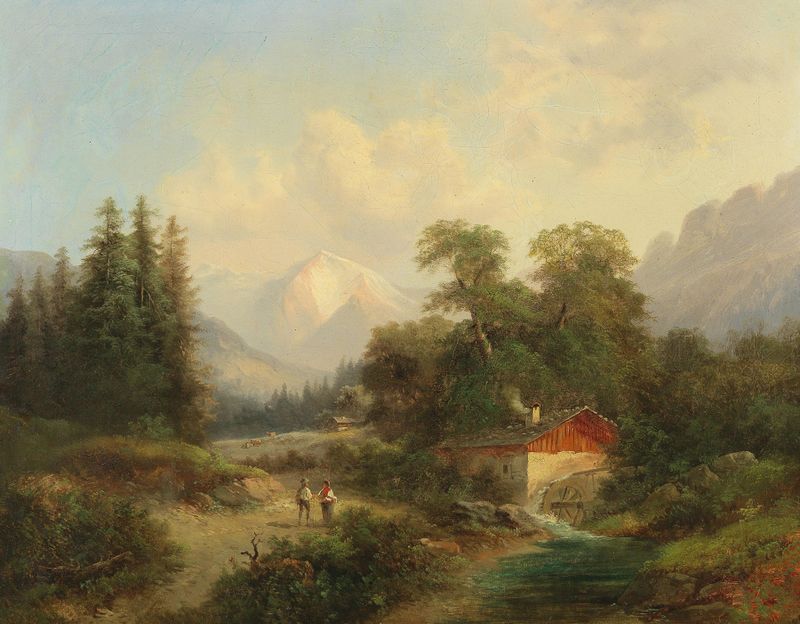
View of the Breite Riss, Puchberg in the Schneeberg Region
Gustav Barbarini
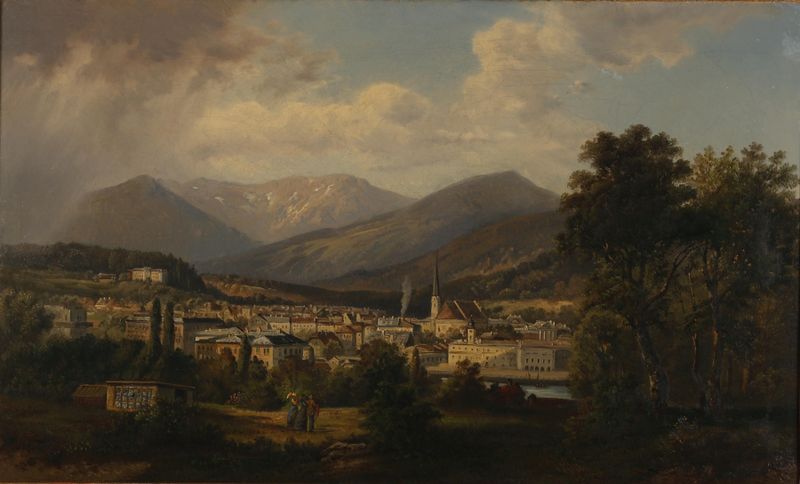
Blick auf Bad Ischl
Gustav Barbarini
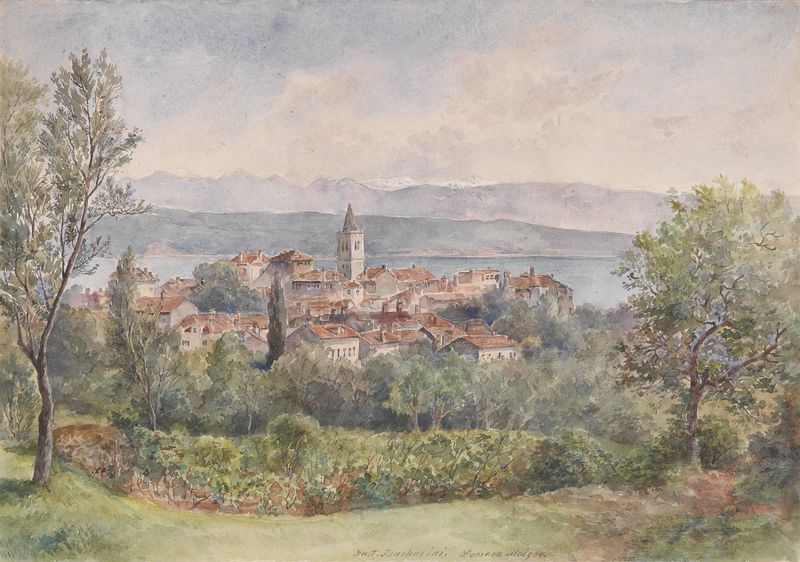
Blick auf Lovran
Gustav Barbarini
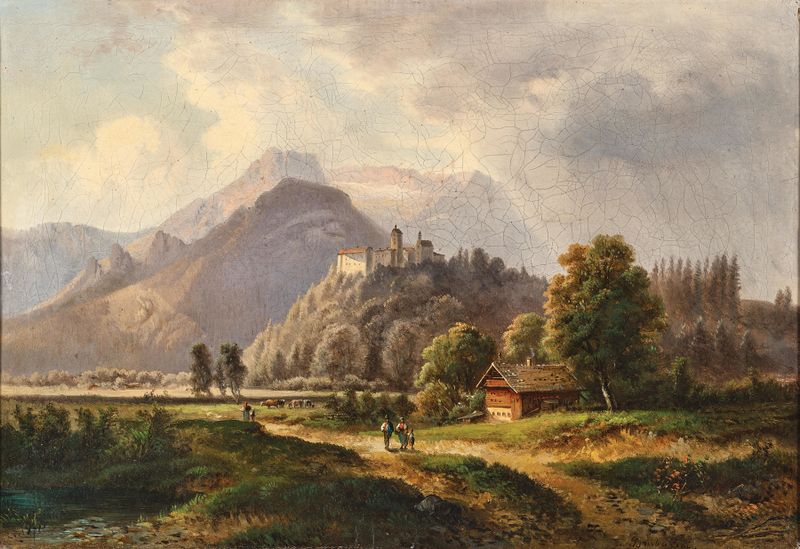
A View of the Glanegg Castle Ruins
Gustav Barbarini
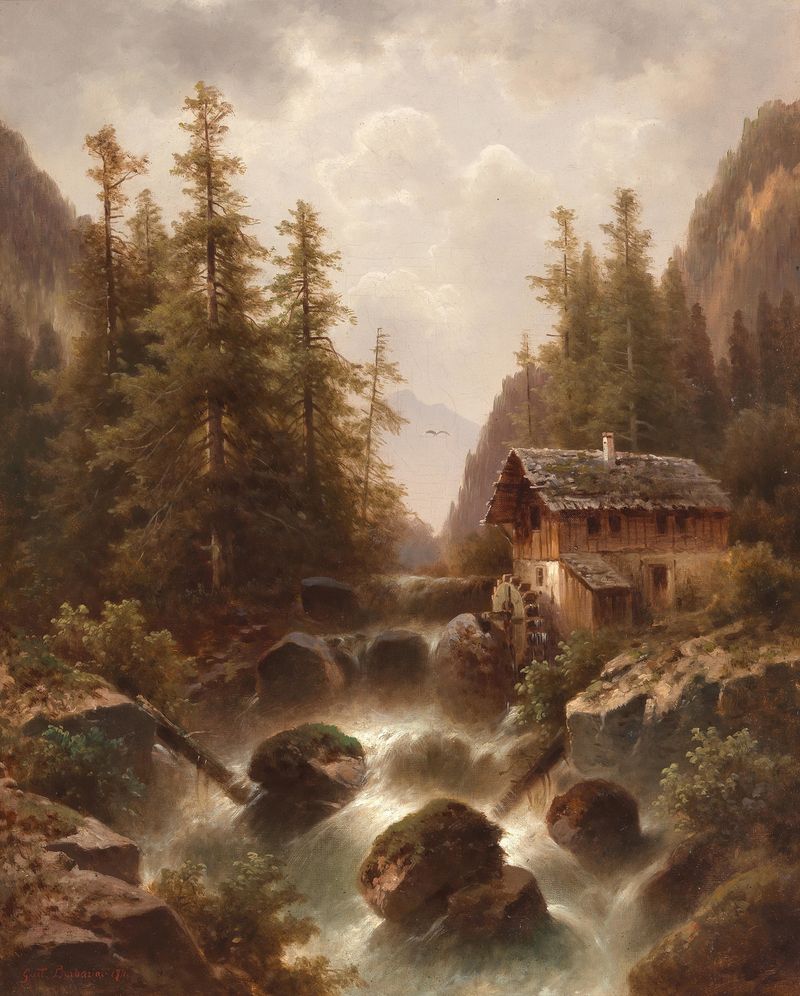
A Mill by a Mountain Torrent
Gustav Barbarini
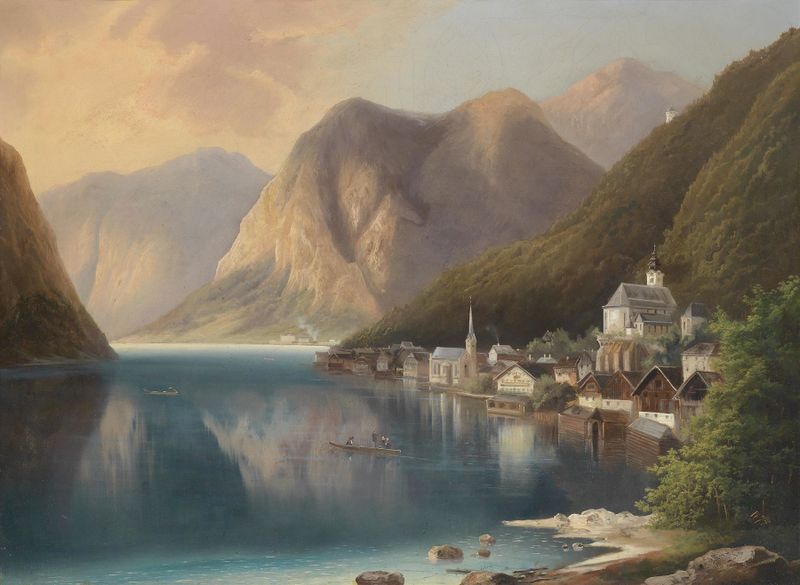
Blick auf Hallstatt
Gustav Barbarini
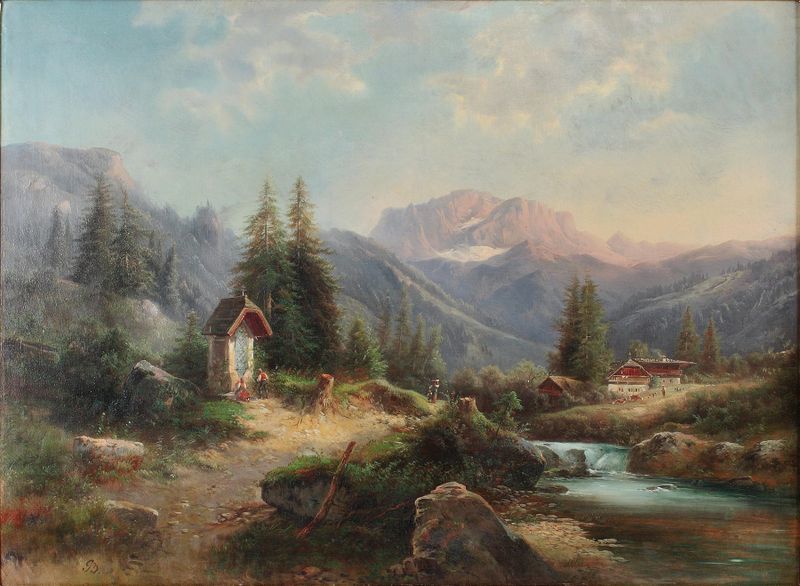
Bachlandschaft mit Figurenstaffage
Gustav Barbarini
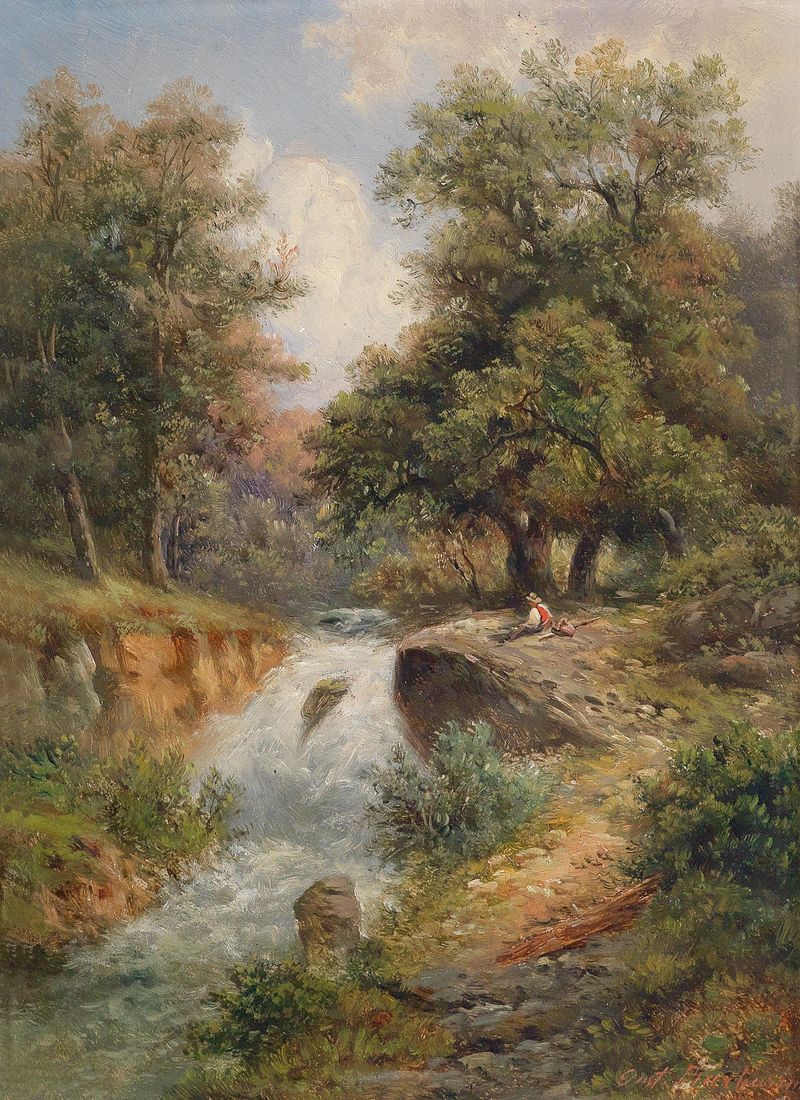
Wasserfall in Tirol in Windisch-Matrei
Gustav Barbarini
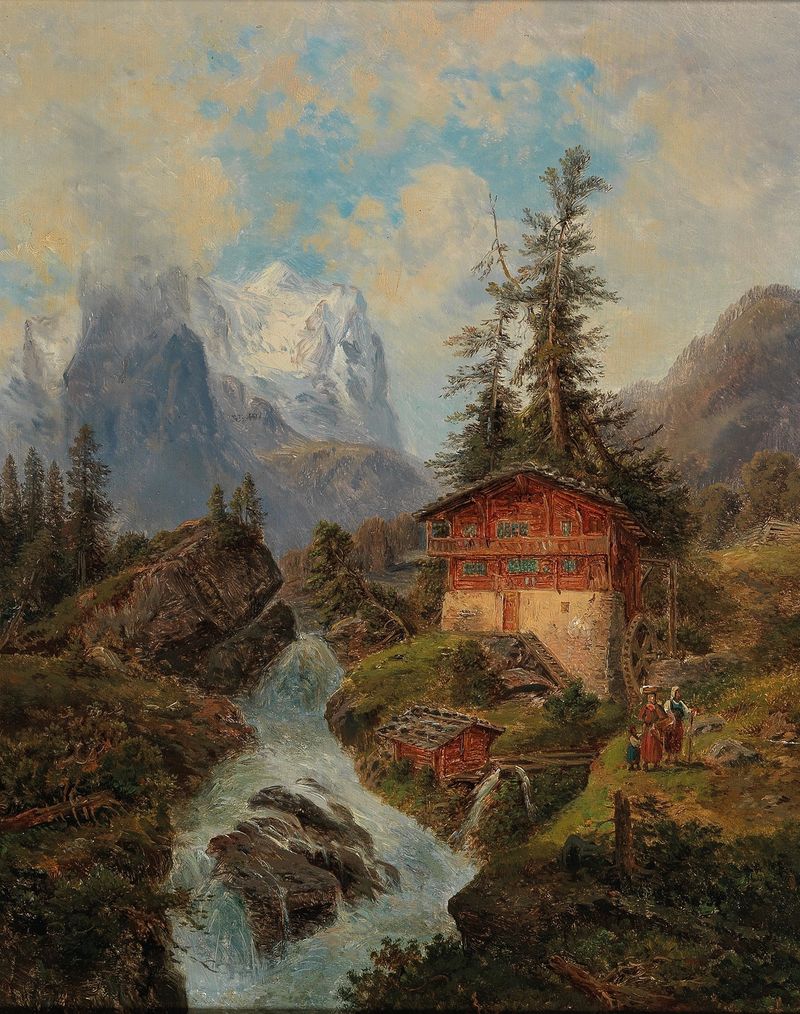
Das Wetterhorn in der Schweiz
Gustav Barbarini





