
Pavillon de Flore, Tuileries — History & Facts
What if beauty was never meant to be finished? In the soft embrace of the Tuileries, the dreams of a vibrant garden unfold under the watchful gaze of the Pavillon de Flore. Look at the lush greenery that sprawls across the canvas, leading your eye towards the elegant architecture nestled within. Notice how the dappled light dances on the flowers, painting them in hues of violet and gold, evoking a sense of warmth and tranquility. The meticulous detailing of the pavilion's façade contrasts beautifully with the surrounding chaos of nature, suggesting a symbiosis between man-made beauty and the wild, free spirit of the gardens. Within this serene composition lies a deeper tension: the interplay between order and chaos.
The structured lines of the pavilion stand firm against the lush organic forms that encroach upon it, a reminder of nature's relentless pursuit of freedom. The vibrant splashes of color found in the blossoms invite contemplation, echoing the fleeting nature of beauty itself, as if the scene is a dream caught in a moment too brief to last. In 1839, Shotter Boys created this enchanting work while residing in London, capturing a moment of tranquility before the industrial revolution transformed the landscape of art and society. This period marked a time of exploration and appreciation for natural beauty, reflecting a collective yearning for peace amidst the growing chaos of modern life.
The choice to depict such a timeless scene underscores his desire to evoke feelings of nostalgia and reverence for nature, reminding us that beauty exists in both permanence and impermanence.
More Artworks by Thomas Shotter Boys
Browse all →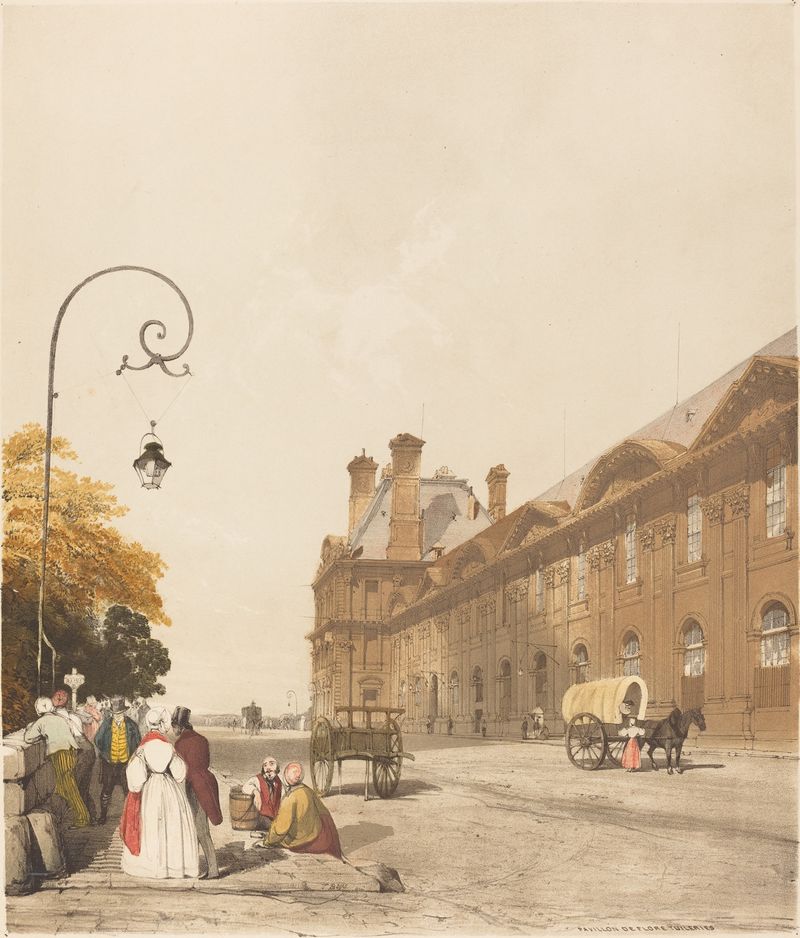
Pavillon de Flore, Tuileries
Thomas Shotter Boys
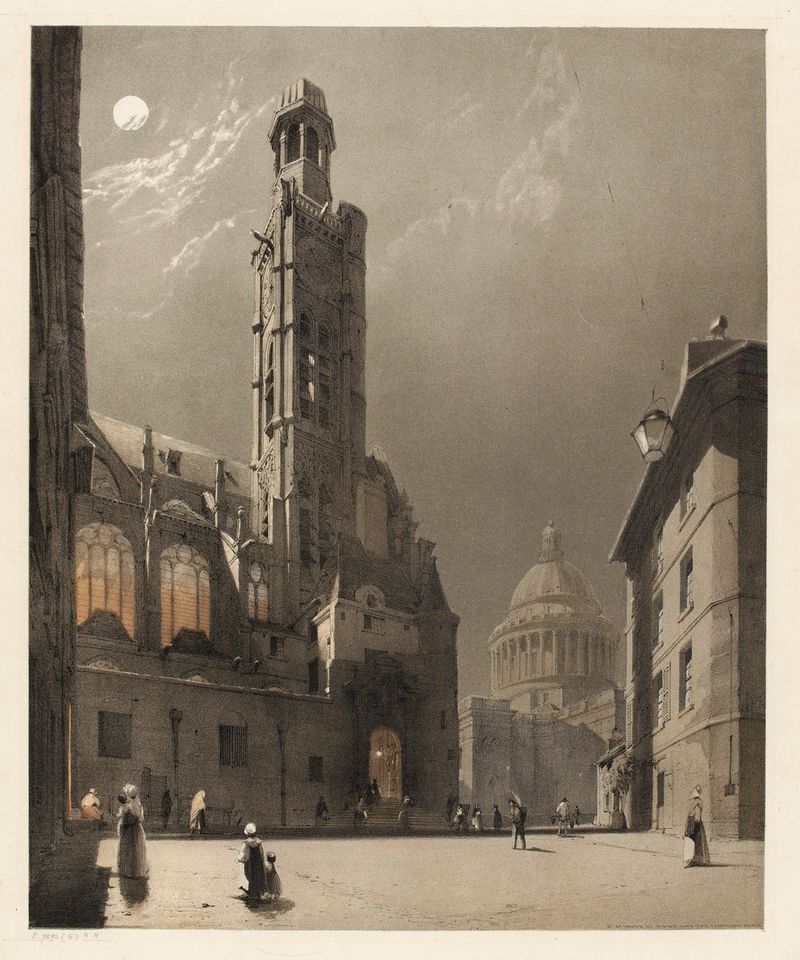
St Etienne du Mont and the Panthéon, Paris
Thomas Shotter Boys
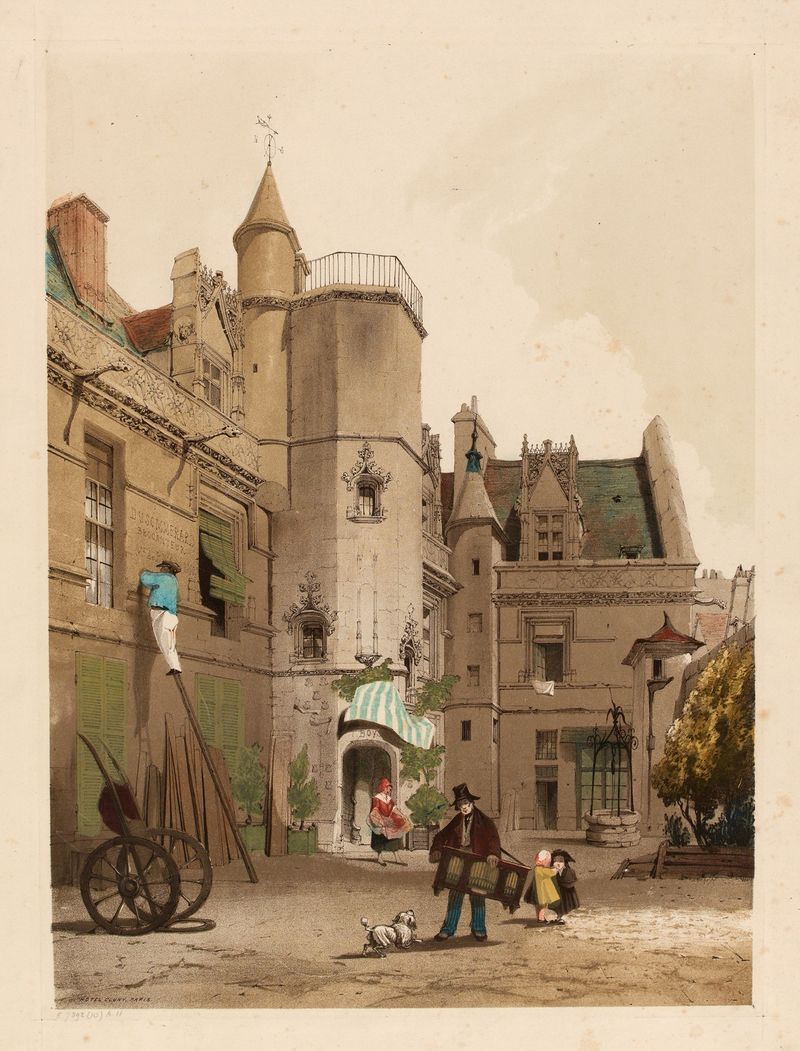
Hôtel Cluny, Paris.
Thomas Shotter Boys
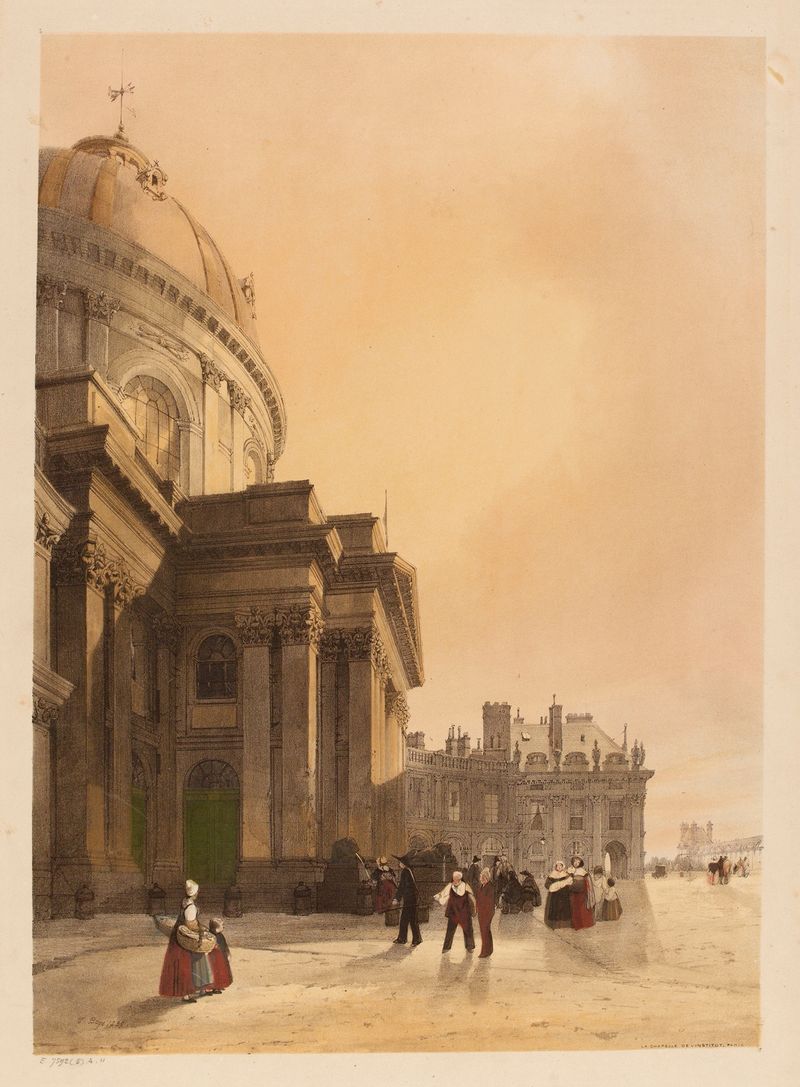
La chapelle de l’Institut, Paris
Thomas Shotter Boys
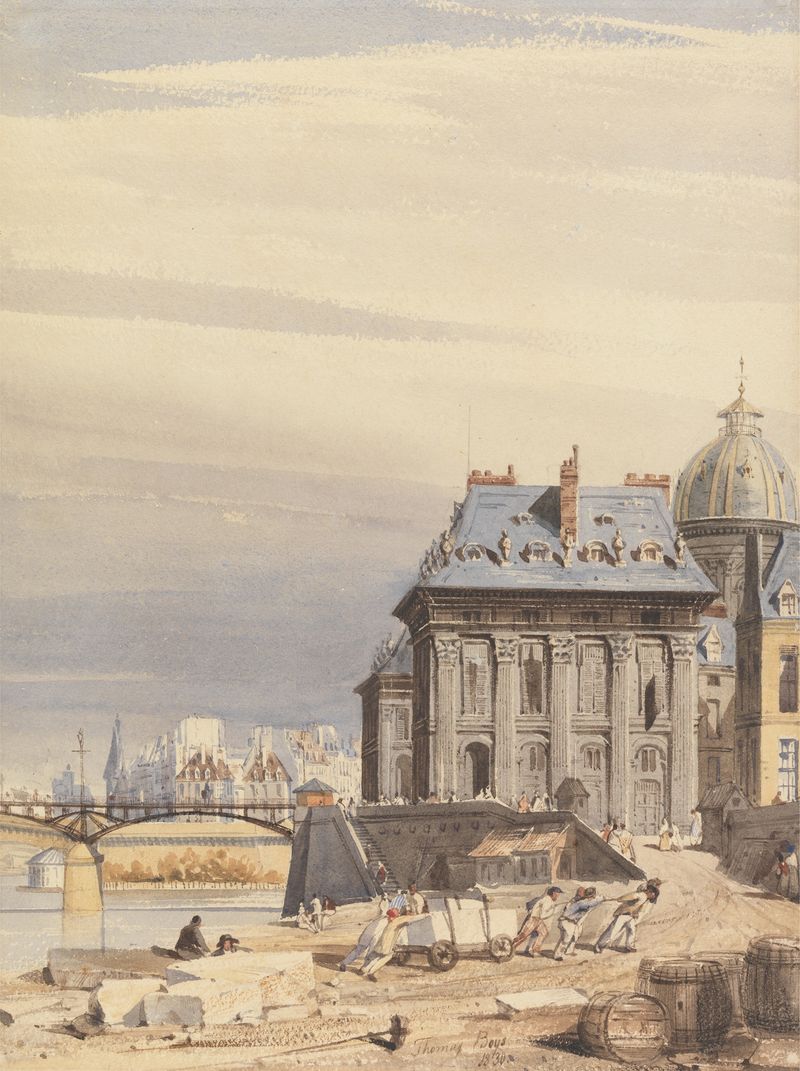
L’Institut de France, Paris
Thomas Shotter Boys
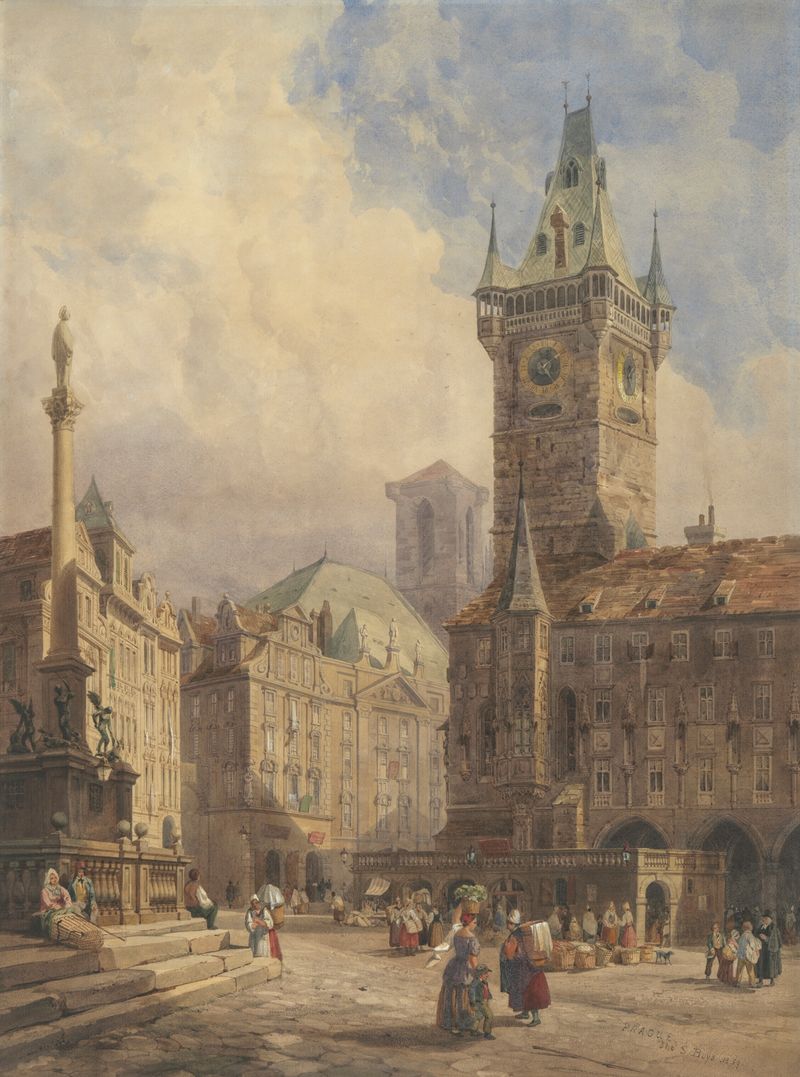
Rathaus from Old Town Square, Prague
Thomas Shotter Boys
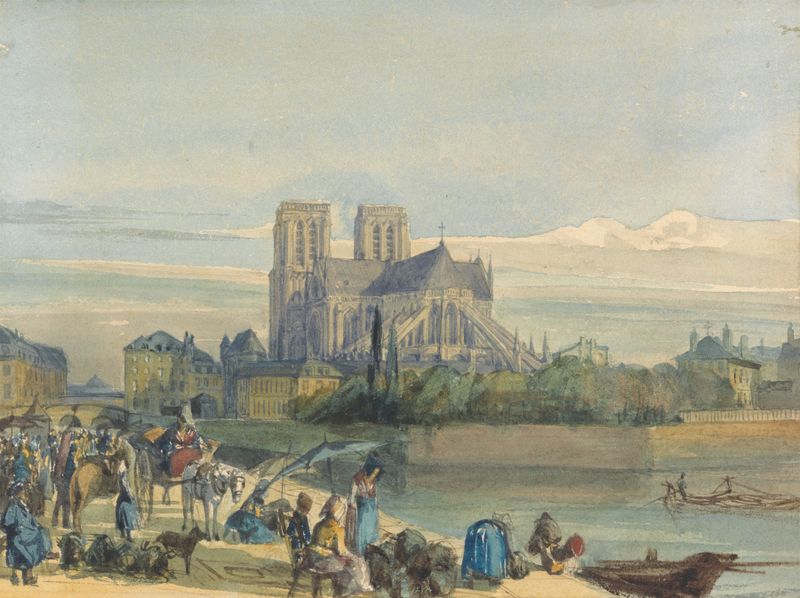
Notre Dame, Paris
Thomas Shotter Boys
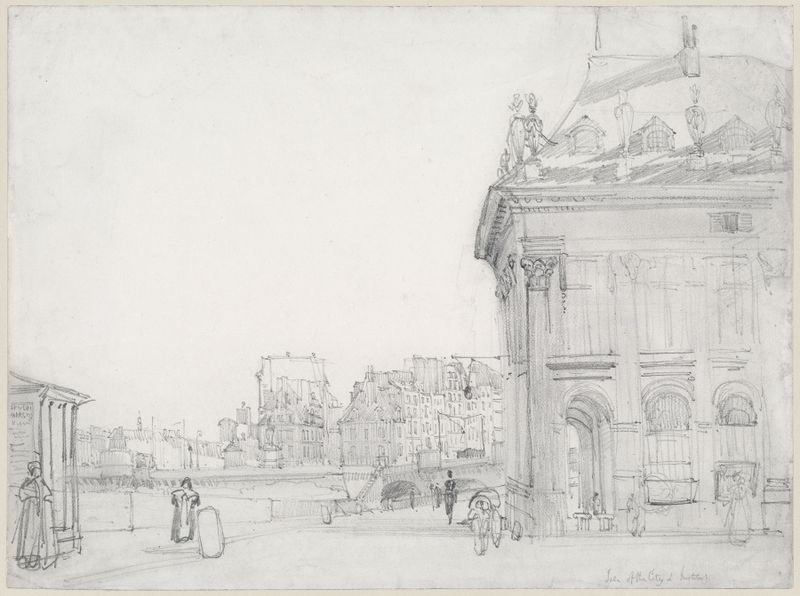
Ile de la Cité from the Institut, Paris
Thomas Shotter Boys
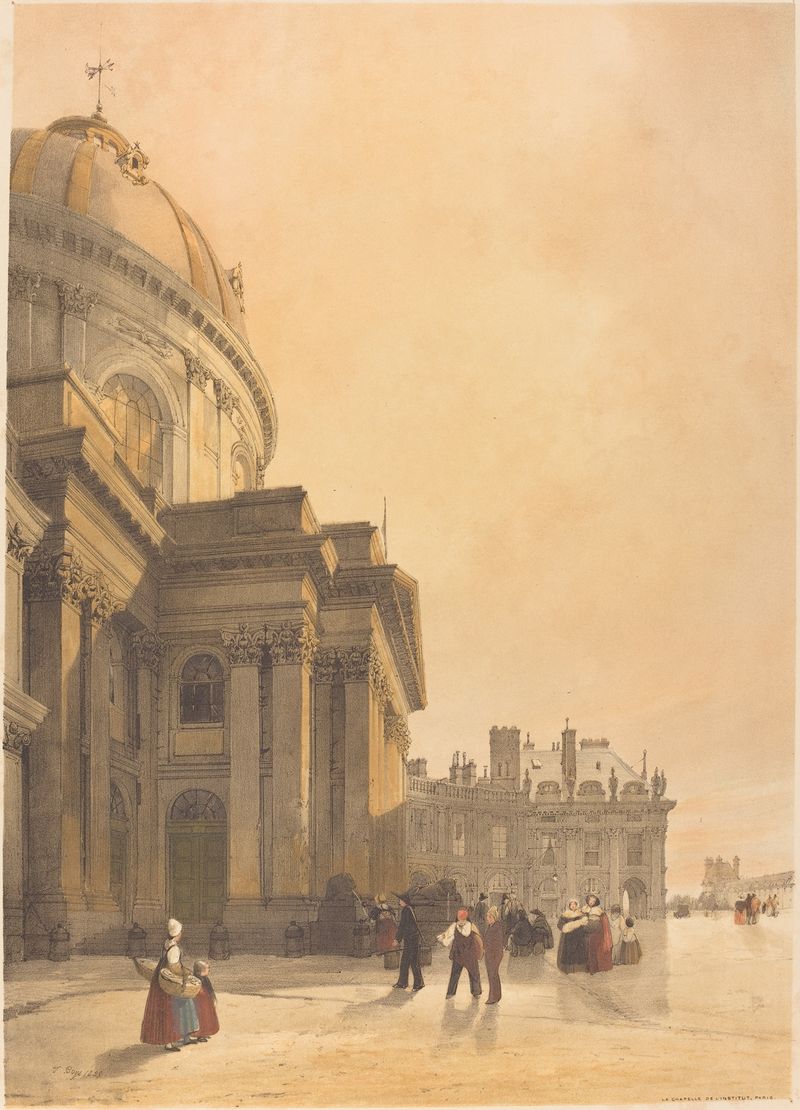
La Chapelle de l’Institut, Paris
Thomas Shotter Boys
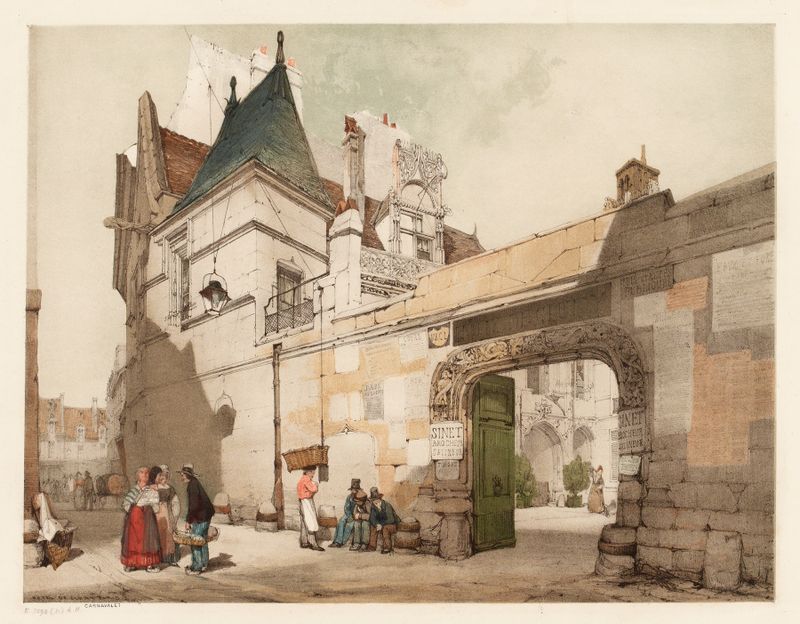
Hôtel de Cluny, Paris
Thomas Shotter Boys





