
Paysage — History & Facts
In the quiet of decay, beauty emerges, reminding us of the fragile nature of existence. Look to the left at the intricate interplay of greens and browns, where the underbrush whispers stories of the past. The brushstrokes are soft yet assertive, creating a textured landscape that invites you to wander through its depths. Notice how light filters through the trees, illuminating patches of earth while casting shadows that hint at secrets long buried.
The palette, dominated by muted tones, evokes a sense of nostalgia, as if the scene itself is both alive and on the brink of fading away. Hidden within the apparent stillness of this landscape are contrasts that speak profoundly. The vitality of the foliage suggests life, while the creeping decay hints at inevitable decline. This duality invites contemplation on the passage of time, as vibrant greens battle against the encroaching browns of deterioration.
Small wildflowers, bright against the somber backdrop, symbolize resilience amidst decay, an interplay that stirs an emotional response. Albert Lebourg created this work during a period when impressionism was evolving, leaning towards post-impressionism and a greater focus on light and atmosphere. Painted in the late 19th to early 20th century, he found himself amidst an artistic community grappling with modernity and the changing landscapes of France. During this time, Lebourg sought to capture not only the beauty of nature but also its transient essence, reflecting a world in constant flux.
More Artworks by Albert Lebourg
Browse all →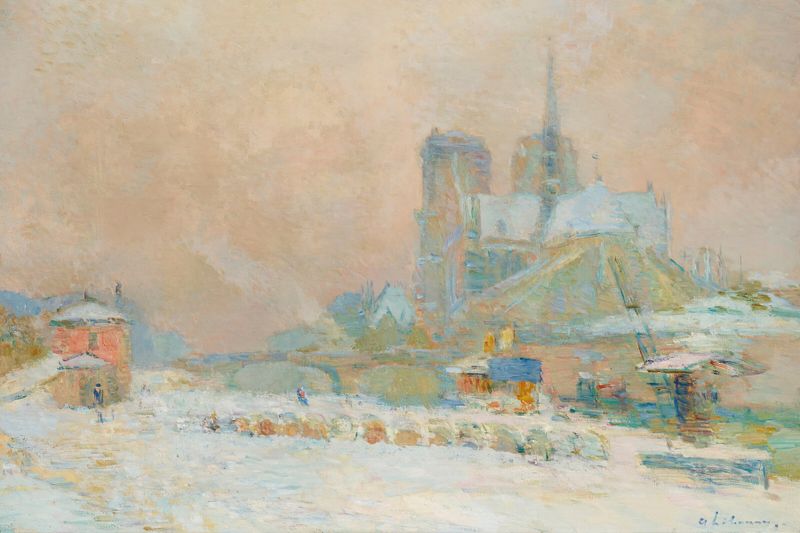
Notre Dame de Paris, vue du Quai de la Tournelle, effet de neige
Albert Lebourg
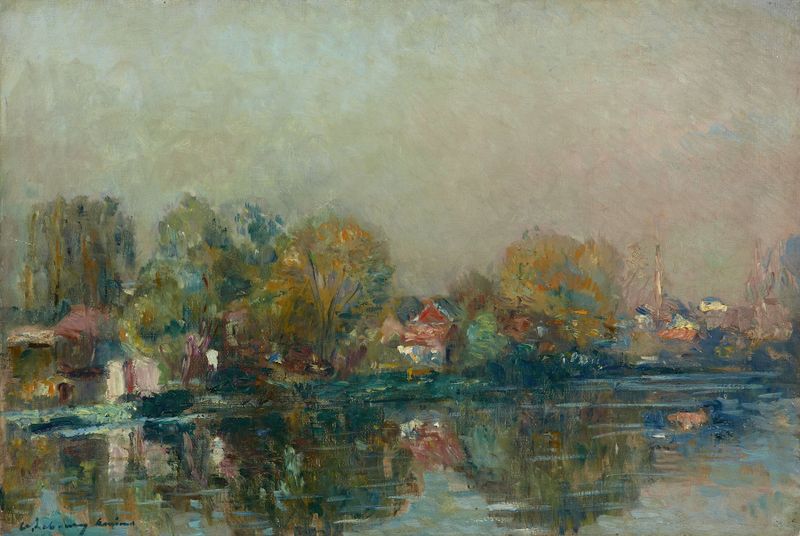
Amiens, bords de rivière
Albert Lebourg
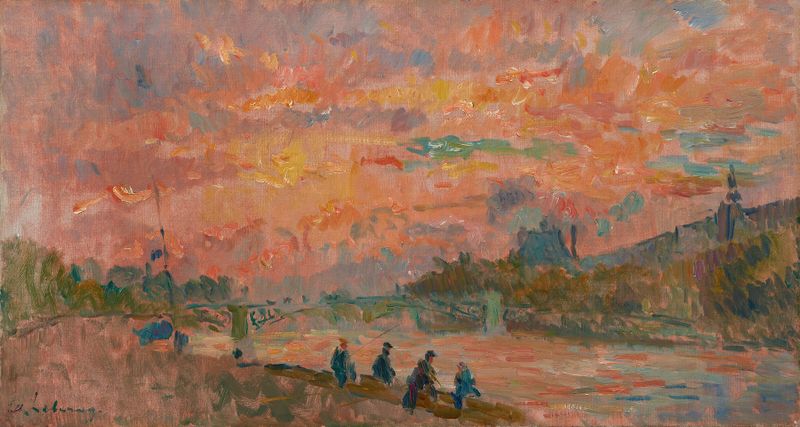
Coucher de soleil sur la Seine, à Paris
Albert Lebourg
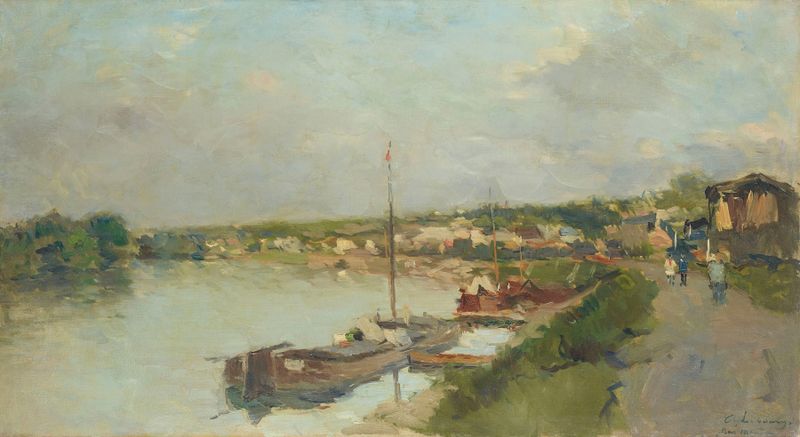
La Seine au Bas-Meudon
Albert Lebourg
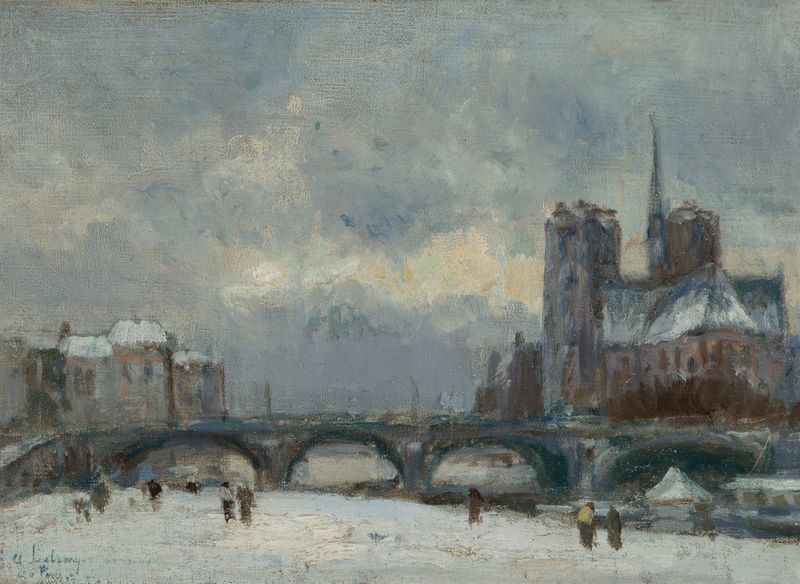
Paris, Notre-Dame, neige
Albert Lebourg
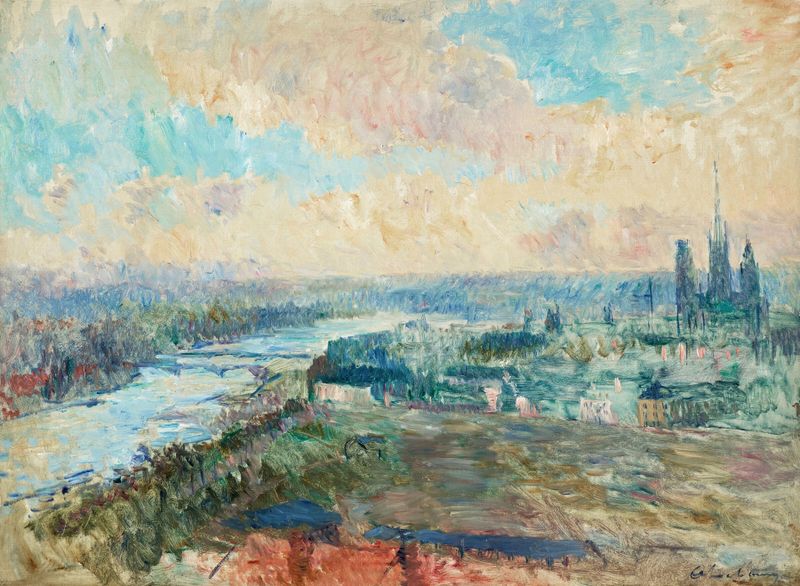
La Seine à Rouen
Albert Lebourg
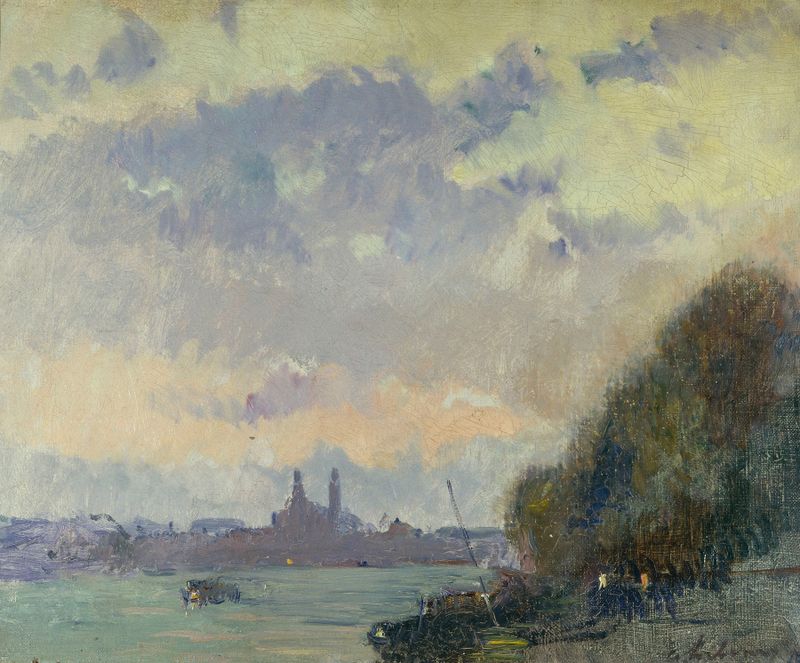
La Seine et l’ancien Trocadéro
Albert Lebourg
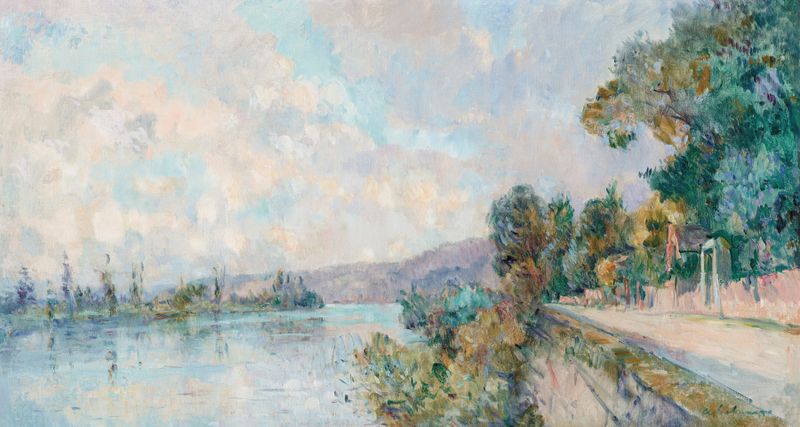
La Seine et les coteaux de Dieppedalle, vue prise de Croisset, près Rouen
Albert Lebourg
Le Pont de la Tournelle et le quai de Béthune
Albert Lebourg
Moulin En Normandie
Albert Lebourg





