Discover insights about this artwork
Paysage au bord de l’eau — History & Facts
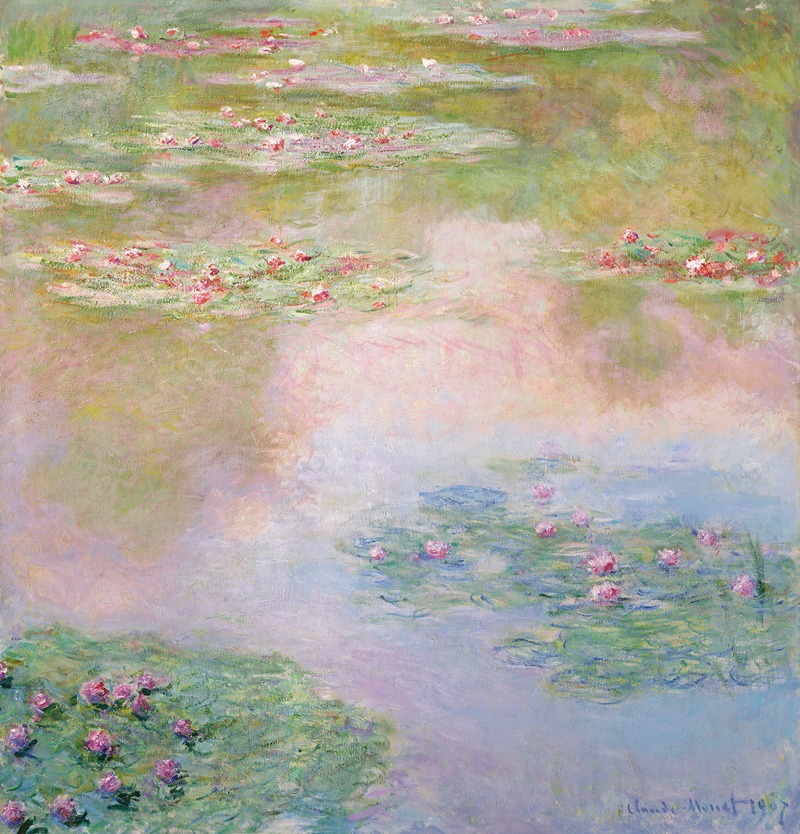
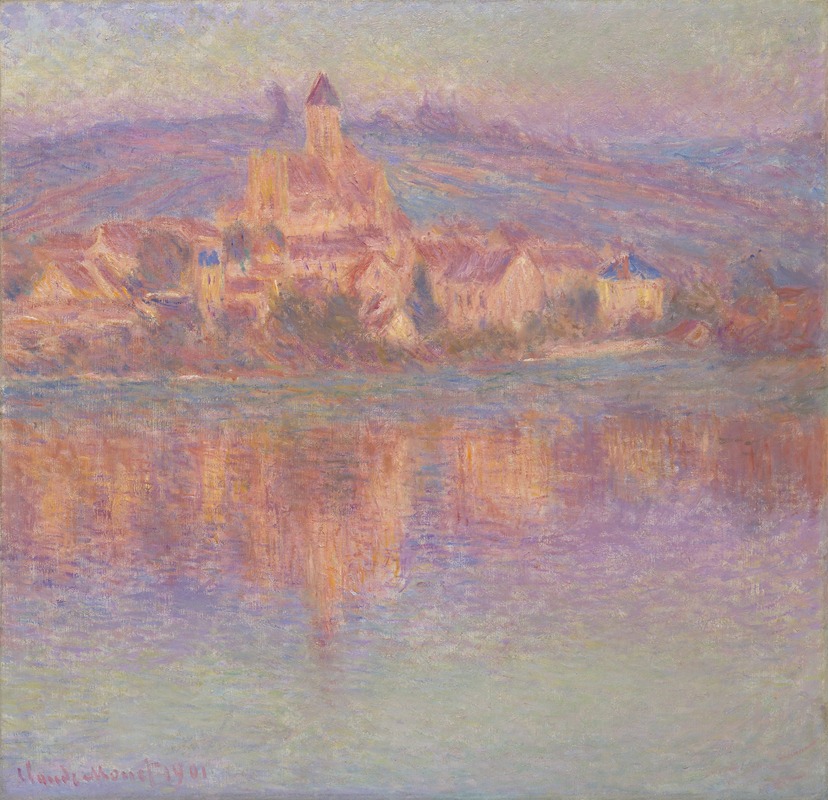
In Paysage au bord de l’eau, Paul Cézanne presents a tranquil landscape dominated by water and lush greenery. The painting features a serene body of water reflecting the surrounding trees and sky. The colors are rich and varied, with deep greens, blues, and hints of warm earth tones.
The composition invites the viewer to immerse themselves in the peaceful natural setting. This painting showcases Cézanne's characteristic brushwork, with visible strokes that create texture and depth. The use of color is both bold and subtle, emphasizing the interplay of light and shadow. The scene is rendered with a sense of structure, typical of Cézanne's approach to landscape painting.
Viewers can appreciate the balance between realism and abstraction in this work. Paul Cézanne was a pivotal figure in the transition from 19th-century Impressionism to 20th-century Modernism. Paysage au bord de l’eau reflects his innovative approach to form and color. An interesting fact about this work is that it exemplifies Cézanne's desire to capture the essence of nature rather than just its appearance.
This painting is part of the collection at the Musée d'Orsay, which houses many of his significant works.
More Artworks by Paul Cézanne
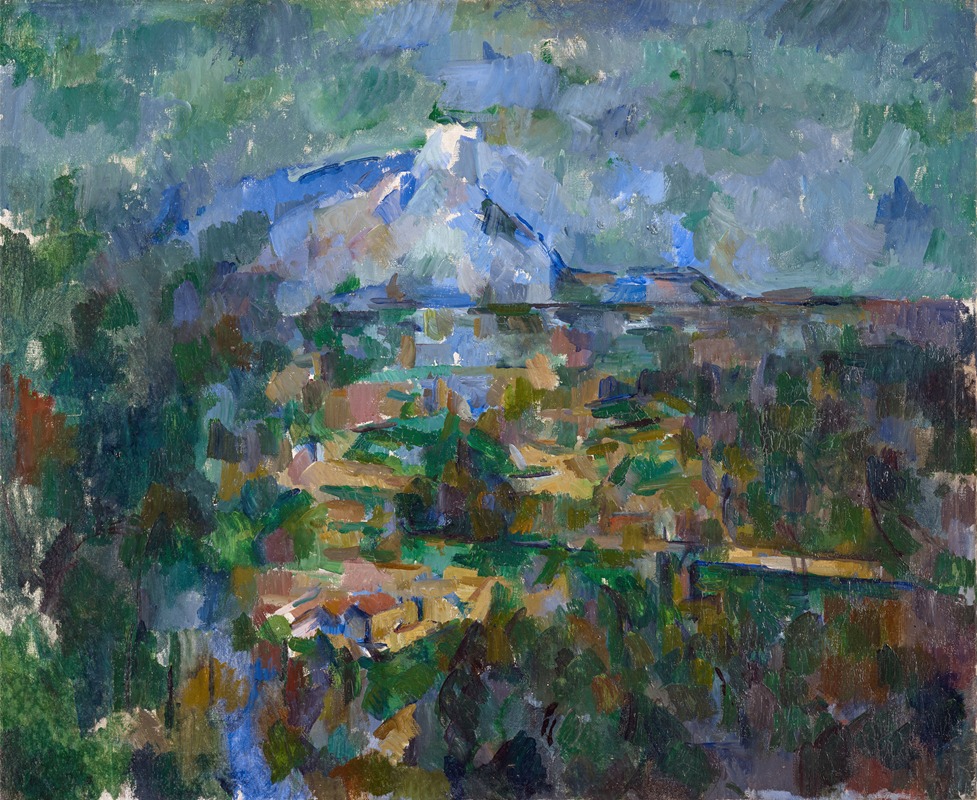
The Mont Sainte-Victoire Seen From Les Lauves
Paul Cézanne
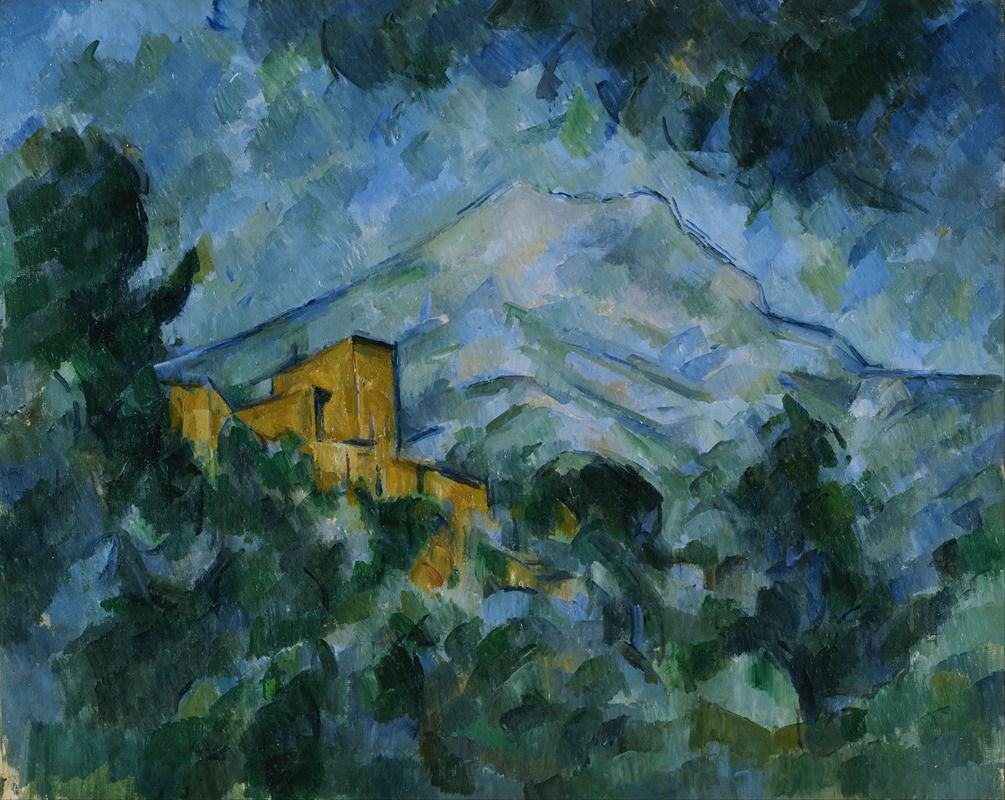
Mont Sainte-Victoire and Château Noir
Paul Cézanne
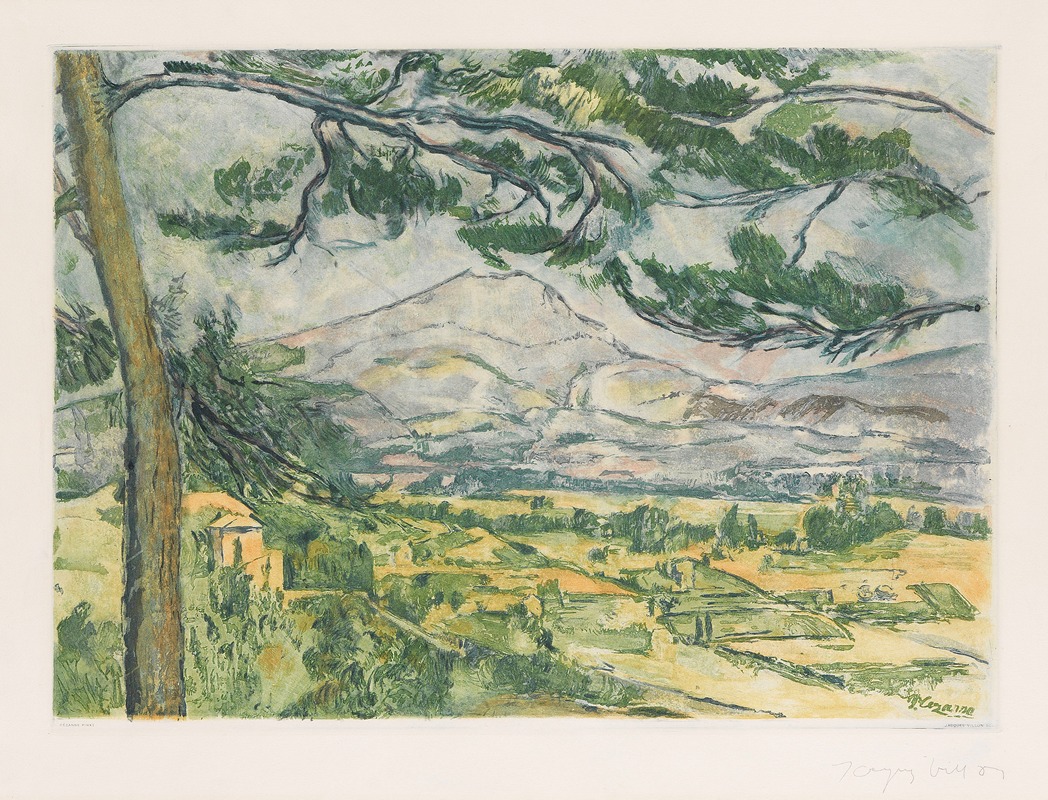
La Montagne Sainte-Victoire
Paul Cézanne
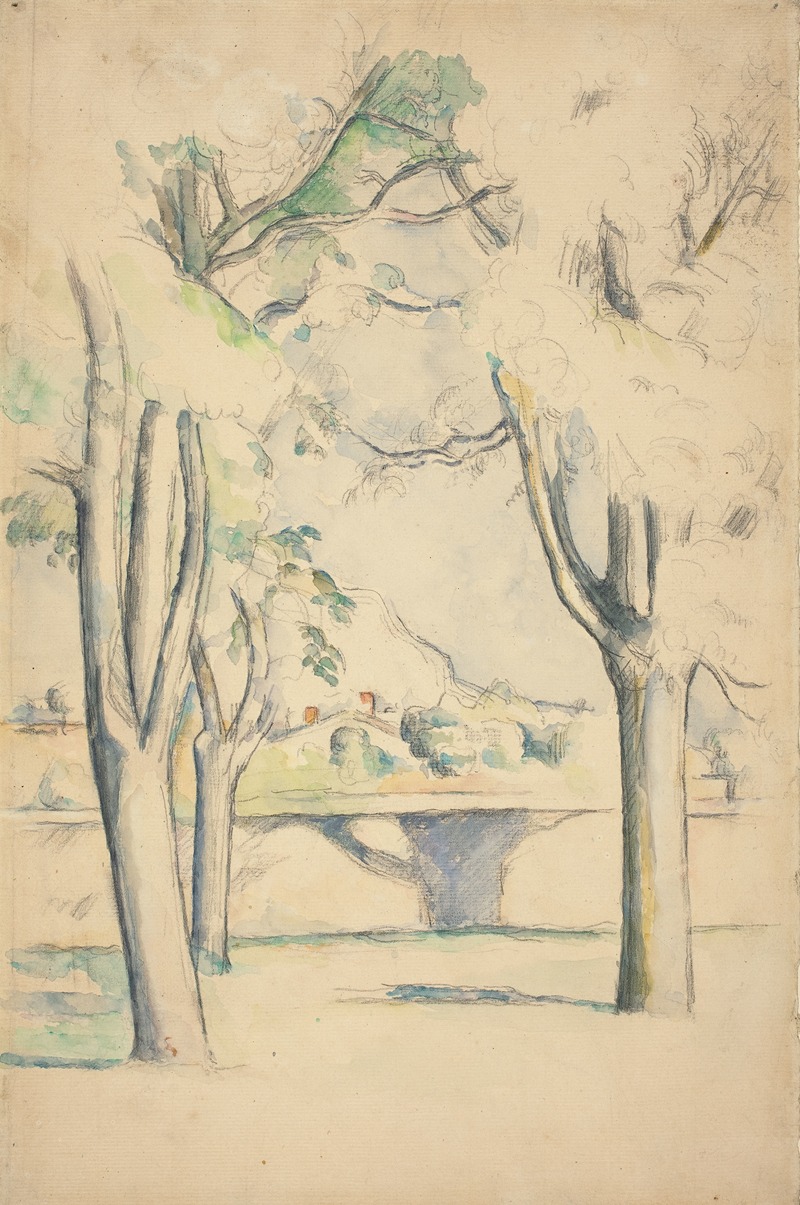
Mont Sainte-Victoire Seen beyond the Wall of the Jas de Bouffan
Paul Cézanne
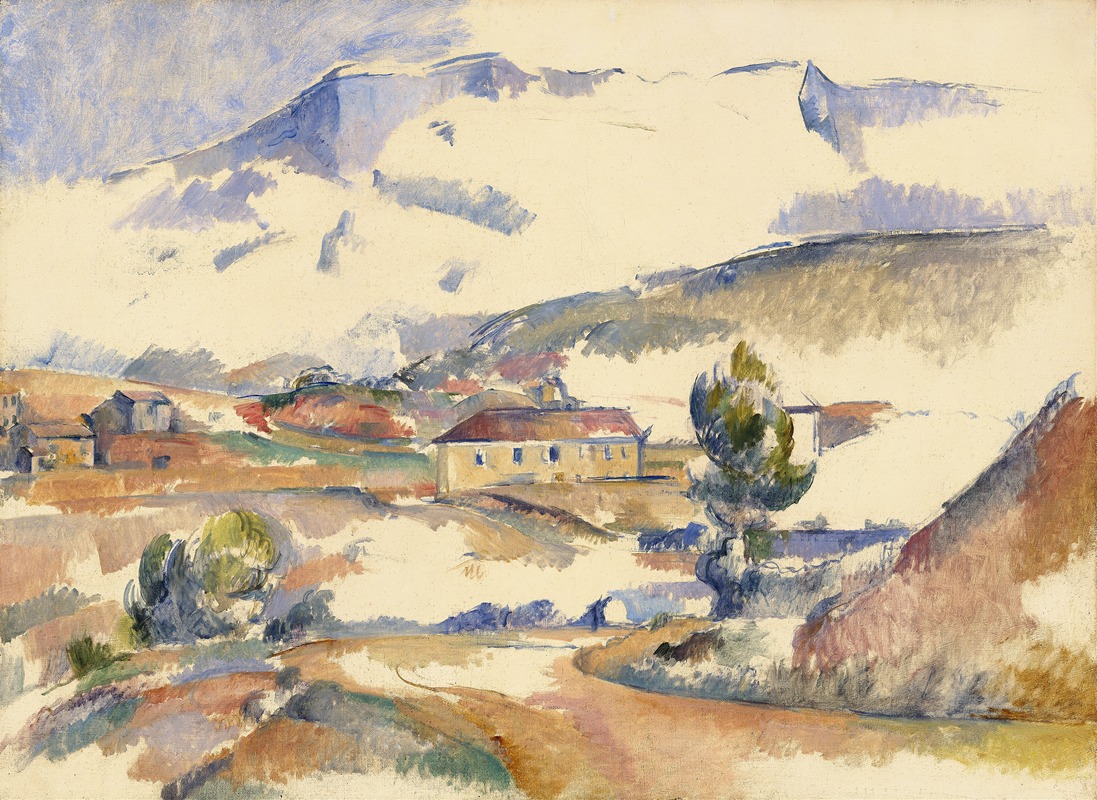
Montagne Sainte-Victoire,from near Gardanne
Paul Cézanne
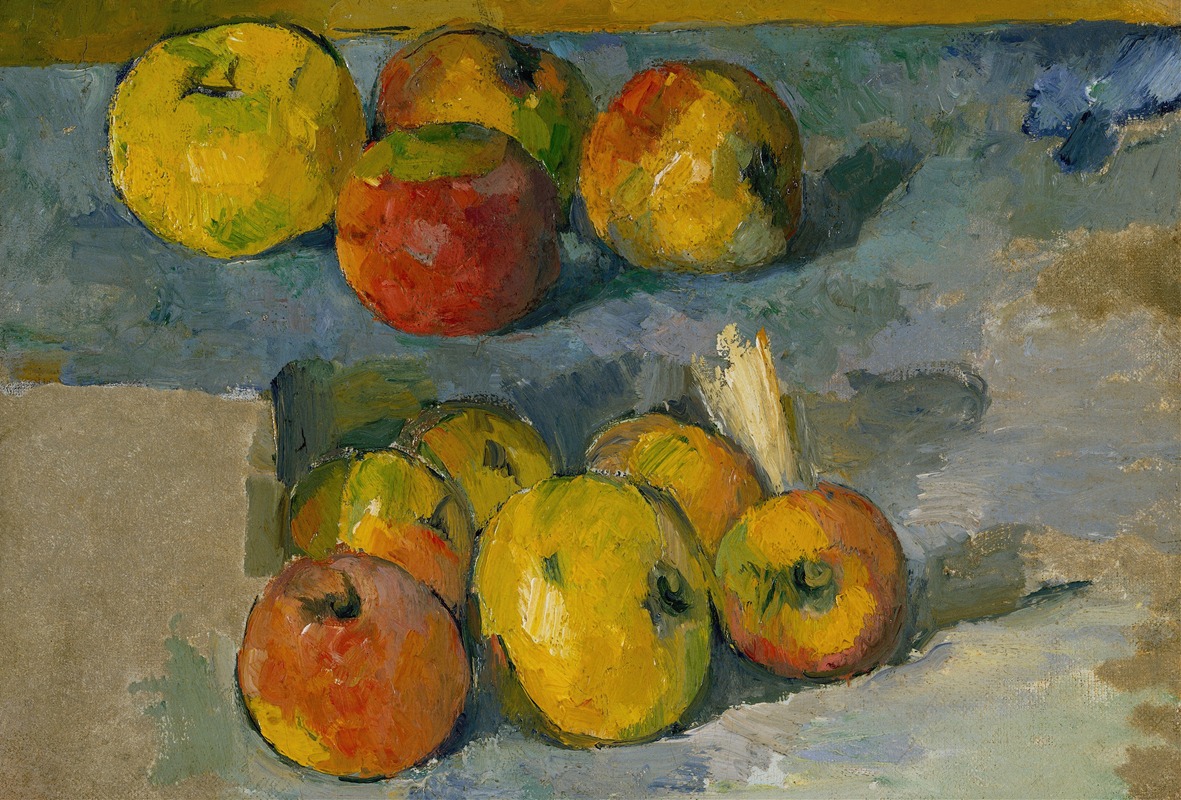
Apples
Paul Cézanne
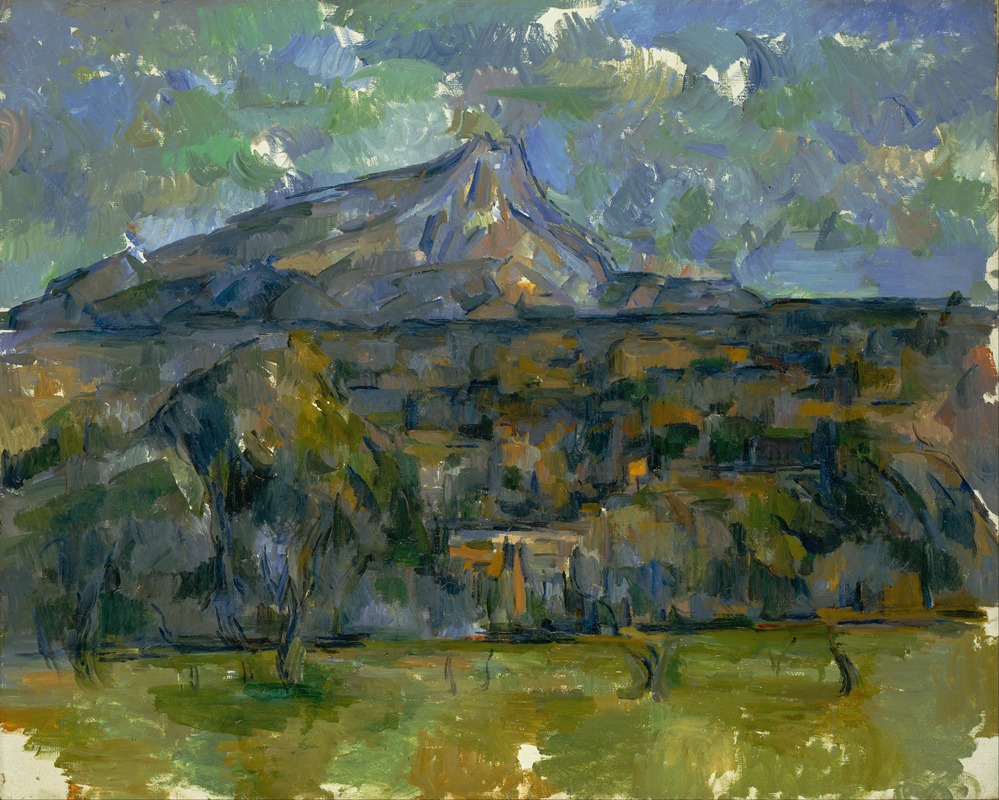
Mont Sainte-Victoire
Paul Cézanne
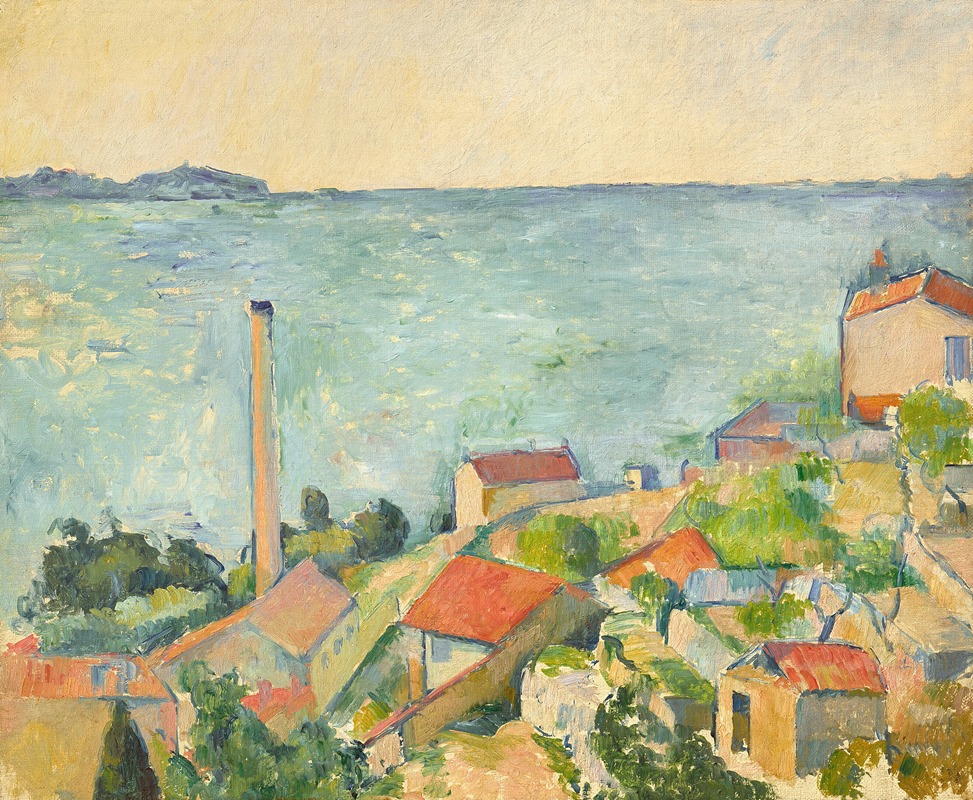
La mer à l’Estaque
Paul Cézanne
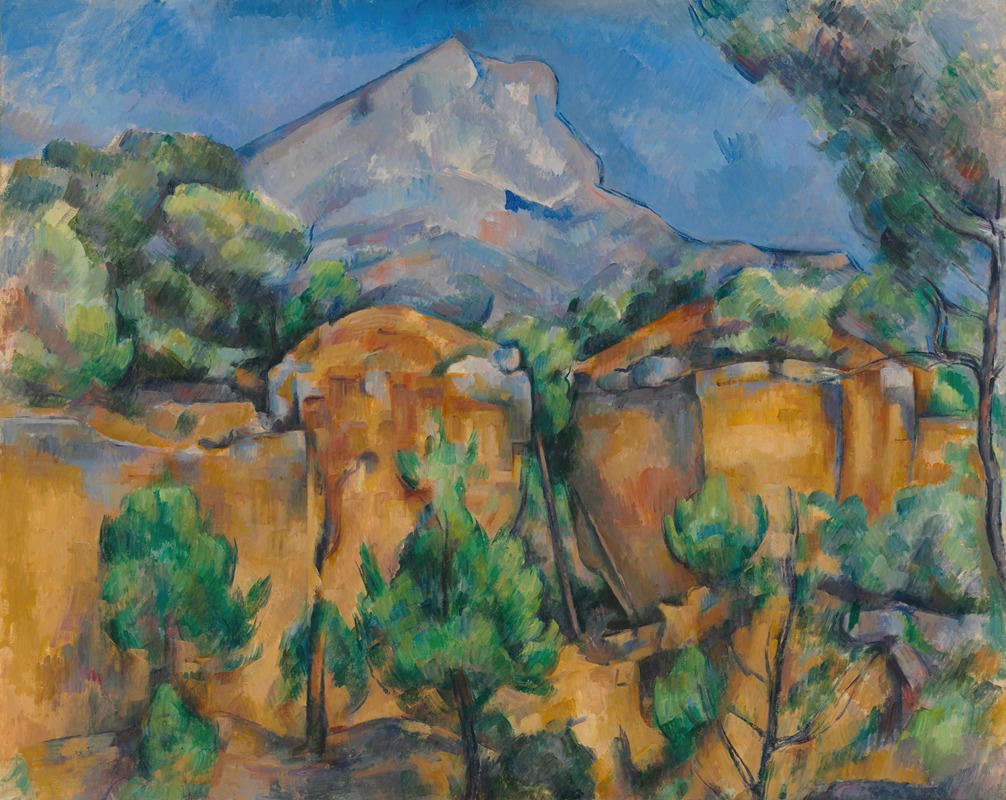
La Montagne Sainte-Victoire vue de la carrière Bibémus
Paul Cézanne
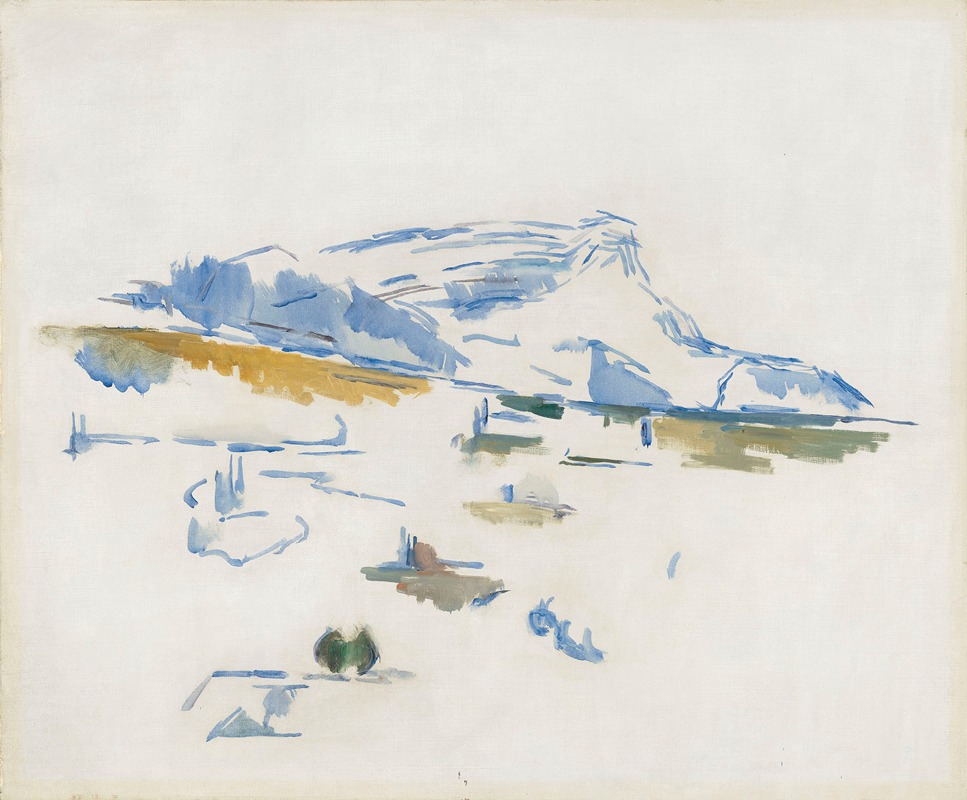
La Montagne Sainte-Victoire vue des Lauves
Paul Cézanne