
Paysage aux grands arbres — History & Facts
Could a single brushstroke hold eternity? In Paysage aux grands arbres, the essence of balance and tranquility unfolds through layers of vibrant greens and browns, inviting contemplation of nature’s timeless grandeur. Look to the left at the towering trees, their canopies a symphony of light and shadow, casting dappled patterns across the ground. Notice how the brushstrokes dance with an almost rhythmic quality, each one deliberate yet free, as if capturing a fleeting moment in the wilderness. The soft, sunlit hues of the foliage contrast with the earthy tones of the soil, guiding your gaze across the canvas and anchoring the viewer in this serene landscape. Delve deeper into the composition to uncover the emotional interplay at work.
The grand trees, sturdy and resolute, symbolize strength, while the gentle undulations of the ground evoke a sense of harmony. This juxtaposition speaks to life's duality—rooted stability against the ephemeral beauty of nature. The choice of color palette enhances this dialogue, where vibrant greens breathe life into the scene while the muted browns ground it, creating a sense of equilibrium. In 1916, Achille Laugé painted this work during a period of profound personal and artistic development.
Living in France amidst the turbulence of World War I, he sought solace in the simplicity of nature, reflecting a yearning for peace. It was a time when many artists were exploring new styles, and Laugé, inspired by Impressionism, began to infuse his landscapes with a distinctive touch, blending color and form in a manner that spoke to both the world and his own inner balance.
More Artworks by Achille Laugé
Browse all →
Ruelle au balcon fleuri
Achille Laugé

L’hort À Cailhau
Achille Laugé
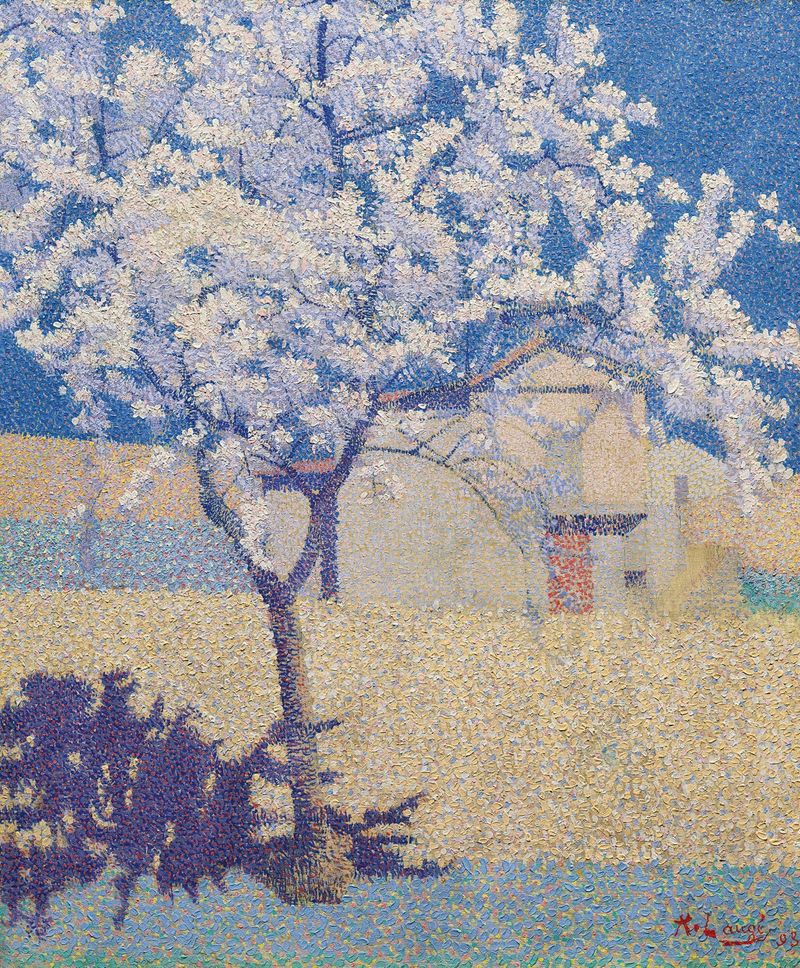
L’Arbre En Fleur
Achille Laugé

L’allée de saules derrière l’Alouette à Cailhau
Achille Laugé
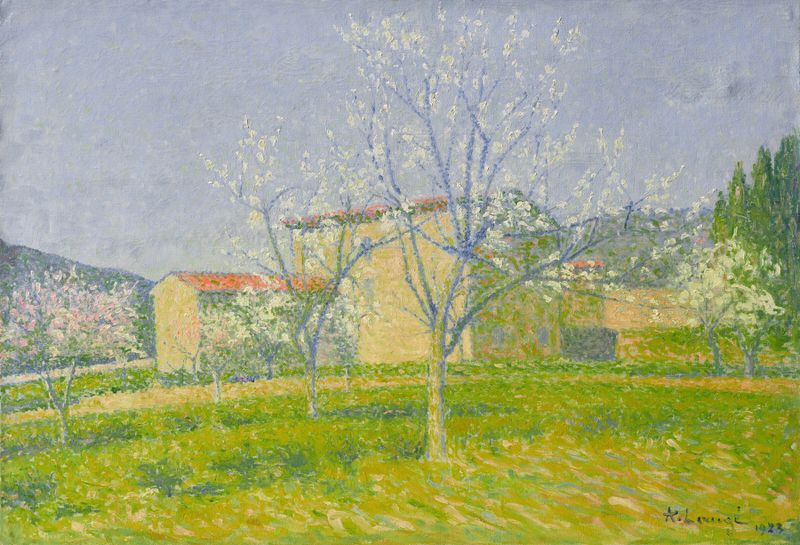
Verger en fleurs à Alet-les-Bains (Aude)
Achille Laugé
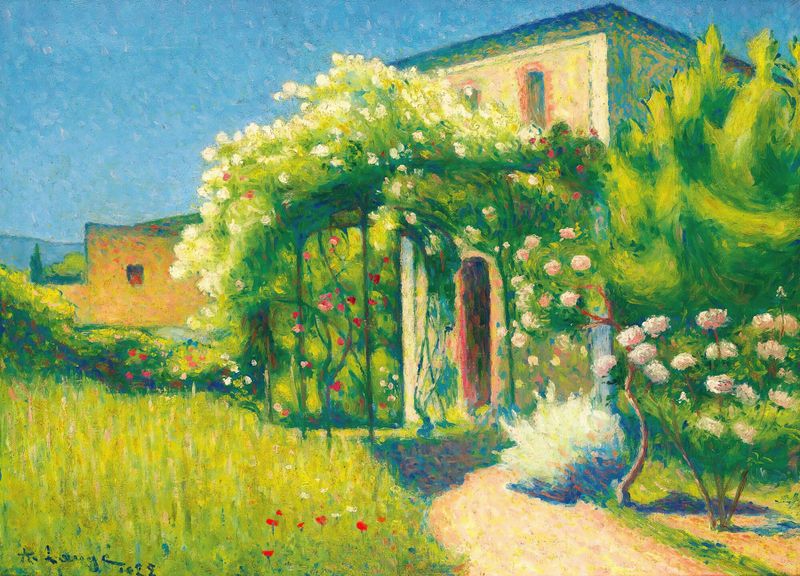
L’Atelier À Alet-Les-Bains
Achille Laugé
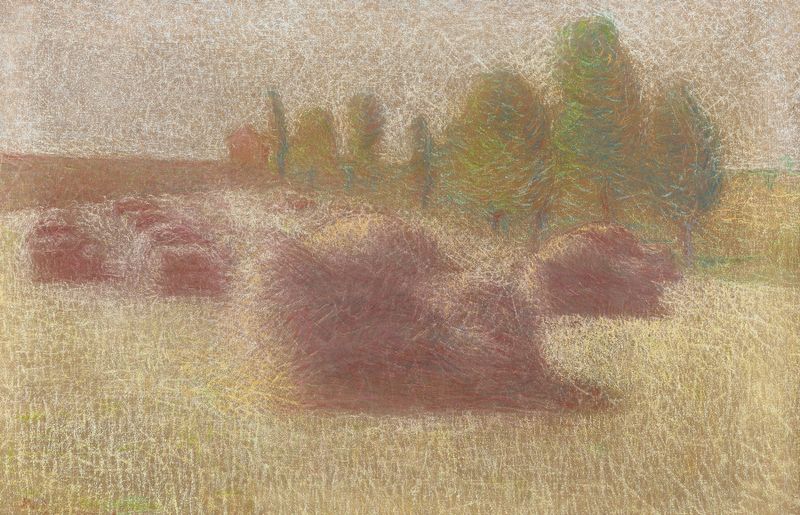
Les Gerbes
Achille Laugé
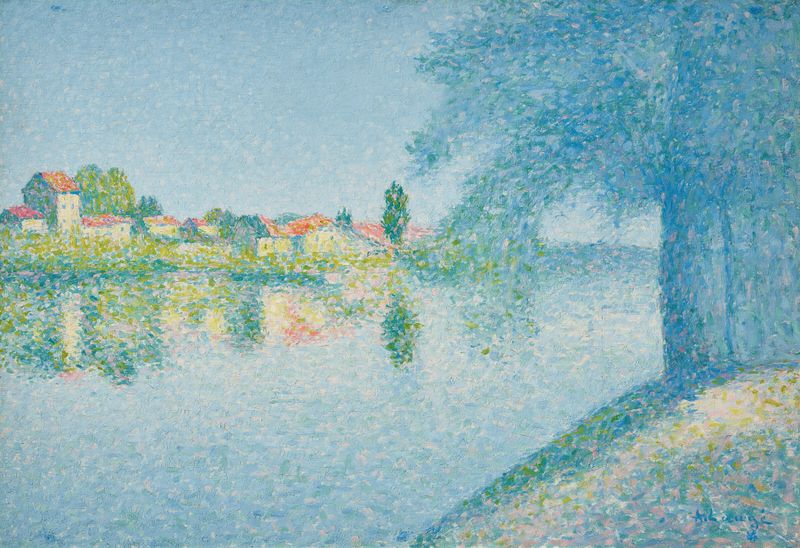
Vue des quais de la Garonne
Achille Laugé

La route de Belvèze vers le relais
Achille Laugé
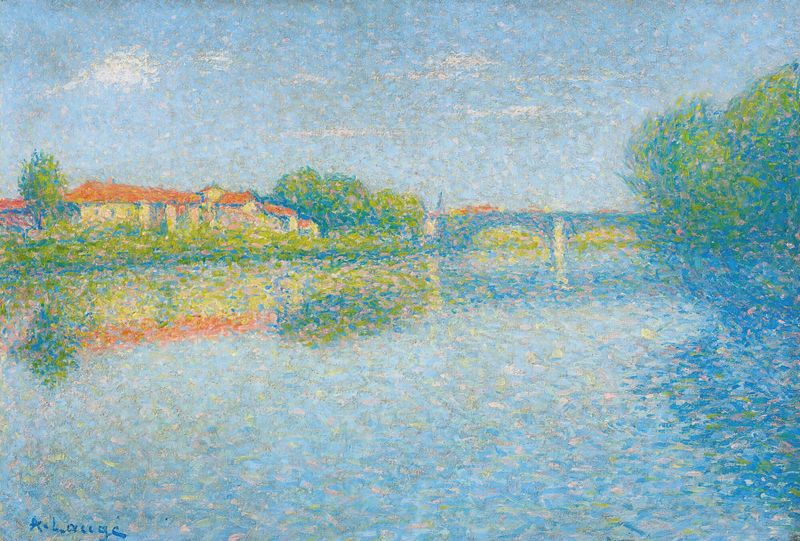
La Garonne À Toulouse
Achille Laugé





